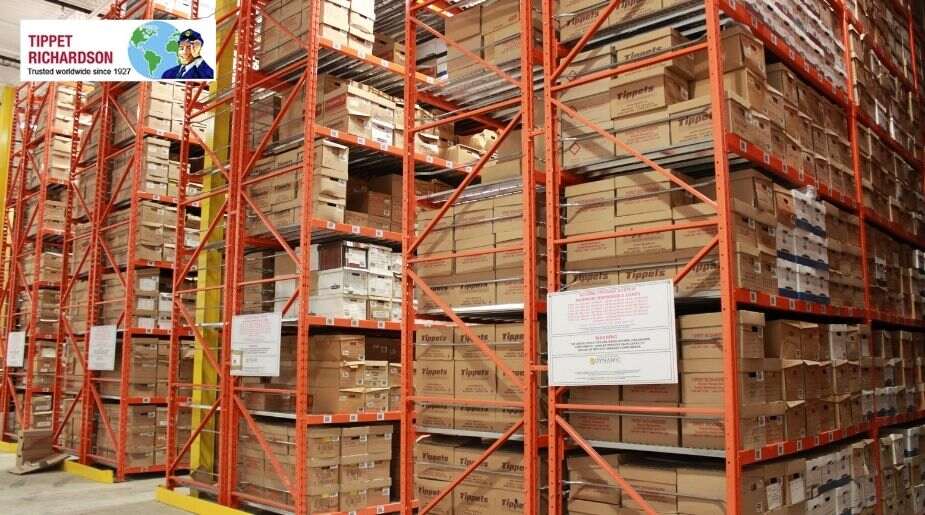


Successfully managing an office move in a bustling city like Toronto requires meticulous organisation and a strategic approach. To plan office relocation effectively, you need more than just packing boxes — it calls for thorough office relocation planning that preserves productivity and keeps your team engaged. Since 1927, Tippet Richardson has been a trusted leader in office moving services, guiding Toronto businesses through complex relocations with ease and professionalism.
Why Careful Office Relocation Planning Matters
Poor planning during an office move can lead to prolonged downtime, lost revenue, and increased stress for employees and management alike. When a business relocation is rushed or lacks a clear strategy, vital operations may grind to a halt, client relationships risk disruption, and valuable equipment can be damaged or misplaced. In a competitive environment like Toronto, avoiding these pitfalls is essential. Thoughtful office relocation planning anticipates potential obstacles, aligns resources effectively, and safeguards business continuity throughout the move.
Key Objectives for a Successful Business Move
A successful office relocation is guided by clear objectives tailored to your company’s priorities. Foremost is minimising downtime moving, ensuring your team can resume work quickly in the new space without significant interruptions. Protecting office assets — including technology, furniture, and sensitive documents — is equally critical, requiring careful packing and transport methods. Maintaining open and transparent communication with employees, clients, and stakeholders also supports a smooth transition. This momentum helps sustain morale and confidence, both internally and externally, as you navigate your business move.
How Corporate Relocation Services Can Support Your Move
Collaborating with experienced corporate relocation services like Tippet Richardson elevates your office moving strategy significantly. Their expertise in handling Toronto office moves means they understand local building regulations, traffic patterns, and the unique challenges of relocating in an urban environment. Professional movers coordinate every detail from packing to setup, providing a tailored approach that minimises disruption to your business activities. With Tippet Richardson overseeing the move, you gain peace of mind knowing skilled professionals are managing the logistics, letting you focus on maintaining operations and preparing your team for the new workspace.
By emphasising comprehensive office relocation planning, setting clear business move objectives, and leveraging trusted corporate relocation services, your business is well-positioned to execute a seamless transition. The next section will delve into the detailed steps to develop an actionable office moving strategy, complete with timelines and checklists to keep your relocation on track.
Step-by-Step Office Moving Strategy to Plan Office Relocation
Planning an office move in Toronto calls for a clear and well-structured office moving strategy. By breaking the process into manageable phases, you create a roadmap that addresses every detail and keeps your business on track. The following steps will guide you in assessing your needs, creating an actionable business move checklist, communicating effectively, and working seamlessly with corporate relocation services like Tippet Richardson to minimize downtime moving.
Assessing Your Office Needs and Timeline
Start by taking a comprehensive inventory of your current office set-up. Understand the size and scope of the move, including the number of employees relocating, the volume of equipment and furniture, and any special requirements such as sensitive technology or confidential files. Mapping out this information early helps identify potential challenges and resource needs.
Equally vital is establishing an ideal moving timeline. Consider factors such as lease expiry dates, business cycles, and seasonal influences in Toronto traffic or building accessibility. Early planning of your move date allows you to coordinate smoothly with property managers, vendors, and your corporate relocation team. A realistic timeline supports a better-organized move and reduces stress, contributing significantly to your overall office relocation planning success.
Developing a Comprehensive Business Move Checklist
A detailed business move checklist is an essential project management tool that keeps every aspect of the move accounted for and progressing. Beyond packing and transport, this checklist should capture tasks including:
- Notifying utility companies and internet providers
- Scheduling IT disconnection and reconnection
- Communicating with clients, suppliers, and staff about the move
- Labeling and cataloguing equipment and supplies
- Arranging for cleaning and setup of the new office space
Breaking these tasks into weekly or daily milestones helps your team monitor progress and ensures nothing is overlooked. A well-maintained checklist also serves as a communication tool among departments and third-party service providers, facilitating coordination and minimizing downtime moving.
Communicating the Move Internally and Externally
Transparent and consistent communication is crucial for a smooth office relocation. Internally, keep employees informed about timelines, changes in work arrangements during the move, and expectations for their involvement. This openness fosters trust and reduces anxiety, enabling your team to prepare both logistically and mentally.
Externally, inform clients, suppliers, and other stakeholders well in advance. Provide updated contact details and reassure them that business continuity will be maintained. Leveraging multiple channels—emails, newsletters, meetings—ensures your message reaches everyone effectively. Well-executed communication forms a cornerstone of comprehensive office relocation planning, maintaining confidence and goodwill throughout your network.
Coordinating with Corporate Relocation Services
Engaging corporate relocation services like Tippet Richardson is key to executing your office moving strategy efficiently. Experienced movers bring specialized knowledge of Toronto’s urban landscape, from navigating building regulations to scheduling around peak traffic hours. They offer valuable support by managing the physical move, helping with packing strategies, and setting up the new workspace according to your specifications.
Effective coordination means involving your moving partner early in the planning stages. By sharing your business move checklist and timelines, you enable them to tailor their services to your unique needs. This collaboration reduces surprises on moving day, accelerates setup, and ultimately helps minimize downtime moving so your business is up and running quickly in the new office.
Developing a clear office moving strategy with thorough assessment, detailed checklists, transparent communication, and professional support lays the groundwork for a successful move. Next, we’ll explore proven tips and best practices to minimize downtime moving, keeping your business productive and uninterrupted during the transition.
Read also: What Is the Best Time of Year to Move in Toronto?
Minimizing Downtime Moving: Tips and Best Practices
When you plan office relocation, one of the biggest priorities is minimizing downtime moving to ensure your business continuity. A well-executed strategy can keep your operations running smoothly with little or no interruption. Implementing thoughtful scheduling, efficient packing, seamless IT transitions, and preparing your new space in advance are essential elements of this approach.
Scheduling the Move for Off-Peak Hours
Choosing the timing of your move plays a pivotal role in reducing disruption. Scheduling your office move during off-peak hours—such as evenings, weekends, or public holidays—provides distinct advantages. These periods typically see less traffic congestion in Toronto, making transport faster and more reliable. Off-hour moves also allow your staff to complete their daily responsibilities without interruption, promoting productivity and reducing stress.
Moreover, many office buildings in Toronto have more flexible access rules during off-peak hours, easing loading and unloading challenges. Coordinating your move carefully around these times is a strategic step in office relocation planning that corporate relocation services like Tippet Richardson can help optimize.
Packing and Labeling Strategies to Speed Up Setup
Efficient packing is key to accelerating the unpacking and setup process at your new office. Using a detailed labelling system ensures that boxes and equipment are sorted by department, individual, and priority level. Colour-coded labels or numbered inventories can guide movers and employees as they unload and position items correctly, saving vital time.
Packing non-essential items well in advance and preparing “essentials kits” for immediate post-move needs supports a smooth transition. Encourage staff to pack personal and workstation items systematically with clear instructions. This attention to detail in your business move checklist reduces confusion and accelerates your team’s return to normal workflow.
Ensuring IT and Equipment Transition Without Interruptions
Technology is the backbone of modern offices, so ensuring an uninterrupted IT transition is critical. Prior to the move, coordinate with your IT team and service providers to schedule disconnection and reconnection of computers, servers, phones, and network devices. Full data backups should be completed to prevent potential loss.
Label all IT equipment and cables meticulously and prepare a detailed inventory. Planning for temporary remote access or flexible work arrangements during the switchover can also help avoid downtime moving. Working closely with corporate relocation services ensures that these technical elements are integrated smoothly into the overall office moving strategy.
Setting Up the New Office Environment in Advance
Preparing the new office before your team arrives is another best practice to minimize downtime moving. This includes ensuring that utilities, internet, and phone lines are operational ahead of time. Arranging furniture and equipment based on your pre-established layout allows staff to resume work immediately.
In addition, conducting a thorough walkthrough to address any last-minute issues like lighting, temperature controls, or security systems helps avoid surprises. A ready-to-go workspace enhances employee comfort and productivity from day one. Tippet Richardson’s expertise in coordinating setup ensures your new Toronto office is fully functional and welcoming upon arrival.
By scheduling moves strategically, implementing intelligent packing and labelling, managing IT transitions carefully, and readying the new environment beforehand, your office relocation planning will effectively minimize downtime moving. These best practices help secure a smooth, seamless business transition with Tippet Richardson’s trusted support every step of the way.
Next, we’ll explore common challenges faced during Toronto office relocations and how to successfully overcome them while keeping your move on track.
Read also: Canadians Moving to the USA: What Happens at the Border and What You Must Declare
Overcoming Challenges Common in Toronto Office Relocations
When you plan office relocation in Toronto, being prepared for common challenges can make all the difference in ensuring a smooth move. The city’s unique regulations, potential delays, and varying business needs require flexible strategies and expert support. Understanding these hurdles and addressing them proactively is vital to minimize downtime moving and safeguard business continuity.
Navigating Toronto’s Permits and Building Regulations
Toronto’s office relocations often involve strict permits, access controls, and building regulations that can cause unexpected delays if not addressed early. Many commercial buildings require coordinated elevator bookings, move-in/out permits, and adherence to specific hours for freight access. Failure to secure the necessary approvals ahead of time can result in costly postponements.
As part of your office relocation planning, research local requirements well in advance and maintain open communication with property managers. Corporate relocation services like Tippet Richardson have extensive experience navigating Toronto’s regulatory environment and can handle permit applications and scheduling on your behalf, ensuring all guidelines are met and moving day proceeds without administrative roadblocks.
Managing Unexpected Delays or Issues
Even the best-planned office moving strategies can encounter unforeseen hurdles, from traffic jams and equipment malfunctions to last-minute changes in building rules or staffing challenges. Developing a risk mitigation plan as part of your business move checklist helps you anticipate and respond quickly to these issues.
Measures such as having contingency timelines, backup transport options, and readily accessible emergency contact lists keep your team agile. Maintaining close coordination with your moving company and IT providers enables fast problem-solving. Experienced corporate relocation services understand how to adapt rapidly, minimizing downtime moving and keeping your transition on track despite surprises.
Adapting Your Office Moving Strategy for Unique Situations
Each business move is distinctive, and Toronto’s diverse commercial landscape means requirements vary considerably by company size, industry, and location. Whether you’re moving a small startup or a large corporate office, your office moving strategy must be tailored to meet specific needs.
Flexible planning includes adjusting move schedules, selecting specialised packing materials for delicate equipment, and accommodating work-from-home arrangements during certain transition periods. Collaborating with movers who offer customised solutions ensures your plan aligns with operational demands, local conditions, and staff expectations, delivering a smoother and more efficient relocation.
Read also: Movers from Toronto to New York City: Cross-Border Customs and Timeline
Leveraging Tippet Richardson’s Expertise in Complex Moves
With nearly a century of experience in Toronto, Tippet Richardson has deep local knowledge and proven expertise addressing the city’s unique office relocation challenges. Their skilled teams anticipate regulatory requirements, coordinate multi-stage moves, and deploy efficient packing and transport techniques suited to your business.
Tippet Richardson’s commitment to communication and flexibility helps mitigate risks and resolve issues promptly. By partnering with them, you benefit from a proven office moving strategy that minimizes downtime moving and ensures your Toronto office relocation is executed with precision and care, letting you focus on your core business priorities.
By understanding Toronto’s building rules, preparing for unexpected obstacles, adapting plans to special situations, and leveraging expert support like Tippet Richardson’s corporate relocation services, your office move is poised for success. In the final section, we’ll wrap up the essential elements of planning an office relocation with zero downtime in Toronto.
Wrapping Up
To plan office relocation successfully in Toronto with zero downtime, a combination of foresight, detailed coordination, and the right professional partners is essential. Each step of your office relocation planning—from assessing your specific needs and creating a thorough business move checklist to minimising downtime moving through smart scheduling and seamless IT transitions—builds a foundation for a smooth transition.
Partnering with seasoned corporate relocation services like Tippet Richardson provides valuable local expertise and skilled execution, vital for navigating Toronto’s unique challenges. Their nearly century-long presence in the city equips them to anticipate potential obstacles and craft customised office moving strategies that protect your business operations every step of the way.
By investing time into strategic planning and engaging trusted professionals, you not only mitigate risks but also empower your team to settle quickly into the new workspace. This thoughtful approach allows your business to maintain productivity, keep clients satisfied, and start fresh in your Toronto office without disruption.
When you plan office relocation with a comprehensive strategy and expert support, the moving process transforms from a disruptive event into a carefully orchestrated opportunity for growth and renewal. Tippet Richardson stands ready to help your Toronto business achieve that transition with confidence and ease.