

Moving To France from Toronto
Planning a move to France from Toronto? Whether you’re relocating for work, education, family reasons, retirement, or a new lifestyle opportunity, Tippet Richardson provides professional international moving services designed to simplify your relocation journey.
From Paris and Lyon to Marseille, Toulouse, and Nice, we help coordinate packing, overseas transportation, customs documentation, storage solutions, and destination delivery for a smoother move to France.
 Pre-move consultations
 Professional export packing
 Door-to-door relocation services
 Household goods transportation
 International shipping coordination
 Customs documentation support
 Secure storage solutions
 France destination delivery

Trusted Company Since 1927

From Toronto & the GTA

To All Major Destinations

End-to-End Moving Support

Thousands of Successful Moves
Moving From Toronto to France: What You Need to Know
Moving internationally requires planning, preparation, and the right support. Understanding shipping, customs requirements, transportation options, and relocation timelines can help create a smoother transition to France.
How Does a Toronto to France Move Work?
International moves typically involve shipment planning, packing, transportation, customs coordination, and delivery at your French destination.
How Much Does It Cost to Move to France?
Moving costs depend on shipment size, destination city, transportation method, packing requirements, and additional services.
How Long Does a Move to France Take?
Transit timelines vary depending on shipment volume, customs processing, destination location, and transportation schedules.
What Can You Bring to France?
Many household goods and personal belongings can be shipped internationally, subject to applicable customs requirements.
What About French Customs Requirements?
International shipments require supporting documentation and compliance with customs regulations before final delivery.

Plan your international move with a customized estimate built around your relocation Needs.
How We Help You Move From Toronto to France
Our structured international moving process helps keep your relocation organized from planning through delivery.

Personalized Relocation Planning
Develop a moving strategy based on your destination, timeline, and household shipment requirements.

Professional Packing & Move Preparation
Prepare your belongings for secure international transportation with export-quality packing services.

International Transportation & Customs Support
Your shipment is coordinated with trusted international carriers and prepared for customs clearance.

Delivery to Your New Home in France
Complete your relocation with professionally coordinated destination delivery services.
How Much Does It Cost to Move From Toronto to France?
The cost of moving to France depends on several factors, including shipment volume, destination, transportation method, packing requirements, and additional moving services.
Household Shipment Volume
The amount of furniture and personal belongings being shipped can significantly affect moving costs.
Destination in France
Moving costs may vary depending on whether you’re relocating to Paris, Lyon, Marseille, Nice, Toulouse, or another destination.
Transportation Method
Air freight offers faster delivery, while sea freight is often preferred for larger international household moves.
Packing & Additional Services
Packing services, storage requirements, specialty item handling, and destination support can influence overall costs.
- Trusted Since 1927
- International Moving Expertise
- No-Obligation Quote
Get Your Personalized France Moving Estimate
Receive a customized moving estimate based on your shipment size, destination, packing requirements, and relocation timeline.
Why Choose Tippet Richardson for Your Toronto to France Move?
Our experienced team provides personalized relocation support, professional packing, secure transportation, and dedicated coordination throughout your move to France.

International Relocation Experience

Tailored Relocation Planning

Secure International Shipping

Dedicated Move Coordination
See Why Toronto Clients Trust Our International Moving Services




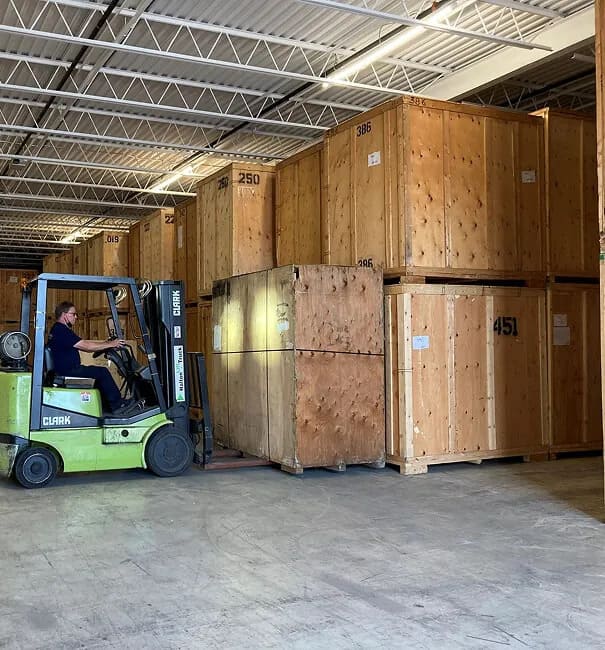
Need Storage During Your Toronto to France Move?
Not every international move follows the same schedule. Flexible storage solutions can help keep your belongings secure until you’re ready for delivery in France.
- French Home Not Ready – Store belongings until your new residence is available.
- Temporary Accommodation – Secure storage while staying in short-term housing.
- Delayed Move-In Date – Flexible solutions for unexpected delays.
- Downsizing Before Relocation – Store items that won’t immediately fit your new home.
- Selling Your Toronto Property – Keep belongings protected between moving dates.
- Delayed Shipment Delivery – Schedule delivery when you’re ready.
Flexible Storage Solutions for International Relocations
Need extra flexibility for your move to France? Explore secure storage options that fit your relocation timeline.
Moving Timeline: Toronto to France
A well-planned relocation can make your move to France smoother and more organized. Follow these key milestones to stay on track throughout your international moving journey.
6–12 Months Before Your Move
- Confirm your relocation timeline and moving goals.
- Research cities, housing options, and local requirements in France.
- Estimate the household goods you plan to ship overseas.
- Start decluttering unwanted belongings before packing.
- Request international moving estimates and compare options.
Why Canadians Move to France
France attracts Canadians seeking a rich cultural experience, excellent educational opportunities, diverse career pathways, and access to life within the European Union. Its historic cities, established communities, and high quality of life continue to make France a popular relocation destination.
Quality of Life
France is known for its balance between work, leisure, and family life, making it attractive to many relocating Canadians.
Education Opportunities
Home to respected universities and international programs, France attracts students from around the world.
Family Relocation
Many Canadians relocate to France to join family members or begin a new chapter in European communities.
Access to Europe
Living in France provides convenient access to destinations across Europe, making travel and cultural exploration more accessible.
Moving to France: Preparing for Your Relocation
Moving to France involves detailed planning before departure and careful steps to settle in once you arrive. By preparing ahead of time and knowing what to expect, you can make your transition seamless and stress-free.
Before You Move
Taking care of important tasks before departure ensures a smooth relocation.
Secure the Right Visa and Residency Permit
Apply for your work, study, or family reunification visa well in advance.
Plan Your International move
Work with Tippet Richardson to ensure your belongings arrive safely and on time.
Find Housing Before Arrival
The French rental market is competitive, so securing accommodation early is advisable.
Understand Banking and Finances
Research cost of living, open a French bank account, and plan for initial expenses.
Learn Basic French Phrases
While English is spoken in some areas, knowing French will help with daily interactions.
FAQs - Moving to France
Moving to France involves various considerations. Below are answers to frequently asked questions to assist you in your planning.
-
How do I start planning my moving to France from Toronto?
Planning your moving to France starts with defining your timeline, selecting the right visa type, and organizing your relocation goals. Once you’ve identified these basics, the next step is partnering with a reliable international moving company. That’s where Tippet Richardson comes in. Our relocation experts help you every step of the way—from packing and documentation to delivery—ensuring your move from Toronto to France is efficient, organized, and stress-free.
-
How long does it take to ship my belongings to France?
When moving to France from Canada, sea freight typically takes 4–6 weeks, depending on your final destination in France. Tippet Richardson coordinates your shipment timeline with precision, ensuring that your belongings arrive when you need them. We manage the logistics from pick-up in Toronto to door-to-door delivery in France, giving you full visibility and control throughout the entire international process.
-
How do I obtain a visa or residence permit to live in France?
To reside in France, non-EU citizens must apply for a long-stay visa (visa de long séjour) appropriate to their purpose—such as work, study, or family reunification. Applications are submitted to the French consulate in your home country and require documentation like proof of accommodation, financial means, and health insurance. Processing times vary, so early application is advisable.
-
What is the cost of living in France, and how should I budget?
The cost of living in France varies by region. Urban areas like Paris have higher expenses, with average monthly costs around €1,500–€2,500 for a single person, including rent. Rural areas are more affordable. It’s essential to research your chosen location and plan your budget accordingly.
-
Can I ship all my furniture to France?
Absolutely. Tippet Richardson specializes in helping Canadians ship their entire household to France, including furniture, electronics, appliances, and personal belongings. Our team carefully packs and secures every item using industry-leading materials and techniques. Whether you’re moving a single-bedroom condo or a full family home, we ensure your possessions arrive safely, efficiently, and fully accounted for when moving to France.
-
How can I find suitable housing in France?
Securing housing in France can be competitive, especially in major cities. Utilizing online platforms like SeLoger and PAP.fr can be beneficial. It’s common for landlords to request a guarantor and proof of income. Starting with temporary accommodation may provide flexibility while searching for a long-term residence.
-
What is the French healthcare system like for newcomers?
France boasts a high-quality healthcare system. Upon obtaining residency, you can register for public health coverage (PUMA). While the public system covers a significant portion of medical costs, many residents opt for supplementary private insurance (mutuelle) to cover additional expenses.
-
Are there any language requirements or recommendations for living in France?
While English is spoken in tourist areas, proficiency in French is crucial for daily life and integration. It’s recommended to learn basic French before moving and continue language studies after arrival to enhance your experience and opportunities.
-
How do I handle taxes when moving to France?
As a resident, you’ll be subject to French taxation on worldwide income. It’s important to understand the tax treaties between France and your home country to avoid double taxation. Consulting with a tax advisor familiar with both systems is advisable to ensure compliance and optimize your tax situation.
-
Can I drive in France with my foreign driver's license?
Non-EU residents can use their foreign driver’s license for up to one year. After this period, you may need to exchange it for a French license, depending on reciprocity agreements between France and your home country. It’s important to check specific requirements to ensure continued legal driving status.