

Moving To Germany from Toronto
Moving To Germany from Toronto
Planning a move to Germany from Toronto? Whether you’re relocating for work, education, family reasons, or a new international opportunity, Tippet Richardson provides professional international moving services to help simplify your relocation journey.
From Berlin and Munich to Frankfurt, Hamburg, Cologne, and Stuttgart, our experienced team helps coordinate packing, international shipping, customs documentation, storage solutions, and destination delivery.
 Pre-move consultations
 Professional export packing
 Door-to-door relocation services
 Household goods transportation
 International shipping coordination
 Customs documentation support
 Secure storage solutions
 Germany destination delivery

Trusted Company Since 1927

From Toronto & the GTA

To All Major Destinations

End-to-End Moving Support

Thousands of Successful Moves
Moving From Toronto to Germany: What You Need to Know
A successful international relocation begins with careful preparation. Understanding moving costs, shipment options, customs requirements, and transportation timelines can help make your move to Germany more organized and efficient.
How Does a Toronto to Germany Move Work?
International relocations typically include move planning, professional packing, overseas transportation, customs coordination, and destination delivery. Proper preparation helps support a smoother transition to your new home in Germany.
How Much Does It Cost to Move to Germany?
Moving costs depend on shipment size, destination city, transportation method, packing requirements, and additional relocation services. Every move has unique requirements and considerations.
How Long Does a Move to Germany Take?
Transit timelines may vary based on shipment volume, transportation schedules, customs procedures, and final delivery arrangements. Planning ahead helps support a more efficient relocation.
What Can You Bring to Germany?
Many household goods, furniture, clothing, and personal belongings can generally be shipped internationally. Certain items may be subject to customs regulations and import restrictions.
What About German Customs Requirements?
International shipments require supporting documentation and customs compliance. Proper preparation helps facilitate customs clearance and destination delivery.

Ready to Move Germany? Get Professional Moving Services for a Hassle-Free Move!
How We Help You Move From Toronto to Germany
Our structured relocation process helps keep your international move organized from initial planning through final delivery.

Personalized Relocation Planning
Develop a moving strategy based on your destination, timeline, and household shipment requirements.

Professional Packing & Shipment Preparation
Prepare your belongings for secure international transportation using export-quality packing techniques.

International Transportation & Customs Support
Your shipment is coordinated with trusted carriers and supported through customs documentation preparation.

Delivery to Your New Home in Germany
Complete your move with professionally coordinated destination delivery services.
How Much Does It Cost to Move From Toronto to Germany?
The cost of moving to Germany depends on several factors, including shipment size, destination location, transportation method, packing requirements, and additional moving services.
Shipment Volume
The amount of furniture, household goods, and personal belongings being shipped can significantly influence transportation costs. Larger shipments generally require additional logistics planning and shipping space.
Destination in Germany
Moving costs may vary depending on whether you’re relocating to Berlin, Munich, Frankfurt, Hamburg, Cologne, or another destination. Delivery location and access requirements may influence overall planning.
Transportation Method
Air freight typically provides faster delivery times, while sea freight is often preferred for larger household relocations. The transportation method selected affects both transit schedules and moving costs.
Additional Moving Services
Professional packing, storage solutions, specialty item transportation, and destination support services may impact overall relocation expenses. Services can be customized based on your specific needs.
- Trusted Since 1927
- International Moving Expertise
- No-Obligation Quote
Get Your Personalized Germany Moving Estimate
Receive a customized estimate based on your shipment size, destination, packing requirements, and relocation timeline.
Why Choose Tippet Richardson for Your Toronto to Germany Move?
Our experienced team provides personalized relocation planning, professional packing, secure transportation, and dedicated support throughout your move to Germany.

International Moving Experience

Customized Relocation Planning

Secure International Transportation

Dedicated Move Support
See Why Toronto Clients Trust Our International Moving Services




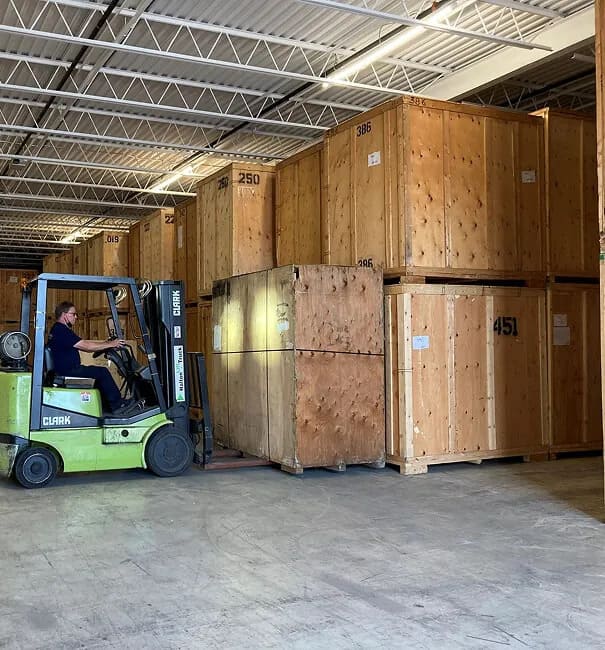
Need Storage During Your Toronto to Germany Move?
Not every international relocation follows the same timeline. Flexible storage solutions can help keep your belongings secure until you’re ready for delivery in Germany.
Whether you’re waiting for accommodation, dealing with a delayed move-in date, downsizing before departure, or coordinating shipment delivery around your arrival, storage can provide additional flexibility throughout your move.
- German Home Not Ready – Store belongings until your new residence becomes available.
- Temporary Accommodation – Keep household items secure while staying in short-term housing.
- Delayed Move-In Date – Flexible storage solutions support changing schedules.
- Downsizing Before Relocation – Store items that may not immediately fit your new home.
- Selling Your Toronto Property – Protect belongings between closing and departure.
- Delayed Shipment Delivery – Coordinate delivery around your relocation timeline.
Flexible Storage Solutions for International Relocations
Need additional flexibility during your move to Germany? Explore secure storage options designed to support your relocation schedule and delivery requirements.
Moving Timeline: Toronto to Germany
A well-planned relocation can help reduce stress and keep your move organized. Follow these important milestones while preparing for your move from Toronto to Germany.
6–12 Months Before Your Move
- Confirm your relocation goals and establish a realistic moving timeline.
- Research German cities, housing options, and local lifestyle considerations.
- Estimate the household belongings you intend to ship internationally.
- Begin decluttering items you no longer plan to relocate.
- Request moving estimates and compare available relocation services.
Why Canadians Move to Germany
Germany attracts Canadians seeking career opportunities, world-class education, economic stability, and a high standard of living. Its strong economy, efficient infrastructure, and central European location continue to make Germany one of the most popular destinations for international relocation.
Strong Economy & Career Opportunities
Germany is home to leading industries in engineering, manufacturing, technology, and finance. Many Canadians relocate to pursue professional growth and long-term career opportunities.
Education & Research Excellence
The country is known for its respected universities, research institutions, and educational opportunities. Students and professionals are often attracted to Germany’s strong academic environment.
High Quality of Life
Germany offers excellent public infrastructure, healthcare systems, and community services. Many newcomers appreciate the combination of economic stability and everyday living standards.
Central European Location
Living in Germany provides convenient access to destinations across Europe. Its transportation network supports both domestic mobility and international travel opportunities.
Essential Steps for Moving to Germany
Moving to Germany requires careful planning and attention to detail to ensure a seamless transition. From preparing essential documents and securing housing to arranging international shipping, every step plays a vital role in your relocation journey. At Tippet Richardson, we guide you through each phase of moving to Germany with expertise and precision, helping you stay organised and confident throughout the process. By understanding the essential steps for moving to Germany, you can start your new chapter abroad with clarity and peace of mind.
Before You Move
- Visa & Residency Permits – Canadians can stay in Germany visa-free for 90 days, but for long-term stays, you’ll need a Work Visa, Blue Card (for highly skilled professionals), Student Visa, or Freelancer Visa.
- Employment & Job Search – If moving for work, ensure your employer sponsors your visa. Job seekers can apply for a Job Seeker Visa, allowing six months to find work.
- Finding Accommodation – Most expats rent apartments before committing to buying. Popular websites for rentals include Immobilienscout24, WG-Gesucht, and eBay Kleinanzeigen.
- Healthcare Registration – Germany has a mandatory health insurance system. Expats must choose between public (Gesetzliche Krankenversicherung – GKV) or private (Private Krankenversicherung – PKV) insurance.
- Opening a Bank Account – You’ll need a German bank account for salary deposits and rent payments. Top banks include Deutsche Bank, Commerzbank, and N26 (a digital bank popular with expats).
FAQs - Moving to Germany
Moving to Germany is exciting but comes with many questions. Here are some frequently asked questions about moving to Germany to help guide your transition.
-
What visa do I need for moving to Germany from Canada?
For the moving to Germany, if you have a job offer, your employer will sponsor a Work Visa. If you’re highly skilled, you may qualify for the EU Blue Card, which offers a fast-track to permanent residency. Freelancers, students, and retirees have different visa pathways, so checking requirements early is essential.
-
Is Germany expensive to live in?
Moving to Germany is more affordable than Toronto, but costs depend on location. Berlin, Leipzig, and Cologne offer moderate rents, while Munich and Frankfurt are more expensive. Groceries, healthcare, and public transport are relatively affordable compared to North America.
-
Can I buy property in Germany as a foreigner?
Yes! Unlike some EU countries, Germany has no restrictions on foreign property ownership. However, many expats choose to rent first due to Germany’s strong tenant protections and lower upfront costs.
-
How does Germany’s healthcare system work for expats?
Moving to Germany, expats must have health insurance. Public insurance (GKV) covers most residents, while private insurance (PKV) is for higher earners and self-employed individuals. Germany’s healthcare system is one of the best in the world.
-
Do I need to learn German before moving to Germany?
For moving to Germany, it’s not mandatory, but highly recommended to learn basic German. While many Germans speak English, daily tasks like banking, grocery shopping, and government paperwork are easier with basic German. Free courses are available in many cities.
-
How do I transport my belongings to Germany?
Tippet Richardson provides end-to-end moving services, including packing, international shipping, customs clearance, and secure storage. Our team ensures your belongings arrive safely and on time.
-
How can Tippet Richardson help with my move to Germany?
With nearly a century of experience, we specialize in international relocations. Whether you’re moving to Germany or anywhere else, we handle everything from packing and logistics to customs documentation and settling-in assistance, making your move seamless, stress-free, and efficient. Contact us today to start your smooth relocation journey for moving to Germany.