

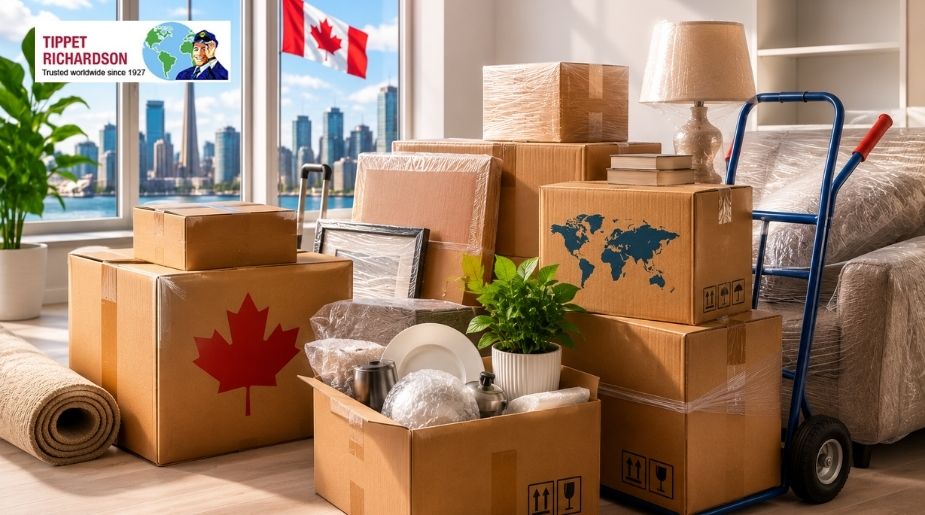
Moving household goods from Canada to New Zealand is a significant undertaking that demands careful planning and expertise. Whether relocating your entire household or just a few prized possessions, selecting the right shipping method is vital to protect your belongings and meet your schedule. At Tippet Richardson, we’ve managed hundreds of international moves from Toronto and across Canada, helping clients find practical solutions tailored to their unique needs.
Why does this matter? Because your choice between sea freight and air freight affects cost, transit time, and even how your furniture is handled. This guide dives deep into these shipping options, weighing factors like timing, volume, and budget. We’ll also show how Tippet Richardson’s experience—especially in groupage shipping for smaller loads—can help you save money without compromising care or reliability.
Understanding the Options: Sea Freight vs Air Freight for Shipping Household Goods from Canada
When shipping household goods from Canada, choosing the right method is crucial. Sea freight and air freight each have strengths and limitations. Your choice impacts cost, timing, and how your belongings arrive. Let’s break down what each option involves and how to decide.
What is Sea Freight Shipping?
Sea freight is the traditional choice for larger shipments. It uses cargo ships that transport containers across the ocean. There are two main ways:
- Full Container Load (FCL): You book an entire container exclusively for your belongings. This is ideal if you have enough items to fill or nearly fill a 20- or 40-foot shipping container. It provides better protection and more control over your goods during transit.
- Less than Container Load (LCL) or Groupage: Your items share container space with other shipments. This option suits smaller moves or those seeking cost savings since you only pay for the space your goods occupy.
Typically, sea freight from the Canadian West Coast, such as Vancouver, to New Zealand’s Auckland port takes around 6 to 9 weeks. While slower than air, it’s usually far more economical, especially for bulkier furniture or full household moves.
At Tippet Richardson, we often recommend LCL groupage for clients with moderate volumes who want to reduce costs without sacrificing quality. Our extensive experience helps coordinate loading so your goods are safely packed and secured inside the shared container.
What is Air Freight Shipping?
Air freight offers a faster alternative by transporting your goods via cargo planes. It’s best suited for small volumes or urgent shipments where time is critical. Consider air freight moving Canada NZ when you need to ship valuable, fragile, or essential items quickly.
Transit times by air can be a matter of days compared to weeks by sea. However, this speed comes with a higher price tag and stricter size and weight restrictions. Larger items like sofas or bulky furniture often don’t fit air freight cost-effectively.
For example, if you need to send a delicate musical instrument or important documents along with a few personal effects, air freight is an option worth considering. Tippet Richardson works closely with trusted air freight carriers to handle these sensitive moves, providing careful packing and documentation support.
Why Choosing the Right Method Matters
Your decision should balance several factors beyond cost and timing:
- Volume and Weight: Large household shipments lean toward sea freight, while smaller loads may justify air freight expense.
- Budget: Sea freight generally wins on affordability, especially with FCL or groupage LCL options.
- Timeline: If you have flexible scheduling, sea freight suffices; urgent moves benefit from air freight’s speed.
- Item Type: Fragile, high-value, or time-sensitive goods fit air freight better; bulky furniture prefers sea freight.
- Customs and Regulations: Both methods require compliance, but sea freight can involve more complex customs handling due to shipment size.
Navigating these choices can be daunting. That’s where an experienced partner like Tippet Richardson, based in Toronto, makes a difference. We evaluate your household inventory and timelines, then craft a shipping plan tailored to your relocation needs—whether that means a cost-saving shared container or expedited air freight for select items.
Choosing properly not only protects your belongings but can save thousands in unforeseen costs or delays. Next, we’ll explore a detailed comparison of FCL, LCL, and air freight options to help you decide with confidence.
Comprehensive Comparison: Sea Freight FCL, LCL, and Air Freight Moving Canada to New Zealand
Choosing the right shipping method for your move from Canada to New Zealand means weighing cost, transit time, volume, and what fits your needs best. Let’s break down the main options with a clear comparison to help you decide confidently.
Comparison Table: Cost, Transit Time, Volume, Best For
| Shipping Method | Cost | Typical Transit Time | Volume Suitability | Best For |
|---|---|---|---|---|
| FCL Shipping Canada to NZ | Moderate to low per cbm | 6 to 9 weeks | Large shipments, full containers | Entire household moves, large furniture |
| LCL Groupage Canada NZ | Lower upfront, pay per cbm | 6 to 9 weeks (shared space) | Small to medium shipments | Cost-conscious, smaller moves, partial loads |
| Air Freight Moving Canada NZ | High | 3 to 10 days | Small shipments only | Urgent shipments, expensive or fragile items |
*Note*: Transit times reflect typical sea freight routes from Vancouver to Auckland. Air freight times vary based on flight schedules but are significantly faster.
Cost Considerations Explained
Sea freight, particularly FCL, is generally more cost-effective for large volumes. However, paying for an entire container means the upfront cost is higher compared to shared containers. LCL groupage lets you split costs by sharing space, making it ideal for smaller shipments.
Air freight is the priciest but delivers speed, which may justify the cost for valuable or urgent shipments. Bear in mind, additional fees like packing, customs clearance, insurance, and potential storage add to the total cost regardless of method.
At Tippet Richardson, we leverage our years of experience to offer groupage/shared container solutions. This approach lets Toronto-based clients ship smaller loads affordably without compromising service or safety.
Transit Time Realities
Sea freight from Canada’s West Coast ports to New Zealand’s main entry points usually takes between six and nine weeks. This timeline includes ocean transit, port handling, and customs clearance on both ends. While longer, it’s predictable and reliable for non-urgent moves.
Air freight shrinks transit time dramatically — often just three to ten days door-to-door. The trade-off is cost and volume limitations. For some moves, sending a few essential items by air combined with the bulk by sea can strike the right balance.
Volume and Suitability
Your shipment volume is a major factor. Furniture sets, kitchenware, and household goods typically do better in sea containers due to size and handling. FCL suits families or professionals relocating their entire home. If your goods don’t fill a container, LCL groupage is a practical, budget-friendly alternative.
Air freight suits small shipments of high-value, fragile, or urgent items — think musical instruments, artwork, or documents. However, how to ship furniture Canada to New Zealand by air is generally limited because of weight and size restrictions.
Tippet Richardson’s depth of experience with international moves means we can advise you on the best fit. Whether you are shipping an extensive household inventory from Toronto or a small selection of prized possessions, we tailor the service to your timeline and budget.
Next, we’ll dig into how to prepare your goods properly for either sea or air freight to ensure smooth customs clearance and safe delivery.
Read also: Shipping Household Goods from Canada to New Zealand: Sea Freight vs Air Freight
Preparing Your Household Goods for Shipping from Canada to New Zealand
Preparing your belongings properly is essential for a smooth international move. Whether shipping by sea or air freight, understanding documentation, packing, and inventory management can protect your goods and simplify customs procedures.
Essential Documentation and Customs Requirements
Moving household goods across borders involves strict regulations. Canada and New Zealand both require accurate paperwork to clear customs efficiently. Key documents typically include:
- Inventory List: Detailed declaration of all items in your shipment.
- Proof of Residence: To verify your status and eligibility for duty exemptions if applicable.
- Bill of Lading: The official shipping contract outlining your cargo.
- Import Permits: Some goods may require permits in New Zealand, such as plants or food products.
Biosecurity is particularly important for New Zealand. Strict restrictions apply to prevent pests and diseases. For instance, certain wooden furniture or items containing soil may be restricted or need special treatment. Unfamiliar items can cause costly delays.
At Tippet Richardson, our Toronto-based team guides you through all necessary customs and biosecurity paperwork. We handle documentation preparation accurately to avoid surprises at the border.
How to Pack Household Goods for International Shipping
Proper packing protects your belongings against the stresses of long-distance transit. Here are practical tips based on Tippet Richardson’s international moving experience:
- Use Durable Materials: Strong wooden crates or reinforced cardboard boxes help secure heavy or fragile items.
- Disassemble Large Furniture: Break down wardrobes, beds, and tables for easier handling and to reduce damage risk.
- Wrap Fragile Items Thoroughly: Use bubble wrap, foam, and packing paper to protect glassware, electronics, and artwork.
- Label Boxes Clearly: Mark contents and indicate “Fragile” where applicable.
When shipping by sea freight, consider humidity and condensation inside containers. Using desiccant packs or moisture barriers can prevent mould and mildew. For air freight, packing is often more compact but demands careful weight distribution to meet airline restrictions.
Tippet Richardson offers professional packing services in Toronto. Our crews bring expertise in securing household goods for both sea freight canada to New Zealand and air freight moving Canada NZ, ensuring your possessions are ready to handle the journey.
Tips for Efficient Inventory Management
Staying organized is key for customs clearance and easy unpacking:
- Create a Detailed Inventory: List every item with descriptions and condition notes.
- Categorize by Room or Type: This makes customs inspections more straightforward and your unpacking less stressful.
- Number and Label Boxes: Use a consistent system that matches your inventory list.
- Photograph Valuables: Document valuable or fragile belongings for insurance and reference.
With many items involved in international moves, well-maintained records save time and reduce confusion. Our Toronto clients often appreciate the structured inventory approach Tippet Richardson recommends to improve transparency and control.
Tippet Richardson’s Support in Packing and Loading
International moves are complex. Our experienced team in Toronto doesn’t just provide boxes — we offer tailored packing, loading, and container securing.
- For shipping container canada to NZ shipments, we ensure:
- Efficient space use to maximize cost-efficiency.
- Strategic placement of fragile items for protection.
- Proper labeling and documentation for ease of customs clearance.
Our commitment is to manage every detail so your shipment arrives intact and on schedule. We combine knowledge of packing materials, international shipping standards, and biosecurity requirements to deliver peace of mind.
Preparing your household goods thoroughly not only safeguards your possessions but speeds your overall move and reduces unexpected costs. Next, we’ll explore the most affordable and efficient ways to ship belongings to New Zealand from Canada.
What Are the Cheapest and Most Efficient Ways to Ship Belongings to New Zealand from Canada?
Cost is often the top concern when planning an international move. Balancing affordability with reliability and care is essential when shipping household goods from Canada to New Zealand. Here’s a detailed look at how to save money while maintaining service quality.
Evaluating Cheapest Way to Ship Belongings to New Zealand from Canada
Sea freight generally offers the most cost-effective shipping for household goods, especially for larger volumes. Choosing between Full Container Load (FCL) and Less than Container Load (LCL) depends on how much you’re shipping. FCL is better value for full or nearly full containers, while partial shipments can benefit from LCL’s pay-for-what-you-use pricing.
Air freight, by contrast, costs significantly more per cubic metre or kilogram. It is best reserved for urgent or smaller shipments. Timing also affects cost—peak seasons or short notice moves often bring surcharges.
At Tippet Richardson, we analyze your inventory and timeline to recommend the most efficient method tailored to your budget.
Leveraging LCL Groupage as a Cost-Effective Solution
One smart way to reduce costs is through LCL groupage shipping. Here, your belongings share container space with other shipments headed to New Zealand. This spreads the container cost among several customers, lowering the price for smaller loads.
Groupage doesn’t mean less care. At Tippet Richardson, we coordinate secure packing and stacking in our Toronto facility to ensure your goods remain protected during the shared voyage. Groupage is ideal for those shipping less than a full container or looking for the cheapest way to ship belongings to New Zealand from Canada without compromising safety.
Combining Air and Sea Freight for Cost and Speed Balance
Sometimes a hybrid approach makes sense. For example, you might send urgent or high-value items by air freight, while the bulk travels by sea. This phased move balances time sensitivity and budget concerns.
This strategy is popular with clients relocating from Toronto who want essentials or delicate items quicker but still rely on sea freight’s cost efficiency for furniture and general household goods. Tippet Richardson offers expertise coordinating such combined shipments, ensuring smooth customs processing and synchronised delivery timelines.
How Tippet Richardson’s Experience Ensures Value
With almost a century of moving experience based in Toronto, our team understands the nuances of international shipping from Canada to New Zealand. We customize solutions that consider your specific belongings, timeline, and price expectations.
Our knowledge of sea freight canada to New Zealand operations, air freight moving Canada NZ options, and container logistics helps us optimize routes and consolidation opportunities. Plus, our professional packing and documentation services reduce delays and risks that can add hidden costs.
Ultimately, we aim to deliver the most affordable, efficient, and worry-free shipping experience possible. Reach out to Tippet Richardson early in your planning to get a tailored quote and strategy designed around your unique move.
Up next, we’ll answer common questions about international moves to New Zealand to help you prepare with confidence.
Wrapping Up
Shipping household goods internationally requires careful planning and smart choices between sea freight and air freight. At Tippet Richardson, with nearly 100 years of experience, we understand the complexities of shipping household goods from Canada to New Zealand.
We help you select the right shipping method for your needs, navigate customs and biosecurity regulations, and prepare your belongings securely. Our groupage solutions offer cost savings without sacrificing safety or reliability.
Based in Toronto, our expert team ensures your household goods move safely and efficiently across the globe. If you’re ready to start planning your international move, contact Tippet Richardson for a tailored strategy that fits your schedule and budget.