
Moving internationally is a complex undertaking that demands thorough understanding of various critical factors. At its core, the international relocation process involves more than just packing boxes and booking flights. It requires navigating customs regulations, transportation logistics, and documentation that domestic moves simply do not entail. For Canadians moving abroad, grasping these differences early ensures a smoother transition and helps avoid costly mistakes.
What Does Moving Internationally Involve?
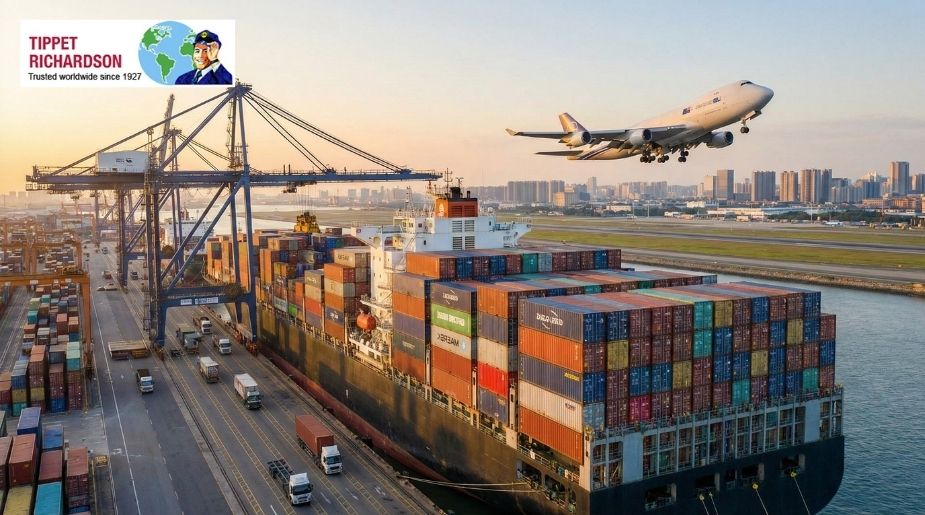
When you consider how to move internationally, it’s important to recognise the layers of complexity involved. The overseas moving process starts with sorting and packing your household goods with the knowledge that they will cross borders under strict customs scrutiny. Each country has its own import regulations, restrictions on certain items, and paperwork requirements. Beyond customs, you must also plan for the physical transport of your belongings, which often involves a combination of shipping methods such as ocean freight, air freight, or even land transport depending on your destination.
Customs clearance is one of the most critical steps in the international relocation process. Your shipment may be held in port or at the airport until all documentation is verified and duties or taxes are paid. Understanding how the international shipping process for household goods operates means preparing a detailed inventory, ensuring items are correctly declared, and securing necessary permits well ahead of time.
Differences Between Domestic and International Moves
Unlike local moves within Canada, international relocations come with additional layers of complexity. Domestic moves frequently rely on trucking within provincial or national borders without border checks. In contrast, moving abroad requires extensive preparation to comply with foreign governments’ import policies. Timing becomes more sensitive as shipments may face delays due to customs inspections or shipping schedules.
Furthermore, packing must meet international standards to protect goods from long transit times and variable handling conditions. Insurance considerations also differ, as international moves expose your belongings to risks such as theft, damage, or delays across multiple jurisdictions. Finally, coordination with multiple parties—including agents, customs officials, and carriers—adds a dynamic not typically present in domestic moves.
How International Movers Work
Professional international movers like Tippet Richardson play an indispensable role in simplifying this multifaceted process. They act as your primary coordinator, managing everything from detailed packing and crating to organising the international shipping process for household goods. Experienced movers understand how international movers work in terms of securing customs clearance, filing documentation, and liaising with overseas agents to facilitate delivery and unpacking.
Tippet Richardson, based in Toronto, leverages decades of experience to guide clients through these steps efficiently. Their expertise ensures compliance with all regulatory requirements, reduces the likelihood of costly delays, and offers peace of mind throughout your international relocation. Specialized services may include customs brokerage, export packing services, and shipment tracking to keep you informed every step of the way.
In essence, learning how to move internationally is about more than logistics; it’s about partnering with trusted experts who can navigate the overseas moving process on your behalf — making your move from Canada to anywhere in the world as seamless as possible.
Planning Your Move Abroad from Canada: A Step by Step International Moving Guide
Successfully moving abroad from Canada starts with thorough planning and organisation. This step by step international moving guide will walk you through the essential preparations to consider before your overseas journey, helping you manage the details that influence both your logistical and personal experience.
Initial Research and Choosing Your Destination
The first step in how to move internationally is selecting the right destination. Beyond personal preferences, it’s vital to research each country’s visa requirements, customs policies, language, culture, and living costs. Understanding local regulations informs your move and avoids surprises at customs or upon arrival.
For example, some countries restrict or prohibit the import of certain household goods, including items like plants, foods, or specific electronics. Additionally, knowing tax implications or residency rules in advance supports a smooth transition. Taking time to dig into government websites and expatriate communities will give you a clearer picture of what living abroad entails.
Creating a Realistic Moving Timeline
Once you know your destination and move date, building a timeline is essential. International relocations tend to take longer than domestic moves due to shipping schedules, paperwork processing, and customs clearance.
A typical timeline allows several months for:
– Sorting and downsizing household goods
– Booking services with international movers like Tippet Richardson in Toronto
– Completing customs documentation and permits
– Arranging travel plans and accommodations for arrival
Planning buffer time for unexpected delays—such as changes in shipping dates or customs inspections—helps you stay on track and reduces stress.
Budgeting for Your International Move
Figuring out costs early on is crucial in the overseas moving process. Your budget should cover more than transportation fees. Consider charges such as:
– Shipping costs—ocean freight is generally more affordable than air freight but slower
– Customs duties, taxes, and brokerage fees
– Insurance coverage tailored to international moves to protect your belongings against damage or loss
– Packing materials and professional packing services that meet international standards
– Travel expenses including flights and temporary accommodation upon arrival
Adding a contingency for unexpected expenses ensures your budget doesn’t get stretched too thin during the move abroad from Canada.
Deciding What to Take: Downsizing and Inventory
A key aspect of how to move internationally is deciding which possessions to bring along. Shipping household goods overseas can be expensive and may face restrictions. Downsizing reduces costs and simplifies both packing and customs.
Start by creating a detailed inventory of your belongings while asking:
– Which items are essential to your new home abroad?
– Are there bulky or fragile possessions that will be difficult or costly to ship?
– Do any items fall under prohibited or restricted categories in your destination country?
Professional movers like Tippet Richardson can advise on what to ship and offer expert crating services for delicate or valuable items. Selling, donating, or storing non-essential belongings locally helps create a focused, manageable shipment that eases your international relocation process.
Taking these planning steps carefully allows you to approach your move with confidence and organisation, setting the foundation for a successful overseas relocation.
Preparing for the Overseas Moving Process
Preparing your hold goods for an international move is a crucial phase in how to move internationally successfully. This stage combines careful sorting, expert packing, and managing the overseas moving process details. The right preparation safeguards your belongings during transit and ensures they arrive in your new home intact and on time.
Sorting and Packing Household Goods for International Shipping
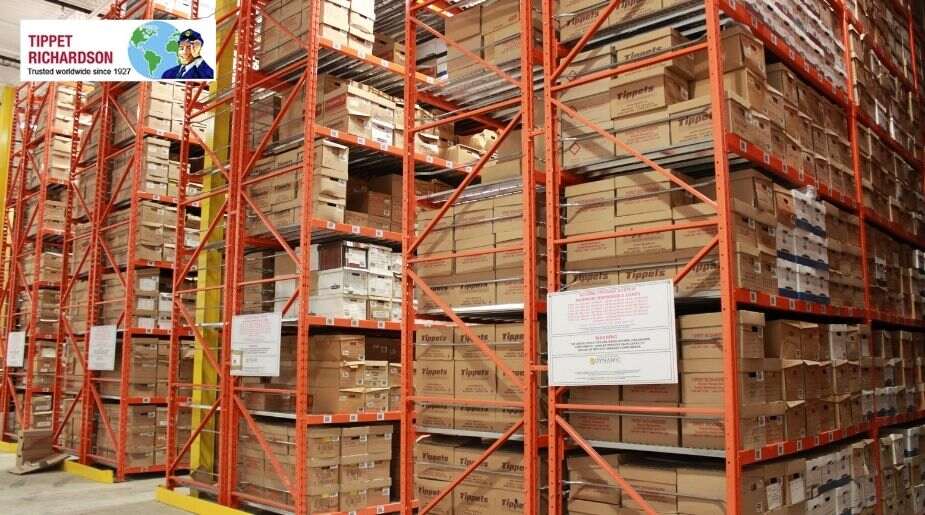
One of the most important steps in the international relocation process is packing with purpose. Unlike local moves, international shipments endure long transit times, multiple handling points, and sometimes extreme conditions. This makes sturdy, secure packing essential.
Start by categorizing items according to fragility, value, and priority. Professional movers often recommend using heavy-duty shipping boxes, custom crates for large or delicate items, and ample cushioning materials such as bubble wrap and foam. Labeling boxes clearly with contents and handling instructions reduces the risk of damage or loss.
Electronics, antiques, and artwork require specialized packing techniques to meet international shipping standards. Tippet Richardson’s expertise includes export-grade packing services designed to protect these valuable goods during overseas transport. Proper packing not only helps streamline customs inspections but also minimizes damage risks during loading, transit, and unloading.
Understanding the International Shipping Process for Household Goods
Choosing the right shipping method depends on your timeline, budget, and the nature of your belongings. Ocean freight is the most common and cost-effective option for large shipments but typically takes several weeks. Air freight offers quicker delivery but at a premium cost and with more weight restrictions.
The international shipping process for household goods usually involves consolidation of cargo, port-of-origin documentation, customs clearance, and delivery scheduling at the destination port. Understanding these stages helps you set realistic expectations and plan accordingly.
Tracking tools often allow you to monitor your shipment’s status in real time, providing peace of mind during longer transit periods. Working closely with your mover ensures timely responses to any delays or issues that may arise.
Handling Customs Requirements and Documentation
Complying with customs regulations is a fundamental part of any overseas moving process. Proper documentation accelerates clearance and prevents costly hold-ups.
Typical paperwork includes detailed inventories, passports and visas, work or residency permits, and import licenses if required. Inventory lists should be thorough and accurately reflect all items being shipped, as customs officials review these carefully to apply tariffs and check for prohibited goods.
Tippet Richardson assists clients in preparing and organising all necessary documentation. Their experience with Canadian customs and a wide range of destination countries helps avoid common mistakes, such as incomplete forms or misclassified items.
Understanding prohibited and restricted items early allows you to remove or properly declare goods like alcohol, plants, pets, or firearms, ensuring full compliance with your new country’s laws.
Insurance and Protecting Your Belongings
Insurance is a vital consideration in how to move internationally. The longer and more complex overseas shipments are, the higher the risk of damage, loss, or theft. Standard moving insurance may not cover all international scenarios, so selecting coverage tailored to your move is critical.
International movers typically offer several insurance options, from basic replacement coverage to full value protection. Evaluating these against the value of your goods and the route of your shipment helps you balance cost with peace of mind.
In addition to insurance, working with a reputable mover like Tippet Richardson adds an extra layer of security. Their proven packing techniques, careful handling, and strong partnerships with reliable carriers protect your belongings throughout the overseas moving process.
Thorough preparation in sorting, packing, understanding shipping options, complying with customs, and securing insurance transforms the daunting task of moving abroad from Canada into a manageable, confident journey.
Coordinating Your International Move: Practical Tips
Coordinating an international move requires attention to detail and effective communication. From managing your shipment to arriving smoothly in a new country, staying organised and working with experienced professionals can make all the difference. This section provides practical guidance to help you navigate these final stages confidently.
Working with Tippet Richardson for Your Toronto International Move
Tippet Richardson’s seasoned team in Toronto is dedicated to supporting clients at every step of the international relocation process. Their comprehensive planning services begin with a personalised move assessment, helping you establish timelines, budgets, and special requirements. Expert packers use high-quality materials and techniques tailored to the specifics of overseas shipping to safeguard your household goods.
Beyond packing, Tippet Richardson coordinates with trusted carriers and agents abroad to ensure seamless logistics. Their hands-on approach simplifies complicated tasks like customs clearance and cargo tracking, allowing you to focus on preparing for your new life. Choosing a mover with local roots and nearly a century of international experience brings reassurance and reliability to what can be an overwhelming process.
Communicating with Overseas Moving Companies and Agents
Clear, consistent communication is essential when working with overseas movers and agents. Confirm all details in writing—including shipment contents, delivery dates, and any special handling instructions—to avoid misunderstandings. Make use of tracking systems offered by your mover to monitor progress and stay informed about potential delays.
Keep contact information handy for all parties involved and establish regular check-ins. If language barriers exist, ask your mover for translation support or a bilingual contact to ensure nothing gets lost in translation. When you understand how international movers work in coordination with partners abroad, you can proactively manage expectations and resolve issues before they escalate.
Managing Travel and Arrival in Your New Country
Timing your travel in harmony with your shipment’s arrival helps reduce stress and costs. Book flights well in advance and consider flexible options if shipping dates may shift. Arriving before or shortly after your goods allows you to settle in smoothly and attend to any customs processes in person.
Prepare for initial essentials by arranging temporary accommodation, setting up local phone and internet services, and gathering documents needed for registration or residency. Familiarise yourself with local transportation options and cultural norms to ease the transition. Being proactive in managing your arrival helps turn the overseas moving process into a more positive and organised experience.
Settling In: Unpacking and Setting Up Your New Home Abroad
Once your belongings arrive, effective unpacking strategies will help you acclimate quickly. Open essential boxes first—such as kitchen items, bedding, and personal care products—to maintain daily comfort. Organise your unpacking in stages to avoid feeling overwhelmed.
Register with local authorities as required, and set up utilities and services promptly. Engaging with your new community—whether through neighbourhood groups, expat forums, or local events—speeds up integration and provides valuable support networks.
Tippet Richardson’s collaboration with overseas agents often includes assistance coordinating final deliveries and unpacking services, further smoothing your transition. These thoughtful steps complete your international relocation process, turning a complex move from Canada into an exciting new beginning abroad.
Wrapping Up
How to move internationally is a question that packs many challenges and opportunities into one journey. The international relocation process can feel overwhelming without the right guidance and support. However, with thoughtful planning and the help of trusted professionals, this complex endeavour becomes manageable and even exciting.
Tippet Richardson’s established presence in Toronto and extensive experience with overseas moving processes offer invaluable support to Canadians moving abroad. Their dedicated team combines expert knowledge of the international shipping process for household goods with personalised service, ensuring that every step—from initial planning to settling into your new home—is carefully handled.
Whether you are navigating customs requirements, coordinating with overseas agents, or arranging timely delivery and unpacking, Tippet Richardson expertise simplifies the complexities that arise in how international movers work. By relying on their tried-and-true methods and comprehensive services, you can approach your international move with confidence, knowing your belongings and plans are in capable hands.
This step by step international moving guide serves as a roadmap for your transition, helping you anticipate challenges and find solutions. Moving abroad from Canada is not just about relocating possessions; it’s about opening a new chapter in life. With the right preparation and trusted partners like Tippet Richardson, you can focus on what matters most—embracing your exciting new adventure overseas with peace of mind.