- A 10-week moving checklist gives you time to plan access, packing, transport and settling in without avoidable last-minute pressure.
- Toronto condo moves need early attention to elevators, loading areas, parking, building rules and move-hour restrictions.
- A useful packing checklist separates everyday items, fragile belongings, valuables, essentials and anything going into storage.
- A room-by-room inventory helps you decide what to move, donate, replace or store before the moving team arrives.
- Clear labelling, confirmed access and a prepared first-night box make moving day and the first evening much easier.
Moving checklist planning is the simplest way to keep a Toronto home or condo move organised from the first decision to the final box. A well-timed plan helps you coordinate the building, reduce clutter, pack in stages and give your movers accurate information.
Toronto moves often involve more than loading a truck. You may need to reserve a lift, arrange a loading space, work around a narrow street, protect floors in a condo or manage stairs in an older home.
This guide explains what to do from 10 weeks before moving day through your first evening, with practical advice for homes, condos and apartments.
Building Your Toronto Moving Checklist
Before buying boxes or packing the first cupboard, build a master plan around the properties, the people and the access conditions involved.
The right sequence matters because a move can be fully packed and still become difficult if the lift is unavailable, the parking space is occupied or the larger furniture will not fit through the new entrance.
Start with the Move Date and Property Details
Write down the confirmed or preferred moving date, the current address, the new address, the type of property at each end and any dates connected to possession, closing or tenancy. If the date is not final, treat it as provisional when speaking with service providers.
A change of even one day can affect building bookings, storage arrangements and availability; review this on your moving checklist.
Record practical details that a moving company will need to understand the move accurately. These include stairs, lifts, long hallways, underground parking, driveway access, street parking, door widths and whether large furniture needs special handling.
For a condo, note the building manager or concierge contact and ask where the moving vehicle is expected to wait; add this to your moving checklist.
Create a Home Inventory That Supports Decisions
An inventory does not need to be a perfect spreadsheet. Walk through each room and record large furniture, appliances, fragile pieces, artwork, electronics and items that may require extra care. Photos can help you remember the condition and placement of valuable or easily damaged belongings before they are packed.
Use the inventory to divide possessions into four groups: move, donate or sell, dispose of, and store. This is particularly useful when moving from a detached home to a smaller condo.
Moving fewer unnecessary items can simplify access, reduce packing work and make the new home moves easier to arrange; flag this on the moving checklist.
Confirm Condo, Building and Street Access
Ask both buildings about moving hours, lift reservations, loading doors, protective coverings, parking, security procedures and any forms or deposits that may apply. Requirements vary between properties, so do not rely on what applied during a previous move.
Confirm the information with the building directly and keep the written instructions with your moving documents.
For a house or low-rise apartment, check whether a moving vehicle can reach the entrance. Toronto streets can be narrow, busy or affected by construction, deliveries and seasonal conditions.
If direct access is not possible, discuss the likely carrying distance when arranging the move rather than discovering it on the day; include this in the moving checklist.
Decide What to Pack, Store, Donate or Replace
Storage can be useful when possession dates do not align, renovations are underway or a downsizing move requires more time. It can also create unnecessary cost and handling if used as a substitute for deciding what you really want to keep.
Identify the reason for storage, the likely duration and how often you will need access.
If you are unsure about an item, ask whether it has a practical place in the new home, whether it is expensive or difficult to replace, and whether keeping it supports your next stage of life.
Make these decisions before packing so boxes do not become a collection of unresolved choices; record this in the moving checklist.
Weeks 10 to 8: Set the Move up Properly
The first three weeks of the plan are about reducing uncertainty. You are not trying to finish the move immediately; you are identifying the conditions that will determine how much preparation, packing and coordination the move needs.
Request a Detailed Moving Quote
When requesting a quote, provide an honest description of both homes and the items being moved. Mention stairs, lifts, long carries, oversized furniture, fragile pieces, storage solutions and any access restrictions.
A quote based on incomplete information may not reflect the work required on moving day; include this in the moving checklist.
Ask what information the moving company needs from you and how changes should be reported. If you later add a piano, remove a storage unit or change the destination, update the moving team promptly.
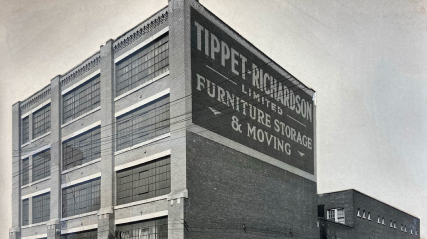
At Tippet Richardson, our coordinators use the information you provide to understand the move and identify details that need attention before the crew arrives; record this in the moving checklist.
Reserve Elevators, Parking and Loading Areas
For a condo or apartment movers, make the lift reservation one of your earliest tasks. Preferred time slots may be limited, especially at the end or beginning of a month. Confirm the booking for both the old and new buildings, including the allotted period and where the moving vehicle may wait.
Do not assume that a standard visitor parking space is suitable for a moving vehicle. Ask the building or local authority what arrangements are required. Where permission is needed, keep the confirmation accessible and share relevant instructions with the moving company; include this in the moving checklist.
Begin Decluttering by Room
Start with rooms that contain items you use least often, such as storage areas, spare rooms, seasonal cupboards and garages. Work in short sessions and remove unwanted belongings promptly. A pile marked for donation that remains in the hallway two weeks later is still part of the move problem.
Avoid packing items simply because they are already in a box. Review old paperwork, duplicate kitchen equipment, unused sports gear and furniture that will not suit the new floor plan.
For personal documents, medication, keys and sensitive items, make a separate plan rather than placing them in general cartons; record this in the moving checklist.
Identify Fragile, Heavy and High-Value Belongings
Mark items that need individual attention, such as glass, artwork, mirrors, antiques, delicate electronics or unusually heavy furniture. Make a note of their location, dimensions and condition. Some belongings may need special packing or a discussion about access before moving day; add this to your moving checklist.
Keep jewellery, cash, personal documents and essential medication under your own control unless a specific arrangement has been made. For valuable or sentimental possessions, clear communication is more useful than simply writing “fragile” on a box.
The moving team needs to know what the item is and where it will be placed.
Weeks 7 to 5: Pack with a System
Packing becomes much easier when every box has a purpose and a destination. The goal is not merely to fill cartons; it is to protect belongings, keep weight manageable and make the first few days in the new home practical.
Build a Packing Checklist
A useful packing checklist follows the order in which you can live without things. Begin with decorations, books you are not reading, off-season clothing, spare linens and infrequently used equipment. Leave daily kitchenware, work materials, toiletries and children’s essentials until later; keep this on the moving checklist.
Use suitable cartons and avoid making a box too heavy for one person to lift safely. Wrap fragile items individually, fill empty spaces so contents cannot move and keep heavier items at the bottom.
If you are packing valuable, unusually shaped or particularly delicate belongings, ask whether professional packing would reduce the risk of damage and save time; keep this on the moving checklist.
Pack in the Right Order
Pack one room or defined area at a time rather than opening every cupboard at once. Finish each box before moving to another area. This keeps the home usable and makes it easier to identify what remains.
A practical sequence is:
- Weeks 7 to 6: seasonal belongings, books, decorative objects and rarely used items.
- Weeks 6 to 5: guest-room contents, duplicate kitchen items, office archives and non-essential storage.
- Final week: everyday clothing, core kitchen items, toiletries, chargers, bedding and cleaning supplies.
If you use a packing service, discuss whether you want the whole home packed or only selected rooms and fragile items. Professional packing may be particularly helpful when the move includes a tight schedule, a large household or belongings requiring careful preparation; review this on your moving checklist.
Label for the New Home
Write the destination room on two sides and the top of every carton. Add a short description, such as “dining room—glassware” or “main bedroom—winter clothing”. Numbering boxes can help you check that everything has arrived, while a simple room list helps the movers place items correctly.
Use a different, clearly understood mark for cartons that should be opened first. Do not place essential medications, identity documents or irreplaceable personal items in those boxes; keep them with you; flag this on the moving checklist.
Prepare Documents, Essentials and Valuables
Create one personal folder for the move. Keep agreements, building instructions, inventory notes, contact details and key dates together. Digital copies can be useful, but keep access to them if your phone battery or internet connection becomes unreliable.
Pack an essentials bag for each household member. Include medication, chargers, basic toiletries, a change of clothes, simple food, water and important documents. Add children’s comfort items and pet supplies if relevant. This prevents a late-night search through labelled cartons after a long day; review this on your moving checklist.
Manage Storage and Temporary Gaps
If some belongings are going into storage, label them clearly and keep a separate inventory. Group items you may need soon near the front of the plan, but avoid making assumptions about access until the storage arrangement has been confirmed.
At Tippet Richardson, storage can be considered alongside residential moving and packing when the timing between homes does not line up.
Discuss what is being stored, how it is packed and when you expect to need it again so the arrangement fits the move rather than complicating it; keep this on the moving checklist.
Weeks 4 to 2: Coordinate the Details Toronto Moves Often Miss
By the fourth week, the broad decisions should be settled. These two weeks are about confirming the details that can interrupt an otherwise well-prepared move. A short confirmation call or email now is far easier than trying to solve an access issue while the vehicle is waiting.
Reconfirm Access and Timing
Recheck the lift reservations, loading areas, parking arrangements and building instructions. Confirm the expected arrival window with the moving company and ensure the person responsible for access will be available.
If a concierge, superintendent or property manager needs advance notice, provide it in the format requested by the building; track this through the moving checklist.
Tell the moving team about any change to the inventory, property access or move date. Include construction, road restrictions or temporary closures that may affect the approach to the home.
Requirements and permissions can change, so verify current details rather than relying on a past move; flag this on the moving checklist.
Measure the New Home Before Moving Day
Measure doorways, lift interiors, stair turns and the intended locations of large furniture. Check the dimensions of sofas, wardrobes, beds and appliances. A piece that fits through the front door may still fail at a tight corridor turn or stair landing.
If something will not fit, decide before moving day whether it should be disassembled, replaced, stored or left behind. This is also the point to plan where furniture will go.
Clear instructions reduce unnecessary movement inside the new home and help protect floors and walls; confirm this on the moving checklist.
Arrange Services and Address Changes
Notify the organisations that need your new address, including financial institutions, insurers, employers, schools and subscription providers. Arrange utility changes and internet installation according to the requirements of your property and provider. Keep confirmation numbers and appointment windows in your move folder.
If you rent, review the handover requirements for the old home. If you own a property, confirm what must be completed before closing or possession.
These details vary by contract and circumstance, so follow the instructions provided by the relevant professional rather than assuming that every move follows the same process; record this in the moving checklist.
Prepare for Weather and Older Properties
Toronto weather can affect carrying routes, floors, entrances and the condition of packed belongings. Keep a practical plan for rain, snow, heat or ice, including suitable footwear and a clear indoor place for essentials. Building protection requirements may apply, particularly in condos moving services with shared corridors and lifts.
Older homes can present narrow stairs, uneven floors, low doorways or limited parking. Mention these features early. A crew can work more effectively when they know the access conditions and can plan how furniture will be carried and protected.
Moving Week and Moving Day: Keep the Plan Under Control
The final week should be about finishing and confirming, not making major new decisions. Keep the moving checklist visible, but do not let it become a source of constant worry. Each task should have an owner and a clear completion point.
Finish Packing Without Creating Last-Minute Confusion
Complete the remaining cartons and keep a small number of items out for the final night. Mark every box before it leaves the room.
Close and secure cartons according to the packing method you are using, and do not place loose items in drawers or appliances unless the moving team has advised that this is appropriate; add this to your moving checklist.
Prepare a clearly labelled essentials area that will travel with you rather than being loaded into the vehicle. Include documents, medication, chargers, keys, basic toiletries, a change of clothes and anything needed for children or pets.
Prepare the Old Home
Clear paths from rooms to exits and remove trip hazards. Take down items that you are responsible for removing, such as curtains, wall fixtures or shelving, if required by your agreement. Defrost and prepare appliances according to the manufacturer’s instructions where applicable; track this through the moving checklist.
Keep cleaning supplies, rubbish bags and a basic toolkit accessible. Photograph rooms or specific belongings if you want a personal record of their condition before the move. At the end, check cupboards, loft areas, balconies, garages and storage lockers; small spaces are easy to overlook.
Manage the Crew and Access Points
When the moving team arrives, identify the building entrance, lift, parking position and any areas that require protection. Point out fragile, high-value or unusually heavy items and explain which cartons should remain with you.
If the plan has changed, share the information before loading begins; track this through the moving checklist.
Keep children and pets away from loading paths. Avoid opening packed cartons during the move unless necessary, as this can lead to missing components or misplaced items. A calm, accessible work area helps the move proceed safely and efficiently.
Check the New Home Before Unloading
Walk through the new property before furniture enters. Check that the planned rooms are accessible, floors are ready and any concerns about walls, doors or fixtures are noted. If furniture placement matters, use a simple room plan or tell the crew where major pieces should go.
As items enter, check labels and direct cartons to their destination. Keep an eye on the essentials bag, keys and personal documents. Do not expect to unpack every box immediately; focus first on beds, bathroom basics, essential kitchen items and safe walking routes; confirm this on the moving checklist.
Handle the First 24 Hours
Your first evening is easier when you aim for function rather than perfection. Assemble or prepare sleeping arrangements, charge phones, make a drink or simple meal and place cleaning supplies where they are easy to reach.
Keep a note of items that need follow-up instead of attempting to solve every issue at once.
Once the urgent work is complete, begin with one room at a time. Unpack the areas that support daily life first, then work through less important cartons at a steady pace.
The purpose of a good moving checklist is not to make the move feel rushed; it is to make the next decision obvious.
The Canadian moving services market was valued at USD 9.06 billion in 2024 and is projected to reach USD 14.08 billion by 2033, expanding at a compound annual growth rate (CAGR) of 5.05% during the forecast period.
Wrapping Up
A moving checklist for Toronto homes and condos works best when it starts early and reflects the real conditions of both properties.
Begin with the date, inventory and access plan; arrange quotes, lifts and parking well ahead; pack in stages; confirm details in the final weeks; and protect your first evening with a separate essentials bag.
The most important lesson is that moving day is shaped by decisions made weeks earlier. Clear information about stairs, lifts, loading areas, fragile items and storage helps everyone prepare properly.
If you are planning a Toronto residential move and want experienced support with moving, packing or storage, Tippet Richardson can help you assess the requirements and plan the next step. With nearly a century of moving experience, our team understands the value of careful preparation and dependable communication.