- Moving to Melbourne from Toronto requires early planning for shipping, customs, housing, and arrival timing.
- A careful inventory helps you decide what to ship, sell, store, or replace in Australia.
- Furniture shipping to Australia depends on condition, materials, packing quality, and biosecurity requirements.
- Melbourne offers a different pace, climate, housing pattern, and daily lifestyle from Toronto.
- Experienced international movers can coordinate the residential move while keeping decisions, documents, and timing clear.
Moving to Melbourne from Toronto is easiest when you plan the shipment, household decisions, paperwork, and arrival arrangements as one connected move rather than as separate tasks.
For many Canadian households, the biggest concerns are knowing what is worth shipping, preparing belongings for Australian entry requirements, and avoiding surprises between collection in Toronto and delivery in Melbourne.
The move also involves a substantial change in climate, distance, housing style, and everyday routines.
This guide explains how to plan an international residential move, compare Melbourne with Toronto, decide whether to ship furniture to Australia, prepare your belongings, and choose international movers who can give you practical support from the first survey to delivery.
Planning for Moving to Melbourne from Toronto
A successful move to Australia starts with decisions made before packing begins. The distance means that a small omission in your inventory, documentation, or delivery planning can be more difficult to correct than it would be on a local move.
The goal is not simply to place everything in a shipment; it is to create a realistic plan for the home you expect to occupy in Melbourne.
Start with Your Melbourne Living Plan
Before deciding what to ship, consider where and how you will live. If you are moving to Melbourne, compare neighbourhood convenience with property access.
A furnished apartment, a character house in an established inner suburb, and a newer home on Melbourne’s outskirts may require very different household contents. Measure rooms where possible and think about storage, stair access, parking, and the likely size of your first home.
This matters because shipping a large volume of furniture can be sensible when the pieces suit your future home and have lasting value. It can be less sensible when you are moving into temporary accommodation, downsizing, or expecting to buy items locally.
A useful inventory categorises each item as ship, sell, donate, store, replace, or discard. When moving to Melbourne, check room dimensions and daily routines before selecting furniture.
Give particular attention to bulky pieces. Large sectional sofas, oversized dining tables, tall wardrobes, and appliances may fit comfortably in a Toronto house but be awkward in a smaller Melbourne property or a building with restricted access.
Measurements, photographs, condition notes, and approximate replacement values make later decisions more precise.
Build Time Around the Parts You Cannot Rush
International moving involves several stages: planning, packing, collection, shipment, destination handling, customs-related steps, delivery, and unpacking.
The exact sequence and timing can vary by shipment, season, documentation, and third-party requirements, so your moving plan should include reasonable flexibility. For families moving to Melbourne, an early timetable keeps responsibilities clear.
Do not base your entire schedule on a single assumed arrival date. If you are starting a job, arranging school enrolment, ending a lease, or booking temporary accommodation, discuss the range of possible dates with your moving coordinator.
Keep essential clothing, medication, identity documents, valuables, and items needed immediately after arrival with you rather than placing them in the shipment.
At Tippet Richardson, we recommend beginning with a detailed conversation about your household, destination arrangements, access conditions, and priorities. That first discussion helps separate decisions that need immediate attention from those that can be confirmed later. Build time for unexpected changes into the plan for moving to Melbourne.
Preparing an inventory early also makes it easier to request a free moving quote based on the actual scope of your move rather than a rough guess.
Understand What International Movers Should Clarify
A capable international moving company should explain the practical stages of your move in plain language.
Ask who will coordinate the Canadian collection, how your goods will be packed, what information is needed for the inventory, how destination arrangements are handled, and which matters remain subject to Australian authorities or other third parties.
Before moving to Melbourne, discuss any uncertainties openly with your moving coordinator.
You should also receive clear guidance about items that may attract additional attention, such as outdoor equipment, untreated wood, plant-related materials, food, animal products, soil, and dirty footwear.
Requirements can change and may depend on the item, its condition, and the current rules in Australia, so never rely on an informal assumption that something will be accepted.
A useful planning conversation does not promise that every item will clear without inspection or that a shipment will arrive on one guaranteed date.
When moving to Melbourne, ask who will coordinate each stage of the move. Instead, it identifies variables early and gives you a practical way to prepare for them.
What Should You Ship, Store, or Replace in Australia?
The right shipping decision depends on more than sentimental value. You need to consider the cost and effort of transporting an item, its suitability for your Melbourne home, its condition, its replacement cost, and the consequences if it requires additional inspection or preparation.
A disciplined review can reduce volume without making the move feel impersonal. For households moving to Melbourne, storage can provide flexibility when dates differ.
Use a Decision Framework for Furniture and Household Goods
For each substantial item, ask four questions: Will it suit the new home? Is it difficult or expensive to replace? Is it in good enough condition to justify international transport? Can it be cleaned, prepared, and documented appropriately?
Furniture with strong construction, genuine sentimental importance, or a high replacement cost may justify shipping. Flat-pack pieces, worn upholstered goods, inexpensive appliances, and items that already need repair may not.
If you are moving to Melbourne, identify fragile items before packing begins. The answer is personal, but an experienced assessment should make the trade-offs visible rather than encouraging you to ship everything automatically.
Climate is another consideration. Melbourne has milder winters than Toronto but can experience cool, damp periods, warm summers, and quick weather changes. This does not mean Canadian furniture is unsuitable.
It does mean that timber, fabric, leather, and other materials should be assessed for condition and packed properly, especially if they have been stored in a basement, garage, or outdoor area.
Prepare Items That May Raise Biosecurity Questions
If you are moving to Melbourne, allow time for paperwork you cannot accelerate. Australia takes the condition of imported household goods seriously because soil, seeds, insects, and organic matter can create environmental risks.
Outdoor belongings deserve particular attention. Clean bicycles, garden tools, camping equipment, sports equipment, barbecue accessories, and footwear thoroughly before they are packed.
Remove visible soil and plant material, empty and clean equipment, and disclose items accurately in the inventory. Do not hide questionable belongings inside boxes.
A transparent inventory gives the relevant parties better information and gives you a clearer opportunity to deal with an item before collection. When moving to Melbourne, verify official requirements before finalising your plans.
Requirements and inspection decisions may vary, so check current official Australian guidance and follow the instructions provided for your shipment. Your moving company can help identify items for discussion, but it cannot replace an authority’s decision about entry, inspection, treatment, or disposal.
Decide Whether Shipping Furniture to Australia Makes Sense
Shipping furniture to Australia is often most worthwhile when the pieces are well made, fit your intended home, and would be costly or difficult to replace.
It is less attractive when the goods are bulky, easily replaced, poorly suited to your next home, or likely to need substantial repair. An accurate inventory makes planning for moving to Melbourne more specific.
A simple comparison can help:
| Consideration | Shipping may make sense when | Replacing may make sense when |
|---|---|---|
| Condition | The item is sound and ready for use | Repairs or restoration are needed |
| Fit | Measurements suit the expected home | Access or room dimensions are uncertain |
| Value | Sentimental or replacement value is high | Local replacement is straightforward |
| Preparation | The item can be cleaned and documented | Its materials or condition may create concerns |
Storage can provide a middle option if your Melbourne accommodation is temporary or your furniture decisions depend on a future home. People moving to Melbourne should separate essentials from belongings arriving later.
Tippet Richardson provides storage as part of its broader moving and storage offering, but the most suitable arrangement depends on the items, duration, access needs, and your confirmed plans.
Before booking, request a free moving quote that reflects the items you genuinely intend to ship. Changing the inventory after packing has begun can affect the space, labour, and planning required.
How Does Moving to Melbourne Compare with Toronto?
Melbourne and Toronto are both diverse, established cities with strong cultural life, employment opportunities, and neighbourhoods that offer different ways to live. The comparison becomes useful when it helps you prepare for practical differences rather than simply labelling one city as better than the other.
Housing, Space, and Access
Toronto households may be familiar with condominiums, detached homes, older properties, basement spaces, and tight downtown access. Melbourne has its own mix of apartments, terrace houses, detached homes, and newer developments.
The dimensions and access arrangements may differ even when the property appears similar in photographs. For households moving to Melbourne, parking and entry arrangements deserve early checks.
Ask your destination contact about lift reservations, loading zones, stairs, narrow driveways, visitor restrictions, and building booking procedures. If you are moving into an apartment, confirm whether the building requires a certificate of insurance, a set delivery window, or advance notice.
These details can affect how furniture is carried into the home and whether large items can be delivered as planned.
Toronto’s winter conditions can complicate a Canadian collection, while Melbourne’s weather and building access may affect delivery at the other end. A practical move plan considers both sides instead of focusing only on the international shipment. When moving to Melbourne, confirm the route through both properties.
Climate and Everyday Routines
Toronto’s cold winters, snow, and strong seasonal swings influence clothing, footwear, vehicles, outdoor maintenance, and home heating. Melbourne’s climate is generally milder, but its weather can be changeable. You may need fewer heavy winter items while still needing layers, rain protection, and clothing suited to variable conditions.
Do not discard every cold-weather item before you understand your new routine. Melbourne’s cooler months can still feel cold, particularly in homes with different insulation or heating arrangements.
Instead, retain useful essentials and review the rest once your accommodation, work pattern, and local activities are clear. For Canadians moving to Melbourne, familiar daily routines may take time to rebuild.
Daily travel can also feel different. Some Melbourne residents rely on trains, trams, buses, cycling, walking, or a car depending on where they live and work.
Your choice of neighbourhood may influence how much furniture, sporting equipment, and storage you need. This is one reason to avoid finalising a shipment solely from a general impression of the city.
Settling Into Life in Melbourne
Living in Melbourne often involves learning new local routines: shopping patterns, utility arrangements, public transport systems, healthcare registration, school or childcare arrangements, and community connections.
These matters sit outside the moving company’s role, but they affect what you need immediately after delivery. For people moving to Melbourne, the destination property’s details shape important decisions.
Prepare a first-week plan. Keep important documents and essential household supplies accessible, arrange a place to sleep if delivery timing changes, and identify what you need to buy locally.
If you are travelling before your shipment arrives, consider whether you need a small air shipment or extra luggage for essentials, subject to airline and destination requirements.
A well-planned international move leaves you with fewer urgent decisions on arrival. It does not require predicting every detail of life in Melbourne; it requires protecting the essentials while giving yourself room to adapt. Your destination home should guide what you keep when moving to Melbourne.
The Canadian moving services market was valued at USD 9.06 billion in 2024 and is projected to reach USD 14.08 billion by 2033, expanding at a compound annual growth rate (CAGR) of 5.05% during the forecast period.
Preparing for Shipping to Australia from Canada
Once you know what is moving, preparation becomes the central risk-control step. Packing is not simply a matter of putting items into cartons.
Goods may travel a long distance, pass through several handling stages, and be assessed against destination requirements. Accurate records and suitable packing protect both the physical shipment and your ability to resolve questions quickly.
Create a Precise Inventory
Your inventory should describe the contents clearly enough for you, the moving team, and relevant authorities to understand what is being shipped. When moving to Melbourne, assess furniture against your new home’s layout.
Broad descriptions such as “miscellaneous items” are less useful than specific descriptions such as “two framed prints,” “stainless-steel saucepan set,” or “wooden garden chair.”
Record serial numbers and photographs for valuable electronics, artwork, instruments, antiques, and other items where condition may matter. Keep copies of the inventory, valuation information, identity documents, and shipment correspondence in a secure digital folder that you can access while travelling.
Separate items that should not be packed with household goods. For families moving to Melbourne, a detailed inventory clarifies what needs special care.
Passports, immigration documents, financial records, medication, jewellery, cash, irreplaceable photographs, and other personal essentials should remain under your direct control unless you have received specific professional guidance for an unusual item.
Pack for Protection and Inspection
Professional packing should reflect the item, not just the box size. Glass, ceramics, artwork, electronics, mirrors, instruments, and sensitive furniture require different protection from ordinary books or linens.
Large furniture should be protected against abrasion, impact, moisture exposure, and movement during handling. For families moving to Melbourne, a detailed inventory clarifies what needs special care.
Tell the packing team about fragile, high-value, unusually shaped, or recently repaired items. If you have already packed some boxes, identify them clearly and disclose their contents. A closed carton with no useful description can create avoidable questions later.
Do not pack prohibited or restricted goods based on a casual internet list. Product rules can vary, and destination authorities may make the final decision.
Packing decisions for moving to Melbourne should reflect the actual items involved. Ask about food, medicines, weapons, batteries, chemicals, aerosols, plants, animal products, and goods containing untreated natural materials before they enter the shipment.
Keep Documents and Dates Under Control
Moving to Australia from Canada may involve personal documentation, shipment records, destination contact details, and information requested for customs or biosecurity processes.
The specific requirements depend on your situation and may change, so confirm current instructions through the relevant official channels and your moving coordinator. Before moving to Melbourne, separate confirmed approvals from matters still pending.
Create a short document schedule showing what has been supplied, what remains outstanding, and who is responsible for the next action.
This is especially useful if more than one adult is travelling, if your employment or visa arrangements are still changing, or if the delivery address is not yet final.
If your destination address is temporary, tell your moving coordinator as early as possible. A change of address can affect delivery planning, access, storage, and the people authorised to receive the shipment. Canadians moving to Melbourne should keep personal document tasks clearly assigned.
Choosing International Movers for a Toronto-to-Melbourne Move
The best International Movers in Toronto in are not necessarily the ones that offer the shortest answer or the most confident promise. You need a company that can understand your household, explain the process, identify uncertainties, and keep communication organised over a long-distance residential move.
Questions to Ask Before You Book
Before moving to Melbourne, assign an owner to each time-sensitive task. Ask how the company will assess your goods, whether packing is available, how fragile or high-value items are handled, what information is needed for the inventory, and how communication will work before, during, and after collection.
You should also ask how storage can be considered if your home or timing changes.
Clarify which parts of the move are handled by the moving company and which depend on carriers, destination partners, building management, customs, biosecurity, or other authorities.
A responsible answer will distinguish between what the company can coordinate and what it cannot control. When moving to Melbourne, distinguish confirmed dates from tentative milestones.
Request written information about the scope of the quote. Confirm whether it is based on a surveyed inventory, what assumptions have been made about access and packing, and what circumstances could change the final charges.
Pricing for an international move depends on the shipment and services required, so a generic online figure should not be treated as a personal estimate.
Look for Communication, Not Just Transport
A move from Toronto to Melbourne can remain stressful even when every physical item is handled carefully if the communication is unclear. Clear communication can make moving to Melbourne easier to manage.
You should know who to contact, when decisions are needed, what documents are outstanding, and what happens if your address or timing changes.
Practical communication includes confirming collection details, identifying items that need special preparation, recording condition concerns, and explaining the next stage after packing. It also means raising difficult issues early rather than waiting until the shipment is ready to leave.
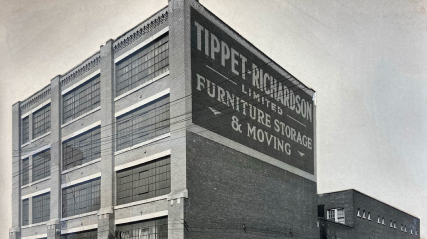
Tippet Richardson has supported moving and storage customers since 1927.
For an international residential move, that long operating history is most useful when combined with a careful assessment of your present circumstances: the Toronto property, the Melbourne destination, your household contents, your timing, and the level of support you want.
For households moving to Melbourne, written answers make decisions easier.
Make the First Meeting Useful
Before a consultation, prepare a rough inventory, photographs of larger items, your expected Toronto collection address, the Melbourne delivery address if known, and any dates that cannot move. Note whether you need packing, storage, special handling, or support for valuable belongings.
Be open about uncertainty. If your accommodation is not final, if your employment start date may change, or if you are deciding whether to ship furniture, say so.
When moving to Melbourne, ask who will coordinate each stage of the move. A good consultation can then explore options rather than building an estimate around assumptions that may not survive the move.
The right decision is not always to ship the largest possible volume. It is to choose a plan that fits your future home, protects important belongings, and gives you a realistic understanding of the work involved.
Wrapping Up
Moving to Melbourne from Toronto is a major residential change, but careful preparation makes it more manageable. Start with your likely home and lifestyle, create a disciplined inventory, clean and disclose items that may require attention, protect documents and essentials, and allow flexibility around shipment and delivery timing.
Shipping furniture to Australia can be worthwhile when pieces are valuable, suitable, and in good condition. It may be better to replace, donate, or store other items.
The right answer depends on your household rather than on a simple rule about what Canadians should or should not take. People moving to Melbourne should know how changes will be communicated.
Choose international movers who explain the process honestly, distinguish confirmed details from matters controlled by authorities or third parties, and keep your decisions visible throughout the move.
Tippet Richardson can help you assess the residential moving and storage requirements for your Toronto-to-Melbourne plans, drawing on nearly a century of experience while keeping the advice relevant to your specific household.
The next practical step is to prepare your inventory and arrange a conversation about the shipment, packing, access, storage, and destination arrangements. That gives you a clearer basis for deciding what to ship and how to move forward with confidence.