

Key Takeaways
- Start your moving to New Zealand from Canada checklist 6–12 months ahead to protect your choices and timing.
- Declutter before getting a final quote so you pay to move only what you truly need.
- Keep a precise inventory and prepare customs, biosecurity, insurance, and access details early.
- Pack essential documents, medicines, valuables, and immediate necessities separately from shipped goods.
- Choose an experienced residential international mover that explains the process clearly from Canada to delivery.
Moving to New Zealand from Canada is much easier when your checklist is organised by timing, shipment decisions, documentation, and delivery preparation. This guide follows the move from six to twelve months before departure through your first delivery in New Zealand.
A long-distance move from Toronto or another Canadian city involves more than packing boxes. Condo elevator bookings, winter access, storage, household inventories, customs information, biosecurity concerns, and the timing of your arrival all need to work together. The sections below show what to do at each stage, what to keep with you, and how to assess international moving services before you commit.
Moving to New Zealand from Canada Checklist: 6–12 Months Before
The first stage is about making informed decisions while you still have flexibility. You do not need every detail finalised immediately, but you should understand your likely destination, household volume, preferred timing, and the level of assistance you will need.
Confirm Your Destination and Moving Requirements
Start by confirming where you expect to live, whether your accommodation is permanent or temporary, and when you are likely to have access to the New Zealand property. A shipment that arrives before you have a suitable address may require additional planning, so do not treat the departure date as the only important date.
Review the personal documentation and entry requirements relevant to your circumstances through the appropriate New Zealand and Canadian authorities. Requirements can vary according to nationality, visa category, personal belongings, pets, vehicles, and other factors. Your mover can explain shipment-related paperwork, but immigration and entry decisions should be verified with the responsible authorities.
If you are moving to New Zealand from Toronto, note the practical details of your Canadian home early. A downtown condominium may require an elevator reservation, loading-zone coordination, proof of insurance, or restricted moving hours. An older Toronto house may have narrow stairs, limited parking, or access issues that affect the moving plan.
Declutter Before Requesting a Final Quote
The volume you ship affects the amount of packing, handling, transport, storage, and delivery work involved. Decluttering before the detailed survey gives you a more useful estimate and prevents the common mistake of paying to move items that are inexpensive or easy to replace in New Zealand.
Work room by room. Separate items into four groups: ship, sell or donate, dispose of, and store. Be especially selective with bulky furniture, duplicate kitchen equipment, low-value flat-pack pieces, and belongings that do not suit your new home.
Do not automatically discard specialist, sentimental, or high-value items simply because they are large. The right decision depends on replacement cost, emotional value, condition, dimensions, and whether the item can be safely packed and delivered. Discuss unusual or valuable belongings with the mover before deciding.
Compare International Moving Services
Obtain early advice from established companies that handle residential international moves. Ask whether the quote will be based on a detailed survey, whether packing is included, how the inventory will be recorded, what storage options exist, and which parts of the move are handled by the provider or its destination partners.
A low initial estimate is not useful if it is based on an incomplete list or excludes services you will later need. Compare the scope of work, communication process, protection measures, storage arrangements, and assumptions behind each estimate rather than comparing one figure alone.
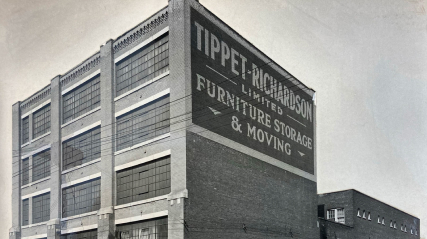
At Tippet Richardson, our nearly century-long history gives families a useful starting point when they need to plan a residential international move. The important question is not simply whether a company can collect your belongings, but whether it can explain the full process clearly and coordinate the details that affect your move.
Decide What to Ship, Store, Sell, or Replace
Create an initial household list before the survey. Include furniture, appliances, artwork, sporting equipment, tools, children’s belongings, books, electronics, and items in basements, garages, attics, and storage rooms. Hidden volume is one of the main reasons early estimates change.
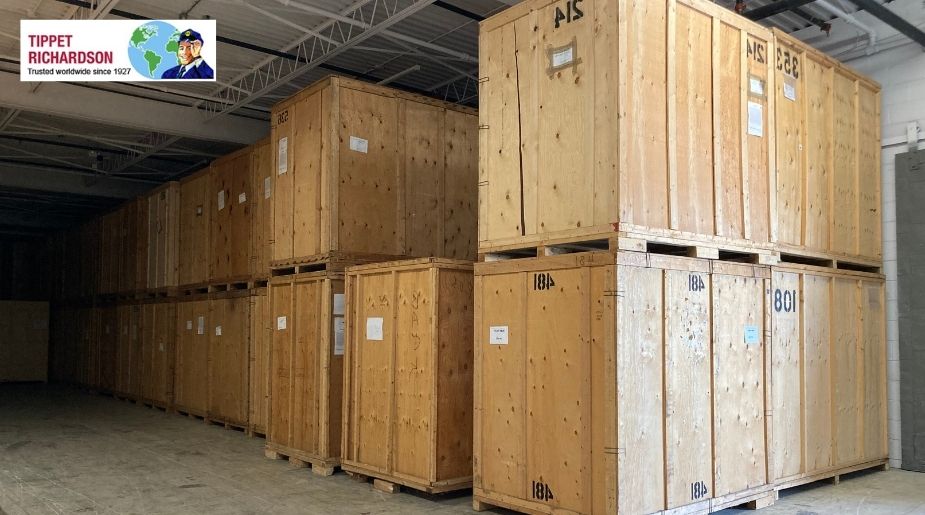
Consider storage if your New Zealand accommodation will be smaller, temporary, unfurnished, or unavailable at the time your Canadian home is cleared. Storage can also help when family members are moving on different schedules. Confirm who can access stored belongings, how items are protected, and how release and delivery will be arranged before you pack anything into storage.
Three to Six Months Before: Build a Reliable Moving Plan
By this stage, your move should shift from general research to documented decisions. Confirm the service scope, maintain one master inventory, and create a calendar that includes packing, property access, travel, and delivery planning.
Review the Quote and Service Scope
Read the quote carefully and ask what is included, excluded, estimated, or subject to change. Confirm the proposed packing service, collection details, storage arrangements, shipment documentation, destination delivery, unpacking expectations, and treatment of items that need special handling.
Ask how changes in volume, access, timing, or destination address will be managed. A professional quotation should give you a clear basis for comparison and identify information still required. Keep written records of decisions, revised inventories, and agreed contacts.
Insurance or valuation protection should be discussed before packing begins. Ask what protection is available, what information is required for high-value items, and whether particular goods need separate declarations. Terms can vary by move and provider, so read the applicable documents rather than relying on a verbal summary.
Create a Detailed Inventory
Your inventory should identify each significant item, its condition, and, where relevant, its approximate value. Photograph valuable or delicate belongings before packing, including existing marks or wear. This creates a useful record for planning and for checking the shipment later.
A practical inventory can include:
- Room and item description
- Quantity, approximate dimensions, and condition
- Photographs or notes for valuable, fragile, or unusual items
- Packing status and carton reference once packed
- Ownership, insurance, or documentation notes where relevant
Do not list only “boxes” or “miscellaneous household goods”. Specific descriptions are more useful for customs information, delivery checks, and your own unpacking plan.
Plan Packing and Protection
Decide whether you will pack everything yourself, use a professional packing service, or combine both approaches. Professional packing can be particularly valuable for glass, artwork, antiques, musical instruments, delicate furniture, electronics, and goods that will be handled repeatedly during an international move.
If you pack some items yourself, ask the mover which goods should be left for professional packing. Avoid sealing cartons containing questionable items until their contents have been reviewed. Used outdoor equipment, garden tools, shoes, camping gear, bicycles, and items with soil or organic residue deserve careful attention before packing.
Label cartons by room and contents, but do not put passports, financial documents, medication, jewellery, or other essential items into the shipment. Keep those items in your travel luggage or personal control.
Arrange Storage and Property Access
If you need storage services in Canada, decide whether it is a short bridge before departure, a longer-term arrangement, or a backup while you secure housing in New Zealand. Make sure your inventory distinguishes stored items from goods intended for immediate shipment.
For Toronto condos and managed buildings, contact the property manager early. Confirm booking procedures, elevator times, loading instructions, parking restrictions, insurance requirements, and the building’s rules for movers. For houses, check driveway clearance, street parking, stairs, gates, and weather-related access concerns.
A written access plan prevents a well-packed shipment from being delayed because the crew cannot reach the property or use the building facilities at the agreed time.
One to Three Months Before: Complete Documentation and Preparation
This is the stage when small omissions can create disproportionate stress. Keep personal travel documents separate from shipment paperwork, and prepare accurate information about the goods you are importing into New Zealand.
Organise Personal and Shipment Documents
Create a digital and paper file containing passports, visas or permits where applicable, travel details, the moving agreement, inventory, valuation or insurance documents, storage records, property contacts, and destination address information. Keep secure copies available while travelling.
Provide your mover with changes as soon as they occur. A new address, altered travel date, change in shipment contents, or different delivery contact can affect the plan. Do not assume that an update given to one person has reached every party involved; ask for confirmation through your designated moving services contact.
Check whether you need supporting documents for particular goods, such as receipts, ownership records, import information, or evidence relating to personal effects. Your requirements may depend on your circumstances and the type of item, so confirm details with the relevant New Zealand authorities and your moving coordinator.
Prepare for New Zealand Customs and Biosecurity
New Zealand has strict biosecurity controls designed to protect its environment and agriculture. Do not assume that an item is acceptable simply because it is clean, used, or legal to own in Canada. Requirements can change, and inspection decisions belong to the relevant New Zealand authorities.
Before packing, clean and dry outdoor, sporting, gardening, and camping items thoroughly. Pay particular attention to soil, seeds, plant material, food residue, insects, and animal-related products. Declare items when required rather than hoping they will not be noticed. If you are unsure, ask before packing and check current official guidance before departure.
Tell your mover about items that may require special review. A clear conversation early in the process is better than discovering a problem after the shipment has been packed or has reached New Zealand.
Separate Essential Luggage From Household Goods
Prepare a first-arrival bag for the period before your shipment is delivered. Include clothing for changing weather, toiletries, chargers, important medicines, basic kitchen or childcare necessities, and documents. Keep prescriptions and medically important items in your personal luggage and confirm any travel requirements that apply to them.
Your essential luggage may need to support more than the flight. Delivery timing can depend on your address, access, shipment processing, and other circumstances. Pack as though you may need to manage for a period without your household goods, without assuming a particular delivery date.
Confirm Insurance, Contacts, and Key Dates
Review your protection arrangements before the packing date. Make sure declared values are accurate and that you understand notification procedures if an item is damaged or missing. Keep photographs, inventory references, and contact details accessible after arrival.
Confirm the collection window, destination contact, temporary address if applicable, storage plan, and preferred delivery communication method. If you are renting, ask the landlord or property manager about delivery access, parking, lifts, stairs, and any restrictions on large vehicles.
Moving Week and Departure: Protect the Final Details
Moving week is not the time to make major shipment decisions if they can be settled earlier. Use this period to verify, label, document, and keep the home accessible so the packing and collection can proceed safely.
Complete the Final Packing Review
Walk through every room, cupboard, loft, shed, garage, balcony, and storage area. Check that items intended to travel are included and that goods excluded from the shipment have been removed or clearly marked. Separate rubbish, donations, cleaning supplies, and personal luggage from the moving team’s work area.
Keep your master inventory available and note carton references as packing is completed. If the packed volume is materially different from the earlier information, tell the moving coordinator promptly. Last-minute volume changes can affect the plan and may be harder to accommodate close to collection.
Do not pack passports, visas, cash, jewellery, keys, laptops needed for travel, essential medication, irreplaceable photographs, or documents required for your arrival. These should remain with you.
Prepare the Home and Moving Access
Protect floors and clear walkways where possible. Keep children and pets away from active packing and carrying areas. Ensure the team can reach the items being collected without moving hazards or unnecessary obstacles.
For a Toronto apartment, reconfirm the elevator booking and loading instructions shortly before the move. For a detached home, check parking, weather exposure, gates, stairs, and any construction or road restrictions. If someone else will provide access, give that person the moving company’s contact information and written authority where needed.
Keep Critical Items With You
Use one clearly identified personal bag for travel documents, medication, chargers, a change of clothes, toiletries, valuables, and immediate essentials. Keep it physically separate from cartons and do not place it in a vehicle or area that will be collected with the shipment.
Carry digital copies of your inventory and moving documents, but retain secure paper copies where practical. International travel can involve limited access to devices, batteries, or internet service at inconvenient times.
Confirm Handover and Departure Details
Before leaving Canada, record the condition of the property, return keys as required, settle utility and building arrangements, and provide a reliable destination contact. Make sure the moving coordinator knows how to reach you during travel and after landing.
If your New Zealand address is not yet final, explain the situation clearly and confirm what options are available for storage or later delivery. Do not provide an incomplete address simply to make the file appear finished.
A calm final handover is valuable. Most avoidable problems at this stage come from unclear access, missing documents, forgotten belongings, or essential items accidentally packed with the shipment.
Arrival in New Zealand: Prepare for Delivery
Arrival is the beginning of the delivery stage, not the end of the move. Your priorities are to remain reachable, provide accurate access information, respond promptly to customs or biosecurity questions, and make the new home ready for the shipment.
Set Up Your New Address
As soon as your accommodation is confirmed, provide the complete address, contact name, phone details, building instructions, and any access restrictions to your moving coordinator. If you move between temporary and permanent accommodation, confirm which address is intended for delivery and which items, if any, remain in storage.
Do not arrange delivery based only on an estimated arrival date. Confirm that the property is ready, that someone can receive the shipment, and that there is sufficient space for the moving team to work safely.
Prepare for Delivery Access
Check parking, driveways, gates, stairs, lifts, narrow entrances, and building booking rules. In a multi-unit building, reserve the lift if required and ask whether the building has delivery-hour restrictions. Measure tight doorways or stair turns before delivery if you are bringing large furniture into an unfamiliar property.
Tell the mover about road access, rural approaches, steep driveways, or temporary accommodation. A clear access description helps the delivery team plan appropriately and reduces surprises on the day.
Read Also: Shipping from Toronto to New Zealand: Sea Freight vs Air Freight
Inspect and Record the Shipment
Use your inventory as the shipment is delivered. Check carton counts and note visible damage before unpacking heavily handled or valuable items. Photograph concerns promptly and follow the notification process in your moving documents.
Unpack in stages rather than opening every carton at once. Set up beds, basic kitchen supplies, toiletries, work equipment, and children’s essentials first. Keep cartons and packing materials until you are satisfied that the contents are accounted for and you know what the provider’s removal or disposal arrangements are.
Manage Delayed or Stored Items
If some belongings remain in storage, maintain a separate list showing what has arrived and what has not. This prevents duplicate purchases and makes later delivery planning easier. Confirm how to request release, update the address, and arrange access when you are ready.
If customs, biosecurity inspection, documentation, or an address issue affects delivery, respond quickly and provide accurate information. Do not attempt to bypass an official requirement or conceal an item. Your mover can help explain the shipment process and communicate relevant information, while official authorities make their own decisions.
For families moving from Canada, the most useful arrival plan is practical rather than elaborate: a usable address, safe access, essential luggage, clear records, and one reliable point of contact.
How to Choose the Right International Moving Support
The quality of your experience will depend heavily on the planning before collection. A capable residential international mover should help you understand the sequence of work, identify information gaps, and keep the shipment record accurate as circumstances change.
Questions to Ask Before Booking
Ask who will conduct the survey, how the volume will be assessed, what the quote includes, and how revisions are handled. Confirm whether packing can be tailored to fragile or high-value goods, how your inventory will be maintained, and what storage choices are available if your destination home is not ready.
You should also understand how communication works during packing, collection, shipment processing, and destination delivery. Ask who your main contact is, how urgent changes are handled, and which details you are responsible for confirming with government or property authorities.
Useful questions include:
- What information is still needed before the quote can be finalised?
- Which belongings require special packing, documentation, or biosecurity attention?
- What happens if my destination address or delivery timing changes?
- How will storage, insurance, inventory checks, and damage reporting be explained?
- Which parts of the move are managed by Tippet Richardson and which involve destination partners?
Why Planning Quality Matters
International household moves involve several handovers and a long period between collection and delivery. A clear plan reduces the chance that a small error, such as an incomplete inventory or unavailable building access, becomes a larger problem later.
This is particularly important for premium residential moves, where careful handling and communication matter as much as transport. High-value belongings, artwork, antiques, electronics, and sentimental possessions deserve a plan based on their condition, size, protection needs, and destination access rather than a generic carton count.
Tippet Richardson has supported moving and storage requirements since 1927. For someone relocating to New Zealand from Canada, that experience is most useful when applied to practical decisions: what to ship, what to store, how to document it, and how to prepare the destination home.
Canada’s moving services market is forecast to record steady growth, with its value increasing from USD 6,330.2 billion in 2025 to USD 10,152.89 billion in 2034. The market is expected to grow at a 5.43% CAGR from 2026 through 2034.
When Professional Packing and Storage Add Value
Professional packing is worth considering when you have limited time, delicate contents, a large household, a tight collection schedule, or belongings that need specialist protection. It can also make the inventory process more consistent, particularly when several people are packing at once.
Storage can be sensible when your lease dates do not align, your New Zealand home is smaller, or part of the family is arriving later. The right choice depends on access, cost, duration, and the value of keeping certain items. Discuss the options before packing so that stored and shipped goods are clearly separated.
A free quote should be the start of a useful conversation, not simply a number. Give the mover an honest inventory, disclose access challenges, identify unusual items, and ask for assumptions to be explained. That is the best way to compare international moving services and choose support that fits your actual move.
Read Also: How Long Does It Take to Move from Toronto to New Zealand?
Wrapping Up
The best moving to New Zealand from Canada checklist is a working plan, not a document you read once and forget. Start early, reduce the shipment before the survey, record every important item, prepare for New Zealand customs and biosecurity requirements, protect essential luggage, and confirm access at both ends.
For a move from Toronto, add condominium rules, elevator reservations, parking, winter conditions, and storage timing to the plan. For any Canadian origin, make sure the quote reflects the real volume and service you need, and ask questions about packing, insurance, documentation, storage, and delivery before booking.
Tippet Richardson can help you assess your household shipment and plan residential international moving services with the care, communication, and practical preparation such a move requires. With experience dating back to 1927, our team understands that dependable moving support begins long before collection day. Use this checklist as your working guide, then request a detailed conversation based on your belongings, dates, origin property, and New Zealand destination.