- Moving to North Toronto is easiest when access, parking, building rules and timing are confirmed early.
- Choose local movers North Toronto residents can rely on for careful planning, communication and property protection.
- Condo, apartment and house moves require different preparation, especially for elevators, stairs, driveways and narrow streets.
- A detailed inventory and realistic moving quote help prevent last-minute surprises and unnecessary disruption.
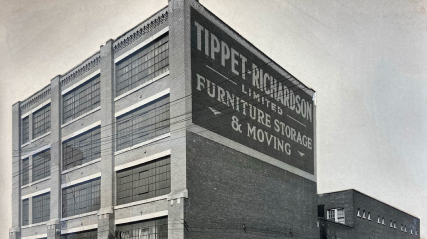
- Tippet Richardson brings nearly a century of moving experience to local Toronto relocations.
Moving to North Toronto becomes much easier when you plan the property access, parking, building requirements, packing and moving-day sequence before the first box is loaded. This guide explains how to organise a local move with fewer delays and less stress.
North Toronto includes a mixture of established neighbourhoods, detached houses, semi-detached homes, apartments and condominiums. Each property type creates different moving conditions, from tight staircases and older driveways to elevator bookings and limited curb space.
You will learn how to prepare your home, assess moving companies in North Toronto, organise moving day and settle in efficiently.
Moving to North Toronto: Start with a Practical Plan
A good local move begins with information, not packing tape. Before requesting a quote or choosing a moving date, identify what is changing between your current home and your new one.
The distance may be short, but access conditions can have a significant effect on the time, crew and equipment required.
Confirm Your Moving Dates and Property Access
Start by confirming the possession, closing or lease dates for both properties. If there is a gap between leaving one home and entering the next, you may need temporary storage rather than trying to coordinate an increasingly tight moving day.
If you are moving to North Toronto, share access restrictions before collection day.
For a house move, check driveway width, garage access, steps, gates, low branches and any restrictions on where a moving vehicle can stand. North Toronto streets can become difficult for large vehicles when parking is limited or several homes are being serviced at the same time.
For a condominium or apartment, contact the property manager or superintendent early. Ask about the moving hours, elevator reservation process, loading area, service entrance, protective floor coverings, insurance documentation and any move-in or move-out forms.
Building requirements vary, so confirm them directly rather than relying on assumptions. When moving to North Toronto, confirm the route through both properties.
Build a Home-by-Home Inventory
A useful inventory is more than a list of rooms. Record large furniture, fragile pieces, appliances, artwork, electronics, pianos, outdoor items and anything that may require special handling. Include approximate dimensions for unusually large items and note which pieces need disassembly.
This information helps a mover assess the amount of work involved. A three-bedroom house with a clear driveway may be simpler than a smaller apartment with a long corridor, a reserved elevator and several large pieces that must be carried down stairs.
When moving to North Toronto, assess furniture against your new home’s layout. Separate items that are moving from items being donated, sold, recycled or discarded. Moving possessions you no longer want adds handling time and increases the space required in the vehicle.
Set a Planning Deadline
Do not leave the important decisions until the final week. Ideally, you should confirm the moving company, access arrangements, packing needs and storage requirements well before moving day.
Your preferred date may be less flexible during busy periods, so early planning gives you more choice. Before moving to North Toronto, discuss any uncertainties openly with your moving coordinator.
A practical preparation schedule looks like this:
- Several weeks before: select the mover, confirm access and begin reducing what you will take.
- The week before: finish most packing, label rooms clearly and reconfirm building and parking arrangements.
- Moving day: keep essential documents, medication, chargers, valuables and a change of clothes with you.
A moving quote should reflect the actual circumstances of the move. When speaking with Tippet Richardson, provide clear information about both properties, access conditions, the inventory and any packing or storage support you may need. People moving to North Toronto should know how changes will be communicated.
What Should You Look for in Moving Companies in North Toronto?
The right local mover should do more than provide a vehicle and a crew. You are hiring a team to protect your belongings, work within property rules, communicate clearly and respond sensibly when a building, street or item presents an unexpected challenge.
Compare Planning Quality, Not Just Hourly Rates
A low initial price is not necessarily the lowest final cost. Ask how the company assesses the move, what information is included in the quote and which circumstances could affect the price.
When moving to North Toronto, compare what each estimate actually covers. The answer should be clear enough for you to compare providers fairly.
Look for a moving company that asks practical questions. How many stairs are involved? Is there a lift? Can the vehicle park close to the entrance?
Are there narrow doorways, long corridors or items that need dismantling? These questions indicate that the company is assessing the actual work rather than making a general estimate.
You should also understand what is included. Depending on your needs, this may involve loading, transport, unloading, basic protection, packing, unpacking, furniture disassembly or storage. Confirm the scope in writing and ask about any exclusions that matter to moving to North Toronto.
Assess Communication and Care Standards
Good communication is especially important for local moves because the schedule may depend on a building, a closing time, a parking arrangement or access to both addresses. A reliable mover should explain what you need to arrange and tell you what information the crew will receive before arriving.
Ask how fragile or high-value belongings will be handled. Valuable artwork, antiques, glass furniture, delicate electronics and sentimental objects should be identified before moving day.
Some items may require special preparation or a separate discussion about suitability and protection. If you are moving to North Toronto, compare the proposed scope rather than labels.
The best moving experience is usually the result of small details being addressed early. Protective materials, clear labels, a sensible loading order and a confirmed contact person can prevent avoidable damage and confusion.
Know When Specialist Support Is Worthwhile
You may be able to pack books, clothing and kitchen items yourself. Professional packing can be worthwhile when time is limited, when the home contains many fragile possessions or when you want the move prepared systematically rather than across several rushed evenings.
Similarly, storage can help when the new property is not ready, renovations are underway or you are downsizing before deciding what to keep.
Before moving to North Toronto, discuss any uncertainties openly with your moving coordinator. The important question is not whether storage is always needed, but whether forcing everything into one moving day creates unnecessary pressure.
Tippet Richardson has supported Toronto moves since 1927, including local residential moving, packing and storage services. The practical value is having one experienced team discuss the complete move rather than treating transport as the only consideration.
A clear quote and a realistic plan are more useful than an attractive estimate that does not account for the conditions at either property. When moving to North Toronto, ask who will coordinate each stage of the move.
Preparing Your House or Apartment for Moving Day
Preparation changes the pace of a move. When pathways are clear, boxes are labelled and access has been arranged, the crew can spend more time moving and less time solving preventable problems.
The preparation required depends on whether you are leaving a house, apartment or condominium. When moving to North Toronto, distinguish confirmed dates from tentative milestones.
Preparing a House Move
Walk through the route from each room to the exit. Remove loose rugs, toys, small tables and other items that could create trip hazards. Measure large furniture against doorways, stairwells and tight turns. If a piece only fits through one route, tell the moving team before moving day.
Protect items that will remain in the house, such as flooring, banisters and wall corners. If you are responsible for the property after the move, a clean and unobstructed route also makes final inspection easier.
Older North Toronto homes may have narrow staircases, uneven steps, additions with unusual access points or basement rooms reached through tight corridors.
When moving to North Toronto, ask who will coordinate each stage of the move. These features do not automatically prevent a move, but they should be considered when the moving plan is prepared.
Preparing an Apartment or Condominium Move
Apartment movers North Toronto customers choose need to work within the building’s systems as well as the residence itself. Reserve the elevator for the correct time, confirm where the vehicle may stop and find out whether the building requires a certificate or other documentation.
Use labels that identify both the destination room and the priority of the box. For example, “Kitchen—Open First” is more useful than a label that only says “Kitchen”.
A clear access plan can reduce delays when moving to North Toronto. Keep a separate essentials bag with documents, medication, toiletries, basic tools, snacks and phone chargers.
Avoid filling corridors or common areas with boxes before the scheduled move unless the building permits it. In a condominium, even a small obstruction can affect other residents and may lead to delays.
Decide What to Pack Yourself
Self-packing can reduce the amount of professional time required, but it must be done carefully. Use strong cartons, avoid overfilling, keep heavier items at the bottom and cushion fragile pieces individually.
Mark boxes containing breakable contents clearly, but do not assume a label replaces proper packing. If you are moving to North Toronto, identify fragile items before packing begins.
If you use professional packing, discuss the scope in advance. You may want the entire home packed, or only fragile items, artwork, kitchenware and selected rooms.
A focused service can be useful when you have time to organise ordinary items but want specialist care for possessions that are easier to damage.
Do not pack items that should travel separately with you, such as important papers, jewellery, cash, medication or irreplaceable personal items. If you are unsure about a particular item, ask the mover before packing it.
For families moving to North Toronto, a detailed inventory clarifies what needs special care. A well-prepared home gives the crew a safer working environment and gives you a clearer view of what is being moved.
It also makes unpacking easier because the inventory and room labels remain meaningful after arrival.
Moving Day in North Toronto: Access, Timing and Protection
Moving day is where preparation is tested. Local distance does not eliminate risk; it can simply make access, timing and property coordination more visible. The most successful moves begin with a short review of the plan and a clear understanding of who is responsible for each arrangement.
Confirm the Arrival Route and Parking
Before moving to North Toronto, measure any tight passageways for larger items. Before the crew arrives, confirm where the vehicle should stand and how the team will reach the entrance.
If curb space is limited, the distance between the vehicle and the door may affect how the move is carried out. Do not assume a space will remain available because it was open during an earlier visit.
Where permits, restrictions or building instructions apply, verify them with the relevant authority, property manager or superintendent. For households moving to North Toronto, parking and entry arrangements deserve early checks. Requirements can differ by street and property, and the mover cannot control every parking or access decision.
Keep the entrance, hallway, lift and main walking route clear. If weather is poor, allow for extra protection around floors and thresholds. Wet footwear, snow, salt and debris can create hazards in shared buildings and private homes.
Load in a Sensible Order
The loading sequence matters. Clear communication can make moving to North Toronto easier to manage.
Heavy and stable pieces are generally positioned to support the load, while fragile or priority items need to be protected and placed appropriately. Furniture that requires disassembly should be prepared before the vehicle becomes crowded.
Tell the crew which boxes or items you need first at the new home. This may include a cot, bedding, essential kitchen items, work equipment or mobility aids.
A simple priority plan helps the unloading process match the way you intend to use the home that evening. For households moving to North Toronto, written answers make decisions easier.
Keep keys, access cards, closing documents and contact information with you rather than in a box. Take photographs of valuable or delicate items before the move if you want a personal record of their condition.
Manage Unexpected Changes Calmly
A lift may become unavailable, a closing may take longer than expected or furniture may not fit through the planned route. The best response is to pause, reassess and communicate.
People moving to North Toronto should know how changes will be communicated. Rushing a difficult item through a doorway is more likely to cause damage than taking time to consider another approach.
Tippet Richardson’s moving coordinators can help clarify the information needed before a local residential move, while the crew can assess conditions on site.
No moving plan can remove every variable, but thorough preparation makes changes easier to manage. Clear communication can make moving to North Toronto easier to manage.
Settling Into Your New North Toronto Home
The move is not finished when the vehicle arrives. A controlled unloading process, a quick condition check and a sensible first-night plan can make the difference between feeling settled and facing a house full of uncertainty.
Direct the Unloading Clearly
Use room labels and tell the crew where larger pieces should go. When moving to North Toronto, keep immediate essentials separate from packed belongings.
It is usually easier to place furniture correctly while rooms are empty than to move it again after boxes have been opened. If you are uncertain about a layout, choose a temporary position that keeps pathways clear.
Check closets, storage areas, balconies and the garage before the crew leaves. Confirm that boxes have reached the correct rooms and identify any items that require follow-up.
For Canadians moving to North Toronto, a first-week plan can ease the transition. Keep the inventory or moving documentation accessible while you do this.
Create a First-Night Area
Set aside a small group of essentials before the main unloading begins. Include bedding, towels, toiletries, basic food, water, cleaning supplies, chargers, important medication and a few tools. If children or pets are moving, prepare their essentials separately so they are not lost among the cartons.
Do not try to unpack the entire home immediately. For households moving to North Toronto, written answers make decisions easier.
Start with the rooms that affect daily life, such as bedrooms, the bathroom and the kitchen. Flatten cartons as they are emptied, but keep packing materials until you are certain nothing needs further protection.
The Canadian moving services market was valued at USD 9.06 billion in 2024 and is projected to reach USD 14.08 billion by 2033, expanding at a compound annual growth rate (CAGR) of 5.05% during the forecast period.
Deal with Storage or Delayed Decisions
If furniture or boxes do not have a clear place, avoid forcing them into unsuitable rooms.
Temporary storage may provide breathing space while renovations finish, family members decide what to keep or a new layout becomes clearer. For households moving to North Toronto, storage can provide flexibility when dates differ.
Storage can also be useful during a staged move. For example, a homeowner may move essential belongings first, complete work at the new property and bring in remaining furniture later. Whether this is suitable depends on the access arrangements, timing and condition of the items.
Local movers North Toronto customers trust should help you think through these choices before moving day. At Tippet Richardson, our nearly century-long history is grounded in careful planning and dependable service rather than treating every move as identical.
The goal is not simply to place everything inside the new address. It is to arrive with your belongings protected, your priorities understood and the next stage of settling in under control.
Wrapping Up
Moving to North Toronto is a local relocation, but it still deserves detailed planning. Confirm property access, parking, elevator arrangements and building requirements early. Build an accurate inventory, decide what you will pack yourself and explain fragile or unusually large items before requesting a quote.
When comparing house moving services North Toronto residents may consider, look beyond the headline price.
Assess how carefully the company asks about your homes, how clearly it defines the work, how it communicates and whether it can support related needs such as packing or storage when appropriate. When moving to North Toronto, ask who will coordinate each stage of the move.
A practical move plan reduces delays, protects your belongings and makes the first evening in your new home more manageable. Tippet Richardson has been serving moving customers since 1927, giving Toronto households the benefit of experience when they need local moving support.
Your next step is to gather the property details and inventory, then request a quote based on the actual conditions of your move.