

- Moving to Quebec from Ontario is manageable when timing, access, paperwork, and provincial differences are planned together.
- Ontario to Quebec moving costs depend mainly on distance, shipment size, access conditions, packing, storage, and timing.
- A written inventory and a detailed assessment produce a more useful moving quote than a rough room count alone.
- Quebec’s language, housing, parking, elevator, vehicle, and service requirements should be reviewed before moving day.
- Experienced Ontario to Quebec movers can reduce avoidable delays by coordinating preparation, transport, delivery, and communication.
Moving to Quebec from Ontario requires more than loading a truck and crossing a provincial boundary; you need a coordinated plan for your belongings, home access, paperwork, timing, and settling-in tasks. This guide explains the practical decisions that affect the move, from Ontario to Quebec moving costs to choosing the right long distance movers.
The move can be straightforward, but small oversights—such as failing to reserve a lift, underestimating the size of a delivery entrance, or postponing provincial administration—can create unnecessary pressure. You will learn how to prepare your home, evaluate quotes, manage Toronto and Quebec access issues, organise fragile or valuable belongings, and decide when professional moving support is worthwhile.
Moving to Quebec From Ontario Guide: What Makes the Move Different?
Moving between Ontario and Quebec is a domestic move, but it still crosses important provincial and practical boundaries. The best plan accounts for the route, the properties at both ends, the contents being moved, and the tasks you will need to complete after arrival.
Understand the Main Planning Differences
The first difference is distance. A move from Toronto to Montreal is very different from one from Ottawa to Gatineau, Kingston to Quebec City, or a smaller Ontario community to a rural Quebec destination. The distance affects transport planning, scheduling, crew requirements, fuel, and the amount of flexibility available if the dates change.
The second difference is the housing stock. In Toronto, movers regularly work with condominiums that require lift reservations, loading dock bookings, certificates or building procedures, limited parking, and strict move windows. Montreal has many walk-up apartments, narrow staircases, older buildings, and streets where access can be difficult. Quebec City and smaller communities may present different parking, driveway, and delivery conditions.
Do not judge access by the number of rooms. A modest apartment on a fourth floor without a lift can take more time than a larger ground-floor home with a clear driveway. Share photographs, measurements, stair details, parking information, and building instructions during the assessment.
Consider Language and Communication Early
French is the official language of Quebec, and the language used by landlords, property managers, utilities, schools, public offices, and local service providers may affect your first weeks after arrival. This does not change the moving process itself, but it can affect how easily you confirm building rules, arrange access, and handle settlement tasks.
Keep important information together in one place. Include your lease or closing documents, building contacts, access instructions, inventory, insurance details, and the names of people authorised to make decisions on moving day. If another household member or property manager will be present, make sure everyone has the same schedule.
Decide What Should Not Travel With the Shipment
Before requesting a quote, separate items that should remain with you from items that can go on the moving vehicle. Personal documents, medication, keys, jewellery, essential electronics, and a few days of clothing should normally travel with you rather than inside the main shipment.
Also identify items that require special discussion. Pianos, artwork, antiques, safes, wine collections, delicate electronics, exercise equipment, and unusually large furniture may require different preparation or handling. An experienced moving team can assess these items more accurately when you disclose them before the quote is prepared.
At Tippet Richardson, our coordinators use the details of the household and both properties to help plan a move that reflects the actual conditions, rather than treating every Ontario to Quebec move as identical.
How Much Does Moving From Ontario to Quebec Guide Cost?
Ontario to Quebec moving costs vary by household, route, timing, access, services, and shipment size. A responsible estimate should be based on the belongings being moved and the conditions at both addresses, not simply on a low advertised starting figure.
The Main Factors Behind Your Estimate
The largest cost factors usually include the volume and weight of the shipment, the distance between addresses, the number of movers required, and the work involved at each property. Packing, unpacking, disassembly, reassembly, storage, special handling, and difficult access can change the scope of the work.
Timing matters as well. Summer, month-end, weekends, holidays, and periods of high demand may have less availability and different pricing than quieter dates. If your dates are flexible, ask how alternative dates affect the estimate. Flexibility can be useful, but it should never replace a clear delivery plan.
Access deserves particular attention. A downtown condominium may require a long carry from the loading area, while a Quebec apartment may involve stairs, a tight entrance, or a restricted street. These conditions affect time and labour even when the quantity of furniture is unchanged.
Why An In-Home or Detailed Assessment Helps
A detailed assessment allows the moving company to identify the furniture, cartons, fragile items, appliances, and special pieces that will travel. It also gives you an opportunity to discuss what you will pack yourself and what you would prefer the movers to handle.
Prepare a room-by-room inventory before the assessment. Include items in closets, cupboards, basements, garages, sheds, balconies, storage lockers, and attics. Hidden volume is a common reason that a rough estimate becomes less useful later.
Ask the company to explain what the quote includes. Confirm whether packing materials, packing labour, furniture protection, disassembly, reassembly, storage, stairs, long carries, and additional stops are included or treated separately. You should also ask how changes to the inventory or access conditions are handled.
Compare Quotes on Scope, Not Just Price
A lower figure may reflect fewer services, an incomplete inventory, different assumptions about access, or a less suitable schedule. Compare quotations line by line and look for clarity about the shipment, origin and destination addresses, services, timing, and terms.
Be cautious if a quote is prepared without meaningful information about the contents or the properties. The more complex the move, the more important it is to understand how the estimate was developed. Keep copies of your inventory and written communications so changes can be discussed promptly.
Professional Ontario to Quebec movers should be able to explain the practical assumptions behind the estimate in plain language. Tippet Richardson can discuss long distance moving requirements, packing needs, storage timing, and special handling as part of planning the move, so you can compare options with a clearer understanding of the work involved.
How Should You Prepare Your Home And Moving Day Access?
Good preparation protects your belongings and gives the moving crew a realistic opportunity to complete the work safely. For an Ontario to Quebec move, preparation starts at the origin and continues through delivery, particularly when one or both homes are in a condominium, apartment, older building, or busy urban area.
Confirm Building Requirements At Both Addresses
Contact the property manager or landlord well before moving day. Ask about the permitted moving hours, lift reservations, loading areas, parking, security deposits, insurance documents, service entrances, floor protection, and rules for using common areas. Requirements differ from building to building, so do not rely on what was required at your previous home.
For a Toronto condominium, a reserved lift and legal loading location may be essential. In Montreal, a walk-up, narrow street, or limited curb access may require more careful timing and a longer carry. At the Quebec destination, confirm whether a moving vehicle can approach the entrance and whether a smaller vehicle or alternate unloading arrangement may be needed.
Put every confirmed instruction in writing. Send the moving company the building contact, booking time, loading instructions, parking information, access codes, and any restrictions. A missed reservation can affect the whole day, especially when the shipment must leave on a planned schedule.
Prepare Furniture And Walkways
Complete decluttering before the final inventory. Donate, sell, recycle, or dispose of items you no longer want to transport. Moving unwanted furniture adds cost and can make access more difficult at both homes.
Label rooms according to the destination home, not only the room they came from. “Main bedroom” may be enough for one person but less useful if the new home has several bedrooms or a different layout. Mark cartons containing essentials and keep them accessible for arrival.
Protect walkways from loose rugs, wet floors, snow, ice, and other hazards. Clear corridors, stairs, driveways, and entrances. Secure pets and arrange care for young children so the crew can work without avoidable interruptions.
Create An Arrival-Day Plan
The first evening is easier when you know where essential items are. Keep a separate arrival bag with clothing, toiletries, chargers, medication, basic kitchen items, important documents, and tools. Carry irreplaceable documents and high-value personal items yourself unless a different arrangement has been discussed.
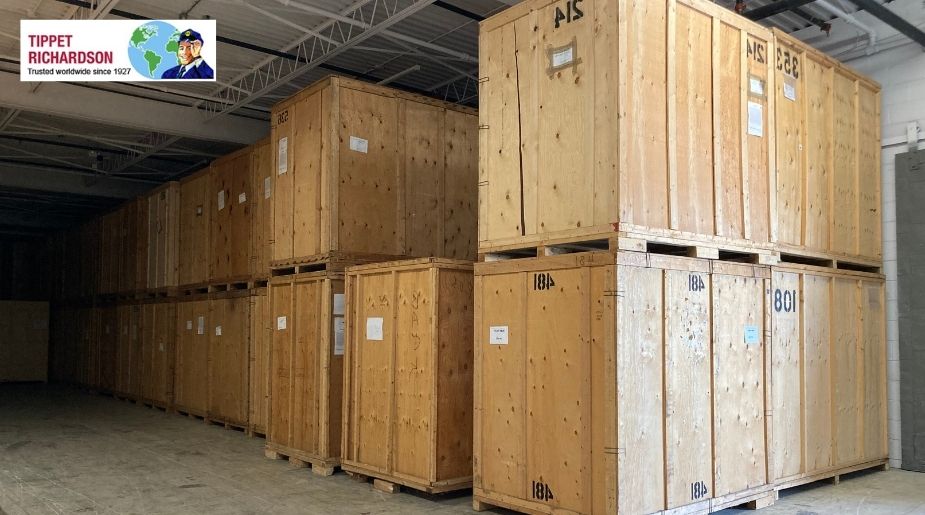
If the new home will not be ready when the Ontario residence must be vacated, ask about storage before the move begins. Temporary storage can prevent rushed decisions, but it should be planned around access, inventory, and the later delivery date. Make sure you understand how stored items will be released and delivered under the agreed arrangements.
At Tippet Richardson, we encourage clients to discuss the complete sequence—packing, collection, storage if needed, transport, and delivery—rather than focusing only on the loading date. That approach helps identify timing gaps before they become moving-day problems.
What Paperwork And Settlement Tasks Should You Plan?
Relocating from Ontario to Quebec involves administrative work that is separate from the physical move. Requirements and deadlines can vary according to your circumstances, so use current information from the relevant provincial or municipal authority and keep evidence of each change you make.
Update Your Address In Stages
Make a list of organisations that need your new address. It may include financial institutions, insurers, employers, schools, subscriptions, professional associations, government services, and people who regularly send important correspondence.
Do not wait until moving day to begin. Some updates are immediate and simple; others may require identity verification, supporting documents, an appointment, or a change to an account. Forwarding mail can help during the transition, but it should not be treated as a substitute for updating each important account.
Keep a record of the date each update was submitted. Save confirmation numbers, emails, and documents in a secure digital folder and a physical file that travels with you.
Review Health, Vehicle, And Driving Requirements
Ontario and Quebec have different provincial systems and service providers. Review the current requirements for health coverage, driver licensing, vehicle registration, plates, insurance, and tax or residency matters that apply to your situation. The correct process may depend on your arrival date, vehicle ownership, family circumstances, and other factors.
Your insurer should know when the vehicle is being moved and when it will be used at the new address. If you are transporting a vehicle or arranging separate transport, confirm the service scope and required documents in advance rather than assuming the moving company handles provincial registration.
For health and government services, consult official Quebec sources before leaving Ontario. Requirements can change, and a moving company should not be treated as a substitute for legal, tax, immigration, or government advice.
Plan For The First Week In Quebec Guide
Think beyond the truck. Confirm utilities, internet, keys, parking permits, school arrangements, pet records, medication refills, and access to essential services. If you are moving into a rental, document the condition of the property and keep your lease and inspection information together.
If French-language correspondence may affect an appointment or building arrangement, identify who can help you understand important instructions. A little preparation can prevent missed bookings and make the first week less tiring.
Your moving inventory can also help with settlement. Photograph valuable or delicate belongings before packing, keep purchase records where available, and note any items that need immediate attention after delivery. This is particularly useful for artwork, antiques, collections, and sensitive equipment.
How Do You Choose The Right Ontario To Quebec Movers Guide?
The right mover is not simply the company with the lowest estimate. You need a provider whose service, communication, equipment, packing approach, storage options, and experience match the actual conditions of your move.
Ask Questions That Reveal The Moving Plan
When speaking with long distance movers in Ontario, ask how they assess the shipment, how they handle changes, how they protect furniture, and how they coordinate collection and delivery. Request clear explanations of what is included and what could create an additional charge.
Useful questions include:
- What information do you need to prepare an accurate estimate?
- How will condominium, apartment, stair, parking, or long-carry conditions be addressed?
- Who will be my main contact before collection and during the move?
- What preparation is recommended for fragile, valuable, unusually large, or delicate items?
- What options are available if my new home is not ready on the original date?
The answers should be specific to your move. General assurances are less useful than a clear explanation of the steps, responsibilities, and assumptions.
Check The Scope Of Packing And Protection
Packing may be full-service, partial, or self-managed. Decide which approach fits your time, budget, and comfort with fragile items. Self-packing can reduce the amount of professional work, but it also means you must source suitable materials, pack consistently, label accurately, and protect delicate items appropriately.
If movers are packing, clarify whether they are handling only breakables, selected rooms, or the full household. Ask how furniture will be wrapped and how finished floors, walls, lifts, and doorways will be protected. High-value items deserve an early conversation about preparation, valuation, documentation, and handling arrangements.
Look For Communication And Continuity
Long distance moves involve more time between collection and delivery than a local move. Clear communication becomes especially important if your possession date changes, a building alters its access window, or the destination home is not ready.
Choose a company that documents the plan and gives you a practical point of contact. Keep the final inventory, quote, schedule, building instructions, and contact information together. Notify the mover quickly if the shipment changes; adding a large item at the last minute may affect space, labour, or timing.
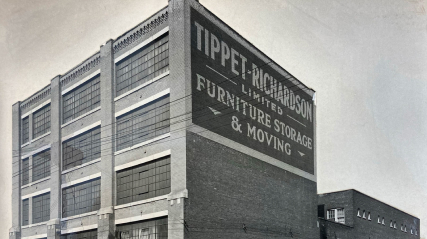
Tippet Richardson has supported Canadian families for nearly a century, with moving and storage services shaped around careful planning and dependable handling. For a move from Ontario to Quebec, that experience is most useful when applied to your particular homes, belongings, access conditions, and dates—not as a generic promise.
Know When Professional Support Is Worthwhile
Professional help is particularly valuable when you have a large household, a tight closing schedule, fragile or high-value items, difficult building access, limited packing time, or a need for storage. It may also be worthwhile when the move is emotionally demanding and you want one coordinated plan rather than several separate arrangements.
A smaller, flexible move may suit a self-managed approach if you have suitable transport, reliable help, uncomplicated access, and enough time. Compare the complete commitment, including packing materials, driving, loading, unloading, insurance, time away from work, and the risk of damage or delay. The cheapest apparent option is not always the least expensive overall.
Wrapping Up
Moving from Ontario to Quebec Guide is easiest when you plan the physical move and the provincial transition as one project. Start with a complete inventory, confirm access at both homes, review the services included in each estimate, and investigate address, health, vehicle, insurance, and other administrative requirements using current official information.
Ontario to Quebec moving costs should be compared on scope and suitability, not only on the first number you receive. A detailed assessment helps account for packing, stairs, lifts, parking, storage, fragile belongings, special handling, and the real conditions at the destination.
If you are comparing Ontario to Quebec movers, choose a team that communicates clearly, records the plan, and is prepared to discuss the practical risks before moving day. Tippet Richardson’s nearly century-long history in moving and storage reflects the value of steady planning and careful service when your home and belongings are making a major change.
The next step is to prepare your inventory, confirm your preferred dates, gather the access details for both addresses, and request an estimate based on the actual move. With those details in hand, you can make a confident decision about moving to Quebec from Ontario and begin the transition with fewer surprises.