

- Moving to Szczecin from Toronto requires coordinated planning for transport, documents, housing, and arrival.
- Szczecin offers a calmer Polish city setting with strong regional and European connections.
- Your moving cost depends on shipment volume, packing, transport method, timing, access, and destination requirements.
- A detailed inventory and early document review can prevent avoidable delays and unexpected charges.
- Experienced international movers can help protect your belongings while keeping the move organised from Toronto to Poland.
Moving to Szczecin from Toronto is easier when you plan the shipment, paperwork, housing, and first weeks in Poland as one connected move rather than as separate tasks. This guide explains how to prepare for a Toronto to Szczecin relocation, what affects the cost, and how to choose international moving services with confidence.
Szczecin has its own practical considerations. It is a port city in north-western Poland, close to the German border, with a different pace, housing market, transport network, and administrative process from Toronto. Whether you are relocating for family, work, retirement, or a long-term change of lifestyle, the quality of your preparation will have a direct effect on how smoothly your belongings arrive and how quickly you settle in.
Moving to Szczecin from Toronto: What the Move Involves
Moving internationally is not simply a longer version of a local move. Your belongings pass through several stages, and decisions made in Toronto can affect collection, transport, clearance, delivery, and placement in Szczecin. Understanding the full process helps you compare quotations properly and avoid judging providers on price alone.
Start With Your Reason for Moving and Your Arrival Date
Your intended arrival date should guide the entire plan. A person moving into a furnished apartment may need only personal effects, while a family establishing a permanent home may decide to ship furniture, appliances, books, artwork, and sentimental items. Those choices affect volume, packing time, transport arrangements, and the type of support you need at destination.
Try to separate your belongings into three groups: items needed soon after arrival, items suitable for shipment, and items that are better sold, donated, recycled, or stored in Toronto. Sending everything can be expensive and may create unnecessary work at the other end. On the other hand, disposing of useful furniture too quickly can leave you replacing items after arrival at a higher overall cost.
A practical example is a Toronto household moving into temporary accommodation in Szczecin. Shipping every possession immediately may not be sensible if the permanent home has not been confirmed. In that situation, short-term storage in Canada, a smaller initial shipment, or staged delivery may deserve consideration.
Build an Accurate Household Inventory
An inventory is more than a list for your own reference. It helps a moving company understand the shipment, identify delicate or high-value belongings, prepare suitable packing materials, and produce a more realistic quotation. Include approximate dimensions for large pieces, the number of cartons, and any item that needs special handling.
Flag belongings such as pianos, antiques, artwork, collections, computers, glass furniture, sports equipment, and unusually heavy objects. Tell the mover about narrow stairways, lifts, underground parking, loading restrictions, or long carries at both addresses. In Toronto, a condominium move may require advance lift booking and specific arrival procedures. In Szczecin, the delivery address may involve street access, staircases, restricted parking, or a building without a lift.
Do not wait until packing day to mention these details. A last-minute discovery can affect the crew, equipment, packing method, and delivery plan.
Decide What Happens Before Collection
Before the move begins, complete a realistic decluttering exercise. Ask whether each item is worth transporting, storing, replacing, or giving away. Replacement value is not the only consideration; sentimental importance, availability in Poland, quality, and the cost of buying a comparable item all matter.
At Tippet Richardson, our coordinators use the inventory and property information to understand the move before planning the work. That conversation is especially useful when a household includes fragile, high-value, or unusually large possessions. The goal is not to encourage you to ship more, but to help you make informed choices about what should travel with you.
Toronto to Szczecin moving plans are easier to price when the shipment is settled early. Changes are still possible, but late additions can affect space, packing materials, collection arrangements, and the final cost.
Why Szczecin May Suit Your New Life in Poland
Choosing a destination is separate from arranging transport, but the two decisions are connected. Your type of home, neighbourhood, work arrangements, family needs, and access to services will influence how much you ship and how the delivery should be planned. Szczecin can appeal to people who want a Polish city with water, green areas, established neighbourhoods, and access to the wider region without living in one of Poland’s largest metropolitan areas.
Think Beyond the Address
Before booking a shipment, confirm the practical details of your new home. Check whether the property is furnished, whether there is space for your larger furniture, and whether the building can accept a delivery vehicle. Ask the landlord, property manager, or building administrator about lift dimensions, loading times, parking, and any restrictions on moving work.
A street address alone does not tell a moving team everything it needs to know. A flat on an upper floor with no lift can require a different carrying plan from a ground-floor house with a private drive. A central urban address may have easier access for residents but less room for a large vehicle. These conditions should be discussed before the quotation is finalised.
If your home is not ready, identify a realistic alternative. Possible arrangements may include holding belongings in storage, delivering only essential effects first, or changing the destination once the property is confirmed. The available options depend on the shipment and agreed service, so ask for the consequences of each choice in writing.
Read also: Moving from Toronto to Katowice: Costs, Tips, What to Expect
Plan for the First Weeks After Arrival
The first delivery is not the only milestone. You may need time to register locally, arrange utilities, collect keys, buy household essentials, and learn how your new neighbourhood works. Keep passports, identity documents, medication, chargers, valuables, essential clothing, and important records with you rather than placing them in the main shipment.
Create an arrival bag for each household member. Include items for several days, basic toiletries, weather-appropriate clothing, and any documents required for your personal circumstances. If children or pets are travelling, prepare their essentials separately as well.
It is also sensible to keep a digital copy of your inventory, quotation, packing records, and important correspondence. Copies should be stored securely and remain accessible while you travel.
Consider the Difference Between a Permanent and Staged Move
A permanent relocation usually involves more household goods and a stronger need for careful packing and delivery coordination. A staged move may be better when you are testing a new job, waiting for a home purchase, or moving before the rest of your family.
Neither option is automatically cheaper or easier. A smaller first shipment may reduce immediate transport costs but could mean buying duplicate household items. A single larger shipment may be more efficient for your belongings but requires greater certainty about the destination property and delivery timing.
Discuss these trade-offs before you make irreversible decisions. A professional assessment should help you compare the practical result of each option, not just the initial price.
How Should You Prepare for a Toronto to Szczecin Relocation?
The strongest international move plans begin months before the collection date, particularly when the household contains a large volume of furniture or items requiring specialist attention. A clear timetable gives you room to make decisions, obtain documents, confirm access, and address changes without placing unnecessary pressure on the final week.
Create a Personal Moving Timetable
Begin by setting the target arrival period, then work backwards. The exact sequence will vary, but your plan should allow time for the following:
- Confirm your destination address or a suitable interim arrangement.
- Complete an inventory and decide what to ship, store, sell, or donate.
- Review the moving quotation and ask what is included or excluded.
- Arrange packing, collection access, building permissions, and parking where needed.
- Prepare personal documents, travel essentials, and items that will not enter the shipment.
The earlier you begin, the more opportunity you have to compare options and deal with unexpected issues. International moving services involve more coordination than a Toronto apartment move because the shipment may pass between service teams, transport stages, and authorities.
Review Documents and Personal Requirements Early
Your right to live in Poland, any residence process, and the documents you may need are personal matters. Requirements can vary according to citizenship, purpose of stay, family circumstances, and current rules. Check official Polish and Canadian sources for advice relevant to your situation rather than relying on general moving information.
Your moving provider may need shipment information, identity details, inventories, or declarations connected with the transport process. Ask what information is required, when it is needed, and who is responsible for each step. A mover can explain the moving process and documentation it handles, but it should not replace official immigration, tax, or legal advice.
Keep documents consistent. Differences between names, addresses, inventories, and values can create questions at an inconvenient time. If circumstances change, notify the mover promptly rather than waiting until collection.
Prepare the Toronto Property
Toronto homes and condominiums often create access issues that are easy to underestimate. Confirm the lift booking, loading location, building time window, parking permissions, security procedures, and any requirement to protect common areas. Older houses may have tight stairways, low doorways, or steps that affect the removal of large furniture.
Measure large pieces before deciding to ship them. A sofa that fits comfortably in a Toronto home may not fit through the entrance or stairwell of a Szczecin flat. If an item requires dismantling, ask whether that work is included and whether it will be reassembled at delivery.
Clear pathways before the crew arrives. This protects your belongings, reduces handling risks, and helps the team work efficiently.
Treat Packing as Risk Reduction
Professional packing is not merely placing items in cartons. It involves selecting suitable materials, protecting surfaces, separating vulnerable pieces, labelling contents, and building a clear record of what is packed. Long-distance handling exposes items to more movement and more transfers than a short local move, so preparation matters.
You may choose to pack some non-fragile items yourself, but clarify the effect on responsibility, protection, and the quotation. Fragile goods, artwork, antiques, electronics, and complex furniture usually deserve a more deliberate approach. Photograph valuable or distinctive items before packing and retain copies of appraisals, receipts, or ownership records where available.
Never pack prohibited or unsuitable items without first checking. Hazardous materials, perishable goods, certain plants, and other restricted articles may not be accepted or may require special treatment. Ask the moving company about the items in question before they are placed in a carton.
Understanding the Cost of Moving to Szczecin
The cost of moving to Szczecin cannot be determined responsibly from distance alone. A quotation should reflect the shipment, the work required at both properties, the transport arrangement, and any special circumstances. The lowest initial figure may not represent the lowest total cost if important services are excluded.
What Commonly Affects the Price
The main factors usually include the volume and nature of the goods, the origin and destination addresses, the level of packing, access conditions, timing, storage needs, and any specialist handling. A small shipment of cartons is a different project from a fully furnished home with artwork, a piano, or difficult access.
Your quotation may also depend on whether you need services such as professional packing, furniture disassembly, storage, delivery to a particular room, unpacking, or removal of packing materials. Availability and requirements can vary, so ask the provider to explain the scope clearly rather than assuming that every quotation uses the same basis.
The most useful comparison is not simply the total figure. Compare what each provider has understood about your inventory and addresses, which services are included, how changes are handled, and how communication will work throughout the move.
Read also: Moving to Zurich from Toronto: Planning Your International Move
Ask the Questions That Reveal the Real Scope
Before accepting a quotation, confirm whether it is based on a visual or virtual survey, a written inventory, or an estimate that may change after inspection. Ask how additional goods, difficult access, storage, special packing, and changes to the destination will be treated.
You should also understand the coverage and claims process applicable to your shipment. The terms may depend on the service, the items, and the documentation provided. Ask for the relevant conditions before the move, especially for valuable or fragile belongings. Do not assume that ordinary household goods, self-packed items, or articles of unusual value are treated in the same way.
A transparent discussion at the beginning is more useful than a reassuring but vague answer. Experienced international movers should be willing to identify uncertainties and explain what needs confirmation.
Choose Value Rather Than a Low Number
A low quote can be appropriate when the shipment is small and straightforward. It can also be incomplete when it does not account for packing, access, storage, documentation, or delivery conditions. Conversely, a higher quote may reflect more preparation and protection, but a higher price alone does not prove better service.
Look for evidence that the provider has understood your actual move. Does the plan address the Toronto building? Has anyone discussed the Szczecin property? Are fragile items identified? Is there a clear contact for questions? Are the assumptions visible?
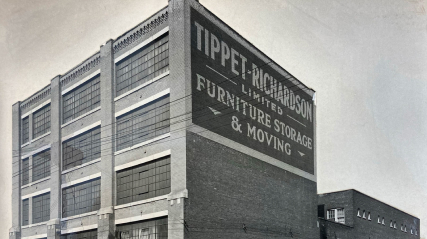
At Tippet Richardson, our role is to help households understand the choices behind an international residential move. Our nearly century-long history does not remove the need for careful planning; it reinforces why detailed preparation, clear communication, and responsible handling matter on every move.
Choosing International Moving Services for Poland
The provider you select will influence more than the transport of your belongings. A capable moving partner should help you identify practical risks before collection, explain the service scope, communicate when circumstances change, and coordinate the move through its key stages. This is particularly important when you are moving abroad to Szczecin and cannot easily solve a problem in person from Toronto.
Assess Experience Through Specific Questions
Ask how the provider will assess your inventory, access, packing needs, and destination arrangements. Find out who will coordinate the move and how you will receive updates. You should not need to chase several unrelated contacts to understand what is happening.
Ask whether the company handles residential international moves of the type you need and whether it can support storage, packing, high-value items, or other relevant requirements. Service availability should be confirmed for your specific shipment rather than assumed from a general website description.
Be cautious of anyone who promises a fixed outcome without asking about the goods, addresses, documents, or timing. A professional answer may include conditions or questions. That is often a sign that the provider is taking the real circumstances seriously.
Protect Communication Across Time Zones and Locations
Clear communication is valuable before, during, and after collection. Confirm your preferred contact method, the information you will receive, and what happens if the destination address or arrival circumstances change. Save all important correspondence and keep one current inventory version.
Use plain descriptions for unusual items. “Large cabinet” may mean something different to different people, while dimensions, weight, material, and photographs provide a more reliable basis for planning. Tell the mover if an item is particularly sentimental, delicate, irreplaceable, or difficult to replace.
If you will not be present in Szczecin, arrange an authorised contact who understands the delivery instructions. Confirm who can accept the shipment, inspect items, sign documents, and report concerns according to the agreed process.
Plan for High-Value and Fragile Belongings
High-value belongings need more than a label. Consider their condition, documentation, packing requirements, access, and the consequences of damage or delay. Artwork, antiques, collections, heirlooms, and specialist equipment may require individual assessment.
Keep irreplaceable personal items with you whenever practical. A mover can plan careful transport, but no shipping method can replace an item with unique sentimental value. For items that must travel, ask about packing, handling, valuation information, and the relevant terms before the shipment is collected.
A short conversation about one fragile item can reveal the quality of the overall planning process. The provider should be able to explain what information is needed and what decisions remain yours.
Understand Your Responsibilities
A moving company can coordinate transport and related services, but you remain responsible for providing accurate information, identifying restricted items, preparing required personal documents, and following applicable official requirements. Rules may differ according to your circumstances and can change, so verify current requirements with the appropriate authorities.
Do not pack passports, immigration papers, medication, cash, jewellery, or essential electronics into the main shipment without a clear reason and agreement. Keep them accessible during travel. Maintain a separate list of what is travelling with you and what is being transported.
Settling Into Szczecin After Your Belongings Arrive
Delivery is an important milestone, but settling in continues after the truck leaves. A little preparation can make the first days more manageable, particularly if you are learning a new administrative system, arranging a home, or adapting to a different language and routine.
Organise the Delivery Day
Ensure the property is ready before delivery. Confirm keys, building access, lift arrangements, parking, and a safe place for the crew to work. If the home is still being renovated or cleaned, tell the moving coordinator in advance. A delivery into an unfinished property may require different decisions from a standard household move.
Keep the inventory and delivery documents available. Check items as they are placed, note any visible concerns according to the applicable process, and ask questions promptly. Do not leave all cartons unopened indefinitely if you need to identify a problem within a particular period under the agreed terms.
Decide where essential furniture should go before the crew arrives. Clear instructions can reduce unnecessary handling and help you start unpacking sooner.
Unpack in Stages
Begin with the items that make the home functional: beds, basic kitchen supplies, towels, work equipment, and children’s essentials. You do not need to unpack every carton on the first day. A simple room-by-room plan will help you avoid opening boxes repeatedly and losing track of smaller items.
Label cartons by room and priority during packing. A carton marked “first evening” is more useful than one marked only with a general category. Keep documents, chargers, tools, and basic cleaning supplies together so they do not disappear into the wider shipment.
If unpacking is included in your chosen service, confirm the scope in advance. There can be a difference between placing furniture, unpacking cartons, assembling items, and removing packing materials.
Give Yourself Time to Adjust
Moving abroad to Szczecin involves practical and emotional change. You may be learning how local services operate, finding trusted tradespeople, building a social network, and adapting to different shopping, transport, or school routines. It is normal for the first weeks to feel less settled than expected.
Make a list of tasks that must happen immediately and another list for later. This prevents administrative work from competing with basic household needs. Ask local authorities or qualified advisers about matters specific to your residence, tax, healthcare, driving, employment, or family situation.
If your move includes storage, keep a dated record of the items held and review whether you still need them after you have lived in the new home for a while. Staged decisions are often easier once you understand the space and your daily routine.
When to Speak With a Moving Expert
Speak with a moving expert before booking if your shipment includes a large home, unusual access, high-value belongings, storage, a changing address, or a tight preferred arrival period. Early advice can identify questions that are difficult to solve after packing has begun.
At Tippet Richardson, we can discuss the practical requirements of international residential moving services and determine what information is needed to assess your move. The most useful conversation is specific: the inventory, both properties, your timing, your documents, and the decisions you have not yet made.
Wrapping Up
Moving to Szczecin from Toronto is a major personal transition, but the moving process becomes more manageable when you treat it as a sequence of decisions. Start with the destination home and arrival plan, create an accurate inventory, prepare both properties, review the scope of the quotation, and keep official requirements separate from general moving advice.
The cost of moving to Szczecin depends on the work involved, not just the distance. Packing, access, storage, fragile belongings, shipment volume, timing, and destination conditions all deserve attention. Comparing providers on the detail of their plan is more useful than comparing headline prices alone.
If you are relocating from Toronto to Poland, Tippet Richardson can help you explore the practical requirements of an international residential move, including packing, storage, careful handling, and move coordination where appropriate to your shipment. With experience built over nearly a century, our focus remains the same: prepare carefully, communicate clearly, and handle your belongings responsibly from the first discussion through delivery.