

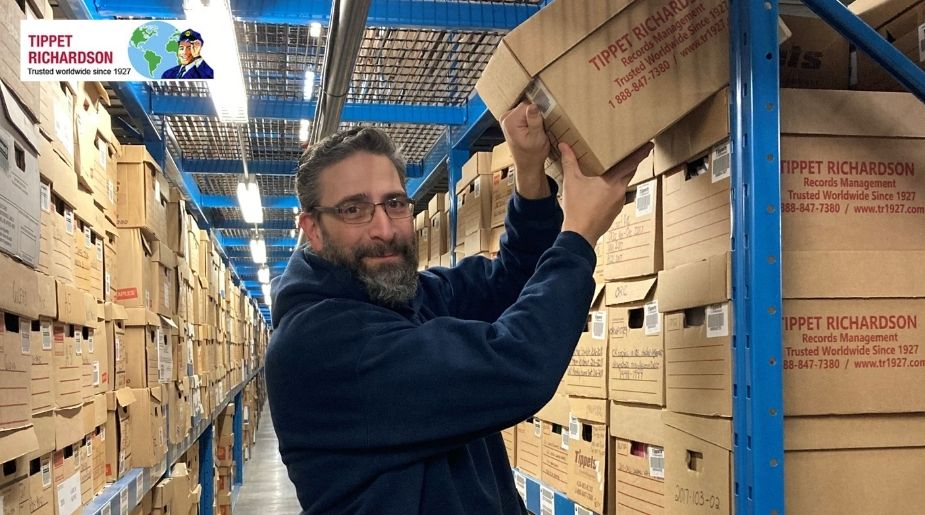
- Off-site document storage helps Ontario law firms safeguard confidential records while maximizing valuable office space for daily operations.
- Legal records require organized tracking, controlled access, secure retrieval processes, and careful handling throughout their retention lifecycle.
- Secure file storage Toronto law firms rely on should support confidentiality, efficient file organization, and dependable access whenever documents are required.
- Records storage services help law firms separate active files from archived records while maintaining control, visibility, and accessibility.
- Tippet Richardson supports law firms with consultative storage planning, structured file intake processes, and proudly Canadian service expertise.
Off-site document storage helps Ontario law firms protect confidential legal records while keeping files organized, accessible, and easier to manage.
Law firms handle information that carries real responsibility. Client identification records, wills, litigation files, real estate documents, corporate agreements, estate records, and archived correspondence all require careful handling. When these files sit in crowded office cabinets or unsecured storage rooms, risk grows quietly over time.
For firms in Toronto and across Ontario, off-site document storage offers a practical way to protect records without placing added pressure on office space. It supports confidentiality, improves file control, and helps legal teams maintain a clearer process for retaining and retrieving documents.
Tippet Richardson, proudly Canadian and based in Toronto, supports professional organizations that need dependable records storage services with a tailored, consultative approach. For law firms, that matters because every file represents trust, responsibility, and client confidence.
Why Off-Site Document Storage Matters for Ontario Law Firms
Off-site document storage is especially important for law firms because legal records often remain active or referenceable for years after a matter closes.
A closed file may still need to be retrieved for a client question, a regulatory requirement, a related matter, or an internal review. When files are scattered across office shelves, banker boxes, basements, or overflow rooms, access becomes slower and less reliable.
A professional approach to document storage in Toronto brings order to that process. Instead of letting archived files consume valuable office space, firms can create a structured system that supports security, retrieval, and long-term file control.
Growing Legal File Volumes
Ontario law firms generate and retain large volumes of records. Even firms that use digital systems still manage physical originals, signed documents, exhibits, closing books, estate materials, and older archived files.
Without off-site document storage, these records can quickly overwhelm internal space. Filing cabinets expand. Storage rooms fill. Staff spend more time searching for files than serving clients or supporting lawyers.
A better structure allows firms to separate active files from archived records. This creates a cleaner office environment while helping teams understand where each file belongs and how it should be accessed.
Confidentiality and Client Trust
Confidentiality is central to legal work. Law firms need to know that sensitive documents are not exposed to unnecessary access, damage, or misplacement.
Secure file storage in Toronto should support restricted handling, organized tracking, and clear file movement procedures. These safeguards reduce uncertainty and help firms maintain stronger control over sensitive records.
With off-site document storage, archived files can be managed in a more intentional way. Instead of relying on informal office habits, firms can use a more consistent process that supports professional responsibility and client trust.
Better Use of Office Space
Office space in Toronto is valuable. Using professional work areas to store inactive files can limit productivity and make the workplace feel cluttered.
Records storage services help law firms reclaim that space for people, meetings, collaboration, and client service. Archived documents remain available, but they no longer need to occupy areas designed for daily legal work.
This is where Tippet Richardson’s Toronto presence becomes helpful. Firms can work with a proudly Canadian provider that understands local business expectations and supports practical planning for physical record storage.
The Legal Risks of Poor Document Storage
Off-site document storage helps reduce risks that often appear when legal records are kept in unsecured, overcrowded, or poorly tracked environments.
Document storage is not only about space. For law firms, it affects confidentiality, continuity, staff efficiency, and the ability to respond when a file is needed. Weak storage practices can create problems that are stressful, disruptive, and damaging to client relationships.
Client Confidentiality Concerns
Client confidentiality is one of the strongest reasons law firms need a structured storage process. Sensitive records should not be left in areas where access is unclear, informal, or difficult to monitor.
Unauthorized Access
Legal files may contain personal, financial, corporate, medical, family, and estate information. If those files are stored in shared office areas, open shelves, or rooms with broad staff access, confidentiality becomes harder to control.
Secure document storage in Toronto should limit unnecessary exposure. Access should be intentional, documented, and aligned with how the firm manages sensitive records.
Off-site document storage gives law firms a more disciplined way to separate archived records from daily office activity. That separation can help reduce casual access while keeping files available when properly requested.
Handling Gaps
Poor handling often happens when there is no clear process. A box may be moved without a record. A file may be borrowed and not returned. A matter may be mislabelled or stored in the wrong place.
These small gaps add up. Over time, they can create delays, confusion, and avoidable risk for legal teams.
Lost, Damaged, or Misfiled Records
Legal records need protection from both major incidents and everyday office mistakes. A misplaced file, damaged box, or unclear filing system can create avoidable pressure for staff and lawyers.
Environmental Exposure
In-office storage rooms are not always designed for long-term document protection. Files may be exposed to water leaks, heat, dust, pests, or accidental damage during office changes.
Off-site document storage can provide a more suitable environment for archived records. It allows law firms to move files away from spaces that were never intended for long-term record protection.
Misfiling and Retrieval Delays
A misplaced legal file can disrupt a workday quickly. Staff may lose hours searching through boxes, cabinets, or storage closets. In urgent situations, that delay can affect client service.
Records management services in Toronto should include organized file identification and retrieval support. A structured system helps reduce guesswork and gives teams more confidence when requesting archived material.
Retention and Disposal Challenges
Retention planning is another area where informal storage can create unnecessary complexity. Law firms need to understand what they have, where it is stored, and when records may need review.
Unclear Retention Practices
Law firms need to keep certain files for appropriate periods, but retaining everything indefinitely can create its own burden. More records mean more storage pressure, more search time, and more documents that must be managed responsibly.
Offsite records storage management can support clearer organization around what is stored, where it is located, and when files may need review. Tippet Richardson can provide guidance around storage planning so firms can build a practical internal process around retention decisions.
Secure End-of-Life Handling
When records reach the end of their retention period, confidential handling remains important. Disposal should never feel casual or improvised.
A professional records process helps firms prepare for secure destruction decisions when appropriate. That supports better control from the first day a file enters storage to the point when it no longer needs to be retained.
Business Disruption During Emergencies
Unexpected disruptions can make file access difficult when firms need records most. A stronger storage plan helps reduce uncertainty during office interruptions or emergency situations.
Fire, Water, and Office Interruptions
Unexpected events can affect access to records. Fire, flooding, building issues, break-ins, or office closures can make in-office files difficult or impossible to reach.
Off-site document storage supports continuity by keeping archived records in a separate, professionally managed environment. This gives firms another layer of protection when the office itself is disrupted.
Planning With Less Uncertainty
Law firms work best when processes are clear. Knowing where records are stored, how they are tracked, and how retrieval works can reduce stress during urgent situations.
For Toronto law firms, working with Tippet Richardson can help create a more organized approach to records storage services without forcing a one-size-fits-all process.
What Secure Off-Site Document Storage Should Include
Off-site document storage should give law firms confidence that records are protected, organized, and retrievable when needed.
Not every storage option is suitable for legal files. Law firms should look for professional support that reflects the sensitivity of their records and the importance of dependable access.
Controlled Access and Monitored Storage
Controlled access is essential for sensitive legal files. A firm should have confidence that records are stored in a professional environment where handling is deliberate and access is not casual.
Restricted Entry
Legal files should not be stored in spaces where access is casual or unclear. Controlled access helps reduce unnecessary exposure and supports a more professional records environment.
Secure document storage in Toronto should place strong emphasis on file protection, facility oversight, and careful handling procedures.
Purpose-Built Organization
Archived records need more than a place on a shelf. They need a system. Boxes and files should be arranged in a way that supports retrieval, tracking, and long-term management.
That is one reason off-site document storage can be valuable for law firms. It helps replace informal storage habits with a more deliberate records structure.
Tracking and Inventory Visibility
Tracking gives law firms clearer control over archived files. When records are properly identified and organized, retrieval becomes easier and internal uncertainty decreases.
File Identification
A strong records process should make it easier to know what has been stored and where it is located. Clear identification reduces the chance of misplaced files and supports faster retrieval.
For firms comparing secure file storage in Toronto, tracking should be a central consideration. It connects storage with daily usability.
Retrieval Confidence
When a lawyer, clerk, or administrator requests a file, the process should feel dependable. The firm should not have to rely on memory, handwritten notes, or repeated searches.
Tippet Richardson supports a consultative approach, helping Toronto firms think through how records should be organized before they move off site.
Secure Retrieval and Chain of Custody
Secure retrieval matters because stored records may still be needed for active work, client questions, audits, or internal reference. The process should balance accessibility with careful control.
Careful File Movement
Legal records may need to move between the firm and the storage provider. That movement should be handled with care and accountability.
Off-site document storage should include clear procedures for requesting, locating, transferring, and returning files. This helps law firms maintain better control over sensitive records throughout the process.
Documented Handling
Chain-of-custody practices create a clearer record of file movement. For legal environments, that clarity can be especially valuable because files often contain sensitive or time-sensitive information.
A professional provider offering records management services in Toronto should understand that access and security must work together.
Support for Long-Term Records Planning
Long-term records planning helps firms avoid clutter, confusion, and uncontrolled retention. The right storage partner should help create a process that can adjust as the firm’s needs change.
Scalable Storage
A firm’s storage needs can change as matters close, teams grow, or office space changes. The right provider should support flexibility rather than forcing a rigid arrangement.
Off-site document storage allows firms to adjust their physical records approach as needs evolve. This is helpful for law firms managing both legacy files and ongoing matter archives.
A Canadian Partner in Toronto
Tippet Richardson brings a proudly Canadian presence to document storage in Toronto for firms that value local support, careful planning, and professional coordination.
For Ontario law firms, that combination matters. Secure records are not just stored away; they are managed with purpose, protected with care, and kept accessible for the moments when the firm needs them.
How Tippet Richardson Supports Law Firms From Toronto
Off-site document storage works best when it is supported by a provider that understands the importance of confidentiality, organization, and long-term records planning.
Law firms need more than additional space for archived files. They need a structured approach that helps maintain file integrity, supports efficient retrieval, and aligns with internal records procedures. As a proudly Canadian company based in Toronto, Tippet Richardson works closely with organizations that require dependable records storage services and professional support for managing important business records.
Secure File Storage Toronto Law Firms Can Plan Around
Legal records require careful handling from the moment they leave the office until they are retrieved again. A thoughtful storage strategy reduces uncertainty and helps firms maintain better oversight of archived files.
Supporting Confidential Record Protection
Law firms manage some of the most sensitive information in any industry. Client matters, legal agreements, estate documents, and historical records all require appropriate protection throughout their lifecycle.
Secure file storage Toronto firms choose should support a controlled environment that helps maintain confidentiality while ensuring records remain accessible when needed. Off-site document storage provides a practical solution for firms seeking greater control over archived files without dedicating valuable office space to long-term storage.
Creating Structure Around Archived Files
As records accumulate over time, organization becomes increasingly important. A structured storage system helps reduce confusion, supports retrieval requests, and makes it easier to manage records consistently.
Tippet Richardson helps organizations create an orderly approach to off-site document storage so archived files remain manageable and accessible as storage requirements evolve.
Records Storage Services Tailored to Legal Workflows
Every law firm has unique filing practices, retention expectations, and operational requirements. Storage solutions should accommodate those realities rather than forcing firms into a standardized model.
Supporting Different Practice Areas
Legal records vary significantly between practice areas. Real estate files, litigation records, estate documents, corporate agreements, and family law matters often have different storage and retention considerations.
Records storage services should provide the flexibility necessary to support these varying requirements. A tailored approach helps firms maintain better organization while accommodating the way they already manage client records internally.
Aligning Storage With Internal Processes
Effective off-site document storage should complement existing workflows. When storage procedures align with internal filing systems, retrieval requests become simpler and staff can work more efficiently.
By taking a consultative approach, Tippet Richardson helps organizations develop storage arrangements that fit naturally within their existing records practices.
Consultative Planning for File Intake, Access, and Retention
A successful records strategy begins long before the first box enters storage. Planning helps firms establish consistency and avoid future administrative challenges.
Organizing Records Before Storage
Proper preparation can significantly improve long-term record management. Categorizing files, identifying storage requirements, and establishing retrieval expectations all contribute to a more effective storage program.
Offsite records storage management becomes easier when records are organized thoughtfully from the outset. This approach helps firms maintain clarity around what has been archived and how records can be accessed when required.
Supporting Long-Term Retention Objectives
Retention planning plays a critical role in legal record management. Firms need a practical way to identify archived files while maintaining control over retention timelines and future review requirements.
Tippet Richardson works with organizations to support structured storage planning that contributes to a more organized and sustainable records program.
Proudly Canadian Service for Ontario Businesses
Choosing a local provider often brings advantages that extend beyond convenience. Familiarity with Ontario businesses and regional expectations can help support smoother communication and service coordination.
Local Understanding and Accessibility
Organizations across Ontario often prefer working with providers that understand their operating environment. This can contribute to more responsive service and stronger long-term relationships.
As a Toronto-based company with deep Canadian roots, Tippet Richardson understands the importance of protecting sensitive business records while providing practical support for evolving storage requirements.
Supporting Ontario Law Firms With Confidence
For legal professionals, confidence in records management processes is essential. Off-site document storage supports that confidence by creating a structured environment where archived records remain organized, protected, and accessible.
That combination helps Ontario law firms focus more attention on serving clients while maintaining stronger control over important records.
Offsite Records Storage Management for Better Daily Efficiency
Off-site document storage is often associated with record protection, but it also delivers meaningful operational benefits for law firms.
A well-organized records program can reduce administrative burdens, simplify retrieval processes, and create a more productive work environment. When archived records are managed effectively, staff spend less time searching for files and more time supporting legal work.
Faster Access to Archived Legal Files
Archived records retain value long after matters are closed. Law firms frequently need access to historical documents for reference, compliance, client inquiries, or ongoing legal proceedings.
Reducing Search Time
Locating files becomes more difficult when records accumulate across multiple cabinets, storage rooms, or office locations. An organized storage strategy helps eliminate much of that inefficiency.
Off-site document storage supports quicker retrieval by creating a structured environment for archived records. Staff can spend less time searching and more time focusing on higher-value responsibilities.
Improving Responsiveness
Clients expect timely answers when requesting information related to past matters. Having an organized records system helps firms respond more effectively when archived files are needed.
Records management services Toronto organizations use should contribute to faster access without compromising confidentiality or record control.
Less Pressure on Office Space
Office environments function best when workspaces are dedicated to active business activities rather than long-term record storage.
Creating More Functional Work Areas
As firms grow, physical records often compete with employees for space. Filing cabinets, storage boxes, and archive rooms can gradually consume areas intended for productive work.
Off-site document storage helps law firms reclaim valuable office space while maintaining access to important records when required.
Supporting Workplace Organization
An organized workplace can contribute to improved efficiency and a better professional environment. Removing inactive records from primary work areas reduces clutter and creates a cleaner operational structure.
Records storage services provide an effective way to support those goals while maintaining proper record accessibility.
Cleaner Internal Filing Processes
Consistency is one of the most important elements of effective records management. Organized procedures help reduce errors and improve file visibility.
Encouraging Better Record Organization
When firms know which records belong on-site and which belong in storage, filing practices often become more consistent. This clarity helps reduce confusion and supports more efficient record handling.
Offsite records storage management creates an opportunity to establish clearer distinctions between active and archived records.
The Canada moving services market, valued at USD 9.06 billion in 2024, is anticipated to achieve USD 14.08 billion by 2033, supported by consistent growth throughout the forecast period.
Improving Administrative Efficiency
Administrative staff frequently spend significant time managing files. A more organized storage system helps streamline those responsibilities and supports smoother day-to-day operations.
Document storage in Toronto becomes more effective when it is integrated into a broader records management strategy.
Better Support for Hybrid Legal Teams
Work environments continue to evolve, and many firms now operate with a combination of in-office and remote personnel.
Supporting Flexible Access Requirements
Hybrid work arrangements often increase the need for structured file management. Teams require confidence that records can be located and retrieved efficiently regardless of where employees are working.
Off-site document storage supports this objective by creating a centralized and organized approach to archived records.
Maintaining Consistency Across Teams
A structured records process helps ensure that everyone follows the same procedures when requesting, retrieving, or managing archived files.
For law firms seeking long-term efficiency improvements, a well-planned storage strategy can support both operational consistency and stronger records control.
Choosing the Right Document Storage Toronto Provider
Off-site document storage is only as effective as the provider supporting it. Selecting the right partner can have a significant impact on security, accessibility, organization, and long-term records management success.
Law firms should evaluate providers carefully to ensure their storage needs are supported both today and as requirements change in the future.
Experience With Sensitive Business Records
Not all records carry the same level of sensitivity. Legal files often require a higher degree of care and attention than general business documents.
Understanding Confidential Information
Providers that work with sensitive records understand the importance of confidentiality, careful handling, and controlled access procedures.
Secure document storage Toronto firms consider should reflect the professional standards expected within the legal industry.
Supporting Long-Term Record Stewardship
Archived legal files may remain in storage for extended periods. Providers should be prepared to support ongoing organization, accessibility, and responsible record management throughout that lifecycle.
Off-site document storage becomes more valuable when supported by a provider that recognizes the long-term importance of record stewardship.
Clear Retrieval and Tracking Processes
Accessibility is just as important as security. Records should be protected, but they should also remain available when firms need them.
Visibility Into Stored Records
A well-organized storage program helps firms understand what records have been archived and where those records are located.
Secure file storage Toronto organizations rely on should include processes that support clear file identification and retrieval.
Dependable Retrieval Procedures
Law firms often need archived files quickly. Providers should have established procedures that help facilitate efficient retrieval while maintaining proper record control.
Off-site document storage should make file access easier rather than introducing additional administrative complexity.
Flexible Records Management Services Toronto Firms Can Scale
Storage needs rarely remain static. As firms grow, merge, relocate, or expand practice areas, record volumes often increase.
Adapting to Business Growth
A scalable storage solution helps firms manage changing requirements without disrupting established records processes.
Records management services Toronto organizations choose should provide enough flexibility to support future growth while maintaining operational consistency.
Supporting Evolving Requirements
Legal record management needs can change over time. Providers should be capable of supporting adjustments in storage volumes, retrieval patterns, and organizational structures.
This flexibility helps ensure off-site document storage continues delivering value as business needs evolve.
Secure Document Storage Toronto Businesses Can Trust
Trust is a critical factor when selecting a storage provider. Organizations need confidence that records will be handled professionally and consistently.
Prioritizing Security and Organization
A strong provider combines record protection with practical accessibility. Security measures should support confidentiality while allowing firms to retrieve files when needed.
Secure document storage Toronto law firms evaluate should demonstrate a commitment to both protection and usability.
Working With a Trusted Toronto Partner
Tippet Richardson brings decades of experience supporting organizations with records storage services and document storage in Toronto. Through a consultative approach, the company helps clients create structured storage strategies that support organization, accessibility, and long-term records management objectives.
For Ontario law firms, choosing the right provider can help transform off-site document storage from a simple storage solution into an important part of a broader records management strategy.
Wrapping Up
Off-site document storage gives Ontario law firms a stronger way to protect confidential records, reduce office clutter, and maintain better control over archived files.
For legal teams, document storage is never just about where boxes are kept. It affects client confidentiality, file access, retention planning, and daily efficiency. A disorganized storage process can slow staff down, create uncertainty, and make sensitive records harder to manage with confidence.
Tippet Richardson supports law firms and professional organizations from Toronto with a consultative, proudly Canadian approach. With records storage services designed around organization, accessibility, and careful handling, firms can build a storage process that fits the way they work.
For Ontario law firms reviewing secure file storage Toronto options, off-site document storage can be an important step toward a cleaner office, stronger records control, and better long-term planning.