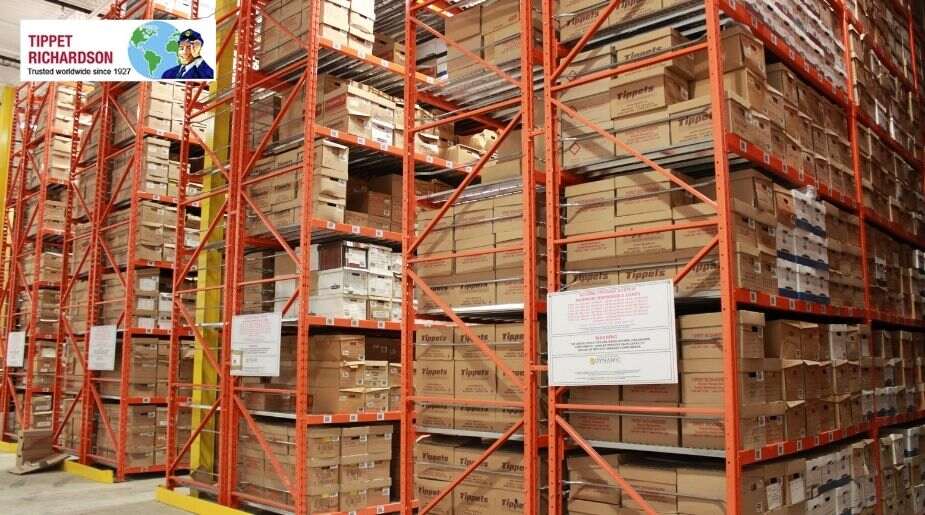


Managing your business records with a clear records retention schedule is vital for Ontario businesses. Knowing how long to keep records protects your company and keeps you compliant with laws like PIPEDA and PHIPA.
Whether you operate a small Toronto startup or a larger GTA firm, the rules around document retention can be complex. At Tippet Richardson, we’ve helped many businesses implement effective records management services to avoid costly errors and legal issues. This guide will clarify what documents to keep, how long to keep them, and how you can stay compliant with Ontario’s legal framework.
Why a Records Retention Schedule for Ontario Businesses Is Crucial
A clear records retention schedule is more than just paperwork—it’s a cornerstone of compliance and efficiency for Ontario businesses. With federal and provincial laws like PIPEDA, PHIPA, and the Archives and Recordkeeping Act shaping retention requirements, staying on top of these rules is critical. Without a well-defined schedule, businesses risk legal penalties and operational chaos.
Toronto and GTA companies especially face complexity due to overlapping regulations. From our experience at Tippet Richardson, we’ve seen that a robust records management services strategy prevents costly mistakes and safeguards sensitive information. Plus, it streamlines your workflow and reduces unnecessary storage expenses.
Legal and Regulatory Requirements Impacting Ontario Businesses
Ontario businesses must navigate a layered framework of records management laws. The Archives and Recordkeeping Act establishes provincial standards for record keeping and disposal. Meanwhile, PIPEDA governs how personal information is collected, used, and retained across Canada. PHIPA specifically covers the protection of personal health information in Ontario.
These laws set mandatory retention periods and specify how records must be handled to protect privacy rights. For example, PHIPA requires secure handling and destruction of medical records, while PIPEDA emphasizes consent and transparency in data retention. Compliance isn’t optional; it’s a legal mandate that can affect your company’s standing and reputation.
Risks of Non-Compliance and Poor Records Management
Failing to comply with records retention laws can lead to serious consequences. Regulatory bodies may impose hefty fines and penalties for improper record handling or inadequate retention. Beyond finances, poor records management can result in lost documents during audits, legal disputes, or client investigations.
Moreover, disorganised records increase operational inefficiencies and heighten security risks. Sensitive information might be exposed if disposal schedules aren’t followed. Businesses can suffer reputational damage that’s hard to repair, which is especially detrimental in competitive markets like Toronto.
Benefits of Professional Records Management Services in Toronto
This is where professional records management services prove invaluable. At Tippet Richardson, we help Toronto and GTA businesses develop tailored retention schedules aligned with legal requirements. Our experts organise your records for easy retrieval and ensure secure disposal following compliance rules.
Partnering with a trusted service provider reduces administrative burden and mitigates risks. We provide ongoing monitoring and adapt retention policies as legislation evolves, so your business stays compliant without constant oversight. With secure storage solutions and precise disposal schedules, your company benefits from efficiency, privacy protection, and peace of mind.
By establishing a thoughtful and compliant records retention schedule, Ontario businesses can meet legal demands while optimising operations. Professional support like Tippet Richardson’s records management services in Toronto ensures your document handling respects both regulatory standards and practical business needs.
Records Retention Schedule Ontario Businesses Need to Follow
A comprehensive records retention schedule is a must-have for Ontario companies. It clearly defines how long you keep each type of business record and how to handle them. Without it, your compliance and operational efficiency can suffer.
A detailed policy lets you meet legal requirements, plan storage space, and organise timely disposal. Let’s review key record categories and their retention timelines based on federal and provincial laws, including insights from Tippet Richardson’s experience helping Toronto businesses maintain compliance.
Financial Records: Accounting, Tax, and Audits
For financial documents, the Canada Revenue Agency (CRA) requires businesses to keep records for at least 7 years. This applies to:
- Financial statements
- Invoices and receipts
- Tax returns and supporting documents
- Audit reports
Seven years ensures you are covered for audits or reviews. Tippet Richardson clients frequently find this timeline straightforward but emphasise the need for secure storage services and easy access for audit readiness.
Human Resources and Employment Records
Employee-related documents generally require retention for 7 years after termination. This includes:
- Employment contracts
- Payroll records
- Benefits and pension information
- Performance reviews and disciplinary actions
These timelines reflect labour laws and privacy regulations. Proper handling of sensitive staff information is vital under PIPEDA, and mistakes can be costly in disputes or audits.
Legal and Contractual Documents
Contracts, leases, and legal correspondence should be kept for a minimum of 7 years after expiry or termination. This accounts for limitation periods in case of disputes. Examples include:
- Customer and vendor contracts
- Property leases
- Legal agreements and correspondence
At Tippet Richardson, we often advise businesses on secure storage and systematic tracking to avoid losing critical documents when needed.
Medical and Health-Related Records
Ontario’s PHIPA sets stricter rules for medical records retention. Generally, these must be kept for at least 10 years from the last date of entry in the record or 10 years after a minor reaches 18 years of age. Records must be handled confidentially with patient consent governing disclosure and secure disposal.
If your business handles health data, consulting with specialists and a trusted records management provider like Tippet Richardson is recommended to ensure compliance.
Corporate Records and Governance Documents
Important corporate documents require permanent retention or long-term storage, such as:
- Minutes of board meetings
- Shareholder registers
- Bylaws and resolutions
- Articles of incorporation
These documents underpin corporate governance and require careful preservation for legal and operational transparency.
Customer and Vendor Records
Purchase orders, correspondence, invoices, and service contracts usually follow the same 7-year rule as financial records. Tracking these systematically helps with disputes, renewals, or audits.
Data Privacy and Protection Records
Privacy laws require a clear data disposal schedule. Secure shredding and certified electronic deletion protect personal and sensitive data, reducing breach risks. Keeping data longer than necessary can violate legal mandates and expose your company to fines.
Sample Records Retention Schedule Table for Ontario Businesses
| Record Type | Retention Period | Governing Law(s) | Notes on Disposal |
|---|---|---|---|
| Financial Records | 7 years after fiscal year end | CRA, Archives and Recordkeeping Act | Secure destruction after retention ends |
| HR/Employment Records | 7 years post-termination | Employment Standards Act, PIPEDA | Protect personal data during disposal |
| Legal and Contractual Documents | 7 years after expiry/termination | Limitations Act, Archives and Recordkeeping Act | Track contracts for readiness |
| Medical and Health Records | 10 years (or until minor is 28) | PHIPA | Confidential handling; patient consent required |
| Corporate Records | Permanent or as required | Corporations Act | Store securely; maintain governance |
| Customer and Vendor Records | 7 years after transaction | PIPEDA, CRA | Retain for disputes or renewals |
| Data Privacy and Protection Records | Varies by data type | PIPEDA, PHIPA | Follow secure shredding and deletion protocols |
Creating such a structured document retention schedule may seem overwhelming. However, working with records management services in Toronto like Tippet Richardson can simplify the process. We provide tailored solutions ensuring your Ontario business confidently meets all regulatory and operational requirements.
By following this schedule, you avoid unnecessary storage costs, reduce compliance risks, and protect vital information securely. In the next section, we’ll explore key considerations around how long to keep business records across Canada, with a focus on Ontario’s specific nuances.
How Long to Keep Business Records in Canada: Key Considerations for Ontario Companies
When managing your records retention schedule Ontario businesses face, it’s common to wonder if the standard 7-year rule always applies. The truth is more nuanced. Retention timelines depend on the record type, legal mandates, and operational needs. Let’s unpack some important considerations to help you tailor your policy effectively.
Differences Between Federal and Provincial Requirements
Canada’s federal laws set broad standards, but Ontario adds specific rules that must be followed. For example, the Canada Revenue Agency requires keeping most financial and tax records for 7 years after the tax year ends. This federal baseline applies nationwide.
However, Ontario’s statutes like the Archives and Recordkeeping Act add layers, particularly about privacy and public sector transparency. PHIPA governs health information, requiring different timeframes for medical records — often longer than federal minima.
In practice, this means your retention schedule must be sensitive to both sets of rules. For Toronto businesses, federal compliance alone isn’t enough; you also need to respect provincial privacy and recordkeeping laws to avoid penalties.
Statute of Limitations and Business Needs
Statutes of limitations—legal time limits to bring claims—are a crucial factor influencing retention periods in Ontario. The Limitations Act generally sets a 2-year window, but exceptions and specific situations may extend this.
For business records, practitioners commonly recommend keeping documents for 7 years to cover back taxes, audits, or legal disputes. However, if your business operates in industries with longer exposure to risk, such as construction or healthcare, certain records may need retention beyond that period.
Operational considerations also play a role. For example, audit preparedness, contract renewals, and internal reviews require easy access to past documents. A flexible documents retention schedule Ontario businesses rely on should factor these real-world demands.
Role of Records Disposal Schedule GTA in Compliance
Proper disposal completes the retention lifecycle. A records disposal schedule helps businesses avoid excess accumulation of outdated documents. It also mitigates privacy risks by ensuring sensitive data is securely destroyed on time.
In the Greater Toronto Area’s dense commercial environment, building access, secure transport, and disposal methods matter significantly. Partnering with a trusted provider like Tippet Richardson ensures your disposal process follows local bylaws and industry best practices.
By integrating disposal schedules with retention policies, Toronto businesses maintain compliance, free up physical and digital space, and reduce liability exposure.
Navigating records retention and disposal schedules in Ontario demands attention to nuances across federal and provincial rules as well as operational realities. Tippet Richardson’s expertise in records management services Toronto businesses depend on can support designing and implementing a compliant, practical records retention schedule Ontario businesses trust.
How to Develop and Implement an Effective Records Retention Policy Toronto Businesses Trust
A solid records retention policy is essential for Toronto businesses to stay compliant and organised. It ensures your business keeps vital documents for the right amount of time while enabling efficient management and secure disposal.
Steps to Create Your Records Retention Policy
Start by identifying the types of records your business generates—financial, HR, legal, and medical documents, among others. Next, assess applicable federal and provincial laws like PIPEDA, PHIPA, and the Archives and Recordkeeping Act to determine mandatory retention periods.
Then, clearly define retention timelines for each record type. Your policy should also specify handling and storage procedures, including access controls and guidelines for secure destruction once the retention period ends. Detailing responsibilities for employees responsible for records management helps maintain consistency.
Training and Awareness for Employees
Even the best policies fail without informed staff. Educate your employees about their roles in managing, storing, and disposing of records properly. Training sessions and accessible documentation help reduce accidental non-compliance or mishandling of sensitive data.
Regular communication about updates and best practices fosters a culture of accountability, which is particularly important in Toronto’s dynamic business environment, where privacy laws and compliance requirements evolve frequently.
Updating and Auditing Your Records Retention Policy
Laws and business needs change. Review your records retention policy regularly—at least annually—to ensure it aligns with current legislation and operational realities. Audits help identify gaps or inefficiencies and guide necessary adjustments.
Routine audits also prepare your team for external reviews and inspections, reducing risks associated with non-compliance. Tippet Richardson often assists Toronto companies in setting up audit-friendly systems that keep records management on track.
Partnering With Records Management Services Toronto
Implementing and maintaining a records retention policy can be resource-intensive. Partnering with experienced records management services in Toronto, like Tippet Richardson, offers expertise and scalable solutions.
We provide secure storage, professionally managed inventories, and compliant document disposal following retention schedules. Our services ensure your Ontario business stays on the right side of regulations while freeing your team to focus on core operations.
Technology and Security Considerations
Digitisation is transforming records management. Digital document storage and secure cloud solutions improve accessibility and disaster recovery while reducing physical space needs.
However, technology also carries risks. Robust security measures, including encryption, access controls, and regular backups, are vital to protect sensitive data. Your retention policy should address how digital records are created, stored, retained, and securely deleted in compliance with legal frameworks.
By developing a thoughtfully designed and well-implemented records retention policy, Toronto businesses build a foundation for compliance, efficiency, and data security. Leveraging Tippet Richardson’s extensive expertise in records management services Toronto trusts can help you achieve these goals with confidence.
Common Questions Ontario Businesses Have About Records Retention
Managing records retention can be complex, especially with Ontario’s detailed regulations. Here, we answer some common questions business owners often have to clear up confusion and provide practical guidance.
What Records Are Mandatory to Keep Under Ontario Law?
Ontario businesses must retain a variety of records to comply with laws like the Archives and Recordkeeping Act, PIPEDA, and PHIPA. Mandatory records include financial statements, tax returns, employee files, contracts, and medical records where applicable.
The general retention period for most business records is at least 7 years. However, medical records may require longer retention due to PHIPA’s privacy rules. Adhering to these requirements helps you stay compliant during audits or legal reviews.
How Do Privacy Laws Affect Document Retention and Disposal?
Privacy laws such as PIPEDA and PHIPA set strict rules on how personal and sensitive data must be handled. Businesses must not only keep records securely but also dispose of them in ways that protect data privacy.
This means enforcing secure shredding and electronic deletion methods. Improper disposal can lead to data breaches, legal penalties, and reputational damage. A well-crafted records retention policy ensures these privacy laws are respected throughout the document lifecycle.
Can Digital Copies Replace Paper Originals for Legal Purposes?
Yes, digital copies can often replace paper originals if they are accurate, complete, and accessible. Ontario recognizes electronic records under laws like PIPEDA, provided they meet security and integrity standards.
Many Toronto businesses benefit from digitising records to save space, improve access, and streamline compliance. But it’s crucial to implement secure storage and reliable backup systems to protect against data loss or corruption.
When Should Records Be Securely Destroyed?
Records should be securely destroyed as soon as they pass their mandated retention period, or when they no longer serve a business purpose. Secure destruction prevents unnecessary storage costs and reduces risks related to privacy breaches.
Using certified shredding or secure electronic deletion ensures compliance and peace of mind. Tippet Richardson assists Toronto businesses with disposal schedules aligned to legal and operational requirements.
How Do I Handle Records If My Business Is Audited?
During audits, easy and quick access to required records is critical. Maintaining an organised and current records retention schedule enables your business to respond efficiently.
If you work with professional records management services in Toronto, they can help prepare and retrieve documents smoothly during audits, reducing stress and downtime.
What Are the Implications of Non-Compliance for Small Businesses?
Non-compliance with records retention laws can result in fines, legal disputes, operational disruptions, and loss of client trust. Small businesses in Ontario may face penalties that strain finances and damage reputations.
Establishing a clear records retention policy and working with experts like Tippet Richardson helps mitigate these risks by ensuring ongoing compliance, even as rules evolve.
How Can Tippet Richardson Help Simplify Records Management in Toronto?
At Tippet Richardson, we offer customised records management services designed for Toronto’s business landscape. From creating and implementing tailored retention schedules to providing secure storage and compliant disposal, we make records management hassle-free.
Our team stays current on regulatory changes impacting Ontario businesses, guiding you to maintain best practices efficiently. Partnering with us supports your compliance, operational ease, and data security.
These questions reflect real concerns among Ontario businesses striving for better records retention practices. Understanding these answers helps you build policies that protect your company and keep things running smoothly.
Wrapping Up
A thorough records retention schedule is essential for Ontario businesses focused on compliance, efficiency, and data security. At Tippet Richardson, serving Toronto and the Greater Toronto Area, we recognise the complexities involved in balancing federal and provincial laws like PIPEDA, PHIPA, and the Archives and Recordkeeping Act.
Our records management services combine decades of experience supporting Ontario businesses. We help create, implement, and maintain tailored retention protocols that protect both your company and your clients’ sensitive information.
By adopting a customised retention schedule and partnering with trusted professionals, you reduce risk, improve operational workflows, and confidently meet legal obligations. Reach out to Tippet Richardson today to discover how we support Ontario businesses in securing their records with precision and care.