

- A condo moving checklist in Toronto helps manage elevator bookings, building rules, parking, packing, and timing.
- Condo moves require early confirmation of deposits, service elevators, loading areas, moving hours, and access instructions.
- Packing room by room, labelling boxes clearly, and separating essentials makes high-rise moving day more controlled.
- Condo movers in Toronto help protect shared spaces, fragile items, furniture, hallways, elevators, and timing windows.
- Tippet Richardson supports smoother Toronto condo moves with careful planning, trained crews, and dependable communication.
A condo moving checklist in Toronto helps you stay on top of elevator bookings, building rules, parking, packing, and timing so moving day does not turn into a scramble.
That matters even more in Toronto, where high-rise access, tight loading areas, and condominium requirements can quickly complicate a move if you leave the planning too late.
In this guide, you will learn how to prepare step by step, what to confirm with your building, how to reduce delays, and when condo movers in Toronto can make the process far smoother.
What Makes a Condo Move Different in Toronto?
Condo moves are not just smaller versions of house moves. In Toronto, they often involve more coordination, more restrictions, and less room for error. A well-built plan helps you avoid the most common setbacks: missed elevator windows, blocked loading areas, poor parking access, and last-minute packing issues.
A practical condo moving checklist in Toronto keeps those details visible before the day begins.
Building Rules Can Change the Whole Schedule
Every condo building handles moves a little differently. Some require advance notice, move-in deposits, insurance documents, elevator reservations, or use of a service elevator. Others have strict moving hours or specific access routes for loading and unloading.
Space, Access, and Timing Matter More in High Rises
When you are moving into a high rise condo in Toronto, you are often working with shared corridors, narrow hallways, smaller elevators, and limited curb space. That means even a short delay can affect the entire move.
The more prepared you are, the easier it is for your movers to stay efficient and protect both your belongings and the building. Using a condo moving checklist in Toronto gives everyone the same expectations before moving day.
Why a Condo Checklist Reduces Stress
A checklist helps you keep the move organised in the right order. Instead of packing randomly or trying to sort building details on moving day, you can handle the important items early and focus on a cleaner handoff.
For many residents, this is where experienced condo movers in Toronto add real value. They understand the pace of high-rise moves, the need for careful timing, and the importance of protecting shared spaces.
How to Plan Your Condo Moving Checklist in Toronto
A strong condo moving checklist in Toronto starts well before moving day. The most successful moves are the ones where the building rules, packing plan, and move timing are all lined up together.
Confirm Your Move Date and Building Requirements
Start by checking your closing date or lease end date, then confirm what your condo requires for move-in or move-out approval. Ask about reservation forms, deposits, insurance documents, elevator access, and any restrictions on weekends or evenings. That is where a condo moving checklist in Toronto helps turn building rules into a workable plan.
If you are unsure how to move out of a condo smoothly, this is the first place to begin. The building rules will shape everything else.
Book the Elevator and Loading Area Early
Condo elevator booking for moving day should be one of your earliest tasks. In many buildings, elevator windows are limited and can fill up quickly, especially at the end of the month or during busy seasonal periods.
A reserved elevator slot helps you control the schedule and reduces the risk of waiting around while your movers and belongings are already on site. It also helps protect the building from congestion. For busy residents, a condo moving checklist in Toronto reduces the chance of missed access details.
Build Your Packing Plan Around the Move Date
Do not wait until the last few days to start packing. Begin with items you use less often, then move room by room. Label boxes clearly with both contents and destination room so unloading goes faster once you arrive.
For Toronto condo moves, packing is not only about volume. It is also about handling items safely in tighter spaces and moving them through elevators, hallways, and lobbies without damage.
Decide What Stays, What Goes, and What Needs Special Care
A condo move is a good time to reduce clutter. Sort items into keep, donate, sell, recycle, or discard categories before packing begins. Separate anything fragile, high-value, or awkwardly shaped so it can be handled with extra care.
This is especially useful if you are moving into a high rise condo in Toronto and working with limited storage space. The less unnecessary stuff you move, the easier the entire day becomes. A clear condo moving checklist in Toronto also helps movers protect shared spaces and timing windows.
Use a Timeline to Stay on Track
A practical timeline keeps the process from drifting. Many people underestimate how much time is needed to arrange paperwork, gather supplies, pack properly, and coordinate building access.
A simple move timeline also helps you avoid the last-minute rush that often leads to broken items, missing labels, and forgotten essentials.
You may also like: Moving to High Park: Top Local Moving Services in Toronto
What Should You Do in the Final Week Before Moving Day?
The last week is when a condo moving checklist in Toronto becomes most useful. This is the time to confirm the details, finish packing, and remove the small issues that cause big delays. The best condo moving checklist in Toronto connects packing, elevator access, parking, and arrival timing.
Reconfirm All Building and Moving Details
Check your elevator reservation, loading dock access, parking instructions, move-in hours, and any required paperwork. If the building provided special instructions, make sure everyone involved has them.
This is also the right time to verify contact names and any phone numbers provided by the condo management office or superintendent, since small communication gaps often lead to avoidable delays.
Pack a First-Night Box
Set aside a box or bag with essentials you will need right away. Include toiletries, medication, a phone charger, important documents, basic tools, snacks, water, and a change of clothes.
That simple step can make your first night much easier, especially if unpacking takes longer than expected. With Tippet Richardson, a condo moving checklist in Toronto can support a calmer high-rise moving experience.
Prepare Furniture and Appliances for Moving
Disassemble only what needs to come apart, and keep screws, bolts, and small parts in labelled bags. Disconnect appliances safely and follow any building instructions if appliances must be moved through shared areas with extra protection.
If you are using condo moving services, ask in advance how the team handles large items, protective wrapping, and tight elevator access. That clarity helps prevent surprises on moving day.
Protect Floors, Walls, and Doorways Where Needed
Even a careful move can leave scuffs if surfaces are not protected. Many condo buildings have expectations around damage prevention, so it helps to plan ahead for coverings, wraps, and careful handling at entry points. Keep the condo moving checklist in Toronto close so small tasks do not disappear during the final week.
Experienced movers know that the smallest clearance issues often matter most in a condo environment.
The Canadian moving services market was valued at USD 9.06 billion in 2024 and is expected to reach USD 14.08 billion by 2033, growing at a compound annual growth rate (CAGR) of 5.05% over the forecast period.
How Can You Make Moving Day Run Smoothly?
Moving day goes best when the plan is simple, the timing is tight, and everyone knows their role. The goal is not to rush; it is to move steadily without losing time to confusion.
Start Early and Keep the Schedule Tight
Begin as early as your building allows. In a condo move, time windows can be narrow, and any delay at the start can affect the whole day. Keep keys, documents, and the elevator booking accessible so there is no scrambling at the last minute.
A practical condo moving checklist in Toronto keeps those details visible before the day begins.
Coordinate Arrival, Access, and Parking
Make sure the mover’s arrival time matches the elevator reservation and loading access. If parking is limited or shared with residents and visitors, confirm where the truck can stop and how far items will need to travel.
In Toronto, this is often one of the biggest hidden variables. A smooth move depends on more than the truck itself. It depends on whether access points are clear and available when needed.
Keep Essentials and Fragile Items Separate
Do not let essential items get buried in the truck. Keep medications, valuables, documents, and overnight necessities with you. Fragile items should be clearly identified and loaded in a way that reduces shifting.
This is one area where professional condo movers in Toronto can make a noticeable difference. Careful handling and organised loading reduce the chance of damage when spaces are tight. Using a condo moving checklist in Toronto gives everyone the same expectations before moving day.
Do a Final Walkthrough Before Leaving
Check closets, drawers, storage lockers, balconies, and behind doors before you leave the unit. It is easy to miss small items when the apartment is empty and the move is in motion.
A final walkthrough also gives you a chance to confirm that the space is left as expected under your building’s rules.
You may also like: Moving to Melbourne from Toronto: Complete Relocation Guide
When Should You Hire Condo Movers in Toronto?
Hiring condo movers in Toronto is often the right choice when the move involves tight timing, building rules, heavy furniture, or high-value belongings. It can also be a smart move if you want less physical strain and better coordination on the day.
That is where a condo moving checklist in Toronto helps turn building rules into a workable plan.
Signs the Move Will Be More Complicated Than It Looks
If your building has strict move windows, your unit is on a high floor, parking is limited, or you own large or delicate items, the move may be more complex than a typical apartment move. Even a smaller condo can become difficult if access is awkward.
What Professional Condo Moving Services Add
Professional condo moving services bring experience with building access, protection for shared spaces, organised loading, and practical pacing through elevators and hallways. At Tippet Richardson, our team also understands that condo moves often require careful communication and dependable timing, not just strength and equipment.
How to Choose a Moving Team for Condo Life in Toronto
Look for movers who are comfortable working in condos and high-rises, understand local access issues, and can adapt to building-specific rules. A good team should ask the right questions before moving day, not after they arrive. For busy residents, a condo moving checklist in Toronto reduces the chance of missed access details.
It is also wise to ask how they manage elevator scheduling, packing protection, and any unusual items that need special handling.
When a DIY Condo Move May Still Work
A smaller move with few belongings, easy access, flexible building rules, and no heavy furniture may be manageable without full moving support. Even then, you still need a careful plan, enough help, and a realistic understanding of the time involved.
What Are the Most Common Condo Moving Mistakes to Avoid?
Most condo moving problems come from rushed planning, not from the move itself. Once you know the usual mistakes, you can avoid the ones that cause the most frustration. A clear condo moving checklist in Toronto also helps movers protect shared spaces and timing windows.
Leaving Building Paperwork Too Late
One of the biggest mistakes is assuming the building will simply accommodate the move. If forms, deposits, or insurance documents are required, delay can cost you your preferred move window.
Underestimating Elevator and Parking Limits
Another common issue is assuming everything will run like a house move. Condo elevator booking for moving day, parking access, and loading times can all slow the process if they are not confirmed well in advance. The best condo moving checklist in Toronto connects packing, elevator access, parking, and arrival timing.
Packing without a Clear System
Unlabelled boxes, mixed rooms, and poor protection around fragile items waste time and increase risk. A simple room-by-room packing system is usually far more effective than packing in whatever order happens to be convenient.
Forgetting About the Building After the Move
Once the truck leaves, some people forget that the building still matters. Return keys, follow any checkout steps, and make sure the unit, locker, and common areas are left in the condition required by the condo.
Wrapping Up
A condo moving checklist in Toronto is the easiest way to stay organised, protect your belongings, and avoid the delays that often happen in high-rise buildings. When you plan around elevator bookings, building rules, packing, access, and timing, the move becomes much more manageable.
With Tippet Richardson, a condo moving checklist in Toronto can support a calmer high-rise moving experience.
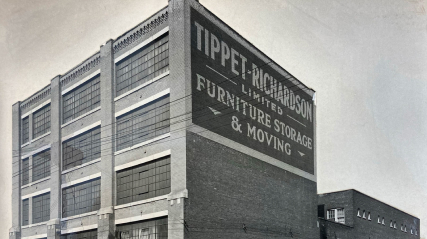
If your move feels more complex than expected, experienced support can make the process far smoother. Tippet Richardson has been helping people move with care and attention since 1927, and that kind of experience matters when you are navigating condo moves in Toronto.
Keep the condo moving checklist in Toronto close so small tasks do not disappear during the final week.