

Key Takeaways
- Auckland offers the broadest employment market and the most diverse urban lifestyle of the three cities.
- Wellington suits people who value compact living, public life, culture and a strong central-city community.
- Christchurch often appeals to families seeking more space, easier driving and a calmer pace.
- Housing, weather, transport and job opportunities vary considerably between Auckland, Wellington and Christchurch.
- International movers should compare neighbourhoods, employment plans and arrival arrangements before choosing a city.
Auckland vs Wellington vs Christchurch is ultimately a choice between a larger, more diverse city; a compact, culture-focused capital; and a spacious, adaptable South Island base. The right option depends on your employment plans, housing budget, preferred pace of life and how you want to travel day to day.
For people moving to New Zealand from overseas, the decision involves more than comparing population sizes or attractions. You also need to think about where your belongings will arrive, how quickly you need them, what type of home you are likely to rent and whether your preferred neighbourhood works without a car. This guide compares the three cities across housing, costs, work, lifestyle, weather, family suitability, transport and international moving considerations so you can make a practical choice.
Auckland vs Wellington vs Christchurch: The Short Answer
Auckland is generally the strongest choice for newcomers who want the widest range of jobs, international connections, restaurants, communities and large-city amenities. Wellington is often better for people who prefer a walkable central area, cultural events, public-sector employment and a more concentrated social environment. Christchurch can be a particularly good fit for families and households looking for more space, outdoor access and a less congested daily routine.
These are broad patterns, not rules. A family with a high-demand role in Wellington may find it easier to settle there than in Auckland, while someone working remotely may place far more weight on housing and recreation. Your likely suburb can matter as much as the city itself.
A Practical Comparison at a Glance
| Consideration | Auckland | Wellington | Christchurch |
|---|---|---|---|
| Overall character | Large, diverse, and energetic | Compact, creative, and civic-minded | Spacious, outdoors-oriented, and relaxed |
| Housing pattern | Wide range, with strong variation by suburb | Limited central supply and varied terrain | More room and a broad suburban spread |
| Employment | Broadest range across industries | Strong public-sector, professional, and creative presence | Strength in construction, health, education, technology, and primary-sector connections |
| Weather | Warmer, humid, and subtropical in feel | Windy, changeable, and often brisk | Cooler, drier, and more seasonal |
| Transport | Public transport is useful, but distances can be long | Compact core with useful public transport | Car ownership is often more convenient outside the centre |
| Family appeal | Many activities and schooling choices, with more traffic | Community-oriented and active, though space may be limited | Space, parks, and outdoor access are major advantages |
The table is a starting point rather than a final verdict. Before choosing, compare the specific employment area, likely commute, rental market and neighbourhood facilities that will shape your everyday life.
Why Your Suburb May Matter More Than the City Name
Auckland stretches across a large urban area, so living near the central city, the North Shore, the western suburbs or the southern suburbs can produce very different routines. Wellington is more compact, but hills, narrow roads and harbour geography can make a short distance feel more demanding. Christchurch covers a broad, relatively flat area, and the convenience of your location will depend heavily on whether you work near the centre or in an outer area.
When comparing homes, map the complete journey rather than simply checking the distance between two postcodes. Include school drop-offs, shopping, parking, public transport changes, access to parks and the time needed to reach the airport or workplace.
Housing and Cost of Living Across the Three Cities
Housing is usually the most influential factor in an Auckland Wellington Christchurch comparison. The city that looks attractive on paper may become difficult if your rent, mortgage, commute and moving costs leave too little room for ordinary expenses. New arrivals should compare the total monthly picture rather than focusing on rent alone.
Auckland: Choice, Competition and Longer Journeys
Auckland provides the greatest variety of neighbourhoods and housing types. You can find central apartments, established suburban homes, newer developments and properties close to beaches or green spaces. That variety is useful, but it also means prices and commuting patterns can differ substantially from one area to another.
The trade-off is often space or time. A home farther from the centre may offer more bedrooms or outdoor space, but the daily journey can be longer. Families should also consider whether moving between suburbs later could affect school arrangements, childcare and access to work.
Auckland’s larger scale can make an international arrival more involved. A shipment delivered to an apartment may require building approval, lift access and a reserved time. A suburban home may provide more room for delivery, but parking, narrow driveways or local access can still affect how the move is planned.
Wellington: Compact Living and Location Sensitivity
Wellington’s central areas can be convenient for people who work in the city and enjoy walking to cafés, cultural venues and offices. However, housing choices may be shaped by hills, smaller rooms, older buildings, limited parking and the availability of suitable rental properties. A house that appears close to work may still involve a steep walk or a challenging drive.
Outer areas can provide more space, but the benefit needs to be weighed against commuting time and transport options. Before committing to a property, check storage areas, stair access, street width and whether a moving vehicle can stop safely nearby.
The city’s terrain is especially relevant when planning delivery of heavier furniture. Narrow approaches, steps and limited kerb space may require more careful scheduling and handling. Discussing the property details early helps prevent avoidable surprises on moving day.
Christchurch: More Space and Different Running Costs
Christchurch often appeals to people who want a larger home, a garden or easier access to open space. Its flatter layout can make driving and moving larger belongings simpler in many suburbs, although conditions vary by property and street. The broader urban spread means that a car can be more useful, particularly for households outside the central area.
A larger home may reduce the immediate pressure to downsize, but it can also mean more furniture, higher heating needs and additional maintenance. Houses with garages, sheds or outdoor equipment require a realistic inventory before you request a moving estimate.
When comparing rent or purchase costs, include power, heating, internet, transport, insurance and the cost of furnishing a new home. An apparently cheaper property may not be the better value if it creates a long commute or requires substantial household purchases after arrival.
How to Compare Your Real Monthly Cost
Create a simple comparison for each city using the same assumptions. Include housing, utilities, transport, groceries, childcare or schooling needs, parking, insurance and expected travel to work. If your income will change after arrival, model a conservative first-year budget rather than relying on an ideal scenario.
International movers should also allow for temporary accommodation, shipment-related expenses and the possibility that their permanent home will not be available on the day they arrive. Keeping essential items accessible and planning a short storage period can make this transition much easier.
Work, Lifestyle and Weather: What Daily Life Feels Like
Employment and lifestyle are closely connected. A city may have the right job market but the wrong pace, climate or social environment for your household. Consider not only whether work is available, but also how the city supports the life you want outside working hours.
Employment and Professional Opportunities
Auckland has the broadest employment base and the greatest concentration of national and international organisations. It can suit professionals who want access to multiple industries, larger employers, specialist services and a wide range of networking opportunities. The cost of this breadth may be longer commutes and greater competition for some roles and homes.
Wellington is strongly associated with government, policy, professional services, technology, creative work and cultural institutions. Its compact centre can make office-based routines more manageable for people who live nearby. The employment market is smaller than Auckland’s, so it is sensible to investigate the local demand for your occupation before moving services.
Christchurch has a varied economy with links to construction, health, education, technology, engineering, agriculture and other primary-sector activities. It can suit people who want a growing city with closer access to outdoor areas and a more spacious residential pattern. Job availability still depends on your occupation, qualifications and employer location.
For an international move, confirm work rights, professional registration and employer requirements through the appropriate New Zealand authorities or professional bodies. A moving company can assist with the physical relocation, but it cannot replace immigration, employment or legal advice.
Lifestyle and Community
Auckland offers the widest mix of communities, food, entertainment, shopping and coastal environments. It is often a good fit for people who enjoy variety and do not mind a more dispersed city. You may need to be intentional about building a local routine because meeting friends across distant suburbs can take planning.
Wellington’s smaller scale can make cultural participation and social connections feel more immediate. The city is known for arts, food, public events and a strong sense of civic identity. Wind, hills and limited space are part of the practical experience, not just features on a visitor guide.
Christchurch generally offers a calmer rhythm, larger suburban spaces and straightforward access to parks, cycling routes, beaches and alpine areas. It can feel especially comfortable for households that value outdoor time and a less concentrated urban environment. If you prefer dense city life and frequent large events, the change may require some adjustment.
Weather and What It Means for Your Move
Auckland’s climate is comparatively warm and humid, with changeable rainfall. Wellington is known for strong winds and rapidly changing conditions. Christchurch tends to have cooler winters, drier conditions in many periods and more noticeable seasonal variation. Actual weather varies throughout the year, so plan with flexibility rather than assuming ideal moving-day conditions.
Weather affects more than clothing. It can influence access to a property, protection for furniture, outdoor loading, road conditions and how quickly a household settles into a new home. Keep important documents, medication and a change of clothes separate from the main shipment, particularly if arrival dates or delivery arrangements may change.
Choosing Based on Your Preferred Routine
Ask yourself what a normal Tuesday should look like. Do you want a broad range of jobs and activities even if distances are longer? Would you rather live near a compact centre with strong cultural life? Or would more space, outdoor access and easier driving improve your family routine?
The best New Zealand city to live in is the one that supports your actual habits, not simply the city with the strongest reputation. Speak with people who live in the specific areas you are considering and test commute times at the hours you would normally travel.
Family Suitability and Transportation
Families often evaluate a city differently from single professionals or couples. School journeys, childcare, recreation, healthcare access, storage, parking and the amount of time spent in the car can outweigh the appeal of a central location. The right choice is usually the one that makes repeated weekly tasks manageable.
Auckland for Families
Auckland provides many schooling, childcare, healthcare, retail and recreation options across its suburbs. Families can choose between urban apartments, established houses and communities with access to beaches or parks. The challenge is balancing those choices with traffic, commuting distances and the price of larger homes.
If both adults work in different parts of the city, calculate the combined journey rather than choosing a home based on one workplace. A suburb that suits one commute may create a difficult school run or a second long journey for the other adult.
Wellington for Families
Wellington can suit families who value community activities, cultural events and a relatively compact urban environment. However, terrain, weather and housing size deserve close attention. A home with limited storage may be perfectly workable for a couple but difficult for a family with bicycles, sports equipment, prams or seasonal items.
Check how children will travel to school and activities in wet or windy conditions. Walking distance alone does not tell the whole story when the route includes steep streets, busy crossings or exposed areas.
Christchurch for Families
Christchurch is often attractive to families because of its space, parks, flatter streets and access to outdoor recreation. A house with a garden, garage or additional room can make the settling-in period easier. The compromise may be greater reliance on a car and longer distances to particular employers or specialist services.
Before selecting an outer suburb, confirm the practical location of schools, childcare, supermarkets, medical services and regular activities. The apparent benefit of a larger home can be reduced if every routine involves a lengthy drive.
Transport and Car Ownership
Auckland has buses, trains and ferries, but the usefulness of public transport depends on your suburb and destination. Wellington’s compact central area can be easier to navigate without a car, although hills, weather and regional travel still affect daily decisions. Christchurch has public transport and cycling options, but many households find a car more convenient for suburban living.
During an international move, think about what you need on arrival. If you will not have a vehicle immediately, choose temporary accommodation near essential services and confirm how you will receive important belongings. If your shipment includes a car or specialist equipment, ask early about the applicable process and documentation rather than assuming it will follow the same arrangements as household goods.
For the household shipment itself, provide accurate information about stairs, lifts, parking, access roads, fragile items and oversized furniture. These details help the moving team plan safe collection and delivery in the city and property you select.
The First Six Weeks Matter
The first weeks can expose weaknesses in a relocation plan. Children may need familiar items quickly, adults may begin work before the household is fully arranged and temporary accommodation can become tiring. Pack a clearly identified arrival group with clothing, school or work essentials, basic kitchen items and documents.
At Tippet Richardson, our international residential moving specialists can discuss the sequence of packing, shipment, storage and delivery for your circumstances. The useful question is not simply whether a city is attractive; it is whether your arrival plan will work at the property you expect to occupy.
International Relocation Considerations for New Zealand
Moving internationally to Auckland, Wellington or Christchurch involves more planning than transporting boxes from one home to another. You need to coordinate the departure residence, packing, documentation, transport, arrival arrangements and the timing of your new home. The city comparison should therefore include how manageable your first delivery will be.
Start With the Destination Home
If you have not secured a permanent property, do not assume that a shipment can be delivered as soon as you land. Temporary accommodation may not have enough space, and an apartment or townhouse may require advance approval for a delivery vehicle. A short storage period can provide flexibility while you finalise a lease or wait for access to your home.
For each possible destination, gather practical information before packing begins. Note the property type, floor level, lift availability, stairs, parking restrictions, street access, building contact and preferred delivery dates. Wellington’s terrain and dense areas may require particularly careful access planning, while Auckland’s distances can affect scheduling between suburbs. Christchurch properties may offer easier access, but this should still be checked rather than assumed.
Read Also: How to Choose an International Moving Company from Toronto to New Zealand
Decide What Should Travel
International shipping is an opportunity to make deliberate choices. The right shipment is not always the largest shipment. Consider the replacement cost, sentimental value, dimensions, suitability for the new home and whether the item works with local power requirements.
Create separate categories for items to ship, carry with you, sell, donate or dispose of. Keep passports, visas, financial records, prescriptions, valuables and irreplaceable documents with you according to your personal arrangements rather than placing them in the main household shipment. Requirements for restricted or regulated items can vary, so verify them with the relevant authorities and your moving consultant before packing.
Furniture also deserves a realistic review. A large piece that fitted comfortably in a previous detached home may not work in a compact Wellington property or an Auckland apartment. Conversely, Christchurch housing may provide more room for furniture that would otherwise need to be replaced.
Protect the Arrival Experience
A smooth delivery depends on communication. Make sure the moving team has accurate contact details, the destination address, building instructions and a local representative if you will not yet have a New Zealand phone number. Tell your coordinator about changes promptly, especially if your lease, flight or temporary accommodation changes.
Keep an inventory of significant items and photograph valuable belongings before packing. Ask how the shipment will be documented and what information you should retain. Any available protection, valuation or claims arrangements should be reviewed carefully because terms can vary by shipment and service.
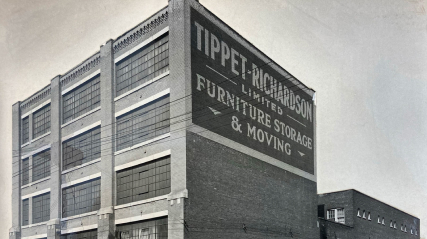
Tippet Richardson has supported moving and storage requirements for generations, including international residential relocations where the service is appropriate to the customer’s needs. Our role is to help you plan the physical move clearly; immigration permission, customs decisions and other official matters remain subject to the relevant authorities.
Storage Can Reduce Pressure
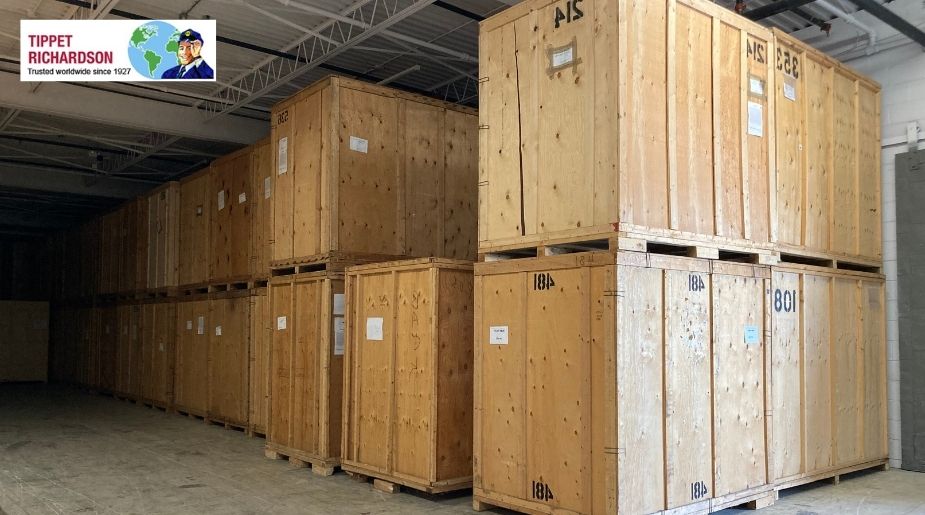
Storage may be useful if your New Zealand home is delayed, your family is arriving in stages or you want time to decide where particular belongings fit. It can also prevent a rushed decision to rent a property solely because it can accept the shipment immediately.
Ask how access, timing, inventory control and delivery from storage will work for your particular move. The best arrangement is the one that matches your arrival plan and avoids unnecessary handling or last-minute changes.
Questions to Ask Before Choosing a City
Before you commit, compare the three destinations using the same questions:
- What is the realistic housing and transport cost for our household?
- Where will we work, study, shop and obtain everyday services?
- Can the property accept our shipment safely and at the expected time?
Auckland, Wellington and Christchurch can all support a successful new life in New Zealand. The strongest choice is the city where your employment, home, transport, family needs and arrival plan fit together rather than compete with one another.
Which City Is Right for You?
There is no universal winner in the Auckland vs Wellington vs Christchurch decision. A useful answer comes from matching your priorities to the city’s practical strengths and accepting the trade-offs that come with them.
Choose Auckland If You Prioritise Variety and Employment Options
Auckland may be the best fit if you want the broadest professional market, a large range of communities, extensive amenities and access to a busy international city. It is especially worth considering when your employer, clients or professional network are concentrated there.
Allow for longer travel times, careful suburb selection and potentially higher costs for well-connected housing. If you choose Auckland, identify the neighbourhood before you finalise your shipment plan and check whether the property has building or access requirements.
Choose Wellington If You Prioritise Compact Urban Living and Culture
Wellington may suit you if you value a walkable central environment, public life, arts, cafés, government or professional employment and a strong sense of community. It can be a good choice for people who prefer a concentrated city and do not need a large suburban home.
Be realistic about wind, hills, parking, housing size and the condition of the property. For an international delivery, provide detailed information about stairs, lifts, street access and building restrictions as early as possible.
Choose Christchurch If You Prioritise Space and Outdoor Access
Christchurch may be the better fit if you want more room, a calmer pace, parks, outdoor recreation and a relatively straightforward driving environment. It can work well for families, people with larger household inventories and those who prefer suburban living.
Consider the location of your work and whether you are comfortable relying more on a car. A spacious home is valuable, but only if the commute and weekly routines remain manageable.
A Simple Decision Framework
Score each city from one to five for the factors that matter most to your household: employment, housing, commute, weather, family support, transport, community, outdoor access and international arrival. Give double weight to your two most important factors. This prevents a memorable lifestyle feature from overpowering a non-negotiable need.
Then test your preferred city against a less-than-perfect scenario. What happens if your first rental is smaller than expected, your commute is longer, your shipment arrives after you do or the weather disrupts your plans? A city that remains workable under those conditions is often the safer decision.
Do not overlook the value of a staged move. Some households send essential belongings first, use temporary accommodation and arrange the main delivery once the permanent address is confirmed. Others prefer to secure the home and move the full household in one coordinated process. Your choice should reflect your employment start date, family needs, available funds and tolerance for uncertainty.
Read Also: Moving Household Goods to New Zealand: Customs & Biosecurity Guide for Canadians
Wrapping Up
The best New Zealand city to live in depends on the life you are building. Auckland offers scale and choice, Wellington offers compact culture and civic energy, and Christchurch offers space, outdoor access and a calmer suburban rhythm. Housing, work, weather, transport and family routines should all be part of the decision.
For an international residential move, add one more test: can your arrival and household delivery be managed comfortably at the property and time you expect? Confirm access, storage needs, essential items and destination details before packing begins, and keep official immigration or customs questions with the relevant authorities.
Tippet Richardson can help you plan the physical side of moving your household to New Zealand, from careful packing and shipment preparation to storage or delivery planning where suitable. With nearly a century of moving experience, we understand that a successful relocation is measured by how confidently you settle into daily life, not simply by whether your belongings reach the destination.