

Key Takeaways
- The best international moving companies Toronto to New Zealand combine Toronto pickup expertise with dependable destination support.
- Compare written quotations carefully, including packing, freight, customs-related services, delivery, storage, and possible additional charges.
- Ask whether sea freight, air freight, FCL, or LCL best suits your volume, timing, budget, and belongings.
- Confirm the mover’s approach to New Zealand customs, biosecurity requirements, insurance, communication, tracking, and destination delivery.
- Choose a company that explains the process clearly and can coordinate your residential move from planning through delivery.
International moving companies Toronto to New Zealand should be evaluated on more than a familiar name or an attractive initial price. You need to know who will collect your belongings in Toronto, how they will be packed and transported overseas, who will support the shipment in New Zealand, and what happens if plans change.
For a move across the Pacific, small gaps in planning can create significant stress. Toronto condo access, winter conditions, elevator reservations, inventory accuracy, freight selection, customs paperwork, biosecurity requirements, and final delivery all need attention. This guide explains how to compare international movers, what to ask before signing, and how Tippet Richardson’s long experience can help you assess your options with greater confidence.
How to Evaluate International Moving Companies Toronto to New Zealand
Choosing a mover begins with understanding the complete service rather than comparing a single transport price. An international residential move involves several connected stages, and the quality of the handoff between those stages often matters as much as the packing or shipping itself.
Look Beyond the Initial Price
A low quotation may reflect a narrower service. It may exclude professional packing, pickup from an apartment with difficult access, export preparation, destination delivery, storage, insurance options, or charges that depend on the final shipment volume. That does not automatically make a quotation unsuitable, but it means you need to understand what it covers.
Ask each company to describe the journey from your Toronto address to your New Zealand residence. A useful quotation should make clear which company is responsible for the origin work, the international transport, and the destination services. It should also identify assumptions, such as the number of rooms, approximate volume, access conditions, packing requirements, and delivery address.
At Tippet Richardson, we recommend treating the quotation as a planning document, not merely a price. If two proposals appear very different, the difference may be in the scope of work rather than the underlying transport cost.
Confirm International Residential Experience
International moving experience should include more than having arranged an occasional overseas shipment. Ask how the company manages residential packing, inventories, household goods, origin pickup, overseas transport, destination coordination, and communication with the customer.
A family moving from a Toronto detached home may have a very different shipment from a customer moving out of a downtown condominium. The first may involve a larger volume and several outdoor or fragile items. The second may involve strict building rules, a limited loading window, and a shipment that must be divided between immediate essentials and long-term storage.
A capable international mover should ask detailed questions before preparing a final proposal. Questions about access, special items, preferred timing, storage, destination conditions, and the contents of the shipment indicate that the company is assessing the real move rather than applying a generic rate.
Examine the Destination Arrangement
Your Canadian moving team may not personally deliver every shipment in New Zealand. That makes the destination arrangement important. Ask who will coordinate destination clearance-related steps, delivery scheduling, unpacking if included, debris removal if included, and communication once the shipment reaches New Zealand.
You should also ask how changes are communicated. For example, if the destination address is not ready, your employment start date changes, or delivery access becomes restricted, you need to know who will discuss the available options with you.
Do not assume that a company with strong Toronto operations automatically provides the same level of coordination at destination. The quotation should explain the destination service and identify any services that depend on local conditions or third parties.
What Should Your Toronto to New Zealand Moving Plan Include?
A reliable plan translates a complicated international relocation into decisions you can review. It should account for the belongings themselves, the properties involved, the preferred timing, the transport method, and the services required at both ends.
Toronto Pickup Conditions Matter
Toronto pickup planning deserves close attention. A mover may need to work around a condominium loading dock, an elevator booking, a narrow residential street, a parking restriction, or an older home with stairs and limited door access. These details affect the time, crew, equipment, and packing approach required on moving day.
If you live in a high-rise building, confirm who is responsible for arranging or verifying the elevator reservation. Ask whether the building’s permitted hours, loading rules, certificate requirements, or parking arrangements need to be reflected in the quotation. Building management rules vary, so your mover should work from the information available for your specific property rather than assume that every Toronto building operates in the same way.
For a house, consider gates, long carries, steep steps, detached garages, sheds, and items that need dismantling. A site visit or detailed virtual assessment can help identify issues that may not be visible in a basic inventory.
Build an Accurate Inventory
The inventory is central to an international move. It helps the mover estimate volume, identify packing needs, prepare transport documents, and understand whether certain items require special handling or further review.
Be specific about furniture, appliances, artwork, musical instruments, collections, electronics, outdoor equipment, and fragile belongings. Avoid describing everything as “boxes” when the contents include large or unusually shaped items. A volume estimate based on incomplete information can affect freight selection and the final scope of work.
You should also decide what will not travel. Selling, donating, recycling, or disposing of unwanted items before packing can reduce volume and make the shipment easier to manage. Do not pack items simply because they fit in a carton; New Zealand’s entry requirements may make some goods unsuitable or subject to inspection and treatment.
Separate Essentials From the Main Shipment
Many households need certain belongings soon after arrival while other items can travel by sea. Set aside documents, medication, basic clothing, valuables, chargers, and other immediate necessities. Keep these items with you where appropriate and confirm any restrictions for air travel.
If you need some household goods quickly, ask whether air freight is appropriate for a small, carefully selected shipment. Air freight is generally faster but more expensive per unit of weight or volume than sea freight. It is usually best reserved for essentials rather than used for an entire household without a clear reason.
How Do Sea Freight, Air Freight, FCL, and LCL Compare?
Transport selection should follow your circumstances rather than a sales preference. The right option depends on the size of the shipment, how quickly you need it, your budget, the destination address, and how much flexibility you have around delivery.
Sea Freight for Most Household Shipments
Sea freight is commonly considered for larger household moves because it can accommodate more volume than air freight. It generally requires more patience and careful planning, and the overall timing depends on the shipment, port movement, documentation, destination processing, and delivery arrangements. A mover should discuss current expectations without presenting an unverified guaranteed arrival date.
For a household relocating permanently, sea freight may be practical for furniture, books, kitchen items, clothing, and other goods that are not needed immediately. The trade-off is that you must plan for the period between Toronto pickup and destination delivery.
Air Freight for Selected Belongings
Air freight can suit a smaller shipment or a household that needs selected items sooner. It is often considered for clothing, essential household goods, work-related personal items, or other belongings where earlier access is worth the additional cost.
Because space and weight can affect the price significantly, ask for a separate explanation of the air shipment’s estimated size, packing approach, documentation, and delivery scope. Do not assume that air freight includes the same destination services as a larger sea shipment.
FCL and LCL Explained
FCL means a full container load. The container is assigned to one shipment, which can provide more control over the container contents and may suit a larger household move. LCL means less than a container load, where the shipment shares container space with other cargo. LCL can be appropriate for smaller volumes but may involve additional handling as cargo is consolidated and later separated.
The better option depends on your measured volume and the service arrangement, not simply on the label. Ask the mover to explain why FCL or LCL has been recommended and whether the quotation includes collection, consolidation or unloading activities, port-related charges, destination delivery, and any other applicable services.
Review the Trade-Offs Clearly
Your decision should consider four practical questions: How much are you shipping? When do you need it? How much flexibility do you have? Which belongings are worth transporting at all?
A smaller shipment may not justify sending every low-value item overseas. Conversely, replacing furniture in New Zealand may cost more than expected, particularly for items that are durable, personally important, or difficult to source. An experienced mover can help you compare shipment size and transport choices, but you should make the final decision based on your priorities and budget.
What Should You Ask About Packing, Customs, and Biosecurity?
Packing and border requirements are closely connected. New Zealand applies strict biosecurity controls to reduce the risk of pests, diseases, and contaminants entering the country. Requirements and decisions can vary by item and may change, so you should verify current official guidance and disclose the contents of your shipment accurately.
Professional Packing Is More Than Boxing Items
International packing must protect goods through handling, container movement, changes in climate, and extended transport. Furniture may need wrapping or protective materials, while delicate items may require tailored packing rather than a standard carton.
Ask whether the quotation includes full packing, partial packing, fragile-only packing, unpacking, or export packing. Clarify who packs items you prepare yourself and whether those goods are recorded differently in the inventory. Self-packing can reduce the immediate service cost, but it may also leave you responsible for packing quality or make it harder to establish what happened if an item is damaged.
Before packing day, identify antiques, artwork, glass, marble, electronics, instruments, high-value items, and furniture that may need dismantling. Photographing condition and keeping a copy of the inventory can help you review the shipment later.
Understand New Zealand Biosecurity Considerations
Items that have contacted soil, seeds, plant material, food, insects, or animal products may receive additional attention. Outdoor equipment, garden tools, sporting equipment, bicycles, camping gear, and certain wooden items should be cleaned thoroughly before packing, but cleaning does not guarantee a particular border outcome.
Do not hide or omit an item because you are concerned it may be inspected. Provide accurate information to the mover and follow current requirements from the relevant New Zealand authorities. The mover can explain the documentation and preparation process within its service scope, but border authorities make their own decisions.
Ask who will communicate any inspection, treatment, delay, or additional charge if one arises. This is a practical question that can prevent confusion after arrival.
Confirm Customs-Related Support
A moving company should explain what customs-related support is included and what remains your responsibility. The exact documents required may depend on your circumstances, residency status, shipment contents, and current regulations.
Ask whether the company provides guidance on the information it needs, who submits or coordinates documents, and how you will be notified if clarification is required. Be cautious of any provider that promises that every item will clear without inspection or that presents government decisions as something it can guarantee.
What Should You Compare in the Quote, Insurance, Storage, and Tracking?
Once the service scope is clear, compare the commercial and communication details. A professional quotation should help you understand the expected cost and the assumptions behind it, while the service agreement should explain important terms and responsibilities.
Request a Detailed Written Quotation
A written quotation should identify the origin and destination, estimated shipment volume, packing scope, pickup and delivery services, freight method, storage requirements, and any known exclusions. It should also distinguish estimated amounts from confirmed charges where applicable.
Ask how changes are handled if the shipment is larger than estimated, the access conditions differ, the destination is not ready, or you add services. A quotation based on a proper assessment is usually more useful than a quick figure based only on the number of bedrooms.
When comparing Canada to New Zealand moving companies, place proposals side by side. Check whether one includes full packing while another assumes self-packing, or whether one includes destination delivery while another ends at a port or warehouse. Comparing like with like is essential.
Review Insurance and Valuation Options
International moving companies may offer different forms of protection or valuation arrangements. The terms, exclusions, claim procedures, deductibles, and documentation requirements vary, so read the applicable documents carefully rather than assuming that ordinary household insurance covers an overseas move.
Ask what happens if an item is packed by you, if damage is discovered after delivery, or if an item has pre-existing damage. Keep photographs, receipts where available, and a detailed inventory for high-value belongings. If your home, shipment, or destination circumstances are unusual, ask an insurance professional whether separate cover is appropriate.
Ask About Storage at Either End
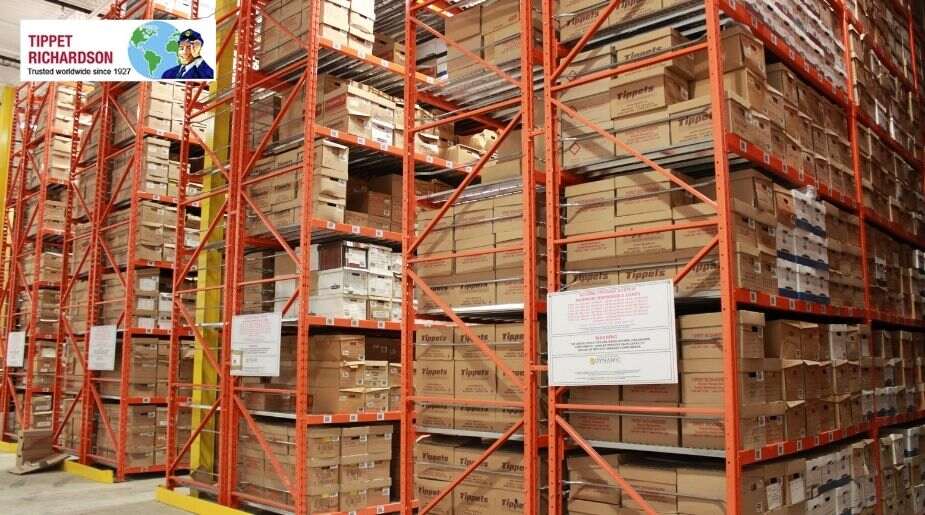
Storage may be useful if your Toronto home closes before your New Zealand residence is ready, if you need to reduce the shipment before departure, or if delivery timing does not align with your accommodation. Ask where storage occurs, how access is arranged, how charges are calculated, and whether the goods remain packed or are handled during storage.
Storage in Toronto and storage in New Zealand can serve different purposes. Confirm which location is being proposed and whether the move quotation changes when storage is added or extended. Do not leave this conversation until the last week before pickup; storage requirements can affect the packing plan and transport arrangements.
Confirm Tracking and Communication
Tracking is useful, but the term can mean different things. Ask what updates you will receive, when they are issued, and whether the information reflects a specific shipment milestone or a broad estimate. Also ask who your main contact is before pickup and while the shipment is moving.
Good communication does not mean every stage will be free of uncertainty. Overseas moves can involve changes outside the mover’s direct control. What matters is that the company explains the change, tells you what action is needed, and keeps the plan updated rather than leaving you to chase information.
Read Also: How Long Does It Take to Move from Toronto to New Zealand?
Questions to Ask an International Moving Company
The questions below are designed to help you compare international movers Toronto to New Zealand on service quality, accountability, and fit. Use them during consultations and ask for important answers in writing.
Questions About Origin Service
Ask whether the company will complete a home survey or detailed assessment, how Toronto building access will be handled, what packing level is included, and whether special items require separate preparation. Confirm the inventory process and how additions or exclusions are recorded.
Also ask how the mover plans to protect floors, walls, elevators, doors, and furniture during pickup. A careful origin plan reduces avoidable problems, especially in a condominium where a missed loading window can affect the entire move.
Questions About Overseas Transport
Ask whether sea freight, air freight, FCL, or LCL is being recommended and why. Confirm what the quoted transport covers, where the shipment is expected to be collected or delivered, and how you will be informed about major milestones.
Ask what assumptions affect the estimate. For example, a change in volume, an address change, a remote destination, or a request for storage may alter the service scope. A transparent answer is more useful than a simple promise that the original amount will never change.
Questions About New Zealand Delivery
Ask who coordinates delivery in New Zealand, whether the destination team will contact you directly, and what happens if your property is not ready. Confirm whether delivery to the residence, unpacking, placement, debris removal, and empty-carton removal are included or available as separate services.
Ask what happens if the destination has stairs, restricted access, a long carry, a narrow road, or a building booking requirement. The more accurately the destination is described, the fewer surprises are likely during the final stage.
The market size of Canada’s moving services industry stood at USD 6,330.2 billion in 2025 and is projected to reach USD 10,152.89 billion by 2034, advancing at an estimated 5.43% CAGR during the 2026–2034 forecast period.
Questions About Accountability
Ask who is responsible for your shipment at each stage, how claims are reported, what documents you will receive, and how the company handles a missed expectation. You should be able to identify your contact without searching through multiple unrelated departments.
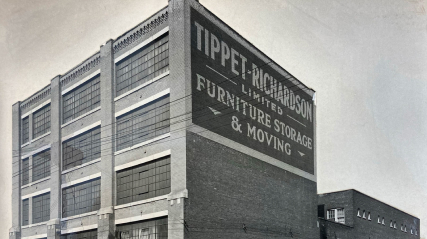
At Tippet Richardson, our role is to help customers make informed decisions about the complete residential move. With a history extending back to 1927, the value of experience is not simply longevity; it is the ability to recognise practical issues early, explain the choices, and coordinate the work with care. You should still review the specific quotation and service terms for your move before committing.
Read Also: Moving to New Zealand from Canada: Complete Moving Checklist
Wrapping Up
The best international moving companies Toronto to New Zealand are not necessarily the ones with the shortest quotation or the most confident promises. They are the companies that explain the full journey, assess your Toronto pickup properly, recommend freight based on your circumstances, prepare belongings carefully, discuss New Zealand destination requirements responsibly, and provide clear written information.
Before choosing, compare the packing scope, sea or air freight options, FCL or LCL recommendation, customs and biosecurity guidance, insurance terms, storage arrangements, tracking, destination delivery, and communication process. Ask direct questions whenever a quotation is vague.
Tippet Richardson has supported moving customers since 1927, including residential moves that require careful planning beyond the local pickup. If you are comparing international movers Toronto to New Zealand, a detailed conversation can help you understand what your shipment needs and which decisions should be made before moving day. The right next step is to request a written assessment based on your belongings, Toronto address, destination circumstances, and preferred timing.