
- The most common moving mistakes involve poor planning, unclear costs, improper packing, and overlooked property access.
- A written inventory and room-by-room plan make moving decisions easier and help reduce last-minute problems.
- Professional movers should be assessed based on communication, preparation, handling standards, and suitability for your move.
- Toronto moves require early attention to elevators, parking, building rules, narrow access, and older homes.
- Starting early and asking precise questions can make your moving day safer, calmer, and more predictable.
Common Moving Mistakes are usually preventable when you plan the move around access, timing, belongings, and communication rather than treating moving day as the entire job. This guide explains the errors we see most often and the practical steps that help avoid them.
Whether you are moving across Toronto, between Ontario communities, or into a new home for the first time, small oversights can create avoidable cost, delay, damage, or stress. You will learn how to build a realistic plan, choose appropriate moving support, pack with greater care, prepare your property, and manage the final stages of the move.
Common Moving Mistakes Start With Planning Too Late
Many moving services problems begin weeks before the first box is carried. People often focus on finding cartons or choosing a moving date, while overlooking the decisions that determine how long the move will take and what support it requires. A reliable plan gives you time to identify those details before they become urgent.
Mistake: Treating the Moving Date as the Whole Plan
A moving date is only one point in a much longer process. You may need to arrange building access, sort belongings, confirm parking, organise packing, disconnect appliances, manage storage, and prepare children or pets. Leaving these tasks until the final week can lead to common local moving mistakes, delays, and unnecessary stress, even with a straightforward move.
Start with a simple timeline. Work backwards from possession, lease, closing, or travel commitments. Mark the decisions that affect other decisions, such as the date you receive keys, the date your elevator can be booked, or whether furniture must go into storage before delivery.
For a Toronto condominium move, elevator availability can influence the entire schedule. In an older house, stairs, narrow doorways, street parking, or renovations may affect how items leave or enter the property. These are not minor details to discover on moving day.
Mistake: Underestimating the Volume of Belongings
People often estimate a move by counting rooms rather than considering what is inside them. A lightly furnished two-bedroom home is very different from one with a full basement, workshop, extensive books, large wardrobes, or valuable artwork.
A useful inventory should identify major furniture, appliances, fragile collections, unusually heavy items, outdoor belongings, and anything that requires special preparation. Include items that are stored out of sight. The basement, attic, garage, shed, and storage locker can materially change the size and handling requirements of a move.
If your inventory changes after you receive an estimate, tell the moving company promptly. A revised list is easier to manage than discovering additional furniture, packed boxes, or access restrictions when the crew arrives.
Mistake: Failing to Build Contingency Into the Schedule
A move rarely goes exactly as planned. The previous occupants may still be leaving, a lift may be delayed, traffic may be heavier than expected, or an item may require more careful preparation than anticipated. Do not schedule furniture delivery so tightly that one delay affects every later commitment.
Keep essential documents, medication, chargers, keys, basic toiletries, a change of clothing, and important personal items with you. This is especially helpful when there is a gap between leaving one home and entering another.
Choosing Moving Support Without Creating New Problems
The right moving service can reduce physical risk and improve coordination, but choosing on price alone is one of the most common moving mistakes. A useful comparison considers what is included, how the company communicates, and whether its experience matches the nature of your move.
Mistake: Comparing Quotes That Do Not Cover the Same Work
A quote is only useful when you understand its scope. One company may be estimating transport only, while another may include packing, protection, furniture preparation, or storage handling. Differences in inventory, access, distance, timing, and service level can also make two figures difficult to compare directly.
Ask each provider to explain the assumptions behind the estimate. Clarify whether you are packing yourself, whether larger pieces need preparation, how fragile or high-value belongings will be handled, and whether the move includes more than one pickup or delivery location.
You should also discuss conditions that could affect the work, such as stairs, long carries, restricted parking, a reserved lift, tight corridors, or a storage period. The purpose is not to predict every possible event. It is to make sure the estimate reflects the move you actually need.
Mistake: Selecting a Mover Without Checking Communication
Good communication is practical protection. Before moving day, you should know who is coordinating the move, what information the company needs, what you are responsible for, and when important details will be confirmed.
Notice how your questions are handled. Are answers clear? Does the company ask about access and the contents of the move? Are changes recorded? Vague answers at the planning stage can become confusion when several parties are working to the same deadline.
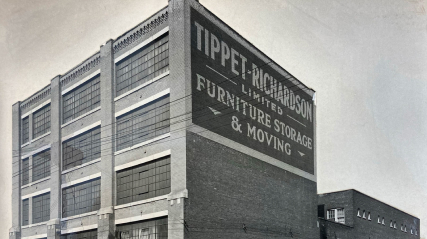
At Tippet Richardson, our experience supporting residential moves since 1927 has shown us that careful preparation is as important as careful carrying. A moving company should be able to discuss the actual conditions of your home rather than offering a generic solution.
Mistake: Assuming Every Item Can Be Handled the Same Way
A sofa, a glass cabinet, a piano, a collection of artwork, and a box of books do not present the same handling challenge. Tell the moving company about items that are fragile, unusually heavy, valuable, sentimental, awkwardly shaped, or difficult to replace.
This allows the plan to account for suitable protection, equipment, access, and sequencing. It also gives you the opportunity to ask whether an item needs preparation before the crew arrives.
When reviewing a provider, look for relevant experience with the types of belongings you own. A company that regularly handles high-value residential belongings may be a better fit than one focused only on basic household transport.
Packing Mistakes That Lead to Damage and Confusion
Packing is not simply a matter of filling boxes. The way items are grouped, protected, labelled, and loaded affects both safety and the time required to settle into the new home. Rushed packing is one of the clearest first-time moving mistakes because its consequences often appear only after delivery.
Mistake: Leaving Everything Until the Final Days
Packing an entire home in a weekend is possible for some small moves, but it leaves little room for sorting, buying supplies, or dealing with fragile and unusual items. It also encourages overfilled boxes, unclear labels, and belongings packed together without a plan.
Begin with items you do not use daily. Seasonal clothing, decorative pieces, spare linens, books, and less frequently used kitchenware can usually be packed earlier. Continue through the home in stages, keeping everyday essentials available until closer to the move.
Use the process to decide what should be moved, donated, sold, recycled, or discarded. Paying to move items you no longer want adds handling and unpacking work without adding value.
Mistake: Overloading Boxes or Using Poor Protection
A box that is too heavy may be difficult to carry and more likely to fail. Books, records, and dense items should be placed in smaller cartons or distributed with lighter contents. Fragile pieces need appropriate cushioning and should not be allowed to shift inside the box.
Do not rely on towels or clothing as the only protection for delicate belongings. They can help fill space, but glass, ceramics, electronics, and artwork may require more suitable wrapping and secure placement. Keep heavy objects at the bottom and avoid leaving empty pockets around vulnerable items.
Some belongings need individual attention rather than ordinary boxing. Large mirrors, delicate furniture, artwork, and certain appliances should be identified during planning so the proper protection can be considered.
Mistake: Labelling Boxes Too Generally
Labels such as “kitchen” or “bedroom” are better than no labels, but they do not tell you what needs immediate attention. Add the destination room and a short description, such as “kitchen – daily dishes” or “office – computer accessories”. Mark fragile cartons clearly, but remember that labels support careful handling; they do not replace it.
Prepare an essentials group for the first night. Include bedding, towels, basic kitchen items, toiletries, cleaning supplies, toilet paper, chargers, snacks, and documents. Keep this group separate and make sure it travels in a way that allows you to find it quickly.
Mistake: Packing Items That Should Travel Separately
Keep passports, legal documents, jewellery, medication, keys, financial records, and irreplaceable personal items under your direct control unless you have made a specific arrangement for them. Do not put these items into an unidentified carton at the back of a truck.
You should also identify items that movers may need special instructions to handle. If you are unsure whether an item requires preparation or separate transport, ask before packing it. An early conversation is safer than an assumption.
In a self-packed move, take photographs of valuable or complex items before wrapping them. Images can help you remember cable connections, furniture components, and the condition of delicate pieces during unpacking.
Why Do Move-Day Problems Happen in Toronto Homes?
Move-day problems often result from access and communication rather than the distance between addresses. Toronto buildings, busy streets, older homes, shared driveways, and changing parking conditions can make the physical process more complicated than it appears during an initial walkthrough.
Mistake: Not Confirming Access at Both Addresses
Before moving day, confirm how the crew will reach the entrance, where the vehicle can stand, whether a lift reservation is required, and whether there are restrictions on hours or loading areas. For condominiums, speak with the property manager or concierge and record the reservation details.
For houses, look at the full route from the vehicle to the door. A narrow lane, steep steps, snow, construction, low branches, or a long distance movers in toronto from the street can affect how belongings are moved. If the route changes because of construction or temporary restrictions, notify the moving coordinator.
Do not assume that a parking space will be available simply because one was available during a previous visit. Conditions change, and some buildings require residents to arrange access themselves.
Mistake: Forgetting the Items That Need Preparation
Appliances, beds, desks, exercise equipment, shelving, and some large furniture may need to be emptied, disconnected, disassembled, or secured. Whether the customer or the moving team handles each task depends on the agreed service and the item involved, so clarify this in advance.
Empty drawers where necessary, remove loose shelves, secure doors, and keep small hardware in labelled bags. For complex furniture, take a photograph before disassembly. Do not force an appliance connection or attempt a task that could create a safety or property risk.
If an item cannot fit through its planned route, the problem may require a different approach. Measuring large furniture and key doorways before moving day can prevent an unpleasant surprise.
Mistake: Giving Different Instructions to Different People
A move may involve the homeowner, building staff, family members, a real estate representative, a storage facility, and the moving crew. If each person has different information about timing or destination rooms, decisions become slower and errors become more likely.
Choose one primary contact for the moving company. Share a concise plan with everyone who needs it, including building access details, parking information, special items, and any deadline that cannot move.
Keep important instructions written down. Verbal updates made while people are carrying furniture can easily be missed, particularly in a busy building.
Mistake: Failing to Protect the Property
Moving teams need room to work, but floors, walls, door frames, lifts, and shared corridors also need consideration. Clear walkways and remove small obstacles before the crew arrives. In a condominium, follow the building’s requirements for common areas and lift protection.
If weather is poor, discuss how wet ground, snow, or salt may affect the route. Protective measures should suit the property and the conditions. A prepared path helps the work proceed more smoothly and reduces avoidable contact with walls and floors.
Preventing Problems After Delivery and Unpacking
The move is not finished when the last item crosses the threshold. The arrival stage is where missing parts, uncertain placement, unopened cartons, and access concerns can create extra work. A few decisions before delivery make the first evening and the first week much easier.
Mistake: Not Preparing the New Home for Arrival
If possible, clean the new space before furniture arrives. Decide where major pieces should go and make sure the route into those rooms is clear. A simple floor plan or room label can help everyone work from the same instructions.
Do not wait until the truck is at the door to decide where a bed, desk, or large cabinet belongs. Moving heavy items more than once increases effort and may create additional risk. If a room is not ready, identify a temporary placement rather than allowing decisions to happen under pressure.
For a condominium or apartment, confirm that the receiving lift and entrance are available at the appropriate time. If there is a gap between departure and delivery, ask early about storage services that suit your schedule and belongings.
Mistake: Opening Boxes Without a Priority System
Unpacking randomly can make the home feel more chaotic. Start with the essentials, then establish sleeping arrangements, bathroom access, basic food preparation, and a place for documents and chargers. After that, work room by room rather than opening every carton at once.
Keep labels visible until the contents have been checked. If you have packed your own boxes, compare them with your inventory as you unpack. Set aside cartons that contain fragile items and open them on a stable surface with enough room to work.
A staged approach is particularly helpful after a demanding move. You do not need to make the entire home perfect on the first day; you need to make it functional and safe.
Mistake: Delaying Inspection of Belongings
Check furniture, cartons, and delicate belongings during unpacking rather than leaving everything unopened for weeks. If something appears different from its condition before the move, document it promptly and follow the moving company’s stated process for raising concerns.
Keep relevant paperwork, inventories, photographs, and correspondence together. Requirements and procedures can vary by provider and service, so ask for clarification if you are unsure what information is needed.
Do not discard packing materials immediately if you may need to inspect, reorganise, or protect items during the first few days. Once the home is settled, recycle or dispose of materials responsibly according to local arrangements.
Mistake: Ignoring Storage Timing
Storage can solve a timing gap, renovation issue, downsizing challenge, or delayed possession date, but it should be part of the plan from the beginning. Decide which belongings need access during the storage period and which can remain packed.
Create an inventory for stored items and keep essential documents separately. Tell the moving company if items are going to storage before the final destination, since the handling sequence and preparation may differ from a direct home-to-home move.
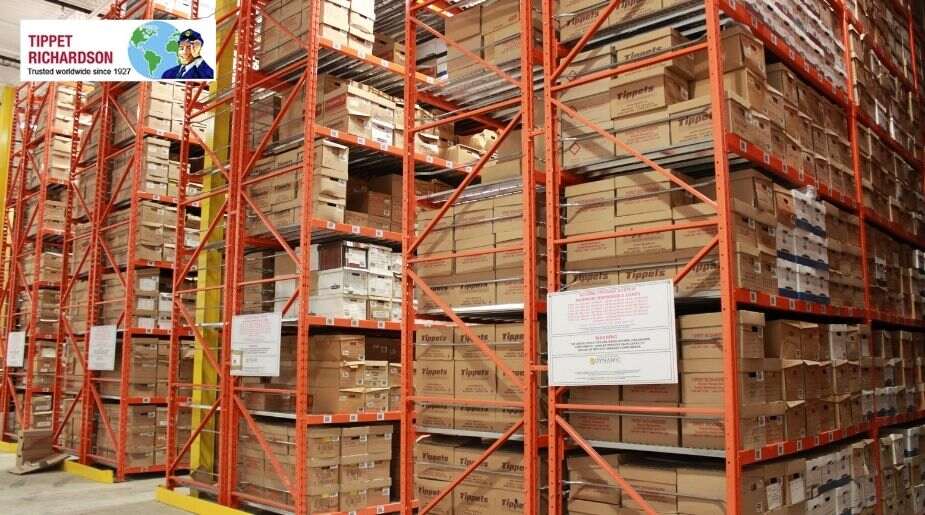
Tippet Richardson supports residential moving and storage planning where it fits the customer’s requirements. The useful question is not simply whether storage is available, but whether the arrangement matches the timing, access, and belongings involved.
Wrapping Up
The most common moving mistakes are rarely caused by one dramatic error. They usually come from several small assumptions: an elevator that was not reserved, a box that was packed too heavily, a furniture item that was not measured, or a quote that did not describe the same work as another provider’s estimate.
You can avoid many moving mistakes to avoid by starting early, building a complete inventory, discussing access at both addresses, protecting fragile and high-value belongings appropriately, and keeping instructions consistent. If you are moving house for the first time, professional advice can be particularly useful because experienced coordinators know which questions are easy to miss.
For a Toronto residential move, look beyond the headline price. Consider the quality of planning, clarity of communication, care for your belongings, and ability to work within the conditions of your home or building. Tippet Richardson has been helping customers move since 1927, with services that can be considered for residential moving, packing, storage, and specialised household belongings where appropriate.
Your next step is to make a written list of what you are moving, where it is going, when access is available, and what requires special care. Then discuss that information with a qualified moving professional. A clear plan will not remove every uncertainty, but it can make the move safer, calmer, and much easier to manage.