
- Most Canadian businesses should keep tax and accounting records for at least six years, subject to the record type and applicable rules.
- A data retention policy should classify records, assign retention periods, and explain secure disposal rather than applying one rule to everything.
- Document storage is useful when records must be retained but are no longer needed in active office space.
- A paperless office reduces physical filing, but digital records still require access controls, reliable backups, and proper retention decisions.
- A professional records management system can improve retrieval, privacy, storage control, and readiness for audits, disputes, or information requests.
How long to keep business records in Canada depends on the type of record, the governing tax and employment rules, your province, and whether a legal, regulatory, or operational reason requires longer retention.
For many tax and accounting records, six years is an important baseline, but it is not a universal answer for every document.
The decision matters because keeping records too briefly can create problems during an audit, dispute, investigation, or employee claim, while keeping everything indefinitely increases storage costs, privacy exposure, and the amount of information your business must protect.
This guide explains how to classify records, build a practical retention policy, decide between active files and document storage, and choose records management services that fit your organisation.
How Long to Keep Business Records in Canada: Start with the Record Type
The safest starting point is not a single number. It is a record-by-record review that considers why the information exists, who may require it, and when the retention period begins. A company’s accounting files, employee records, contracts, customer information, and corporate documents may all follow different rules or business needs.
Tax and Accounting Records
The Canada Revenue Agency generally requires businesses to keep supporting records for six years from the end of the last tax year to which they relate. The same broad period often applies to GST/HST records.
However, the precise calculation can depend on the record, the filing, an objection or appeal, a late return, or a request from the tax authority; this can affect how long to keep business records in Canada.
Do not treat the six-year period as permission to destroy a file automatically on a particular date. Confirm the relevant year, filing status, and whether an audit, objection, appeal, reassessment, or other unresolved matter changes the practical retention requirement.
Records that support a transaction may also need to be kept together so that the underlying decision can be understood later.
Useful accounting records may include invoices, receipts, bank statements, payroll summaries, expense support, sales records, tax filings, asset registers, and correspondence supporting a material transaction.
A missing invoice can be as important as a missing return if the business later needs to support a deduction or explain a filing; consider this when deciding how long to keep business records in Canada.
Corporate and Governance Records
Corporate records often have a longer business value than day-to-day accounting files. Keep incorporation documents, articles and amendments, shareholder registers, director and officer records, annual resolutions, significant minutes, ownership records, and major corporate agreements in a secure, permanent collection unless qualified legal advice indicates otherwise.
Retention requirements may vary depending on whether the organisation is federally incorporated, incorporated under a province or territory, regulated, or subject to a particular agreement.
The Canada Business Corporations Act, provincial corporate statutes, financing arrangements, and shareholder obligations may not produce identical requirements; keep this in mind when assessing how long to keep business records in Canada.
For this category, permanent retention is often sensible because the documents explain who owned or controlled the business, how important decisions were authorised, and how the organisation changed over time.
These records are not merely old paperwork; they can be needed during a sale, financing process, ownership dispute, restructuring, or legal review; this informs decisions about how long to keep business records in Canada.
Contracts, Insurance, and Property Records
Keep contracts for the duration of the agreement and for an additional period after expiry that reflects limitation periods, warranty obligations, indemnities, renewal rights, and possible disputes. A short supplier agreement may have a different risk profile from a construction contract, lease, technology licence, or agreement involving confidential information.
Insurance policies, certificates, claims files, and correspondence should be retained long enough to address claims that may arise after a policy period ends.
Property records, equipment purchase documents, maintenance histories, warranties, and records supporting capital cost may also need to be kept while the asset is owned and for a suitable period after disposal; this can affect how long to keep business records in Canada.
The correct period should be confirmed with the business’s lawyer, accountant, insurer, or other relevant adviser where the consequences of disposal could be significant.
A retention table can record the approved period, the event that starts the clock, the responsible owner, and any exceptions; this matters when reviewing how long to keep business records in Canada.
Employment and Workplace Records
Employment records can include payroll information, time records, vacation and leave details, workplace policies, training records, performance documentation, accommodation information, incident reports, and termination documents. Requirements vary by jurisdiction and by the type of record, so employers should not apply the tax-record period automatically.
Provincial employment standards, occupational health and safety requirements, human rights obligations, workers’ compensation rules, collective agreements, and employment litigation can all affect retention.
Some claims may arise after the employment relationship ends, and certain records may be particularly sensitive; note this when determining how long to keep business records in Canada.
Separate general employment files from restricted medical, accommodation, investigation, and discipline information. Access should be limited to people who need the information for a defined business purpose.
A good records management system makes those permissions easier to apply than an unmanaged shared drive or a box labelled only with a department name; record this when deciding how long to keep business records in Canada.
Building a Data Retention Policy That Works in Practice
A data retention policy turns scattered decisions into a repeatable process. It should tell staff what must be kept, where it belongs, how long it remains active, when it moves to storage, who can access it, and how authorised destruction is documented.
The policy should be understandable enough for employees to follow during a busy workday.
Create a Records Inventory
Begin by listing the main record groups rather than attempting to catalogue every page. Typical groups include finance, tax, corporate governance, human resources, customers, suppliers, projects, property, insurance, intellectual property, health and safety, and information security; use this context to decide how long to keep business records in Canada.
For each group, identify the original format, system of record, business owner, sensitivity, retrieval frequency, retention trigger, and disposal authority. This exercise often reveals duplicate copies, obsolete folders, unapproved storage locations, and records that no one can confidently explain.
A useful inventory distinguishes between an official record and a convenience copy. An approved invoice in the accounting system may be the record of authority, while a downloaded copy in an employee’s email may not need separate long-term retention.
The decision should be documented rather than left to individual preference; this can affect how long to keep business records in Canada.
Set the Retention Trigger
The retention period usually starts with an event, not the day a document was created.
Possible triggers include the end of a fiscal year, the date a contract expires, the last tax filing for a period, the end of employment, the final payment on an asset, or the closure of a matter.
Write the trigger in plain language. “Six years” is incomplete if staff do not know whether the period begins when an invoice is issued, when the fiscal year ends, or when an audit is closed.
Clear triggers reduce both premature destruction and unnecessary indefinite retention; this informs decisions about how long to keep business records in Canada.
The policy should also include a legal-hold rule. If the business knows or reasonably expects an audit, claim, investigation, complaint, or proceeding, relevant records should be preserved even if their normal retention date has passed.
Only an authorised person should release that hold; this matters when reviewing how long to keep business records in Canada.
Apply Exceptions and Access Controls
A retention schedule is a decision tool, not an instruction to destroy records regardless of circumstances. Exceptions may arise from litigation, regulatory requests, tax reviews, insurance claims, financing covenants, contractual obligations, or an unresolved employee matter.
Privacy should influence both retention and access. Personal information should not be kept indefinitely simply because storage is inexpensive.
Limit access according to role, protect sensitive files during transfer, and review whether the business still has a legitimate purpose for retaining the information; this matters when reviewing how long to keep business records in Canada.
At Tippet Richardson, our records management specialists understand that the physical handling of business files is only one part of the problem. A workable programme also needs clear indexing, controlled access, retrieval procedures, and communication between the organisation and its storage provider.
Keep a Destruction Record
When a retention period expires and no exception applies, destruction should be authorised and recorded.
A destruction log can note the record category, date range, approval, method, and date of destruction without reproducing the sensitive information being removed; use this context to decide how long to keep business records in Canada.
Secure destruction matters for both paper and digital records. Shredding, certified destruction processes, deletion from active systems, removal from accessible copies, and appropriate treatment of backup data may all need consideration. The correct method depends on the record’s sensitivity and the way it is stored.
A documented process helps demonstrate that destruction was routine and policy-based rather than selective or retaliatory. That distinction can matter if a former customer, employee, regulator, or opposing party later asks what happened to a particular file; this matters when reviewing how long to keep business records in Canada.
When Should Business Records Move to Document Storage?
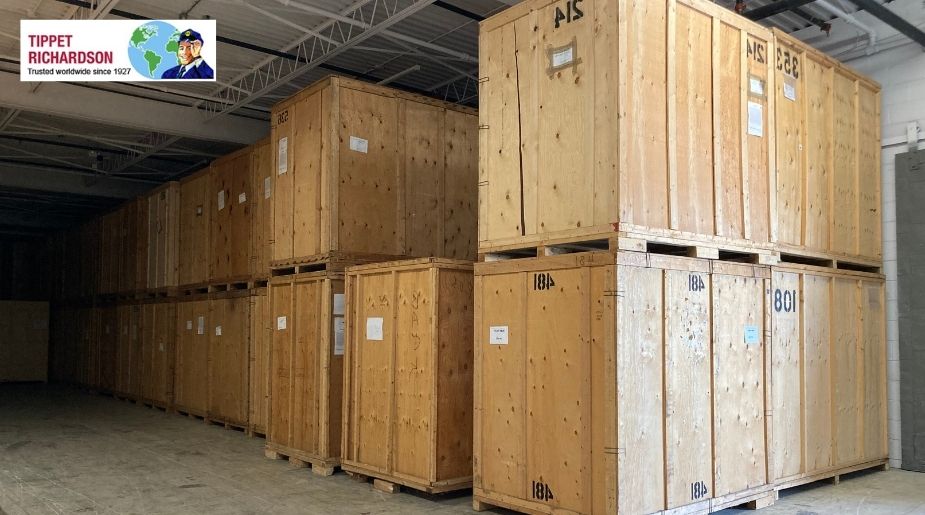
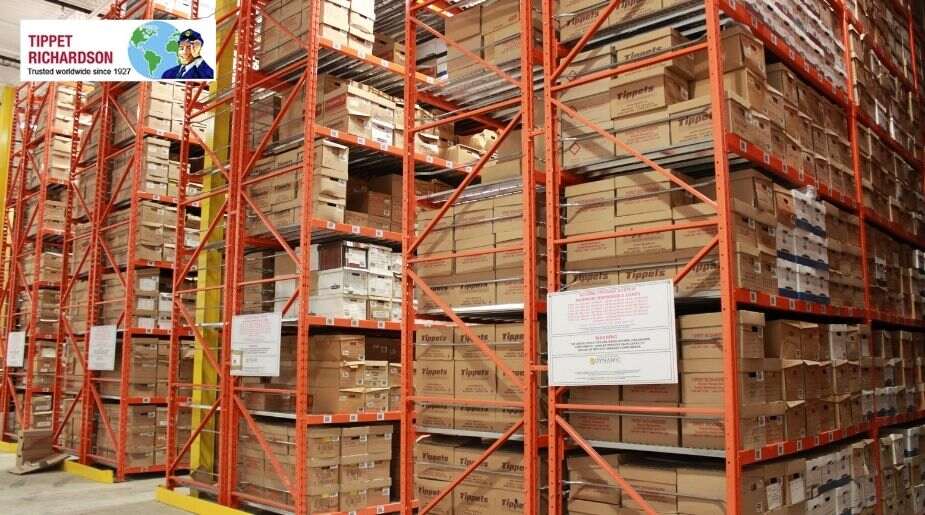
Document storage is often the practical middle ground between retaining files and filling active office space. Records can remain available without occupying prime workspace, but only if they are packed, indexed, protected, and retrievable in a controlled way; this can affect how long to keep business records in Canada.
Use Active Space for Frequently Used Files
Keep records in the office when staff need them regularly, when the files are still being updated, or when immediate access supports daily operations. Active project files, current employee documents, open claims, and ongoing financial records may belong in a controlled office environment or approved digital system.
Even active files benefit from structure. Use consistent naming, folder ownership, version control, and access permissions.
Do not allow the latest version of a contract to exist simultaneously in a filing cabinet, a personal inbox, and several ungoverned folders; this informs decisions about how long to keep business records in Canada.
Move Inactive Records When Access Is Occasional
Older tax files, closed project records, completed employee files, expired contracts, and historical financial materials may be good candidates for off-site document storage. The move is especially useful when a business is downsizing, renovating, moving offices, or trying to create a more usable paperless office without destroying records prematurely.
Before moving boxes, remove duplicates and identify material that is already past its approved retention period. Pack records by logical category and date range.
A box containing unrelated files from several departments may save space initially but create delays and extra handling whenever someone needs one document; record this when deciding how long to keep business records in Canada.
Plan Retrieval Before You Need It
A storage programme should answer four questions: how is each file indexed, who may request it, how is the request verified, and how is the returned file tracked? Without those controls, off-site storage simply changes the location of an unmanaged archive.
A useful index can include the client or department, record category, date range, box identifier, sensitivity level, and destruction review date. Avoid placing unnecessary personal information on external labels.
The index itself should be protected because it can reveal more about the organisation than the boxes do; this can affect how long to keep business records in Canada.
For a Toronto business, office access, limited space, condo or commercial building rules, and staff time can all influence how files are prepared for storage. Careful coordination reduces disruption during collection and makes later retrieval more predictable; use this context to decide how long to keep business records in Canada.
Weigh Cost, Convenience, and Control
Keeping everything on-site may feel convenient, but it can involve rent, filing equipment, staff searching, fire and water risks, and weak access control. Storing everything off-site may reduce office congestion but can be inconvenient for records needed several times a week.
Digital conversion may improve access but introduces scanning quality, indexing, security, and backup considerations.
The right answer is usually a tiered approach: active records remain readily available, inactive records move to controlled document storage, and expired records are securely destroyed after review.
That arrangement supports a paperless office without pretending that every original paper record can be discarded immediately; keep this in mind when assessing how long to keep business records in Canada.
How Can a Records Management System Reduce Risk?
A records management system is more than a database or a collection of boxes. It is the combination of classification, ownership, retention rules, access controls, storage locations, retrieval procedures, and review practices that allow a business to control information over time.
Standardise Naming and Classification
Use categories that match how the business operates. A small professional practice might organise records by client, matter, tax year, and document type.
A manufacturer might need categories for suppliers, quality records, equipment, safety, production, and customer orders; keep this in mind when assessing how long to keep business records in Canada.
Classification should be specific enough to support retrieval but not so complicated that staff create their own shortcuts. If employees cannot tell where a record belongs, they will save it in email, personal folders, or an unapproved cloud location.
Separate Records from Working Material
Not every draft, duplicate, email chain, or downloaded attachment deserves the same treatment as the final approved record. Identify the authoritative version and preserve the context needed to understand it. This reduces duplication and helps the business apply retention rules consistently.
Email deserves special attention. Important approvals, instructions, and contractual decisions may be recorded in email, but retaining every message forever is not a sensible substitute for classification.
Where an email documents a business decision, move the relevant information into the appropriate matter or record series; keep this in mind when assessing how long to keep business records in Canada.
Protect Sensitive Information
Customer information, employee details, financial records, health information, identification documents, and confidential commercial material require careful handling. A records management system should support role-based access, secure transfer, controlled retrieval, and a process for reporting misplaced or improperly accessed records.
A paperless office is not automatically a secure office. Digital files can be copied quickly, shared with the wrong recipient, or left in systems that no longer receive security updates. Physical records can also be exposed through unattended cabinets, untracked boxes, or poor destruction practices.
Security must address the entire life of the record; record this when deciding how long to keep business records in Canada.
Prepare for Audits, Claims, and Business Change
The value of controlled records becomes obvious when a business must answer a difficult question quickly: What was agreed? Who approved it? Which version was in force? What payment was made? When was the employee notified? Which policy applied at the time?
Record this when deciding how long to keep business records in Canada.
A well-organised system reduces the time spent searching and lowers the risk of relying on incomplete information. It can also support a sale, merger, office relocation, financing review, succession plan, or internal investigation.
The objective is not to keep more information; it is to know what exists, why it exists, and how to find it; this informs decisions about how long to keep business records in Canada.
Choosing Records Management Services for Your Business
The best records management services should fit the volume, sensitivity, format, and retrieval needs of the organisation. A small business may need help with an initial archive and retention review, while a larger company may need ongoing storage, indexing, scheduled retrieval, and coordinated file movement.
Questions to Ask Before Selecting a Provider
Ask how records will be collected, labelled, inventoried, stored, requested, retrieved, returned, and reviewed for destruction. Clarify who is responsible for approving retention dates and how exceptions are handled.
The provider’s process should be easy for your staff to follow and clear enough to audit internally; note this when determining how long to keep business records in Canada.
Also ask how the service accommodates confidential material, urgent requests, multiple departments, changes in authorised users, and a future office move. If your records are subject to a legal hold, confirm how the hold will be communicated and maintained.
Match the Service to the Record Format
Paper files require careful packing, identification, handling, and environmental protection. Digital files require access management, reliable retention rules, appropriate backups, and a plan for obsolete formats.
Some organisations need both because a scanned copy may support day-to-day access while the original remains important for a particular purpose; use this context to decide how long to keep business records in Canada.
Do not assume that scanning every box is automatically the best option. Digitisation can improve searchability, but it requires quality checks, indexing decisions, privacy controls, and an agreed approach to originals.
Review the legal and business significance of the records before deciding what may be converted or destroyed; note this when determining how long to keep business records in Canada.
Plan the First Collection Carefully
The initial project is where many records programmes either become reliable or create years of confusion. Separate active files from inactive files, remove obvious duplicates, identify restricted categories, and resolve unclear ownership before material leaves the office.
Prepare staff for the change. Tell them what belongs in the programme, how to request a file, who approves access, and what they must not place in storage without classification.
A short, practical instruction is more effective than a long policy no one reads; consider this when deciding how long to keep business records in Canada.
Tippet Richardson has supported businesses with records management and storage needs since 1927. For a Toronto organisation dealing with limited space or a large paper archive, experienced handling and clear coordination can help turn a disruptive clean-up into a controlled transition.
Wrapping Up
How long to keep business records in Canada cannot be answered responsibly with one universal number. Six years is an important reference point for many tax and accounting records, but corporate, employment, contractual, insurance, privacy, and legal requirements may call for different periods or permanent retention.
Start by creating a records inventory, identifying the event that begins each retention period, documenting exceptions, restricting access, and recording authorised destruction.
Keep frequently used records accessible, move inactive files to organised document storage, and review whether a paperless office or digitisation project genuinely improves control; consider this when deciding how long to keep business records in Canada.
A records management system should make information easier to protect and retrieve, not simply give the business more places to keep it. If your organisation needs help preparing, storing, or moving business files, Tippet Richardson can help you assess the practical handling requirements and plan a suitable records management approach.
Nearly a century of service has reinforced a simple principle: reliable records begin with careful decisions made before the boxes leave the office.