

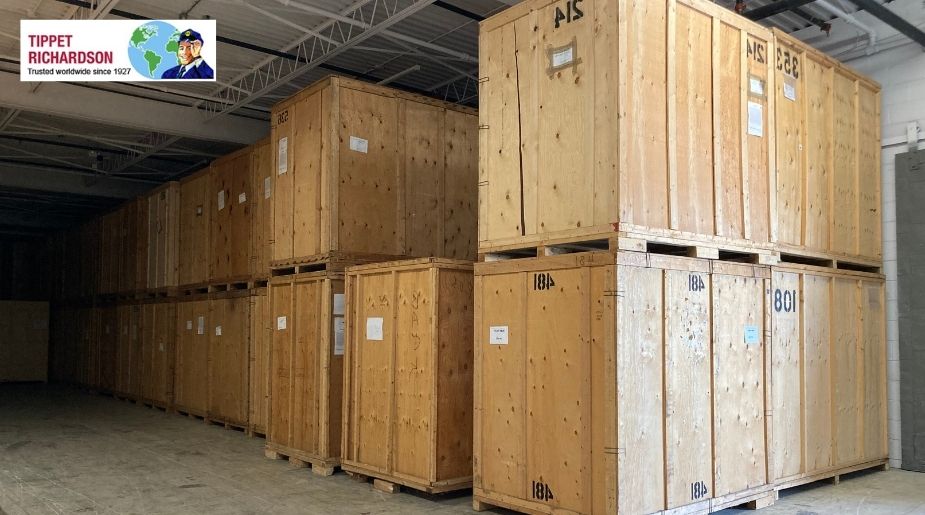
- Household storage solutions create useful space during moves, renovations, downsizing, and life changes.
- Choose a unit by measuring what you will store, how often you need access, and whether special care is required.
- Toronto condos, elevators, parking rules, older homes, and narrow access routes require careful planning.
- Good preparation protects furniture and makes short term storage Toronto arrangements easier to manage.
- A moving and storage company Toronto residents trust can coordinate packing, transport, storage, and delivery.
Household storage solutions can give you practical extra space when your home, move, renovation, or family circumstances make keeping everything on site difficult. The right arrangement protects your belongings while keeping access, timing, cost, and future delivery under control.
In Toronto, storage planning often involves condo elevator bookings, restricted parking, older buildings, changing possession dates, seasonal belongings, and furniture that needs more care than a simple box in a basement.
This guide explains when storage makes sense, how to choose a storage space, how to estimate space, how to prepare household goods, and when professional moving support is worthwhile.
Why household storage solutions Make Sense in Toronto
Storage is most useful when it solves a specific space or timing problem rather than becoming an indefinite place to put items you have not decided about. Before choosing a facility, identify what has created the need for extra space and how long the arrangement is likely to last.
That decision affects the unit size, preparation, access requirements, and whether you should move the belongings yourself or have them professionally handled.
During a Move with Different Closing Dates
A gap between leaving one property and entering another is one of the clearest reasons to use storage. Your household may need to leave a Toronto house or condo before the next home is ready, or a purchase may close separately from a sale.
Household storage solutions work better when you confirm storage timing in advance.
Storage keeps your belongings protected during that transition instead of forcing you to arrange rushed temporary accommodation or an unsuitable second move.
The important point is to plan for the full sequence: collection, storage intake, time in storage, and final delivery. If the dates are uncertain, ask how changes to the delivery plan will be managed and keep essential documents, medication, work equipment, valuables, and a small set of clothing with you.
For household storage solutions, document storage timing before collection.
During Renovations and Repairs
Renovation work creates dust, vibration, paint fumes, trades access, and the risk of accidental damage. Even when a contractor covers floors and furniture, rooms often need to be cleared more completely than homeowners first expect.
Moving furniture and boxes away from the work area can protect them and give tradespeople enough room to work safely.
For a kitchen, bathroom, or whole-home renovation, consider whether the items need to be removed for a few weeks or stored for several months. A short arrangement may suit a limited project, while a longer renovation requires stronger preparation and a plan for occasional access.
When comparing household storage solutions, ask how the arrangement addresses storage timing.
When Downsizing or Managing an Estate
Downsizing frequently creates a period in which decisions must be made gradually. You may be waiting for a sale, coordinating a family discussion, or deciding which pieces will fit in a smaller home. Storage can provide breathing room, but it should not replace a clear review plan.
Household storage solutions are easier to manage when you review the estimate scope early.
For an estate, prepare an inventory before moving anything. Separate items that need immediate distribution from those requiring appraisal, family approval, donation, or sale. Keep records of where items are placed so that one family member does not have to search through every box later.
For Seasonal and Lifestyle Items
Skis, patio furniture, bicycles, holiday decorations, sporting equipment, and occasional-use furniture can take over a garage, basement, or condo locker. Storing these items can free valuable living space, especially in apartments with limited private storage. Good household storage solutions keep storage timing visible in the storage plan.
Seasonal storage works best when boxes are labelled by the season and access priority. Put items needed first near the front of the unit, provided this does not compromise safe stacking or the protection of other belongings.
How to Choose a Storage Space for Your Household
The best storage facility Toronto residents choose is not necessarily the one with the largest unit or the lowest advertised monthly rate. You need a facility and service arrangement that match the belongings, access pattern, duration, building conditions, and level of assistance required.
Before arranging household storage solutions, clarify storage timing with the provider.
Treat the choice as a practical risk and convenience decision.
Start with the Items, Not the Unit Size
Make a rough inventory before comparing storage options. Record large furniture, appliances, boxes, fragile objects, artwork, electronics, seasonal goods, and anything that may need special handling. Measure unusually shaped items such as sectional sofas, bed frames, shelving, exercise equipment, and dining tables.
A written inventory prevents two common errors. The first is renting too little space and creating unsafe, inaccessible piles. The second is paying for substantially more space than you need because the contents were never measured or sorted.
Household storage solutions should reflect storage timing rather than a generic assumption.
Allow room for safe movement and access. A tightly packed unit may technically hold everything, but it becomes difficult to inspect, retrieve, or remove one item without disturbing the rest. If you expect to visit the unit regularly, access space matters as much as floor area.
Consider Access and Frequency of Use
Ask yourself how often you will need the belongings. If the items are going into storage until a future move, limited access may be acceptable. If you are storing business records, children’s equipment, seasonal items, or furniture needed during a phased renovation, convenient access becomes more important.
Household storage solutions work better when you confirm temporary storage needs in advance.
Check the facility’s current access arrangements directly. Hours, booking practices, vehicle access, loading areas, lifts, entry procedures, and restrictions may differ. Do not assume that a facility suitable for a few boxes will be equally convenient for a large household collection.
Ask How the Belongings Will Be Handled
There is a difference between renting space and arranging a complete household storage service. With a self-managed unit, you normally take responsibility for packing, lifting, transport, placement, and future removal. For household storage solutions, document temporary storage needs before collection.
A professional provider may be able to coordinate some or all of these steps, depending on the service required and the current scope of its offering.
At Tippet Richardson, our storage conversations begin with the household situation: what is being stored, where it is located, what access is available, and when it may be needed again. That helps determine whether a storage-only arrangement, packing support, moving support, or a combined plan is the most sensible option.
When comparing household storage solutions, ask how the arrangement addresses temporary storage needs.
Understand Protection and Responsibility
Ask what preparation is recommended for furniture, upholstered items, wood, electronics, mirrors, artwork, and fragile household goods. Confirm how the items will be documented, whether an inventory is prepared, and what responsibilities apply to the belongings while they are stored.
Coverage and terms can vary, so review the applicable agreement rather than relying on assumptions. Household storage solutions are easier to manage when you review temporary storage needs early.
Do not place damp items, food, unclean appliances, or materials that could attract pests into storage. If an item has a high personal or financial value, mention it before the move so the handling plan can be assessed properly.
Requesting a free moving quote is useful even when your main need is storage. The quote discussion can reveal the real cost of packing, collection, storage preparation, and later delivery rather than focusing only on a unit’s monthly charge.
Good household storage solutions keep budget assumptions visible in the storage plan.
What Size storage space Do You Actually Need?
A storage space size guide can help you begin, but no standard size chart can replace an inventory. Household contents vary widely: one two-bedroom home may contain compact furniture and few boxes, while another may include a basement workshop, a large dining set, sports equipment, and extensive shelving.
Use size guidance as a starting point, then confirm the dimensions against your actual items. Before arranging household storage solutions, clarify budget assumptions with the provider.
Build a Simple Space Estimate
Group belongings into three categories: large furniture, packed boxes, and irregular or delicate items. Large furniture usually determines the basic footprint. Boxes can often be stacked, but only when their contents and construction make stacking safe.
Irregular objects may require more space than their measurements suggest because they cannot be placed efficiently.
A practical estimate should also allow for protective wrapping and safe handling. Mattresses, upholstered furniture, and delicate wood pieces should not be compressed or wedged tightly together. Leave enough room to inspect surfaces and retrieve items without dragging them across the floor.
Household storage solutions should reflect budget assumptions rather than a generic assumption.
Think in Terms of Volume and Access
Two units with similar floor areas can work very differently depending on height, shape, doorway width, and internal access. A unit that accommodates stacked cartons may not suit a tall wardrobe, a large mirror, or a long table. Confirm the actual dimensions and access route before committing.
Household storage solutions work better when you confirm the delivery sequence in advance.
If you need occasional access, create a simple placement plan. Put frequently needed items near the front, heavier pieces low and stable, and fragile goods where they will not be crushed or exposed to movement. Avoid creating a single wall of boxes that blocks everything behind it.
Sort Before You Store
Storage is more efficient when you decide what genuinely needs to be kept. Use the move as an opportunity to separate items for donation, recycling, sale, family distribution, or disposal. Reducing volume can lower the space required and make future unpacking much easier.
For household storage solutions, document the delivery sequence before collection.
Label each box on more than one side. Include the room, a brief description, and an access priority such as “first week,” “seasonal,” or “long term.” Keep a matching inventory on paper or digitally, but do not rely on memory after a busy move.
Prepare Furniture and Household Goods Properly
Empty drawers and cabinets before moving them. Remove detachable legs, shelves, and hardware where appropriate, and keep fittings in clearly marked bags attached to the related item. Do not assume that wrapping alone will protect a piece if it is unstable, damp, or poorly supported.
When comparing household storage solutions, ask how the arrangement addresses the delivery sequence.
Use suitable protective materials and avoid sealing items before they are completely clean and dry. Appliances need particular attention: clean and dry them, secure removable parts, and follow the manufacturer’s guidance where relevant.
Paintings, mirrors, and other fragile pieces should be identified before collection so they can be assessed for suitable packing and positioning. Household storage solutions are easier to manage when you review the delivery sequence early.
A professional assessment can be especially helpful when the contents include antiques, delicate artwork, a piano, large glass pieces, or furniture that cannot be safely dismantled. The goal is not simply to fill a unit; it is to make the next handling stage as safe and predictable as possible.
Read also: What Can You Bring to Australia When Moving from Canada? Household Goods Guide
Toronto Move Planning: Access, Timing, and Storage Coordination
Toronto homes create practical challenges that can affect the entire storage plan. Good household storage solutions keep the delivery sequence visible in the storage plan.
A storage arrangement may be straightforward once the belongings are inside, yet difficult on moving day because of a reserved elevator, a narrow stairwell, a busy street, a long carry from the truck, or a building rule that was not confirmed in advance.
Good planning starts at both ends of the move.
Check Condo and Building Requirements Early
For a condo move, confirm elevator reservation procedures, approved move times, loading access, security desk requirements, floor protection rules, and any certificate or documentation the property requires. Requirements vary between buildings, and the property manager or condominium corporation remains the appropriate source for current rules.
Before arranging household storage solutions, clarify the delivery sequence with the provider.
Older Toronto homes can present different issues. Narrow doorways, steep stairs, low clearances, additions, and limited parking may affect the sequence of removal. Measure large items and identify the most difficult piece before moving day, not when it is already in the hallway.
Plan Parking and Vehicle Access
A truck must be able to stop close enough for safe loading. Street parking, construction, snow, road work, bike lanes, delivery restrictions, and neighbouring vehicles can change the practical access available on the day. Household storage solutions should reflect the delivery sequence rather than a generic assumption.
If access is limited, tell the moving coordinator in advance and provide photographs or measurements when requested.
Do not assume that a small distance is insignificant. A long carry increases handling time and may affect how furniture is protected. In a high-rise, the route from the suite to the loading area can be more important than the distance to the storage facility.
Household storage solutions work better when you confirm space constraints in advance.
Protect the Date Sequence
Write down four dates or date ranges: when items leave the home, when they enter storage, when the new property may be ready, and when delivery is expected. If one date is uncertain, identify a decision point for confirming it.
This is particularly important when a possession date, renovation schedule, insurance repair, or family transition is still changing. For household storage solutions, document space constraints before collection.
For a combined moving and storage company Toronto households can use, ask how the provider will coordinate the collection and later delivery. A single coordinated plan may reduce repeated handling, but the right arrangement depends on the locations, dates, contents, and service scope.
Keep a Small Essential Set Outside Storage
Prepare an essentials group before the main collection. Include identity and property documents, medication, chargers, basic cookware, towels, work materials, children’s necessities, pet supplies, and clothing for the expected period. Mark these items clearly and keep them with you if you will need them before delivery.
When comparing household storage solutions, ask how the arrangement addresses space constraints.
At Tippet Richardson, we often see avoidable stress arise because essential items were packed with long-term storage contents. A short conversation about what must remain accessible can improve the whole plan, especially when the house moving between temporary and permanent accommodation.
How Long Can You Keep Items in Storage?
There is no single answer to how long can you keep items in storage because the suitable period depends on the item, its preparation, the storage environment, the agreement, and how often you inspect or access it.
Household storage solutions are easier to manage when you review space constraints early.
Short term storage Toronto customers use for a move may last weeks or months, while renovation, downsizing, estate, or travel-related needs may continue longer.
Short-Term Storage Requires a Different Plan
For a short gap between homes, focus on accurate dates, rapid access to essentials, and a straightforward delivery plan. You may not need to organise the unit for frequent visits, but you still need clear labels and an inventory so the final move does not become a search exercise.
Use sturdy boxes that can be handled repeatedly. Avoid overfilling cartons, especially with books, records, or kitchenware. Heavy items belong in smaller boxes, while lighter items can go in larger cartons without making them difficult to lift.
Good household storage solutions keep space constraints visible in the storage plan.
Longer Storage Requires Periodic Review
For a longer period, revisit the inventory and the reason for storing each category. Circumstances change: a renovation may finish, a downsized home may be furnished, or family members may decide who will keep particular possessions. A review can prevent paying for items that no longer serve a purpose.
If you need access during the storage period, record what was removed and what remains. Check that boxes have not become difficult to identify and update contact details or delivery instructions when your circumstances change. Ask the provider about current procedures rather than assuming the original arrangements remain unchanged.
Before arranging household storage solutions, clarify immigration dates with the provider.
Items That Need Extra Care
Furniture, textiles, electronics, artwork, photographs, documents, and wood goods deserve more careful preparation than ordinary durable items. Climate controlled storage Toronto searches often reflect concern about temperature and humidity changes, but suitability depends on the specific item and the facility’s current conditions.
Household storage solutions should reflect space constraints rather than a generic assumption.
Ask what environment and preparation are recommended for your belongings.
Keep photographs, irreplaceable documents, medication, perishable goods, plants, hazardous materials, and other unsuitable items out of storage unless the provider has expressly confirmed that they can be accepted. Requirements can vary, so verify before packing.
Review the Total Cost, Not Just the Monthly Charge
The full cost may involve packing materials, professional packing, collection, transport, storage, access, valuation or protection arrangements, and eventual delivery. A cheaper unit that is difficult to reach or poorly suited to the contents may cost more in time and repeated handling.
Household storage solutions work better when you confirm the household inventory in advance.
Ask for a clear explanation of what is included in any quotation and what may vary. The right question is not simply, “What is the monthly price?” It is, “What will it take to protect, store, retrieve, and deliver these belongings safely?”
Wrapping Up
Household storage solutions are most effective when they are planned around a real need: a gap between homes, a renovation, downsizing, an estate, seasonal overflow, or a temporary change in family circumstances.
Start with an inventory, reduce what does not need to be kept, estimate space realistically, and plan access at both the home and storage locations.
Toronto conditions make early coordination particularly valuable. Condo bookings, parking, older homes, fragile belongings, uncertain dates, and future delivery can all affect the experience. Whether you need short term storage Toronto support or a longer arrangement, confirm the current service scope, handling process, access requirements, and applicable terms before proceeding.
Tippet Richardson has served Toronto households since 1927, and our experience is grounded in the careful planning that storage requires before, during, and after a move.
If you are comparing household storage solutions, a discussion about your belongings, timing, access, and next destination can help you choose a practical plan with greater confidence.