

- You can move to Luxembourg from Canada, but residence permission must be addressed before shipping.
- A complete packing checklist should separate shipped goods, luggage, documents, and restricted items.
- Your international moving company should explain packing, inventory, transport, customs paperwork, and delivery responsibilities.
- Shipping method, household size, destination access, and storage needs all affect the move plan and cost.
- Early preparation reduces border delays and gives your household more control during the transition.
To move to Luxembourg from Canada successfully, you need to coordinate residence requirements, household preparation, shipping documents, customs information, and delivery arrangements before your belongings leave the country. This guide explains how to approach each decision without treating an international move as a simple long-distance relocation.
Luxembourg is compact, multilingual, and closely connected to neighbouring European countries, but moving there still involves decisions that Canadian households may not face at home. Your residence purpose, destination address, furniture choices, packing method, and timing can all affect the experience.
The sections below show what to organise first, what to verify with the relevant authorities, and how an experienced international moving company can help manage the physical move.
Planning Your Move to Luxembourg Before Shipping
The most reliable international moving services begin with administrative planning, not packing boxes. Before requesting transport, establish why you are moving, where you expect to live, what you are taking, and which documents will support your arrival.
Requirements can vary according to nationality, length of stay, employment or study status, family circumstances, and the type of residence permission involved, so official Luxembourg and Canadian sources should remain your final authority.
Confirm Your Right to Reside
A Canadian passport may allow short visits to the Schengen Area under applicable visa-exemption rules, but a short visit is not the same as permission to live in Luxembourg.
If your household intends to stay beyond the permitted visitor period, work, study, join family, or establish residence, investigate the appropriate authorisation and registration steps well before departure; review this before you move to Luxembourg.
Do not assume that a signed lease, employment offer, or shipment booking replaces immigration approval. Ask the relevant Luxembourg authority, consulate, employer, school, or family-reunification contact which documents apply to your situation.
Keep copies of passports, civil-status records, employment or study documents, insurance information, and residence correspondence in your hand luggage rather than in the shipment.
Build a Move Calendar Around Dependencies
Some tasks can happen in parallel, while others depend on earlier decisions. For example, you may compare moving companies while applying for residence permission, but you should not finalise a collection date until your destination plan is credible.
Housing, building access, employment start dates, school calendars, and document processing can all affect the best shipping window; discuss this before you move to Luxembourg.
A practical sequence is to confirm your immigration pathway, estimate the volume of goods, decide what will not travel, review destination housing and access, arrange professional packing if needed, and then complete the inventory and shipping documentation.
Build flexibility into the plan because government processing, port movement, inspections, and destination delivery arrangements may not follow the dates you first expect.
Decide What Deserves International Shipment
Shipping every possession is rarely the most sensible choice. Compare the replacement cost and emotional value of an item with the space it occupies, its suitability for your new home, and the cost and effort of moving it.
Large, inexpensive furniture may be less practical to ship than to replace, while specialist equipment, heirlooms, artwork, or well-made pieces may justify inclusion; keep this in mind when you move to Luxembourg.
Also consider the layout of the new property. A sofa that fits comfortably in a detached Toronto home may not pass through a narrow European stairwell or fit a smaller Luxembourg flat.
If you have not secured housing, avoid shipping bulky items until you understand the destination dimensions and access conditions.
Considering a move to Luxembourg from a Toronto or Ontario home? Tippet Richardson can review your household volume and moving requirements so you can request a free moving quote based on a more realistic inventory.
How Do You Move to Luxembourg from Canada?
The short answer is to treat the move as four connected plans: personal eligibility, household preparation, international transport, and destination delivery. A decision in one area can change the others.
For instance, a temporary rental may make storage more useful, while an unfurnished long-term home may justify shipping more household goods.
Choose the Transport Approach
Household shipments commonly travel by sea when volume, cost control, and non-urgent delivery are priorities. Air transport may suit a small quantity of essential belongings or items needed quickly, but available space and pricing can vary.
Some households use a combination: luggage and a small set of essentials travel with the family, while the main household shipment follows separately; review this before you move to Luxembourg.
The right choice depends on the size of the shipment, your budget, how soon you need particular items, and whether you have a secure destination for delivery.
Ask for a clear explanation of what the estimate includes, which stages are handled by the mover, how access is assessed, and what assumptions have been made about the address in Luxembourg; confirm this before you move to Luxembourg.
Understand the Inventory and Customs Record
An accurate inventory is more than a list of “boxes” or “personal effects.” It should give a useful description of the contents, identify high-value or fragile articles, and distinguish household goods from items that may require special treatment.
Photographs can support your own records, particularly for valuable furniture, electronics, artwork, and antiques.
Avoid packing prohibited, restricted, or undeclared goods. Food, plants, medicines, firearms, ammunition, hazardous materials, alcohol, and animal products may be subject to specific rules or may not be suitable for an ordinary household shipment. Requirements can change according to the item, origin, destination, and intended use.
Ask your mover what information is needed and verify official requirements before packing; review this before you move to Luxembourg.
Plan for Customs Without Guessing
Import treatment for used household goods may depend on factors such as your residence status, prior ownership and use, length of time outside Luxembourg, and whether the items are for personal use.
Relief from certain duties or taxes may be possible in some circumstances, but it is not automatic for every household or shipment.
Your documentation should be consistent across your inventory, residence records, identification, and transport paperwork. If an authority requests evidence of ownership, residence, or previous use, missing information can create extra questions.
An international moving company can help organise the shipment file, but official customs authorities determine how the rules apply to your circumstances; record this when you plan to move to Luxembourg.
At the quotation stage, ask whether the proposed service covers origin packing, export preparation, ocean or air transport, destination handling, customs support, delivery, unpacking, debris removal, and storage. Do not compare estimates based only on the headline price; compare the scope and the responsibilities left with you.
Planning the cost of moving abroad is easier when your shipment scope is clear. Discuss your packing, storage, and delivery requirements with Tippet Richardson and request a free moving quote that reflects the actual work involved.
Build a Packing Checklist That Works Across Borders
International packing is different from preparing for a local move. A domestic box may be handled for a short period and opened quickly; an overseas shipment may pass through several stages and remain closed for much longer.
Good packing protects the contents, supports an accurate inventory, and makes arrival more manageable.
Sort Items into Four Groups
Before packing begins, divide your belongings into four practical groups: items travelling with you, items going into the shipment, items for storage, and items to donate, sell, recycle, or dispose of.
This prevents passports, medications, chargers, work documents, and essential clothing from being sealed in the freight shipment; confirm this before you move to Luxembourg.
Your travel luggage should cover the first days or weeks, not just the flight. Include documents, prescriptions, basic clothing, children’s necessities, device chargers, and anything required for work or school.
Keep an electronic and paper copy of key records in separate secure locations; keep this in mind when you move to Luxembourg.
For the shipped goods, prioritise items that are useful, durable, suitable for the destination home, and difficult or costly to replace. Make a separate list of high-value items and tell the mover about them before packing rather than discovering special requirements on collection day.
Prepare Items That Need Extra Care
Glassware, artwork, musical instruments, antiques, electronics, and sentimental objects should not be treated as ordinary cartons. Their shape, material, value, condition, and sensitivity may affect how they are wrapped, crated, labelled, or positioned.
Factory packaging is helpful for some electronics, but it may not be enough after years in storage or if the carton has deteriorated; check this early if you move to Luxembourg.
Do not pack damp items, garden soil, open liquids, or goods that could leak and affect neighbouring cartons. Clean outdoor equipment carefully and check whether soil, seeds, or biological material create an import concern.
Keep batteries, aerosols, fuels, and other potentially hazardous items out of the shipment unless specifically accepted under the applicable rules.
Prepare for a Different Home and Climate
Luxembourg has a temperate climate with cool winters and generally mild summers, but the more important issue for your belongings may be the building itself. Older homes, apartments, basements, shared entrances, lifts, staircases, and limited kerb space can create access constraints.
Measure large furniture where possible and retain assembly instructions for items that may need to be dismantled; check this early if you move to Luxembourg.
A professional packing team can also identify risks that are easy to miss during a rushed self-pack. For example, a carton that looks secure in a garage may not be suitable for extended handling, and a loosely wrapped chair leg can damage other goods.
Ask how fragile and high-value items will be recorded and protected.
If you are self-packing, use strong, appropriately sized cartons, avoid overloading them, cushion voids, label rooms consistently, and keep the inventory accurate. If you choose professional packing, remain available to identify valuables, exclusions, and items that must travel with you; confirm this before you move to Luxembourg.
What Happens After Your Shipment Leaves Canada?
The period between collection and delivery can feel uncertain because your household is moving through several stages while you may already be living in Luxembourg. A written process and a realistic contact plan are therefore as important as the packing itself.
Keep an Arrival File with You
Your arrival file should contain identity documents, residence correspondence, the shipment inventory, moving company contacts, insurance or valuation documents, housing information, and records needed for customs or delivery. Do not place the only copy of any essential document inside the shipment; add this to your plan to move to Luxembourg.
You should also record the condition and identifying details of valuable possessions before collection. Keep photographs, serial numbers, receipts where available, and a copy of the signed inventory.
These records are useful for your own control and may be relevant if a question arises about an item; plan for this if you move to Luxembourg.
Prepare the Luxembourg Address
Before delivery, confirm that the building can receive the shipment. Ask the landlord, property manager, or building administrator about lift dimensions, booking requirements, delivery hours, loading restrictions, parking, narrow streets, stairs, and any need for special access equipment.
In central or older areas, the final approach may be more restrictive than the road itself.
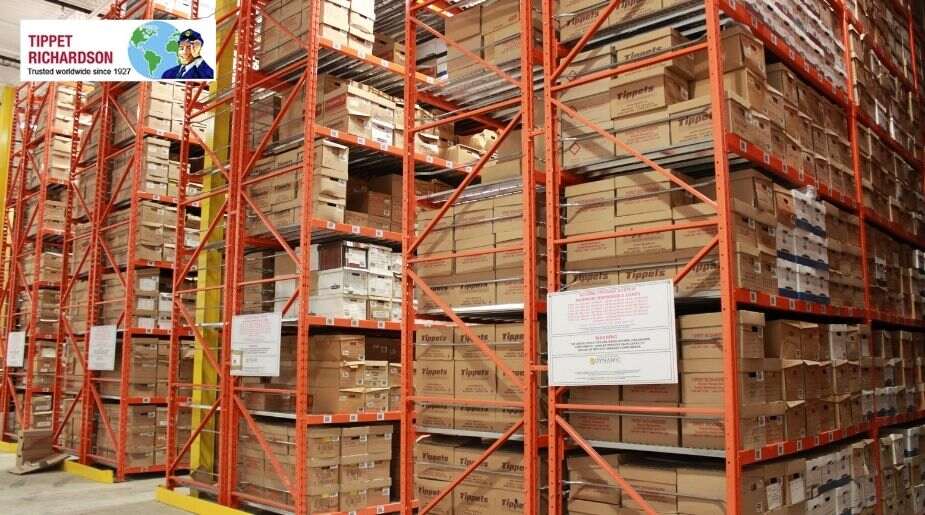
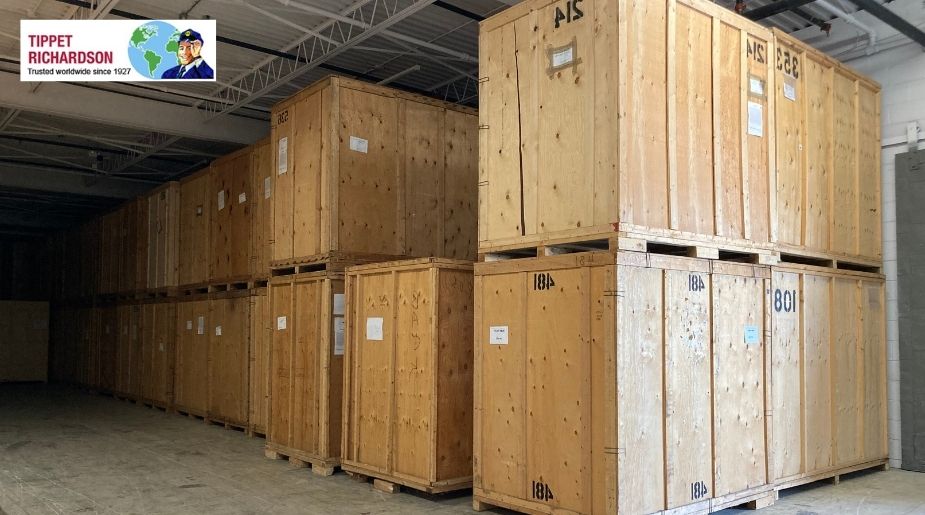
If your permanent home is not ready, ask about storage options and how delivery will be arranged later. Storage can be useful when a lease starts after your arrival, renovations are incomplete, or family members need time to settle.
However, it adds handling and another decision point, so clarify the charges, access arrangements, and delivery process before choosing it; add this to your plan to move to Luxembourg.
Plan the First Week, Not Only Delivery Day
A shipment may not contain everything you need immediately. Arrange temporary essentials such as bedding, towels, basic kitchen equipment, children’s supplies, and work items. If you are moving with pets, confirm their travel and entry requirements separately and do not place necessary animal documentation or medication in the shipment.
On delivery day, inspect cartons and larger pieces before signing any paperwork, following the mover’s stated process. Note apparent damage or missing items promptly and retain documents and photographs.
The aim is not to expect problems; it is to ensure that any concern is recorded clearly while the details are fresh; discuss this before you move to Luxembourg.
Allow for Language and Local Coordination
Luxembourg uses Luxembourgish, French, and German in public life, and English is common in many international settings. Still, a local building notice, lease clause, delivery instruction, or official form may not be in the language you use most comfortably.
Keep written details organised and ask for clarification rather than relying on assumptions.
An experienced mover can help connect the collection plan, shipment records, and delivery arrangements, but you remain responsible for confirming personal immigration, housing, and official requirements.
Clear ownership of each task prevents the common mistake of assuming that one party is handling everything; keep this in mind when you move to Luxembourg.
The Canadian moving services market was valued at USD 9.06 billion in 2024 and is projected to reach USD 14.08 billion by 2033, expanding at a compound annual growth rate (CAGR) of 5.05% during the forecast period.
Choosing an International Moving Company for Luxembourg
The best international moving company is not simply the one offering the lowest initial estimate. You need a provider that asks useful questions, explains the service boundaries, documents your goods carefully, and communicates what happens at each stage. The quality of the planning is often visible before collection day.
Questions to Ask Before You Book
Ask whether the company handles residential international moves to Luxembourg, which parts of the move are performed by its own team or partners, how the inventory is prepared, and how fragile or high-value goods are assessed.
Confirm the proposed transport method, origin and destination services, storage options, insurance or valuation choices, and the process for raising concerns; add this to your plan to move to Luxembourg.
You should also ask what assumptions are included in the estimate. Does it depend on a particular access condition, delivery address, packing level, shipment volume, or collection date? What happens if the destination property changes? A dependable quotation should make uncertainty visible rather than hiding it.
Compare Value, Not Just Price
Two estimates may differ because one includes professional packing, detailed inventory work, destination delivery, storage handling, or more realistic access assumptions. Conversely, a higher price is not automatically proof of better service.
Compare the written scope, exclusions, communication arrangements, and experience relevant to residential moving; record this when you plan to move to Luxembourg.
Be cautious of an estimate produced without enough information about stairs, lifts, parking, volume, special items, or the destination. The earliest number is not necessarily the most useful number. A proper assessment may involve a survey, photographs, a detailed inventory, or a conversation about your move circumstances.
Why Experience Matters for a Canadian Household
Moving from Canada to Luxembourg combines a household transition with international transport and official documentation.
A company with long-standing moving experience can help you identify practical questions early, such as whether your furniture suits the destination property, whether the shipment needs storage, or which belongings should remain with you during travel; confirm this before you move to Luxembourg.
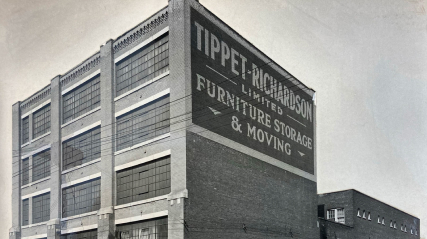
Tippet Richardson has supported Canadian households for nearly a century and provides international residential moving support where the service fits the move requirements. Our role is to help you understand the physical moving process, prepare the shipment properly, and coordinate the details that are within the moving service.
Immigration and customs authorities remain responsible for their own decisions and requirements.
The strongest plan is one you can explain in plain language: what is travelling, when it is collected, how it is packed, which documents are required, where it will be delivered, and who to contact if your circumstances change.
Wrapping Up
To move to Luxembourg with fewer surprises, begin with your residence pathway, then make deliberate decisions about your household, documents, packing, transport, storage, and destination access.
A detailed packing checklist and accurate inventory will support the shipment, but they should sit within a wider plan that reflects your housing, timing, family needs, and official obligations.
You do not need to make every decision alone, but you do need to know which decisions belong to you and which can be supported by your moving company. Tippet Richardson can help Canadian households plan international residential moves with practical attention to packing, shipment preparation, storage, and delivery requirements.
With nearly a century of moving experience, our focus is careful preparation and clear communication from the first conversation to the final stage of your move to Luxembourg.