
Moving fine art and antiques is not just about transporting items from one place to another—it demands meticulous attention to detail, careful handling, and a deep understanding of how to protect delicate, priceless pieces. If you’re looking to move fine art and antiques, the challenges can quickly multiply. These objects often have fragile surfaces, intricate details, or are composed of materials sensitive to environmental changes, meaning any misstep during packing or transit can cause irreversible damage.
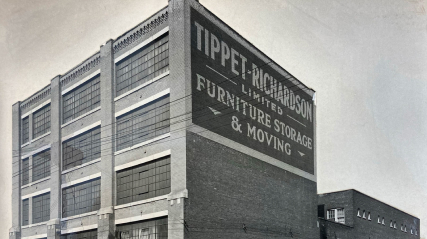
In Toronto, Tippet Richardson stands out as a trusted provider of fine art moving services, bringing decades of experience since its founding in 1927. This heritage ensures that your valuable items receive museum quality packing and handling, employing techniques designed specifically for artwork transportation and fragile items moving. Whether it’s an antique cabinet, a precious oil painting, or a delicate sculpture, the pros at Tippet Richardson know precisely how to prepare and safeguard each piece.
The process of moving fine art and antiques involves more than just wrapping and boxing. It starts well before the move with detailed planning, considering factors like size, fragility, and value of each item. Expert movers also assess the best materials and custom packaging methods needed to prevent shifting or vibration during transportation. These steps are crucial as they dramatically reduce the risk of damage.
This guide is crafted to help you understand how to move fine art and antiques safely, emphasizing effective antique packing tips, custom crating for unique pieces, and strategies to maintain optimal conditions during transport. With the right approach, you can have peace of mind that your cherished items will arrive just as pristine as when they left your hands. As we continue, you’ll discover why professional expertise is essential and how selecting the right partners in Toronto can make all the difference.
Understanding the Importance of Professional Fine Art Moving Services
Why Moving Fine Art and Antiques Demands Specialized Care
Moving fine art and antiques requires more than just careful lifting or packing. These objects are often irreplaceable, carrying deep historical, monetary, or sentimental value. Many antiques are fragile due to age, material composition, or craftsmanship, making them vulnerable to damage from even minor shocks or environmental fluctuations. Paintings, for example, can suffer cracking or discoloration if exposed to humidity or temperature shifts, while delicate porcelain or wooden antiques might chip or warp under pressure.
Because typical moving methods lack the precision required to protect these sensitive items, specialized care becomes essential. Professional fine art moving services focus on protecting every detail by employing techniques that mitigate risks unique to artwork and antiques. Understanding these nuances ensures your items remain intact and retain their value throughout the entire moving process.
Risks of Improper Handling and Packaging
Improper handling and packaging of fine art and antiques can lead to costly and permanent damage. Wrapping an antique in generic packing paper or placing a valuable painting without proper cushioning can result in scratches, cracks, or dents. Transporting items without custom crates or adequate padding exposes them to shifting during transit, increasing the risks of breaks or structural damage.
Additionally, improper handling can cause unseen damage like frame loosening, canvas tears, or surface abrasions that diminish an artwork’s aesthetic and market value. Environmental risks such as exposure to moisture or extreme temperatures further threaten fragile pieces when not packed using museum quality packing techniques. Without professional intervention, the chance of damaging your cherished pieces rises dramatically.
How Expert Fine Art Movers Protect Your Investment
Experienced fine art movers bring specific knowledge and resources to safeguard your valuables throughout the relocation journey. They begin with a thorough assessment of each piece’s fragility and transport requirements. Using high-grade materials, including acid-free wrapping, foam padding, and custom-built crates, professionals create a protective environment tailored to each item.
During artwork transportation, expert movers employ climate-controlled vehicles to maintain stable humidity and temperature levels, critical for preserving sensitive materials. Their handling methods are designed to eliminate unnecessary movement and secure items firmly, preventing damage during loading and unloading. These professionals also plan routes and timing to reduce transit time and mitigate external risks.
By choosing expert fine art moving services, you protect your investment not just physically but financially, avoiding potential repair costs and maintaining the intrinsic value of your collection.
Tippet Richardson’s History and Expertise in Toronto’s Art Moving Scene
Tippet Richardson has earned a reputation in Toronto for fine art moving services by combining almost a century of experience with dedication to museum quality packing standards. Established in 1927, the company understands the intricacies involved in handling fragile items moving, especially for fine art collectors and antique owners in the Greater Toronto Area.
Their team works closely with clients to provide tailored antique packing tips and personalized moving plans. This attention to detail has made Tippet Richardson a trusted name for artwork transportation across Toronto and beyond. By integrating advanced packing methods with a commitment to customer care, they ensure every move is executed with professionalism and precision.
When you move fine art and antiques with Tippet Richardson, you receive the peace of mind that your valuable pieces are in experienced hands, backed by a legacy of expertise in the Toronto fine art moving industry.
Read also: Moving from Toronto to New York City: Cross-Border Customs and Timeline
Planning Your Move: Preparation Tips for Fine Art and Antiques
Creating a Detailed Inventory of Your Art and Antiques
A successful fine art and antiques move starts with thorough preparation, and one of the most crucial steps is creating a detailed inventory of all your items. This inventory serves as the foundation for organizing your move and ensuring nothing gets overlooked. List each piece with clear descriptions, including the artist or maker, dimensions, materials, condition, and any identifying marks or serial numbers.
Photographing every item adds an extra layer of protection, providing a visual record to compare before and after the move. This documentation is invaluable not only for tracking but also for insurance purposes. By systematically cataloguing your collection, you equip your fine art moving services provider, such as Toronto’s trusted Tippet Richardson, with vital information to tailor packing and transportation methods specific to each piece.
Assessing Fragility and Value to Determine Packing Needs
Not all art and antiques require the same level of care—understanding each item’s fragility and value helps determine appropriate packing techniques. Fragile items like glassware, porcelain, or delicate sculptures need reinforced cushioning and customized crating, while sturdier pieces might require less intensive padding but still demand careful handling.
Value also plays a role; highly valuable or one-of-a-kind works benefit from museum quality packing materials designed to prevent damage from vibration, moisture, and temperature changes. In consultation with experienced fine art movers, you can prioritize which items deserve extra layers of protection, ensuring your priceless collections receive the attention they need during fragile items moving and artwork transportation.
Scheduling and Coordinating with Fine Art Moving Professionals
Timing and coordination are key when planning your fine art and antiques move. Early engagement with professional fine art moving services in Toronto allows for a comprehensive assessment and tailored moving plan. Schedule pre-move consultations to discuss inventory details, packing preferences, and special requirements.
Coordinating move dates flexibly helps accommodate factors like climate conditions or building access, which can impact safety during loading and unloading. Open communication with your moving team ensures they’re prepared with the right equipment and packing supplies, reducing unexpected delays or risks during fragile items transport. Effective scheduling brings peace of mind and smooth execution on moving day.
Insurance Considerations and Documentation
Protecting your fine art and antiques financially is as important as physical protection. Before you move fine art and antiques, verify insurance coverage for transit. Many fine art moving services include basic liability, but this may not cover the full value of highly prized or rare works.
Consider obtaining additional insurance or “all-risk” policies that specifically cover accidental damage, theft, or environmental harm during artwork transportation. Keep copies of your detailed inventory and photographic documentation handy to facilitate claims if needed. Tippet Richardson’s team can guide you through insurance options, helping you balance risk protection with cost-effective solutions tailored to your specific moving requirements.
Taking these preparation steps seriously sets a strong foundation for the move, ensuring your fine art and antiques receive the utmost care right from the start.
Read also: Full Container vs. Groupage Shipping from Toronto: Which Is Right for Your International Move?
Museum Quality Packing: Best Practices for Moving Fine Art and Antiques Safely
Essential Supplies for Packing Fine Art and Fragile Items
When you move fine art and antiques, using the right packing materials is fundamental to preserving their integrity. Museum quality packing requires premium supplies designed to protect delicate surfaces, prevent shock, and control environmental exposure. Key materials include acid-free tissue paper to avoid chemical damage, multiple layers of bubble wrap with varied bubble sizes to cushion impacts, and sturdy corrugated boxes specifically rated for fragile items moving.
In addition, foam sheets and corner protectors guard frames and edges from abrasion, while packing peanuts or paper fill voids to prevent shifting inside crates or boxes. For highly sensitive antiques or sculptures, custom foam inserts shaped to the object’s contours provide tailored security. The correct tape—ideally water-activated gummed tape—is used to secure packaging without leaving harmful residues. These supplies form the backbone of museum quality packing that ensures your precious items stay safe in transit.
Step-by-Step Antique Packing Tips for Cabinets, Porcelain, and More
Antiques like cabinets or porcelain pieces require specialized packing techniques. Start by emptying and disassembling large cabinets if possible, packing drawers and shelves separately and cushioning them with acid-free paper. Wrap the entire cabinet with layers of bubble wrap, paying special attention to delicate veneers and ornate details, then secure with stretch film to keep padding in place.
For porcelain and ceramics, individually wrap each piece in acid-free tissue followed by bubble wrap. Avoid stacked packing unless custom crates or reinforced boxes provide sufficient separation and support. Small items should be boxed with plenty of cushioning material around them, protecting against vibrations and impacts.
Following these antique packing tips reduces the risk of chips, cracks, or scratches. It also simplifies unpacking—each item is clearly separated and protected, ready for safe installation upon arrival.
Wrapping and Cushioning Techniques for Paintings and Sculptures
Paintings demand extra vigilance when moving fine art and antiques. Begin by placing glassless paintings face-up on a clean, flat surface covered with acid-free paper. Wrap the canvas and frame with bubble wrap, ensuring the bubbles face outward to avoid imprinting on soft surfaces. Use corner protectors crafted for artwork frames, and then add a layer of cardboard or foam board to shield the entire piece.
Sculptures, often irregularly shaped and heavy, require custom crating or foam inserts tailored to their dimensions. Wrapping begins with soft blankets or foam sheets to shield against surface scratches, followed by bubble wrap for additional cushioning. Builders then secure the piece inside sturdy crates designed to immobilize it completely.
These wrapping and cushioning techniques reflect the museum quality packing standards that fine art moving services uphold, safeguarding your collection during every stage of transport.
Custom Crating and Protective Materials for Transportation
For the safest journey, many valuable or unusually shaped items require custom crates built specifically for their dimensions and fragility. Unlike generic boxes, custom crating uses kiln-dried wood and professional joinery, engineered to absorb shocks and prevent movement inside.
Padding inside the crates is layered with resilient foam, vibration-absorbing materials, and moisture barriers to maintain stable conditions during artwork transportation. Crates may also feature reinforced edges and locking mechanisms to secure the contents fully.
Custom crating is especially critical for fragile items moving over long distances or when crossing varying climates, as seen in many Toronto moves handled by experts like Tippet Richardson. This approach ensures your fine art and antiques arrive in pristine condition, exactly as they left your home.
By combining the right supplies, proven packing methods, and custom protective options, you create a museum quality packing system that is the cornerstone of successful fine art and antiques moves.
Read also: What Is the Best Time of Year to Move in Toronto?
Artwork Transportation: Ensuring Safe Transit from Toronto to Your Destination
Choosing the Right Vehicle and Equipment for Fragile Items Moving
Moving fine art and antiques demands specialized transportation solutions tailored to fragile items’ unique requirements. The choice of vehicle plays a crucial role in safeguarding your artwork throughout the journey. Fine art moving services typically use climate-controlled trucks or vans equipped with air-ride suspension systems to minimize vibrations and shocks during transit. These vehicles offer a smooth ride, protecting delicate pieces from jolts that can cause damage.
Equally important is equipping the vehicle’s interior with padded walls, securing straps, and non-slip flooring designed to prevent movement. Professional movers like Toronto’s Tippet Richardson ensure that the packing crates and boxes are carefully secured inside the vehicle to avoid shifting or collisions. Using the right equipment, including custom dollies, ramps, and lifts, makes loading and unloading safer for fragile items moving and protects both the artwork and the movers.
Climate Control and Handling Requirements During Transit
Environmental factors can severely affect antiques and fine art when not controlled properly during transportation. Fluctuations in temperature and humidity can lead to warping, cracking, mold growth, or fading of colours—damaging your valuable pieces irreversibly. That’s why museum quality packing is often paired with climate-controlled transit.
Maintaining stable temperature and humidity inside the vehicle protects sensitive materials such as canvas, wood, paper, and textiles. Expert fine art movers monitor these conditions continuously, adjusting climate controls in real time as needed. During fragile items moving in Toronto’s varying climate, these precautions prevent environmental harm and preserve the condition of your antiques and artworks until they reach their destination.
Loading and Unloading Practices to Avoid Damage
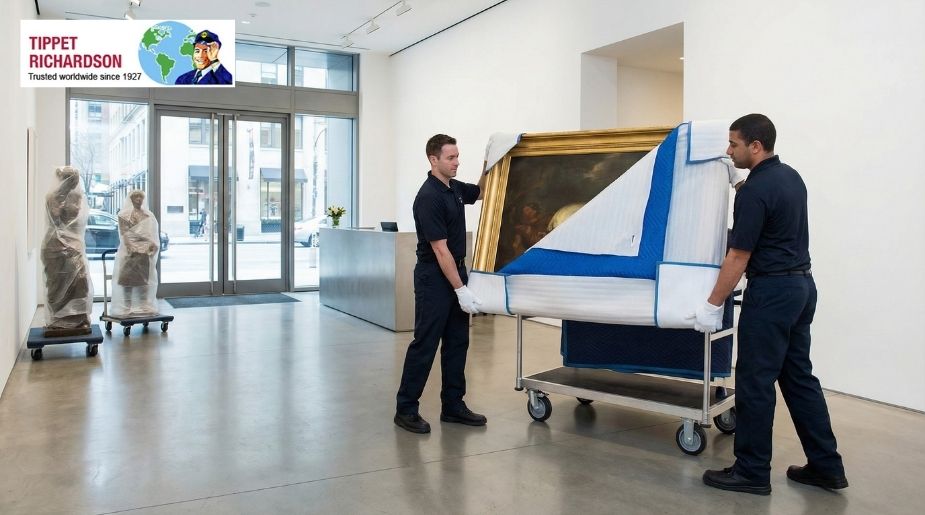
Loading and unloading are critical moments when fine art and antiques are most vulnerable. Skilled professionals follow strict protocols to minimise risks. Each item is handled individually using appropriate lifting tools, ensuring weight is distributed evenly and no undue stress is placed on fragile areas.
Loading begins by placing heavier crates on the bottom and lighter, more delicate items on top. Movers use soft padding between crates to prevent direct contact and avoid abrasion. When unloading, the sequence is carefully planned to mirror loading for a smooth, damage-free process. Toronto’s Tippet Richardson movers are trained extensively in these practices, reducing the chance of accidental knocks or drops at either end of the journey.
Tracking and Communication During the Move
Transparency during artwork transportation is vital for homeowner peace of mind. Trusted fine art moving services provide ongoing communication and shipment tracking, allowing you to monitor your items’ progress in real time. This proactive approach keeps clients informed about estimated arrival times, route changes, or potential delays.
Tippet Richardson offers personalized updates throughout the move, ensuring you feel connected to the process from pickup to delivery. Open communication between you and your moving team helps quickly address any concerns and demonstrates professional accountability. This seamless coordination is a hallmark of expert artwork transportation, ensuring your treasured fine art and antiques reach their new home safely and on schedule.
By carefully selecting the right vehicle, maintaining optimal conditions, adhering to precise handling protocols, and enabling clear communication, professional movers like Tippet Richardson guarantee secure, worry-free transit that honours the priceless nature of your fine art and antiques.
You may like: Ultra Luxury Moving for Fine Art Collections: How Tippet-Richardson Protects What Matters Most
Unpacking and Installing Fine Art and Antiques with Care
Proper Unpacking Techniques to Prevent Damage
Once your fine art and antiques arrive, the unpacking process must be handled with the same level of care as packing and transportation. Begin by finding a clean, spacious, and climate-stable area to unpack items slowly and methodically. Avoid rushing—removing wrapping materials gently using scissors or box cutters helps prevent accidental scratches or tears.
For paintings, unwrap the protective layers starting with outer foam or cardboard, ensuring you never touch the canvas or delicate surfaces directly. Porcelain and fragile antiques should be lifted out of their crates carefully, avoiding any sudden movements or pressure on weak points. Use proper support when handling pieces until they are fully freed from packing materials.
Following these careful unpacking approaches reduces the risk of transit-related damage and prepares each item for inspection and installation.
Inspecting Items for Any Transit-Related Issues
After unpacking, it’s essential to conduct a thorough inspection of your fine art and antiques to spot any potential damage incurred during the move. Look for scratches, dents, cracks, water spots, or loosened components that may have gone unnoticed during packing or transit.
Refer to the photographic inventory you created earlier for comparison and documentation. If any damage is found, notify your fine art moving services provider promptly. Toronto’s Tippet Richardson assists clients with damage assessments and follows up on insurance claims when necessary, ensuring you’re supported fully in protecting your valuable collection after the move.
Safe Installation and Display Tips
Proper installation safeguards your fine art and antiques from future harm and enhances their display. Use sturdy wall anchors rated for the weight of paintings or sculptures, and avoid hanging artwork in direct sunlight or near heat sources to prevent fading and material degradation.
For freestanding antiques, place them on level surfaces free of vibration or heavy foot traffic. Consider protective pads under furniture legs and avoid overcrowding spaces to minimize the risk of accidental bumps. Consulting specialists or the moving company about best practices for installation further ensures the longevity of your collection.
When to Call Tippet Richardson for Post-Move Support
Even after delivery and unpacking, expert assistance may be beneficial for arranging, installing, or addressing any concerns regarding your fine art and antiques. Tippet Richardson offers post-move support, helping clients with specialized installation, repositioning, or repair recommendations.
Their team’s deep knowledge of fragile items moving and museum quality packing means they can advise on optimal display conditions or handle delicate repositioning tasks safely. When you move fine art and antiques with Tippet Richardson, you gain a long-term partner committed to preserving your valuable assets beyond just transportation.
With careful unpacking, diligent inspection, safe installation, and professional post-move support, your treasured collection can continue to be enjoyed safely and confidently in its new Toronto home.
Wrapping Up
Moving fine art and antiques is undeniably a complex endeavour that requires specialised knowledge and meticulous attention to detail. From initial planning and inventory to museum quality packing and climate-controlled artwork transportation, every step plays an essential role in ensuring your valuable and fragile items arrive safely. The expertise needed to handle these unique challenges is precisely why partnering with a trusted provider is so important.
Tippet Richardson has been a cornerstone of Toronto’s moving industry since 1927, consistently delivering exceptional fine art moving services that combine decades of experience with advanced packing techniques tailored to fragile items moving. Their commitment to museum-quality packing and customised solutions means your treasured antiques and artworks receive the highest level of care and protection throughout the entire relocation process.
By choosing Tippet Richardson, you are not only hiring a mover but gaining a dedicated partner who understands the nuances of artwork transportation and the special considerations your priceless collection demands. Their professionalism, personalised service, and comprehensive support help eliminate the stress associated with moving fine art and antiques.
Whether you are relocating locally within Toronto or beyond, rest assured that your valuable possessions are in capable hands. With Tippet Richardson guiding the way, your fine art and antiques will be handled with the respect and care they deserve, arriving safely and ready to be enjoyed in their new home. Trust the experts who have protected Toronto’s cherished collections for nearly a century to make your next move seamless and secure.