

- Prepare for moving day by confirming access, packing essentials, and keeping a clear plan.
- A written moving day preparation checklist prevents avoidable delays and last-minute decisions.
- Toronto moves require extra attention to elevators, parking, stairs, building rules, and traffic.
- Keep documents, valuables, medication, and first-night essentials with you rather than on the truck.
- A professional moving team can reduce handling risks when timing, access, or fragile belongings are concerns.
Prepare for Moving Day by confirming the details that affect the crew, securing your essentials, and making sure the path from your home to the truck is ready. A clear plan helps prevent delays, misplaced items, and stressful decisions when the day is already moving quickly.
Moving day preparation matters because small oversights can have a large effect. An unreserved elevator, a blocked driveway, an uncleared walkway, or a box that was not properly sealed can interrupt an otherwise well-planned move. This guide explains what to do before movers arrive, how to manage the day itself, and how to decide when professional support from Tippet Richardson is worthwhile.
How to Prepare for Moving Day Before The Final Week
The most effective moving day checklist begins well before the truck arrives. During the final week, your main goal is to remove uncertainty: confirm the schedule, complete packing, identify exceptions, and make the home safe and accessible for the moving team.
Confirm The Moving Plan
Review the agreed moving date, arrival expectations, origin and destination addresses, contact details, and any special instructions. If either property has a concierge, security desk, loading area, service entrance, or booking procedure, make sure those arrangements are understood before moving day.
Toronto condo movers, elevator reservations are particularly important. Ask the building’s management or concierge about the reserved time, loading rules, access cards, parking restrictions, and whether the moving services team must use a specific entrance. These requirements differ between buildings, so do not rely on assumptions from a previous move.
If you are moving from an older Toronto home, consider the practical access points. Narrow staircases, steep front steps, low branches, shared driveways, and limited curb space may affect how furniture can be removed. Tell the moving coordinator about these conditions early, especially if a large sofa, piano, artwork, or other unusually shaped item is involved.
Finish Packing Methodically
Most people do not run out of packing materials; they run out of time and attention. Complete ordinary packing before the final day wherever possible. Leave only the items you genuinely need for the last night and morning.
Label each box on the top and at least one side. Use the room name and a short description, such as “Kitchen—daily dishes” or “Bedroom—winter clothing”. Labels that only say “miscellaneous” make unloading and unpacking slower because no one can tell where the box belongs.
Do not place loose items in drawers, baskets, or cupboards unless they are packed securely. Empty heavier furniture where practical, and keep screws, fittings, and remote controls together in clearly marked bags. Photograph complicated electronic connections before disconnecting them; this simple step can save considerable time later.
Separate Items That Should Not Go On The Truck
Set aside the belongings you will transport personally. This normally includes important documents, keys, wallets, medication, chargers, jewellery, small valuables, items needed for work, and anything you cannot afford to misplace during the move.
Some household products may require special handling or may not be suitable for ordinary household transport. Ask your moving company about any uncertain item before packing it. Do not conceal questionable materials in a box, as that can create a safety concern for the crew and your belongings.
A useful approach is to place personal items in one clearly marked “do not load” area, preferably a locked room or your own vehicle. Tell the crew or supervisor about that area when they arrive.
What to Do Before Movers Arrive
The morning before the crew arrives is not the time to begin major packing or decide which furniture is coming. Use this stage for preparation that improves safety, visibility, and communication. The better the crew can see the plan, the less time is lost clarifying basic details.
Create A Clear Working Path
Remove loose rugs, toys, shoes, garden tools, and small furniture from hallways and routes leading to the entrance. Protect children and pets by arranging for them to stay elsewhere or in a secure room away from the work area. Moving teams need to carry large items through spaces where people may not expect them.
Keep floors as clear as possible, particularly near entrances and stairways. In winter or wet conditions, deal with snow, ice, or standing water at the property before the crew begins. You should also identify any uneven surfaces, low ceilings, narrow corners, or fragile fixtures that need attention.
Leave doors open where safe to do so, switch on lights in darker areas, and make sure the entrance is easy to find. These details sound minor, but they matter when a crew is carrying heavy furniture and working to a schedule.
Prepare The Property And Building Access
Check that the truck can reach the loading area and that the route is not blocked by bins, construction materials, parked vehicles, or temporary barriers. If parking is controlled, follow the instructions provided by the building, municipality, or property manager. Requirements can vary, so verify them locally rather than assuming a space will be available.
For a condominium, keep the elevator booking confirmation and building contact information accessible. If a concierge needs to inspect the truck or issue a key or access card, make that part of the morning plan. At the destination, arrange access just as carefully. A move can be delayed at the new home even when the origin is perfectly ready.
If you are moving into a rental property, confirm that the property is available and that the entrance, lift, and rooms are accessible. If a previous occupant, contractor, or delivery is still using the space, contact the relevant person before the crew arrives.
Keep A Personal Essentials Bag
Pack one bag or small case for the first day and night. Include clothing, toiletries, toilet paper, towels, basic cleaning supplies, snacks, water, chargers, medication, important paperwork, and anything needed for children or pets.
Keep this bag with you, not inside a box that may be loaded near the back of the vehicle. If the move involves storage or a later delivery, personal essentials are even more important to separate. Consider preparing a basic tool kit, but keep sharp tools secured and transport them responsibly.
Be Ready To Identify Priorities
Before the team begins, know which items are most important to you and which rooms should be unloaded first. For many households, that means placing beds, essential kitchen items, and bathroom supplies where they can be found quickly. For others, a home office or a child’s room may take priority.
You do not need to direct every movement. A short explanation of priorities, fragile items, access restrictions, and items that must not be loaded is more useful than constant instructions while the crew is working.
How to Organise Moving Day From Start to Finish
Moving day is easier when you treat it as a sequence of decisions rather than one large event. Your role is to remain available, protect essential items, answer questions, and keep the plan moving without creating unnecessary interruptions.
Begin With A Walk-Through
When the moving team arrives, walk through the property together. Point out packed items, furniture that requires special care, boxes that are staying behind, and any known access concerns. If there are areas the crew should not enter, identify them clearly.
This is also the right time to discuss practical details such as the preferred loading route, white-glove moving services, disassembly needs, and the destination’s room layout. Good communication at the beginning is usually more efficient than correcting a misunderstanding later.
At Tippet Richardson, our coordinators and moving specialists use this initial conversation to establish a shared understanding of the work. You should feel comfortable raising a concern before an item is moved, rather than waiting until the move is underway.
Monitor The Essentials, Not Every Box
Keep your phone charged and accessible, along with keys, documents, medication, and personal valuables. Maintain a simple record of any items being moved separately, stored, or left behind. If you have a high-value or particularly fragile belonging, make sure its handling expectations are understood before it is carried out.
Avoid opening packed boxes or changing the plan repeatedly during loading. Last-minute additions are possible in some circumstances, but they can affect space, handling, and the agreed scope of work. If something changes, tell the moving team promptly so it can be assessed properly.
Use A Simple Room System At The Destination
Place a sign on each room at the new property, particularly if the layout is unfamiliar. Matching those signs to your box labels gives the crew a straightforward unloading guide. Keep one area clear for boxes that need immediate attention or inspection.
Do not expect everything to be unpacked immediately. The first objective is safe placement and protection of your belongings. Once the essential furniture and boxes are in the correct rooms, you can work through the home in a more orderly way.
Check The Property Before Leaving
Before leaving the old home, look inside cupboards, wardrobes, storage areas, the basement, garage, balcony, and outdoor spaces. Check behind doors and under stairs. This final inspection is easy to skip when the truck is ready to depart, but it can prevent a return trip for a forgotten item.
At the new home, note any visible concern as soon as it is practical and discuss it with the moving representative. Keep paperwork and move-related records together. If there is a required inspection or documentation process, follow the instructions provided for your particular move.
Which Moving Day Tips Prevent The Most Stress?
The best moving day tips are not about doing more at the last minute. They are about reducing preventable decisions, protecting the people involved, and recognising the conditions that make a move more complicated than it first appears.
Plan For Toronto Access Constraints
Downtown buildings may have limited loading space, shared elevators, controlled entrances, and strict booking windows. Streets can be busy, and a vehicle may not be able to wait in the position you expected. Older homes may present different challenges, including tight staircases, uneven floors, or furniture that must be carried through a side entrance.
Take measurements where a large item is a concern. Check doorways, stair turns, lift dimensions, and ceiling clearance. A piece that fits in the room may still be difficult to move through the entrance. If you are uncertain, provide measurements or photographs to the moving company in advance.
Protect Fragile And High-Value Belongings
Fragile items should be packed with suitable materials, not simply wrapped in spare clothing and placed in a crowded carton. Use sturdy boxes, appropriate cushioning, and enough space to prevent movement. Clearly identify fragile cartons, but remember that a label cannot replace sound packing.
For fine art moving services, collectibles, delicate instruments, and other high-value belongings, discuss the item before moving day. High-end movers in Toronto can provide specialized planning and handling when valuable belongings require additional protection.
Avoid The Most Common Last-Minute Mistakes
Several problems appear repeatedly on otherwise organised moves:
- Packing medication, documents, or chargers in a box that is loaded early.
- Forgetting to defrost and dry appliances that need to be moved.
- Leaving shelves, drawers, or cabinets full of loose or heavy contents.
- Failing to tell the crew about a narrow entrance, parking restriction, or reserved lift.
- Allowing children or pets to move through active carrying routes.
A moving day checklist should also include weather planning. Keep suitable clothing and footwear available, protect floors where necessary, and allow extra care in rain, snow, or extreme heat. Weather does not always prevent a move, but it can change the safest way to protect people and belongings.
Decide What You Will Do Yourself
Some customers prefer to pack, label, and prepare everything independently. Others ask for professional packing support because of limited time, fragile possessions, a large household, or a demanding work schedule. Neither option is automatically right.
The trade-off is control versus time and handling confidence. Self-packing may suit a well-organised move with plenty of lead time. Professional packing can be useful when the contents are delicate or the household cannot complete the work safely before the planned date. Tippet Richardson can help customers evaluate the appropriate level of moving and packing support rather than assuming every move needs the same approach.
How to Prepare for Movers When Storage Is Part of The Move
A move that includes storage needs more planning than a direct household transfer because you may not see some belongings again immediately. Decide what must remain accessible, what can be stored, and how each group should be identified before packing begins.
Separate Immediate-Use And Stored Belongings
Create distinct labels for items going to the new home and items going into storage. If the storage period may last for several months, keep seasonal clothing, documents, tools, and sentimental belongings grouped in a way that will make later retrieval easier.
Do not place critical medication, daily work equipment, passports, financial records, or irreplaceable personal items into storage without considering when you may need them. Make a basic inventory of stored contents and keep the record somewhere separate from the stored goods.
Pack For The Length Of Storage
Items that remain packed for an extended period need appropriate preparation. Clean and dry belongings before packing them, avoid sealing moisture into containers, and follow the storage provider’s instructions for sensitive materials. Furniture may need protection against dust, scuffing, or contact with other items.
Ask questions about the storage arrangement that applies to your move, including access procedures, documentation, insurance or valuation considerations, and how retrievals are handled. These details can vary by provider and situation, so they should be confirmed rather than inferred.
Use Storage To Reduce Moving-Day Pressure
Storage can be helpful when possession dates do not align, renovations are underway, downsizing is taking place, or the new home is not ready for every belonging. It can also make a staged move easier by removing non-essential items from the active work area.
However, storage is not a substitute for sorting. Moving items that you no longer want adds handling and future decisions. Before the final packing week, separate belongings to keep, donate, recycle, sell, or discard according to your own circumstances and local requirements.
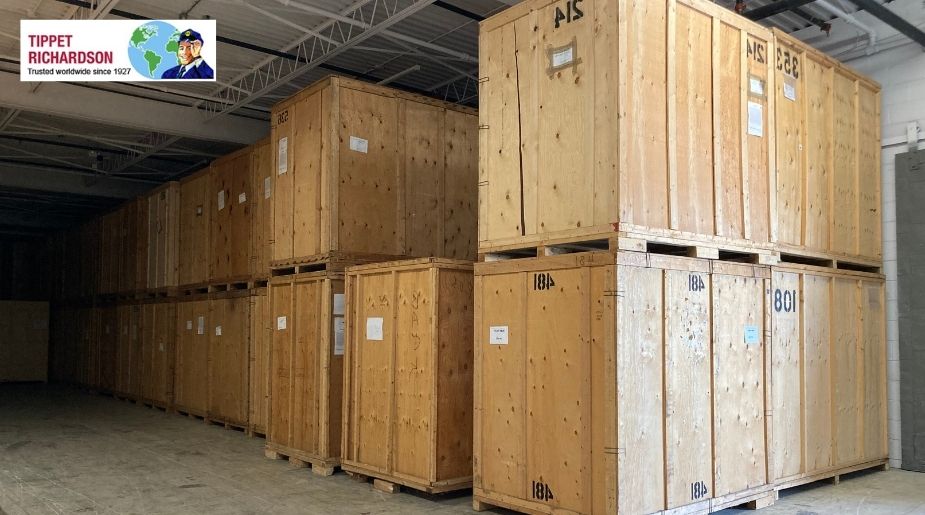
Tippet Richardson provides moving and storage solution for customers whose plans require more than a direct move. The right arrangement depends on the property, the belongings, the access conditions, and how long items need to remain stored. A conversation before moving day is the best way to identify the practical requirements.
Keep The First Night Manageable
If storage is involved, prepare a first-night kit that does not depend on the stored items. Include basic cooking equipment, bedding, clothing, toiletries, chargers, and important household information. If your new home will not be fully set up, decide in advance where you will sleep and what you will need immediately.
The aim is not a perfectly unpacked home on the first evening. It is a safe, comfortable base from which you can continue unpacking without searching through every carton.
Wrapping Up
To prepare for moving day successfully, complete ordinary packing early, confirm access at both properties, clear safe working routes, separate personal essentials, and communicate unusual items or building restrictions before the crew arrives. These steps address the problems that most often cause avoidable stress: unclear instructions, missing essentials, difficult access, and rushed decisions.
Use your moving day checklist as a communication tool, not just a reminder list. It should help you confirm the schedule, identify priority rooms, protect fragile belongings, and decide what will travel with you. If the move includes packing, storage, a condominium booking, an house movers in Toronto, or high-value items, professional advice may reduce risk and make the plan more realistic.
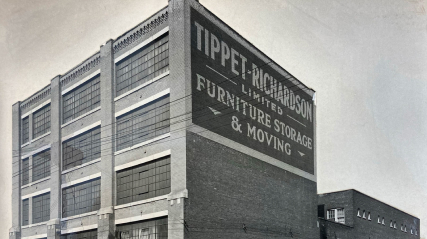
Tippet Richardson has supported households since 1927, bringing nearly a century of experience to residential moving, packing, storage, and careful handling. When you are ready to prepare for moving day, request a free moving quote and discuss the conditions that matter most to your move so you can begin with a clearer plan and greater confidence.