

- Moving from Toronto to Brisbane usually works best by sea for a household move, with air freight reserved for essentials and urgent items.
- A successful Toronto-to-Brisbane move depends on early planning for packing, shipping, customs clearance, biosecurity and delivery access.
- Your Toronto to Brisbane moving cost is shaped mainly by shipment volume, service level, freight method, destination address and required services.
- Australia’s customs and biosecurity rules make accurate inventories, clean belongings and complete documentation especially important.
- Brisbane-specific planning should account for subtropical weather, apartment access, storage needs and the timing of your arrival.
Moving from Toronto to Brisbane is most manageable when you plan the shipment, documentation and destination arrangements as one connected move rather than treating overseas transport as a single booking. This guide explains the practical choices involved, from household goods and sea or air freight to customs, biosecurity, delivery, storage, costs and timing.
Brisbane has different conditions from Toronto, and the move involves more than covering the distance between two cities. You will need to decide what is worth shipping, prepare items for Australian inspection, coordinate access at your new address and allow enough time between departure and arrival. The sections below will help you assess your options and plan a more predictable relocation.
Moving From Toronto to Brisbane: How the Process Works
Moving household goods from Toronto to Brisbane involves several stages, and each stage can affect the next. A well-prepared plan starts with an assessment of what you own, continues through professional packing and export preparation, and ends with customs clearance and delivery at your Brisbane address.
Start With a Detailed Household Assessment
The first useful step is to identify what you are taking, what you are selling or donating, and what you may need immediately after arrival. An international shipment is priced and planned around volume, weight, handling requirements and destination conditions, so an early review can prevent unnecessary expense.
Separate everyday household goods from items that need special attention. Furniture, clothing, books and ordinary personal effects may follow a straightforward process, while artwork, antiques, musical instruments, electronics, sporting equipment and fragile pieces may require additional packing or documentation. Vehicles, plants, food, outdoor equipment and items made from untreated wood should be discussed at the beginning because Australia applies strict controls to many such goods.
A useful inventory records the item, quantity, approximate value and any identifying details. Photographs can help with condition records and insurance discussions. Avoid vague descriptions such as “boxes” or “miscellaneous goods”; clearer descriptions make the documentation more useful if authorities or the destination team need clarification.
Plan the Main Stages of the Move
A typical Toronto-to-Brisbane relocation includes these connected stages:
- An in-home consultation or virtual assessment to understand the shipment and access conditions.
- Professional packing, inventory preparation and collection in the Toronto area.
- Export preparation, freight booking and transport to Australia.
- Australian customs and biosecurity review, followed by any required treatment or additional handling.
- Delivery, unpacking and removal of agreed packing materials at the Brisbane destination, where included in the selected service.
The exact process varies according to the shipment, residence, freight method and destination requirements. A dependable Toronto to Brisbane moving company should explain which steps are included in the quotation and which charges or services may depend on inspection, storage, address access or government decisions.
Toronto and Brisbane Access Details Matter
In Toronto, the collection may involve a condominium lift reservation, a loading dock, restricted street parking, a narrow staircase or an older home with difficult access. Brisbane properties can present their own challenges, including apartment building booking procedures, limited kerb access, driveways, stairs and weather exposure.
Provide both addresses as early as possible, even if one is temporary. Building rules, lift bookings and parking arrangements can affect the collection or delivery plan. If your Brisbane home will not be ready when the shipment arrives, discuss storage before the goods leave Toronto rather than waiting until the freight is already in Australia.
At Tippet Richardson, our international moving coordinators can use these details to build a plan around the shipment rather than relying only on a standard box count. That distinction matters when your move includes valuable belongings, tight building access or a gap between your departure and Brisbane arrival.
Choosing Sea or Air Freight for Brisbane
The most important transport decision is usually whether to send household goods by sea or air. Neither method is automatically best. The right choice depends on how much you are taking, when you need it, what you can replace locally and how much flexibility you have around your arrival date.
Sea Freight for Most Household Shipments
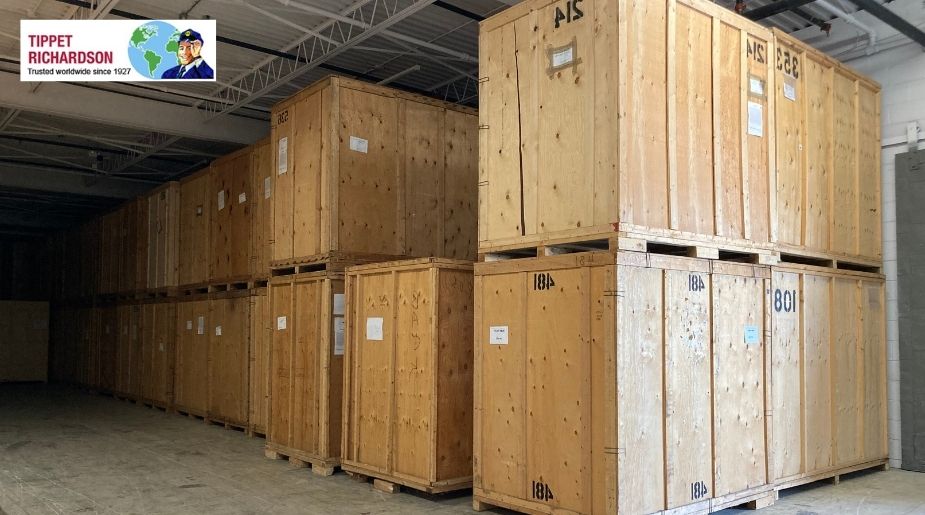
Sea freight is generally the practical choice for a substantial household move because it can accommodate furniture and a larger volume of personal belongings. Depending on the shipment size and service arrangement, goods may move in a dedicated container or as part of a shared shipment. Your mover can explain which format is appropriate after assessing the volume and the required handling.
The main advantage is capacity. You can take more of the household items that would be expensive or inconvenient to replace. The trade-off is that sea freight requires patience and careful timing. Sailing schedules, port handling, customs review, biosecurity inspection, weather and destination delivery arrangements can all affect the final date.
For this reason, do not pack every essential item into the sea shipment. Keep documents, medication, a reasonable supply of clothing, chargers, important work items and other immediate necessities with you or arrange a suitable separate service.
Air Freight for Essentials and Time-Sensitive Items
Air freight can be useful for a smaller quantity of belongings needed soon after arrival. It may suit clothing, personal documents, children’s essentials, work equipment or selected household items when waiting for sea freight would create a problem. It is not usually the economical choice for a complete home because capacity and weight are more restricted.
Air freight still requires correct packing, descriptions and destination planning. A smaller shipment is not automatically simpler if it contains restricted, valuable or difficult-to-describe items. Ask for a clear explanation of collection, packing, export handling, arrival processing and delivery before comparing prices.
Read also: Should You Ship Your Furniture to Australia or Buy New? A Practical Guide
A Combined Approach Can Be Sensible
Some families use sea freight for furniture and the main household shipment, then send a small air shipment or travel with the items required for the first few weeks. This approach can reduce pressure without paying air rates for everything.
The best split depends on your arrival date, temporary accommodation, family needs and access to replacement goods in Brisbane. A moving specialist can help you compare the cost of shipping an item against buying it again, storing it in Toronto or leaving it behind. Consider not only purchase price but also quality, sentimental value, warranty, electrical compatibility and the effort of finding a replacement.
How Should You Choose Between Sea and Air Freight?
Choose sea freight when volume is substantial and you can tolerate a longer wait. Choose air freight when the shipment is small and early access is more important than cost. Use a combined plan when you need selected belongings quickly but still want to ship the main household economically.
What Should Not Be Packed Without Advice?
Before packing, ask about food, plants, seeds, animal products, soil, outdoor equipment, untreated timber, sporting equipment and items that have been exposed to soil or water. Australia’s inspection requirements can apply even when an item appears ordinary. Outdoor goods such as bicycles, camping equipment, golf clubs and garden tools should be clean and dry, with particular attention to soil in seams, wheels and textured surfaces.
Do not assume that an item accepted for export from Canada will automatically be admitted into Australia. Import decisions are made under Australian requirements, and an item may require treatment, additional documentation, surrender or disposal. Current government requirements should be checked for unusual or restricted goods before they are included in the shipment.
How Much Does It Cost to Move From Toronto to Brisbane?
There is no reliable single price for moving from Toronto to Brisbane because the final amount depends on the shipment and the services required. A useful quotation should be based on your actual belongings, addresses and access conditions rather than a generic international moving calculator.
The Main Cost Factors
The largest cost drivers commonly include:
- The volume and weight of household goods, including whether the shipment uses a full or shared container arrangement.
- The packing service, materials, special crating and handling required for fragile or high-value belongings.
- Origin collection, export preparation, international freight and destination delivery.
- Customs, biosecurity inspection, treatment, storage or other charges that may depend on official assessment or local conditions.
- Access at both addresses, including lifts, stairs, long carries, restricted parking or delivery limitations.
The cost of moving household goods to Brisbane can also change if you alter the shipment after the quotation, add items, require storage, change the destination address or need a different delivery arrangement. Exchange rates and third-party charges may also affect an international quotation, so ask how the estimate is presented and which items are subject to confirmation.
How to Compare Toronto to Brisbane Moving Quotes
Compare quotations on scope, not only on the headline amount. Check whether each quote covers packing, inventory, collection, export handling, freight, destination handling, customs assistance, delivery, unpacking and storage. If a service is not included, find out whether it is optional, estimated separately or dependent on inspection.
A good comparison also identifies assumptions. Does the quotation assume a ground-level residence? Does it allow for a lift booking? Is delivery to the room or only to the building entrance? Does it include the number of cartons discussed during the survey? Will the shipment be stored if the Brisbane property is not ready?
Questions like these help you compare a lower initial figure with a more complete service. The cheapest quote can become less attractive if it leaves important stages unclear or requires you to coordinate several providers yourself.
Read also: Moving from Toronto to Adelaide: Complete International Relocation Guide
Ways to Manage the Budget
The most effective cost decisions are usually made before packing begins. Reduce volume by selling or donating low-value, bulky items. Keep a separate list of items that are sentimental, difficult to replace or especially vulnerable to damage. Then decide deliberately rather than allowing every item to enter the shipment by default.
You can also ask for two or three scenarios: a full household shipment, a reduced sea shipment and a sea-plus-air plan. This gives you a practical comparison between convenience, timing and expenditure. Be cautious with quotes based only on rough cubic measurements; an in-home or detailed virtual assessment is more useful when furniture, fragile goods or difficult access are involved.
Tippet Richardson can prepare international residential moving advice around the contents and conditions of your move, while the main Toronto-to-Australia service information can help you understand the broader service pathway. Ask for the Brisbane-specific assumptions to be recorded clearly in your quotation.
Insurance and Valuation Questions
Ask how protection for your belongings is addressed during packing, collection, international transport, storage and delivery. Different arrangements may apply to different stages, and valuable items may need to be declared or assessed separately. Keep receipts, appraisals and photographs for items where value or condition may be questioned.
Do not wait until collection day to raise an expensive artwork, antique, jewellery item or specialist instrument. Early discussion gives the moving team time to review packing, handling and documentation requirements.
How Long Does Shipping Take From Toronto to Brisbane?
Shipping time from Toronto to Brisbane is best understood as a planning range rather than a guaranteed delivery date. The total period includes preparation in Toronto, collection, export handling, the international journey, Australian arrival procedures and final delivery. The ocean journey itself is only one part of the process.
A Practical Planning Timeline
Many households begin planning several months before the intended move. This allows time for sorting, quotations, packing decisions, residence dates and documentation. The ideal lead time depends on the season, shipment size, availability and how much preparation your household needs.
For a sea shipment, allow for a multi-week process from collection to delivery and build additional flexibility around sailing schedules, port handling, customs, biosecurity and destination access. A door-to-door estimate may be longer than the sailing time quoted for a port-to-port movement. Air freight is normally faster, but the complete timeline still includes packing, export handling, arrival processing and delivery.
Your mover should provide an estimated sequence based on the selected service and explain when the estimate can change. Avoid booking a non-refundable accommodation, vehicle hire or essential appointment around an unconfirmed arrival day.
What Can Delay Delivery?
Delays may arise from several causes, including changes to vessel schedules, congestion, incomplete paperwork, customs questions, biosecurity inspection, required cleaning or treatment, an address that is not ready, missed building bookings and storage arrangements. These possibilities do not mean a move will be delayed, but they explain why sensible planning includes a buffer.
Australia’s biosecurity controls are particularly relevant to household shipments. An inspector may examine goods to determine whether they present a risk, especially where soil, plant material, animal products or contaminated outdoor equipment may be involved. If treatment or disposal is required, the timing and cost may depend on the official assessment.
Plan Around Your First Weeks in Brisbane
Keep a first-arrival plan separate from the main shipment. Pack or carry the items required for work, school, health, communication and basic living. If you are renting temporary accommodation, confirm whether the property can accept delivery and whether there are limits on delivery vehicles or building access.
Brisbane’s warmer, more humid climate can also influence how you manage belongings after arrival. Allow air circulation in storage areas, avoid leaving sensitive items in damp conditions and follow the destination team’s advice for furniture and cartons. Electronics, leather, timber and paper goods deserve particular care when moving between Toronto’s colder climate and Brisbane’s subtropical conditions.
Customs, Biosecurity, Delivery and Storage in Brisbane
The final stages of moving to Brisbane deserve as much attention as the collection in Toronto. Once the shipment arrives, it must be processed under Australian requirements before delivery can take place. Your preparation can reduce questions and help prevent avoidable complications, but no moving company can guarantee the decision of customs or biosecurity authorities.
Prepare Accurate Documents and Descriptions
Keep your inventory complete and consistent with the shipment. Describe items clearly, identify quantities and avoid packing undeclared goods at the last minute. If an item has unusual materials, a previous use involving soil or water, or significant value, raise it before packing.
Retain important purchase records, ownership documents, permits or supporting papers where relevant. Requirements can vary according to the item and current Australian rules, so restricted or unusual goods should be checked with the appropriate Australian authority before shipment. A mover can help organise the moving paperwork and explain the information needed, but official requirements remain the controlling source.
Take Biosecurity Seriously
Australia examines incoming goods to protect agriculture, the environment and public health. Common household items can attract attention if they contain soil, seeds, plant matter, untreated timber or animal-derived material. Outdoor goods should be thoroughly cleaned before the packing team arrives, not simply placed in a carton with the expectation that inspection will resolve the issue.
Cleaning is especially important for bicycles, camping equipment, garden tools, golf equipment, sports gear, vacuum cleaners and items stored in garages or sheds. If an item cannot be cleaned properly, discuss whether shipping it is worthwhile. A low-value object may not justify the risk of additional handling, treatment or disposal.
Arrange Brisbane Delivery Before Arrival
Confirm the destination address, contact person, access restrictions and property readiness. For a Brisbane apartment, ask the building manager about lift bookings, delivery hours, loading areas and any requirements for protective coverings. For a house, check driveway width, street access, stairs and whether the delivery vehicle can stop safely.
Subtropical weather makes communication important. Heavy rain can affect an unloading plan, particularly where cartons or furniture would need to travel across an exposed path. The delivery team can advise on practical arrangements, but the building or property manager may control access times.
Use Storage as a Planned Option
Storage can help when your Brisbane lease starts after you leave Toronto, when renovations are unfinished or when a family member needs time to prepare the home. It can also make a downsizing decision less rushed. However, storage adds handling, time and cost, so decide which items genuinely need to be kept.
Ask where the goods will be stored, how access works, how the inventory is maintained and how delivery will be arranged later. If storage may be required, include it in the initial moving conversation. This is usually easier than arranging an emergency solution after arrival procedures have started.
Where Tippet Richardson Fits Into the Process
Tippet Richardson has supported moving and storage needs for nearly a century, including international residential moves where the service is appropriate. For a Toronto-to-Brisbane relocation, the useful question is not simply whether a company can collect boxes. It is whether the team can explain the full sequence, identify decisions early and keep the shipment details clear from the first assessment through destination delivery.
When requesting a quotation, ask for the Brisbane-specific service scope, the assumptions behind the estimate, the likely handoffs and the arrangements available if your residence is not ready. Those details are more valuable than a broad promise about speed or price.
Wrapping Up
Moving from Toronto to Brisbane is a substantial residential change, but the process becomes easier to manage when you separate the key decisions: what to ship, how quickly you need it, how to prepare for Australian customs and biosecurity, where delivery will occur and whether storage is needed. Sea freight is often the practical foundation for a larger household shipment, while air freight can cover selected essentials when timing matters.
Your Toronto to Brisbane moving cost and delivery estimate should reflect your actual belongings, access conditions and chosen service rather than a generic figure. Begin early, keep the inventory accurate, clean outdoor goods carefully, plan a first-arrival kit and build flexibility around official inspection and delivery conditions.
A Brisbane-specific plan is the best way to reduce surprises. Tippet Richardson can help you assess the household shipment, compare freight options and understand the stages involved in an international residential move from Toronto. With nearly a century of moving experience, our approach is centred on careful preparation, clear communication and dependable handling from the first conversation to the next chapter in Brisbane.