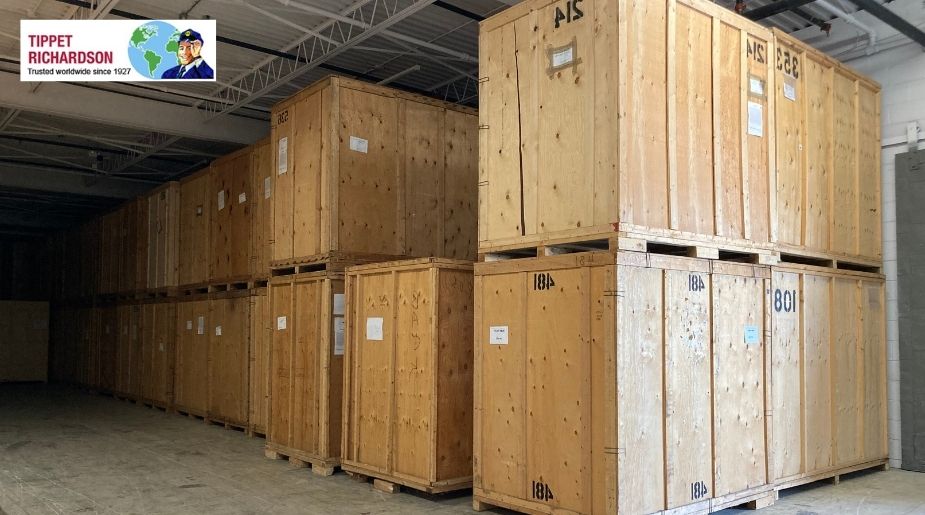


- Shipping furniture to Australia makes sense when replacement value, quality, or sentimental importance outweighs the shipment cost and space required.
- Compare the landed cost of shipping with realistic Australian replacement prices, including delivery, assembly, storage, and possible disposal costs.
- Solid, adaptable, well-made furniture often travels better as a financial choice than bulky, inexpensive, damaged, or difficult-to-replace items.
- Use the Ship, Sell, Donate, or Replace framework room by room rather than making one decision for every household item.
- A detailed assessment with Tippet Richardson can help you understand volume, packing needs, shipping options, and the practical requirements of an international household move.
ship furniture to Australia from Canada decisions are rarely as simple as comparing a moving quote with the price of a new sofa. You need to consider the furniture’s condition, quality, dimensions, sentimental value, shipment volume, storage needs, and the cost of replacing it in Australia.
For a move from Toronto or elsewhere in Canada, this guide explains how to compare those factors, which items may be worth sending, which are often better sold or replaced, and how to make a room-by-room decision before requesting an international moving estimate.
Should You Ship Furniture to Australia From Canada?
The most useful answer is to compare the furniture’s realistic replacement value in Australia with its full landed cost: packing, transport, delivery, storage if needed, and the space it occupies in the shipment. A valuable or meaningful item may justify shipping even when the arithmetic is not strictly cheaper, while ordinary bulky furniture may not.
This decision becomes clearer when you assess each item rather than treating the contents of your home as one package. A dining table, a mattress, a flat-pack bookcase, and a handmade cabinet may all have very different reasons for travelling with you.
Start With Use, Condition, and Quality
Ask how often you use the item and whether it still suits your next home. Furniture that is worn, unstable, stained, poorly adapted to your lifestyle, or near the end of its useful life usually deserves careful scrutiny before it is packed.
Condition also affects risk. A well-constructed piece with a stable frame and a finish that can tolerate careful handling may be a stronger candidate than a fragile item that already has loose joints or surface damage. Shipping does not improve furniture; it exposes weak points that may not matter during a local move but become important during a longer overseas journey.
Quality matters because replacement prices can be misleading. A low-priced Australian replacement may not offer the same materials, construction, dimensions, or lifespan as your existing piece. Conversely, a mass-produced item that is readily available may be cheaper and simpler to replace after arrival.
Consider Your Destination Home Before Packing
Furniture only has value if it works in the home where it arrives. Measure the rooms, doorways, stairways, lifts, and intended placement areas if you can. A large Canadian sofa may fit comfortably in a Toronto house but prove difficult to position in a smaller Australian apartment or a property with narrow access.
Consider the climate and how the furniture will be used. Timber, leather, upholstery, and certain finishes may need appropriate care in a different environment. You should also check whether electrical items, such as motorised furniture or adjustable beds, are compatible with the destination’s electrical requirements. Furniture itself may be suitable while an attached electrical component needs separate attention.
Separate Financial Value From Personal Value
A family dining table may not be economical to replace, but its importance may have little to do with its resale price. If an item carries family history, represents years of use, or is difficult to reproduce, shipping can be worthwhile even when a new equivalent could be purchased for less.
Make that an intentional choice. It is better to identify sentimental items early and budget for them clearly than to assume every possession deserves the same treatment. International household moves are easier to manage when emotional priorities and financial priorities are both acknowledged.
A Practical First Filter
For each item, record its approximate replacement price in Australia, current condition, dimensions, weight, personal importance, and likely use in the new home. This first pass will not produce a final quote, but it will show which pieces require closer assessment.
At around this stage, a professional survey can add useful detail. Tippet Richardson can review the household goods you are considering, identify packing considerations, and help establish the shipment volume needed for a more informed moving quote.
Compare The Full Cost Before Sending Household Furniture
A common mistake is to compare only the transport charge with the price shown on an Australian retail website. The more useful comparison is the total cost of sending the item against the total cost of obtaining a suitable replacement at your destination.
What Does It Cost to Ship Furniture to Australia?
The cost to ship furniture to Australia depends on factors such as total volume, weight, packing requirements, origin, destination, shipment method, access conditions, and the amount of professional handling required. A single large item can sometimes use space inefficiently, while a carefully planned household shipment may make better use of available capacity.
Exact pricing requires details about the goods and the move. Online averages can be useful for forming questions, but they should not be treated as a personalised estimate.
Understand Volume and Container Space
Furniture is commonly assessed by the space it occupies as well as its weight. A lightweight armchair may take up more valuable space than its purchase price suggests. A solid timber cabinet may have both considerable weight and volume, affecting handling and transport requirements.
The shape of an item matters too. Nesting chairs, removable table legs, and carefully prepared furniture can sometimes use space more efficiently than large assembled pieces. That does not mean you should dismantle everything yourself. Some items need specialist preparation to protect joints, finishes, glass, or structural components.
When reviewing a quote, ask how the furniture volume was calculated and whether packing materials are included. A piece that appears compact before packing may require protective wrapping, cartons, crating, or other preparation that changes the final volume.
Read also: Moving from Toronto to Brisbane: Complete International Relocation Guide
Include Packing, Delivery, and Storage
The complete cost may include more than the main overseas transport. Depending on the move and the services selected, you may need to consider professional packing, collection, export and destination handling, delivery to the new residence, unpacking, debris removal, and storage if your Australian home is not ready.
Requirements can vary by shipment and authority. Your mover should explain which parts are included in the estimate and which may depend on access, destination arrangements, documentation, inspection, or third-party charges. If you are comparing providers, compare equivalent scopes rather than headline prices alone.
Storage deserves particular attention. If the shipment arrives before your lease begins, or if you are moving into temporary accommodation, furniture may need to remain in storage. A cheaper decision on paper can become less attractive if the item incurs additional handling and storage before you can use it.
Compare Replacement Costs Properly
Australian replacement prices should reflect a comparable product, not simply the cheapest available item. Compare size, construction, durability, delivery, assembly, warranty conditions, and the time required to find a suitable replacement.
For example, replacing a basic side table may be straightforward. Replacing a large, high-quality dining table may involve a long search, a substantial delivery charge, and uncertainty about whether the new piece will fit the room or match the rest of your furniture.
Also consider what happens to the Canadian item if you do not ship it. Selling it may take time, donating it may involve collection arrangements, and disposing of it may carry a cost. These are not reasons to ship everything, but they belong in the comparison.
A Simple Comparison Formula
For each item or group of items, compare:
- Shipping total: packing, transport, delivery, storage, and any item-specific preparation that applies.
- Replacement total: purchase price, delivery, assembly, disposal of the old item, and the value of your time.
- Personal adjustment: sentimental importance, quality difference, scarcity, and how well the furniture suits your destination home.
The result is not a mathematical answer by itself. It is a way to make assumptions visible. If the two totals are close, quality, convenience, fit, and personal value should guide the decision rather than a small price difference.
Which Furniture Is Usually Worth Shipping?
There is no universal list of furniture that should travel to Australia. However, certain characteristics make an item a stronger candidate, while others often point towards selling, donating, or replacing it.
Furniture That May Be Worth Sending
High-quality furniture is often worth closer examination. Solid timber pieces, well-made upholstered furniture, carefully constructed cabinets, and items built to last may be expensive to replace with an equivalent product. Their value may lie in construction and durability rather than resale price.
Furniture with unusual dimensions can also be worth shipping if you already know it fits the destination home. A custom dining table, a made-to-measure shelving unit, or a piece designed for a particular room may be difficult to replace. Confirm measurements before making that assumption; a custom piece is only useful if it can be installed and used at the destination.
Sentimental furniture deserves a separate category. Family antiques, heirlooms, handmade pieces, and furniture connected to important memories may be worth the cost because replacement is impossible. Photograph the item, record its condition, and communicate its value during the assessment so the packing approach reflects its importance.
Furniture That May Be Better Replaced
Low-cost, bulky furniture is often a weaker shipping candidate when a comparable replacement is readily available. This can include inexpensive flat-pack units, basic shelving, worn office-style furniture, and pieces that have already experienced damage or repeated repairs.
Mattresses and heavily used upholstered items also require careful judgement. Hygiene, age, condition, and personal comfort may make replacement more sensible, particularly if the item is not high quality or personally significant. The right choice depends on the item’s condition and your priorities rather than its original purchase price.
Furniture that does not suit the destination home is another poor candidate. Sending a large sectional to a smaller apartment, for example, can create a second problem at the other end. Measure the available room and access route before allowing the item to take space in an international shipment.
Do Not Ignore Fragile or Complex Pieces
Glass cabinets, marble-topped tables, large mirrors, delicate antiques, and pieces with intricate finishes may require additional preparation. That does not make them impossible to ship, but the packing method and handling plan become more important.
Describe unusual construction honestly. Hidden weaknesses, previous repairs, loose veneers, and existing scratches should be noted before packing. A clear pre-move record helps everyone understand the condition of the item and supports a more realistic conversation about preparation.
Read also: Moving from Toronto to Adelaide: Complete International Relocation Guide
The Room-by-Room Test
Walk through your home and ask four questions about every substantial piece: Will we use it in Australia? Does it fit the new home? Is it difficult or expensive to replace? Would we regret leaving it behind?
A family may decide to ship a solid dining table and two favourite chairs, sell an older bedroom suite, donate basic shelving, and replace mattresses after arrival. That mixed approach is often more practical than choosing either to ship the entire home or start again completely.
Moving Furniture From Toronto to Australia Requires Early Planning
Toronto homes can present their own preparation issues, including condominium lift bookings, loading areas, street access, older staircases, and limited parking. These details affect collection planning and may influence how furniture is dismantled or protected before it leaves the property.
How Do You Decide: Ship, Sell, Donate, or Replace?
The Ship, Sell, Donate, or Replace framework turns a difficult household decision into four manageable choices. Use it after measuring the destination home and gathering enough information to estimate the furniture’s likely shipping and replacement costs.
Ship
Choose Ship when the item is valuable, well made, difficult to replace, emotionally important, or clearly suited to the destination home. It should also be practical to pack, handle, and place after arrival.
Shipping is particularly defensible when the item’s equivalent replacement cost is high or uncertain. It may also be sensible when you already own a coordinated set and replacing only one part would leave you with an incomplete room.
Sell
Choose Sell when the item is in good enough condition to recover meaningful value but is not worth transporting. Start early because private sales can take time, particularly for large furniture that buyers need to collect.
Be realistic about the amount you are likely to receive. An optimistic resale figure can make shipping appear unnecessarily expensive, while an achievable price gives you a better comparison. Factor in cleaning, photography, advertising, collection arrangements, and the time involved.
Donate
Choose Donate when the furniture is usable but the likely sale value is low and someone else could benefit from it. Confirm that the organisation accepts the type and condition of furniture and whether collection is available in your area.
Donation is not a solution for damaged or unsafe pieces. Be honest about condition and avoid passing on furniture that is no longer suitable for use.
Replace
Choose Replace when the item is inexpensive or widely available, unsuitable for the destination home, difficult to protect, or near the end of its useful life. Replacement can be the most sensible choice when the cost and effort of international furniture shipping exceed the item’s practical value.
Do not assume replacement means buying immediately. Some households ship essential pieces, use temporary furniture, and wait until they understand the new home before purchasing larger items. This can prevent an expensive mistake based on a floor plan that does not reflect real access or daily use.
A Sample Decision
Imagine a Toronto household considering four items: a solid timber dining table, a ten-year-old sofa, a flat-pack bookcase, and a handmade cabinet inherited from a parent.
The table may be shipped if it fits the Australian dining area and an equivalent would be costly to source. The sofa may be sold or replaced if it is worn and readily available in a suitable size. The bookcase may be donated or replaced if it is inexpensive and bulky. The handmade cabinet may be shipped because its personal and construction value cannot be replicated, provided it can be safely prepared and accommodated.
The point is not that these outcomes always apply. The point is that each decision follows evidence rather than a blanket rule.
Preparing Furniture for an International Household Move
Once you decide what will travel, preparation becomes part of the decision. Furniture that is easy to describe, measure, access, and protect is easier to assess than a collection of unknown items added at the last moment.
Create a Detailed Inventory
List each significant item with its dimensions, material, condition, approximate age, photographs, and intended room in Australia. Note whether it can be dismantled, whether it contains glass or stone, and whether it has sentimental or financial importance.
An inventory helps with more than pricing. It supports planning at collection and delivery, reduces confusion between similar pieces, and highlights items that need special discussion before packing begins.
Measure More Than the Furniture
Measure the furniture itself, but also check the route into the destination home. Door widths, lift dimensions, stair turns, balcony restrictions, and building rules can determine whether a piece can be delivered as planned.
If you are moving into a condominium or apartment, ask the building manager about lift reservations, delivery hours, loading access, and any required insurance or booking information. Requirements vary by building, so confirm them directly rather than relying on a previous move.
The same principle applies in Toronto during collection. A professional team may need to coordinate a lift, protect common areas, work around a narrow entrance, or plan for restricted parking. Early information is especially useful for large or delicate pieces.
Plan for Condition and Protection
Before packing, photograph visible surfaces, joinery, hardware, labels, and existing marks. Remove personal contents and identify any loose components. Keep small hardware clearly associated with the correct piece if furniture is dismantled.
Do not wrap valuable furniture casually in household blankets and assume it is protected. Different surfaces need different treatment, and trapped moisture, abrasion, pressure, or movement can create damage. The appropriate preparation depends on construction, finish, shape, and the handling required.
Check Destination Requirements Carefully
Australia has official requirements for imported household goods, and inspection or treatment requirements can depend on the item and its condition. Soil, plant material, organic residue, pests, and contamination can create problems for timber furniture, outdoor furniture, garden items, and belongings that have been stored in garages or sheds.
Requirements can change and may depend on current official guidance and the specific goods being imported. Clean items thoroughly, describe them accurately, and ask your moving adviser which information should be prepared for the shipment. Do not assume that an item accepted for a domestic move will face the same considerations overseas.
Think About Timing and Storage
Your furniture decision should match your arrival plan. If you have temporary accommodation, delayed access to your home, or uncertain delivery arrangements, ask how the timing affects the shipment and any storage period.
A household may reasonably send essential, high-priority pieces while arranging a later solution for other items. The right plan depends on the move, the destination address, and the services available for your shipment. Discuss these details before finalising the inventory.
For a complex household move, Tippet Richardson’s international moving team can help you evaluate packing, shipment volume, household goods handling, and the practical sequence of sending your furniture from Canada to Australia.
Wrapping Up
The answer to whether you should ship furniture to Australia from Canada is usually a considered mix of financial comparison and personal judgement. Ship furniture that is high quality, difficult to replace, genuinely useful, or deeply meaningful. Sell items that can recover worthwhile value, donate usable pieces with little resale potential, and replace furniture that is bulky, worn, inexpensive, or unsuitable for the destination home.
The most reliable decision comes from comparing full shipping and replacement costs, measuring the Australian home, allowing for storage and preparation, and reviewing each item individually. A detailed inventory and professional assessment can reveal that a smaller, carefully chosen shipment offers better value than sending everything or replacing everything.
Tippet Richardson has supported Canadian households for nearly a century, including customers planning international household moves. If you are considering furniture shipping Canada to Australia, request an assessment based on the goods you actually want to send. That gives you a clearer basis for deciding what should travel and what should begin a new life elsewhere.