

- Moving from Toronto to Lower Hutt works best with early planning, accurate inventory details, and a clear delivery plan.
- Sea freight usually suits a full household, while air freight is better for urgent essentials and small shipments.
- New Zealand Customs and biosecurity checks make clean, accurately declared household goods essential.
- Your Toronto quote depends on volume, packing, freight method, access, storage, and destination delivery requirements.
- An experienced international mover can coordinate packing, shipping, documentation, storage, and delivery across the Wellington area.
Moving from Toronto to Lower Hutt requires more than arranging transport between two addresses; it requires a coordinated residential move across borders, ports, customs, biosecurity controls, and two different housing markets. This guide explains how to plan the move, prepare household goods, compare freight options, manage costs and timing, and organise delivery in Lower Hutt or the wider Wellington area.
The right approach depends on what you are taking, when you need it, where you will live, and whether your belongings need storage before or after arrival. Drawing on practical international moving experience, we will take you through the process from Toronto pickup to destination delivery so you can make informed decisions and avoid preventable delays.
Moving From Toronto to Lower Hutt: What to Plan First
The most successful international moves begin with decisions made before packing materials arrive. Lower Hutt is part of the wider Wellington region, but the practical requirements of your destination can vary considerably between a detached home, an apartment, a townhouse, or temporary accommodation. Your mover needs enough information to plan both the overseas shipment and the final delivery.
Confirm Your Destination Before Booking Freight
If you already have a Lower Hutt address, note the suburb, property type, access points, parking situation, stairs, lift arrangements, and any body corporate or building-management requirements. Petone, central Lower Hutt, Wainuiomata, Eastbourne, and Upper Hutt can present different access conditions, so a street address alone may not explain the full delivery challenge.
Ask practical questions early. Can a moving vehicle park close to the entrance? Is the road narrow or steep? Will furniture need to pass through a stairwell, gate, balcony, or shared corridor? Does an apartment require a reserved lift or a specific delivery window? These details can affect the final delivery plan even after the international shipment has cleared.
If your home is not ready, arrange a clear interim plan. You may need storage in Toronto while waiting for your New Zealand accommodation, or destination storage if your shipment arrives before your lease begins. Storage should be discussed before packing, because the timing, access arrangements, and handling requirements can affect the overall plan.
Build a Realistic Household Inventory
A proper inventory is more useful than a rough estimate based only on the number of rooms. List furniture, appliances, cartons, artwork, electronics, sporting equipment, tools, outdoor items, and anything unusually heavy or fragile. Include approximate dimensions for large pieces and identify belongings that need special care.
When moving to New Zealand from Toronto, use your inventory to divide your possessions into four groups: take, sell or donate, discard, and decide later. Shipping belongings that you will replace soon in New Zealand may add cost without adding value. On the other hand, replacing specialist furniture, musical instruments, or well-made items may cost more than shipping them, especially when they have personal or practical importance.
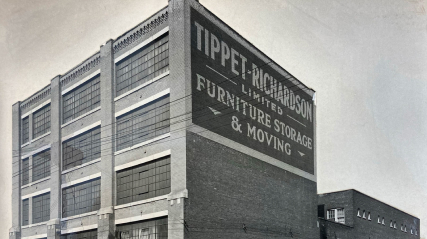
At Tippet Richardson, we recommend discussing uncertain items during the survey rather than making assumptions. A professional assessment can identify packing needs, access concerns, volume changes, and items that may require additional documentation or careful preparation.
Set Milestones Around Your Moving Date
International moves are easier to control when you work backwards from the date you need your belongings in Lower Hutt. Allow time for decisions, packing, export preparation, freight movement, arrival procedures, clearance, and delivery scheduling. The exact duration can vary according to the shipment type, sailing schedule, port conditions, documentation, inspections, and destination readiness.
Avoid booking the shipment around a date that leaves no flexibility. A better plan includes a small buffer for changes to your Toronto closing or lease, delays in obtaining your New Zealand address, and possible inspection or clearance requirements. If you need essentials immediately, keep them with you or discuss a separate air shipment rather than expecting the full household shipment to meet an urgent date.
How Should You Prepare Household Goods in Toronto?
Packing for an international moving services is different from packing for a local move. Household goods may be handled several times, placed into different transport units, exposed to changes in temperature and humidity, and opened for inspection. Good preparation protects your belongings and makes the inventory and clearance process easier to manage.
Decide What Is Worth Shipping
Start with use, replacement cost, sentimental value, and practical fit in your New Zealand home. Measure larger furniture before committing to it. A sectional sofa that fits comfortably in a Toronto house may not suit a smaller Lower Hutt room or a home with tighter entrances. Check doorways, stairwells, and room dimensions when you can.
Electrical items also deserve attention. Appliances and electronics may have different power, plug, or compatibility requirements in New Zealand. Confirm whether an item can be used safely and sensibly before paying to ship it. Do not rely on an overseas mover to determine whether every appliance will be suitable for your new home.
Keep important documents, medication, valuables, irreplaceable photographs, and immediate clothing separate from the shipment unless you have specifically discussed their handling. These items may be better carried with you, subject to airline, insurance, and border requirements.
Prepare Items That May Attract Biosecurity Attention
New Zealand has strict biosecurity controls intended to protect its environment and agriculture. Items that have been outdoors or in contact with soil, plant material, food residue, insects, or animals may require particular attention. Examples can include bicycles, camping equipment, garden tools, golf equipment, sports gear, wooden articles, vacuum cleaners, and footwear.
Clean these items thoroughly before the packing date, but do not assume that cleaning guarantees entry. Declare items when required and obtain current guidance before shipping. An inspection authority may make the final decision, and additional treatment, cleaning, disposal, or charges may apply if an item does not meet the applicable requirements.
Do not pack food, plants, seeds, soil, untreated natural materials, or other potentially restricted goods without checking the current New Zealand requirements. Rules can change and can depend on the item, its condition, its origin, and the information declared. Your mover can help identify questions for review, but you remain responsible for providing accurate information about your goods.
Use Professional Packing for Long-Distance Handling
International packing should match the item and the journey. Furniture may need protective wrapping, corner protection, padding, and appropriate carton or crating methods. Glass, mirrors, artwork, delicate ceramics, and electronics need individual assessment rather than one standard carton size.
Do not pack cartons so heavily that they cannot be safely lifted, and do not leave empty space that allows contents to shift. Keep an inventory of cartons and describe contents accurately without using vague labels such as “miscellaneous”. Clear descriptions help with household records and can make questions during clearance easier to answer.
A professional packing team can also identify items that should not travel together. For example, cleaning products, paints, fuels, aerosols, batteries, and other potentially hazardous materials may require exclusion or special handling. If you are uncertain, show the item to the moving team before packing rather than concealing it inside a carton.
Which Freight and Customs Steps Matter Most?
The freight method affects price, timing, flexibility, and the amount of household goods you can send. There is no single best option for every move from Toronto to Lower Hutt. The right choice depends on the size of your shipment and how quickly you need particular belongings.
Compare Sea Freight and Air Freight
Sea freight is generally the practical option for a larger household because it can carry substantially more volume at a lower cost per item than air freight. It is usually planned as a full-container or shared-container shipment, depending on the size and service arrangement. A shared shipment may suit a smaller household, while a full container can provide more control over the space used.
Air freight is faster for a limited quantity of essential belongings, but the available volume and cost can make it unsuitable for a complete home. Some customers use air freight for clothing, documents, work equipment, or items needed soon after arrival while sending furniture and less urgent goods by sea.
Transit time is not the same as total move time. A shipment also involves packing, export preparation, port handling, sailing or flying, arrival processing, clearance, and final delivery. Ask for the expected stages in writing and confirm which dates are estimates rather than guaranteed appointments.
Understand Documentation and Declarations
Your mover will need accurate details about the shipper, destination, inventory, and intended use of the goods. Depending on your circumstances, documentation may include identification, shipment records, packing information, and other forms required for export, import, customs, or biosecurity processing. Requirements can vary, so confirm the current list for your move.
Describe used household goods honestly. Do not hide restricted articles in cartons or use broad descriptions to avoid questions. Inaccurate declarations can create delays, inspections, extra handling, or additional costs. If an item has unusual materials, a battery, an engine, plant matter, animal material, or a previous outdoor use, mention it before packing.
Customs and biosecurity decisions are made by the relevant authorities, not by the moving company. A responsible international mover can coordinate information and guide you through the process, but cannot promise that every item will be admitted or that an inspection will not occur.
Plan for the Difference Between Shipping and Delivery
Toronto pickup, international freight, destination clearance, and delivery to Lower Hutt are connected but distinct stages. Ask who will coordinate each stage, when you will receive updates, how destination charges are presented, and what happens if your address is not ready when the shipment is released.
This is also the right time to ask about storage. Origin storage can help if you leave your Toronto home before shipping. Destination storage can help if your lease begins later, construction is unfinished, or your family needs time to settle. Storage may change handling and charges, so include it in the original plan rather than adding it after arrival.
For residential customers comparing a Toronto to Lower Hutt moving company, the key question is not simply whether it can ship a container. Ask whether the service includes the planning, packing, documentation support, arrival coordination, and destination delivery assistance your household actually needs.
You may also like: Moving from Toronto to Napier: International Moving Guide
What Happens When Your Shipment Reaches Lower Hutt?
Arrival is not the end of an international move. Once the shipment reaches New Zealand, it may need arrival handling, customs and biosecurity processing, release, and delivery planning. The final stage is where destination access and your housing arrangements become especially important.
Prepare for Clearance and Inspection
Keep your inventory, identification, travel or residency information, and shipment documents accessible. Respond promptly if the clearance team requests clarification. If an authority selects goods for inspection, the timing and outcome can vary. Some items may require further cleaning or treatment, while others may not be released.
Outdoor equipment deserves particular care. Before the shipment leaves Toronto, clean and dry bicycles, tents, boots, garden tools, sports equipment, and similar items thoroughly. Photographing unusually valuable or delicate items before packing can also help you maintain a clear record of their condition.
Arrange Delivery to the Wider Wellington Area
Before delivery, confirm the exact address, contact person, access route, parking, building restrictions, lift bookings, and any requirement to carry goods a longer distance from the vehicle. Lower Hutt homes can differ widely in driveway access, stairs, street width, and entrance layout. If you are moving to temporary accommodation, check whether it can accept a full household delivery.
If your eventual home is in another part of the Wellington area, clarify the destination before the shipment is released. A delivery to central Wellington, Porirua, Upper Hutt, or the coast may involve different access planning from a delivery within Lower Hutt. The more accurate the information, the fewer surprises are likely on delivery day.
A destination survey, photographs, floor plans, or a video call can help when you are still in Toronto. Show the entrance, internal stairs, lift, parking area, and any tight turns. This is especially valuable for large wardrobes, sofas, pianos, artwork, and other items that cannot be moved through a standard route.
Consider Storage and the First Week After Delivery
If the shipment goes into storage, decide who can authorise access and how soon you may need individual items. If everything is delivered at once, prepare a room-by-room placement plan. Label cartons with the destination room and keep a small arrival kit separate with basic clothing, chargers, toiletries, documents, and essential household supplies.
Some customers benefit from a staged approach: essential items first, followed by the main household shipment after the property is ready. Others prefer one delivery to reduce repeated handling. The better choice depends on your accommodation, budget, family needs, and expected arrival dates.
Tippet Richardson supports residential international moving plans that may include packing, shipment coordination, storage solution, and destination delivery arrangements. When reviewing our New Zealand international moving service, ask how the proposed service would apply to your particular Lower Hutt address and household rather than relying on a standard package description.
How Much Does Moving From Toronto to Lower Hutt Cost?
There is no reliable single price for a move from Toronto to Lower Hutt because the total depends on the shipment volume, service level, freight method, access, timing, and destination requirements. A useful quote should explain the assumptions behind the figure so you can compare options fairly.
Main Factors Behind the Moving Cost
The largest cost drivers commonly include the volume or weight of goods, the number and type of cartons, professional packing, crating, pickup access in Toronto, freight selection, customs or biosecurity-related handling where applicable, storage, and delivery access in Lower Hutt. Special items such as artwork, antiques, large appliances, pianos, or motorcycles may need separate assessment.
Your Toronto home may also affect the price. A downtown condominium with a reserved lift, loading restrictions, and a narrow delivery window requires different planning from a suburban house with a driveway. The same principle applies in Lower Hutt, where steep access, stairs, shared entrances, or limited parking can affect the final handling plan.
Compare Quotes on Scope, Not Just Price
When comparing Toronto to Lower Hutt moving costs, check whether each quote includes packing, materials, inventory preparation, pickup, freight, arrival handling, customs or biosecurity coordination, delivery, unpacking, debris removal, storage, and valuation or protection options. These inclusions can differ between providers and can make a low initial figure difficult to compare with a more complete proposal.
Ask what could change the quoted amount. Important questions include whether the estimate is based on an in-home survey, how volume changes are handled, what happens if access differs from the description, and whether destination storage or inspection-related work is additional. A transparent discussion is more valuable than a price that appears precise but omits important stages.
You may also like: Moving from Toronto to Dunedin: International Moving Guide
Make the Timeline Work With Your Budget
Urgency can narrow your freight choices and increase the cost of moving a small quantity separately. Sending everything by air may solve a short-term need but may not be sensible for a complete household. Sending only essentials by air and the main shipment by sea can provide a practical compromise, provided the additional coordination is worthwhile.
Book early enough to review the inventory, remove items that are not worth shipping, gather documents, clean outdoor goods, and confirm the destination. Last-minute decisions often lead to rushed packing, unnecessary shipments, or storage that could have been avoided.
A detailed survey is the best starting point for a personal estimate. Tippet Richardson can assess the household, discuss the move from Toronto to Lower Hutt, and help you decide which services and freight approach match your priorities.
Wrapping Up
Moving from Toronto to Lower Hutt is manageable when the plan covers the whole journey: deciding what to ship, preparing household goods, selecting sea or air freight, completing accurate declarations, allowing time for customs and biosecurity processing, and arranging delivery or storage in the Wellington area.
Start with a realistic inventory and a clear destination plan. Give special attention to outdoor equipment, food, plants, soil, batteries, chemicals, and other goods that may be restricted or require review. Confirm the scope of every quote, including packing, freight, storage, arrival handling, and final delivery access.
If you are comparing Toronto to Lower Hutt movers, choose a company that can explain the process clearly and coordinate the residential move from origin through destination. With experience dating back to 1927, Tippet Richardson brings nearly a century of moving knowledge to international residential relocations. The next practical step is to arrange a detailed assessment while you still have time to make informed decisions.