- Moving from Toronto to Napier requires early planning for packing, ocean shipping, clearance and local delivery.
- A detailed household-goods inventory helps determine the right shipping approach and quote.
- New Zealand Customs and biosecurity checks make clean, accurate declarations essential.
- Shared and dedicated containers offer different trade-offs in space, timing and cost.
- A coordinated international moving plan can include origin services, storage and Napier delivery.
Moving from Toronto to Napier is easiest when household goods, shipping, New Zealand customs, biosecurity and final delivery are planned as one connected move rather than as separate tasks. This guide explains how to prepare your belongings, compare shipping choices, plan around timing and storage, and assess the main cost factors.
The distance between Toronto and Napier creates practical challenges that do not arise on a domestic move. You may need to reserve a lift in a Toronto condominium, arrange parking at an older home, live without some belongings while they are at sea, and prepare items for New Zealand inspection. We will walk through the process so you can make informed decisions and approach Toronto to Napier movers with the right information.
Moving from Toronto to Napier: What the Process Involves
Moving household goods internationally involves several handovers. The quality of the plan depends on how well those handovers are connected, particularly when your collection address, shipping arrangements, clearance requirements and Napier delivery address are not all confirmed at the same time.
Start With a Detailed Household-Goods Inventory
The first useful step is a room-by-room inventory. It should distinguish between items you are definitely taking, items that need a decision, and items that will be sold, donated, recycled or discarded in Toronto. The inventory is not only for estimating volume. It also helps identify items requiring special handling or additional checks.
Include approximate dimensions for unusually large furniture, the material and condition of outdoor items, sporting equipment, garden tools, bicycles, children’s toys, artwork, musical instruments and appliances. Note fragile, valuable or irreplaceable pieces separately. A photograph can help clarify an item’s condition before packing and may assist with identification later.
A careful inventory also prevents a common problem: making a decision based on the number of rooms rather than the amount and type of goods. Two three-bedroom homes can have very different shipment sizes if one family is taking only essential furniture while the other is moving a workshop, extensive books or outdoor equipment.
Plan the Move Around Your Toronto Property
Toronto collection work often depends on building rules and local access. Condominiums may require a lift reservation, a certificate of insurance, a loading-bay booking or a restricted moving window. Downtown streets can create parking and access limitations. Older houses may have narrow staircases, small doorways or long paths from the truck to the entrance.
Tell the moving coordinator about these conditions early. A visual or in-person survey can reveal whether furniture needs partial disassembly, whether special protection is required, and whether the collection crew will need a particular vehicle or access plan. It is better to identify these details before packing day than when the crew is already waiting outside.
Your destination address matters as well. Napier properties may have narrow driveways, steps, gravel access or limited room for a large vehicle. If the permanent home will not be ready when the shipment arrives, discuss storage before the goods leave Toronto.
Understand the Main Stages
A typical Toronto to Napier move may include survey and quotation, preparation and packing, origin collection, export handling, ocean transport, arrival procedures in New Zealand, customs and biosecurity review, destination transport, delivery and unpacking. The exact sequence and responsibilities can vary according to the shipment and the service arranged.
At Tippet Richardson, our international moving services to New Zealand can be discussed around the complete household move rather than just the transport portion. That distinction matters because a low transport price does not necessarily represent the lowest overall cost if packing, clearance preparation, storage or delivery access has been overlooked.
How to Prepare Household Goods for New Zealand
Preparation affects volume, packing time, inspection risk and the usefulness of your final quotation. The aim is not simply to put everything into boxes. It is to send the right items, in a condition that can be documented, inspected and delivered efficiently.
Sort Before the Packing Date
Begin sorting well before professional packers arrive. Dispose of household chemicals, fuels, perishables and other items that may not be suitable for international moving services. Check medicines, food products, aerosols and batteries individually because the rules and transport requirements can differ by product.
Keep important documents, valuables and items you need immediately after arrival separate from the shipment. Your passport, immigration paperwork, financial records, essential medication and a small set of clothing should travel in accordance with the applicable passenger and transport requirements, not disappear into a sea container.
A useful sorting decision is whether the replacement cost in Napier is likely to be lower than the cost of packing, shipping and clearing an item. That calculation is especially relevant for inexpensive bulky furniture, older appliances and items that may require extra attention at inspection.
Treat Biosecurity-Sensitive Items Carefully
New Zealand places strong emphasis on protecting its environment and agriculture. Items that have been outdoors or have contacted soil, plants, seeds, food residue or animals may require cleaning, declaration, inspection or may not be accepted. Examples can include garden tools, camping equipment, bicycles, sports equipment, outdoor furniture, children’s outdoor toys and certain wooden items.
Do not hide questionable items at the back of a carton. Record them, ask for current guidance before packing, and declare them accurately when required. A clean item may still be inspected, but visible soil, plant matter or food residue creates avoidable concern and can lead to cleaning, treatment, removal or delay.
Requirements can change and decisions are made by New Zealand authorities. Confirm current rules with official New Zealand Customs and biosecurity information, while also asking your moving coordinator how affected items should be presented and documented.
Use Professional Packing for the Shipment
Ocean transport exposes goods to movement, handling and changes in temperature and humidity. Professional packing is particularly valuable for glass, ceramics, artwork, mirrors, electronics, antiques, large furniture and irregularly shaped belongings. The packing method should suit the item, not just the carton available.
Good packing also creates a more reliable inventory. Each packed group should be traceable to the inventory, and fragile or high-value pieces should be identified clearly. If you are packing some items yourself, agree in advance which cartons the moving team will handle and how they will appear on the inventory.
Do not pack loose soil, unclean equipment or unidentified liquids simply because they fit. The short-term convenience can create a problem during inspection or delivery. Likewise, do not assume that a sealed carton will protect an item from an authority’s right to inspect it.
A well-prepared household-goods shipment is easier to quote, easier to handle and easier to explain if questions arise. It also gives you a better record of what was packed before your Toronto residence is closed.
Choosing Shipping Options and Planning the Timeline
Toronto to Napier shipping normally involves ocean transport, with the shipment moving through ports and then continuing to the destination address. The right arrangement depends on the volume of goods, budget, flexibility and the date by which you need particular belongings.
Shared Container or Dedicated Container?
A shared-container shipment combines your goods with those of other customers. It can suit a smaller household shipment when you have flexibility around collection and delivery timing. You pay for the space and services relevant to your shipment, rather than reserving an entire container, but the overall movement may involve additional coordination at the origin or destination.
A dedicated container is reserved for one shipment. It can be useful for a larger household, a move with a substantial amount of furniture, or a customer who wants the shipment handled as one dedicated load. It may not be the most economical choice for a small volume, and the availability and pricing must be confirmed for the specific move.
The decision should not be based on container type alone. Compare the complete scope: packing, collection, export preparation, ocean movement, arrival handling, clearance support, delivery, unpacking and storage if required. Ask which charges are included and which depend on inspection, access or third-party authority decisions.
Build a Practical Timeline
International moves need more preparation than local moves because several parties and formal steps are involved. Start planning as soon as you know the likely relocation date, particularly if your Toronto home has a fixed closing date or your Napier accommodation is temporary.
Your timeline should allow for the household survey, decisions about what to ship, packing, collection, document preparation, vessel and port arrangements, arrival formalities and final delivery. Transit and arrival timing can vary because of sailing schedules, port conditions, document issues, inspections, weather and other factors outside a moving company’s direct control.
Avoid booking final accommodation around an assumed delivery date unless you have a suitable contingency. Arrange access to essential clothing, work equipment, toiletries and important documents independently of the shipment. If you need furniture immediately, discuss what should travel with you and what may be better purchased or sourced after arrival.
Include Storage From the Start
Storage may be needed in Toronto before export, in New Zealand while you secure a home, or during a gap between lease dates. It can also help when one household member arrives first and the receiving property is not ready for a full delivery.
Storage changes the plan because the goods may be handled more than once and may incur additional collection or delivery arrangements. Ask where the goods will be stored, who will arrange the next movement, how access works, and whether the quoted scope includes both ends of the storage solutions period. The answer should be specific to your shipment rather than based on a general assumption.
You may also like: Moving from Toronto to Dunedin: International Moving Guide
What Customs, Biosecurity and Napier Delivery Require
New Zealand arrival procedures are an important part of moving from Toronto to Napier. Customs and biosecurity are related but separate considerations, and a moving company cannot guarantee how an authority will assess a particular item.
Customs Documents Must Match the Shipment
Your inventory and personal information should be accurate, complete and consistent. Omissions or vague descriptions can create questions during clearance. Describe items in plain language rather than relying on a shorthand list such as “miscellaneous household goods”.
You may need to provide information about your identity, arrival status, shipment contents and ownership. The exact documents depend on your circumstances and the current requirements. Confirm the applicable process with the relevant New Zealand authorities and provide requested paperwork promptly to the parties coordinating your shipment.
Never ask a mover to omit an item to make the shipment appear simpler or less valuable. A truthful declaration is the safer approach, even when you are uncertain whether an item needs inspection.
Biosecurity Checks Can Affect Cost and Timing
Biosecurity officers may examine goods that could carry organisms, soil, plant material, pests or animal-related contamination. Outdoor equipment and used items with grooves, fabric, wheels or joints deserve particular attention because contamination can remain out of sight.
Clean items thoroughly before packing. For example, a bicycle should be free from mud and plant material, and camping equipment should be emptied, washed and dried. Wooden objects may need special attention. These steps do not remove the requirement to declare goods, but they can reduce avoidable problems.
If an authority requires cleaning, treatment, removal or additional handling, the decision and any associated charge may sit outside the moving company’s control. This is one reason a realistic moving budget should allow for variable arrival costs rather than assuming every shipment will clear without further action.
Plan for Napier Access and Final Delivery
Napier delivery planning begins before the shipment leaves Toronto. Confirm the receiving address, contact person, access hours, parking restrictions, stairs, lift arrangements and any narrow roads or driveways. If the address is temporary, make sure the delivery team has clear instructions and that someone authorised can receive the goods.
A delivery to a house outside the central area may have different access requirements from delivery to an apartment. If a large vehicle cannot reach the property, additional carrying distance or a different transfer arrangement may be needed. These conditions should be discussed before delivery, not discovered when the container or delivery vehicle arrives.
Unpacking can make the first days easier, particularly when the shipment includes beds, kitchen equipment and work essentials. Decide in advance whether you want cartons placed in rooms, furniture reassembled and packing materials removed, because the service scope should be confirmed in the quotation.
What Does Moving from Toronto to Napier Cost?
There is no reliable single price for a Toronto to Napier move without knowing the volume, service level, addresses, access conditions and shipment details. A useful quotation should be based on the actual household goods and the work required, not only on a broad estimate such as “a three-bedroom home”.
Main Cost Factors
The total cost may be affected by the amount and nature of the goods, the packing service, Toronto collection conditions, shipping method, documentation, destination handling, customs or biosecurity-related requirements, delivery access, unpacking and storage. Currency changes, seasonal capacity and third-party charges may also affect an international quotation depending on the circumstances.
Large or fragile items can increase packing time and volume. A long carry from a Toronto apartment, a required lift booking, stairs at either address or restricted parking can change the labour required. A Napier delivery outside a straightforward residential access route may need its own assessment.
Inspection-related charges are particularly difficult to predict because they depend on the items presented and on decisions made by the responsible authorities. Ask whether the quote explains these possible exclusions rather than assuming they are included or will never apply.
How to Compare Toronto to Napier Movers
When comparing a Toronto to Napier moving company, assess the quality of the survey and the clarity of the written scope. A responsible quotation should help you understand what is being packed, what is excluded, which services occur at origin and destination, and how storage or inspection issues would be handled.
Ask practical questions:
- Is the estimate based on a detailed inventory or only on the number of rooms?
- Does it identify packing, collection, shipping, destination delivery and storage separately?
- Which documents and decisions must the customer provide, and which steps will the moving team coordinate?
- How will condominium access, fragile goods, outdoor equipment and the Napier address be assessed?
The cheapest initial figure is not always the lowest final cost. A quote that excludes necessary packing, delivery access or storage may look attractive until those requirements arise. A more complete assessment can give you a better basis for comparing value and risk.
You may also like: Moving from Toronto to Napier: International Moving Guide
Make Your Estimate More Accurate
Before requesting a quote, prepare a simple inventory and photographs of large or unusual items. Note the addresses, floor levels, lifts, stairs, parking arrangements, desired collection window, likely delivery address and whether storage may be needed. Identify items that are valuable, fragile, sentimental, unusually heavy or potentially biosecurity-sensitive.
Be open about uncertainty. If you are still deciding whether to ship a piano, workshop tools or outdoor equipment, ask for the effect of including and excluding those items. Scenario-based estimates can help you decide what is worth taking without committing to an unrealistic volume.
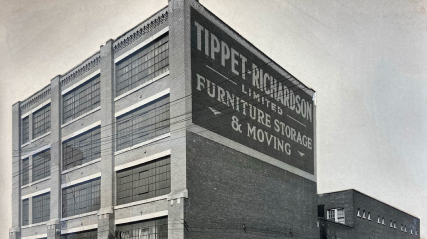
Nearly a century of moving experience gives Tippet Richardson a practical perspective on the importance of careful surveys, clear communication and responsible handling. For a move from Toronto to Napier, the best next step is to discuss your household goods and circumstances with a specialist so the proposed service reflects the move you are actually planning.
Wrapping Up
Moving from Toronto to Napier involves more than shipping boxes across the ocean. You need a realistic household-goods inventory, appropriate packing, a considered choice between shared and dedicated shipping, accurate documents, clean and declared items, and a destination plan that accounts for Napier access and possible storage.
Start early, separate essential items from the main shipment, and ask for a quote that explains the complete service rather than only the ocean movement. Requirements for New Zealand Customs and biosecurity can change, so verify current official guidance and declare goods honestly.
Tippet Richardson can help you assess the practical requirements of an international residential move, from Toronto preparation through shipping coordination, storage discussions and destination delivery planning. With nearly a century of moving experience, our focus is on helping you make informed decisions and move your household with greater confidence.