

- A detailed moving checklist turns a stressful Toronto move into a sequence of manageable decisions.
- Start early with sorting, measurements, building arrangements, packing priorities, and a realistic move budget.
- Choose local movers based on planning quality, communication, handling standards, and suitability for your home.
- Toronto moves require special attention to elevators, parking, narrow access, weather, and older properties.
- Confirm address changes, essentials, protection for valuable items, and move-day responsibilities before moving day.
Toronto Moving checklist planning should begin as soon as your move is confirmed, because the right sequence helps you control timing, access, packing and communication from one home to the next.
This premium plan is designed for a smooth Toronto residential move, whether you are moving across the city, to another Ontario community or farther across Canada.
A Toronto move can become complicated when a condominium elevator is unavailable, a street-side parking space is limited, a century home has tight stairways or important belongings need extra care.
This guide explains what to do and when, how to assess moving companies near you, and which details deserve professional attention.
Building Your Toronto Moving Checklist Around Real Decisions
A useful moving checklist is more than a list of boxes to pack. It is a decision-making tool that connects your moving date, home access, belongings, family responsibilities and budget.
The earlier you identify the decisions that can affect other tasks, the fewer last-minute changes you are likely to face.
Start with the Move Date and Property Details
Write down the confirmed or preferred possession date, lease end date, closing date if applicable, and the earliest time you can access the new property. Record room measurements and furniture decisions on the moving checklist plan.
If dates are not final, mark what is confirmed and what remains conditional. This distinction matters when arranging movers, storage, packing help, cleaners, tradespeople and elevator bookings.
For both addresses, record the type of property, floor level, stairs, lift or elevator access, parking restrictions, loading areas and any long walk between the vehicle and entrance.
In Toronto, a move that looks simple on paper can take longer when a crew must work through a shared underground garage or carry furniture down a narrow side entrance. Your moving checklist should include the layout of both homes.
Contact the building manager, superintendent or property administrator early. Ask about elevator reservations, move-in and move-out windows, deposits, protective coverings, insurance documentation, loading instructions and permitted vehicle sizes. Requirements differ between buildings, so confirm them directly rather than relying on a previous tenant’s experience.
Separate Confirmed Tasks from Open Questions
Create three columns in your planning document: confirmed, to arrange and awaiting a decision. This prevents you from treating an assumption as a completed task.
For example, “elevator booked” is different from “building says an elevator is usually available”. Add the written estimate and its assumptions to your moving checklist.
Useful early questions include:
- What can be moved directly, and what may need temporary storage?
- Which furniture will fit through both properties’ entrances, halls and lifts?
- Which belongings need special packing, disassembly or handling?
- Who will receive keys and supervise access at each address?
This approach is particularly helpful when several people are involved. A household member may be arranging the new home while someone else handles packing, school changes or work commitments. Assign an owner and target date to each important task so nothing depends on memory alone.
Build in Protection for High-Value or Fragile Belongings
Photograph valuable furniture, artwork, electronics and delicate items before they are packed. Note existing marks and keep related accessories together. Record fragile pieces and essential belongings on your moving checklist. Original cases, removable parts, cables, remote controls and installation hardware are easily separated during a hurried move.
Decide whether certain belongings should travel with you, be professionally packed, remain in a controlled storage environment or be moved separately.
A moving company can advise on practical handling, but you should identify sentimental and high-value items during the planning conversation rather than on the morning of the move.
Request a free moving quote while your inventory and property details are still being assessed. Getting the scope reviewed early gives you more time to compare the plan, clarify inclusions and make informed decisions before your dates become difficult to change.
What Belongs on a House Toronto Moving Checklist?
A house moving checklist should follow the way your household actually operates. Begin with the items that affect other people and services, then move into sorting, packing and final preparation.
A generic list often misses the small details that cause disruption, such as a missing appliance part or a box of medicines packed at the back of the truck.
Six to Eight Weeks Before Moving
Confirm your move date and review the access requirements at both properties. If you are using local movers, provide accurate information about stairs, lifts, parking, long carries, oversized furnishings and any items that need careful handling.
A dated moving checklist helps separate urgent items from later tasks. If the move is within a building or between nearby addresses, do not assume the short distance makes the job simple; access often matters more than kilometres.
Start sorting by category rather than by room. Separate items to keep, donate, sell, recycle, dispose of or review later. Moving unwanted belongings increases handling, packing material and unpacking work.
It can also make it harder to identify what is missing after arrival. Review your moving checklist as the moving date approaches.
Measure large furniture and check doorways, stair turns, lift dimensions and hallway clearances. A sofa that fits through the front door may not make the turn at the top of the stairs.
If an item cannot be moved safely through the planned route, decide early whether it needs disassembly, an alternative route or replacement.
Arrange any services that are genuinely time-sensitive, such as packing support, storage or specialised handling. Keep a written record of who is responsible for each arrangement and what remains to be confirmed.
Three to Four Weeks Before Moving
Pack non-essential items first. Put this milestone on your moving checklist and confirm it in writing. Seasonal clothing, books, decorative objects, guest-room items and seldom-used kitchen equipment can usually be prepared without affecting daily life.
Label each carton with the destination room and a short description of its contents. Labels such as “miscellaneous” make unpacking slower and make it harder to find one urgent item.
Prepare a separate essentials group for the first evening and following morning. Include medication, chargers, documents, toiletries, basic clothing, children’s needs, pet supplies, snacks, water and simple cleaning items. Keep this group with you or make its location unmistakable rather than loading it among less urgent cartons.
Keep your moving checklist current whenever a date changes. If you are packing yourself, avoid making cartons too heavy to lift safely.
Books and dense objects usually need smaller cartons, while lighter items can go in larger ones. Fill empty spaces so contents do not shift, but do not force lids closed or place fragile objects beneath heavy items.
Confirm your plans for children, pets, parking and access on the day. A safe room away from the moving route can reduce interruptions and protect both people and belongings.
If you are arranging storage, label the contents clearly and keep an inventory of anything you may need before the move is complete. Put this milestone on your moving checklist and confirm it in writing.
One to Two Weeks Before Moving
Confirm the moving date, arrival window, addresses, contact people and access instructions with the moving company. Update the plan if there has been a change to possession timing, elevator access, parking, furniture quantities or the destination address.
Finish most packing, leaving only daily-use items. Clearly mark cartons that must remain upright, need gentle handling or should be opened first. Keep important documents, keys, jewellery and other personal essentials under your control unless you have specifically agreed on another arrangement.
Begin changing your address with organisations that need accurate delivery or billing information. A practical changing address when moving checklist may include:
- Banks, credit card providers, insurers, employers and government services
- Utilities, internet, mobile services, subscriptions and healthcare providers
- Schools, clubs, professional contacts, family members and regular delivery services
The timing for each update can vary. Some organisations need advance notice, while others should be updated only once the new address is active. Check each provider’s process and keep confirmation records where appropriate.
The Final Two Days
Defrost and prepare appliances only where required by the manufacturer or your moving plan. Review your toronto moving checklist as the moving date approaches.
Remove loose shelves and secure doors or drawers as appropriate. Do not place hazardous materials, leaking containers or items that cannot be safely transported into cartons without confirming the correct arrangement.
Walk through every room, cupboard, loft space, storage area and outdoor area. Check behind doors and inside appliances. Keep keys, access cards, remotes and closing documents together.
If you are leaving a rented property, photograph its condition after it is empty and follow the instructions provided by your landlord or property manager. Your moving checklist should assign deadlines to each of these tasks.
At this stage, the best checklist is short and operational: access confirmed, essentials separated, valuables controlled, remaining items packed and responsibilities understood.
How to Choose Local Movers for a Premium Toronto Move
Searching for a moving company near me is a sensible first step, but proximity alone does not tell you whether a mover is suitable for your home, belongings or schedule.
A premium move depends on the quality of the plan, the clarity of communication and the care applied to details before the crew arrives. Add the agreed service scope to your moving checklist before moving day.
Compare the Plan, Not Just the Estimate
When speaking with moving companies, describe the complete situation. Include both addresses, property access, stairs, elevators, parking, large or delicate belongings, packing requirements, storage needs and any timing constraints. An estimate based on incomplete information may need to change when the actual conditions are discovered.
Ask what information the company needs before preparing the quote and what assumptions are included. Clarify whether packing, materials, disassembly, reassembly, storage, travel between locations and special handling are part of the proposed service or separate decisions.
The exact scope should be clear enough for you to compare options fairly. Your toronto moving checklist should identify choices that could change the cost.
A lower initial figure is not necessarily the better value if it leaves important work undefined. The cost of a move is affected by the amount to be handled, access, labour, packing, timing and services selected.
Your priority should be a realistic plan that reduces surprises and protects the belongings that matter most.
Look for Communication That Reduces Risk
Good communication is practical, not performative. The coordinator should be able to explain what information is needed, identify possible access problems and tell you which decisions must be made before moving day.
A good toronto moving checklist should record who is responsible for each decision. You should know whom to contact if dates, quantities or building arrangements change.
Pay attention to whether the company asks useful questions. An experienced moving team will want to understand the route through each property, not simply the number of bedrooms.
It may also ask about artwork, antiques, glass, large appliances, tight staircases or belongings that cannot be boxed in the usual way.
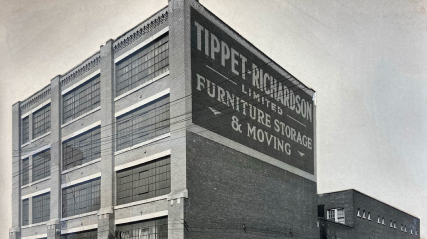
At Tippet Richardson, our experience serving Toronto households since 1927 informs this kind of preparation. Use your toronto moving checklist to track questions that still need answers.
The right plan varies from one home to the next, so a residential move should be discussed in terms of your actual access, contents and priorities rather than treated as a standard package.
Decide Where Professional Packing Adds Value
Packing everything yourself can reduce direct service costs, but it also takes time, material and concentration.
Professional packing may be worthwhile when you have a demanding work schedule, a large household, fragile collections, complex kitchenware or a short period between possession and moving day. A room-by-room toronto moving checklist can clarify packing priorities.
A blended approach is often practical. You might pack clothing, books and ordinary household items while asking specialists to handle artwork, fragile furniture, glassware, mirrors or selected rooms. The right choice depends on how much time you have and how comfortable you are preparing delicate or awkward objects.
Ask how packed items will be identified and how fragile belongings will be separated from ordinary cartons. Whatever approach you choose, keep a written inventory of important items and note anything that will travel separately with you. Use your toronto moving checklist to flag items needing special handling.
Consider Storage as Part of the Plan
Storage can help when closing dates do not align, renovations delay occupancy, a home is being staged or downsizing decisions are not complete. It can also make a move safer by preventing furniture from being forced into a property before there is a clear place for it.
Before selecting storage, decide what access you may need, how items should be protected and whether the contents will remain together. Make an inventory and label cartons consistently. If you expect to retrieve one item later, record its location rather than assuming you will remember it.
A move involving packing and storage should be discussed as one connected plan. Your toronto moving checklist should clarify which items may need storage.
Otherwise, items can be packed for short-term access but stored in a way that makes retrieval difficult. Request a free moving quote after explaining the full sequence, not only the final delivery address.
Why Does Toronto Access Matter So Much on Moving Day?
Toronto homes move and buildings vary widely, and access can affect the move more than the distance between addresses.
A well-packed truck cannot solve an unreserved elevator, a blocked loading area or a large piece of furniture that cannot safely pass through the entrance. Treat access as a central part of your toronto moving checklist.
Condominiums and Apartment Buildings
Confirm the building’s moving procedures at both ends of the move. Ask about elevator booking, permitted hours, loading dock access, floor protection, security check-in and where the moving vehicle may wait.
Make sure the booking covers the time your move is expected to require, while recognising that building rules and availability can change.
Provide the crew with clear instructions for the entrance, parking and elevator. If the building has multiple towers or entrances, identify the correct one in writing. A driver who reaches the right street but the wrong entrance can lose valuable time before loading begins.
If your building has a long route from the loading area to your unit, tell the moving company.
Distance within a property affects how the crew approaches the work and whether items need additional protection during the carry. A practical toronto moving checklist should name who will confirm building rules.
Older Toronto Homes and Tight Access
Older houses may have narrow hallways, steep stairs, small doorways, uneven surfaces or additions that create awkward turns. Before moving day, remove obstacles from the planned path and identify railings, light fixtures, doors or other features that may affect clearance.
Do not try to force a large item through a route that is clearly too tight. That can damage the item, the property or both. A professional assessment can help determine whether furniture should be disassembled, moved through another entrance or handled in a different way.
Protective preparation also matters outdoors. Wet leaves, snow, ice and rain can make steps and walkways hazardous. Include both addresses’ access arrangements on your toronto moving checklist. Keep routes as clear and dry as reasonably possible, and tell the moving team about any known issue before arrival.
Parking, Timing and Street Conditions
Parking arrangements are often outside the mover’s control, so clarify what you are responsible for and what information the crew needs.
A legal space near the entrance is different from an assumed space that may be occupied when the truck arrives. If permits or building arrangements apply, check the current requirements with the relevant authority or property manager.
Plan for Toronto traffic and busy streets without assuming a precise arrival time can be guaranteed. Share access constraints early and keep your phone available on moving day.
Add parking, elevators, and stairs to your toronto moving checklist before moving day. If keys, lift access or a building contact are delayed, quick communication can prevent the crew from waiting without useful information.
For winter moves, prepare salt or another suitable method for slippery private walkways where permitted, and protect indoor floors from tracked moisture. For summer moves, consider heat, hydration and the condition of stored belongings. Seasonal preparation is part of protecting people and property, not an optional extra.
Your Final Week and Moving Day Plan
The final week should be about confirming, simplifying and protecting the plan rather than starting major new tasks. A calm move usually comes from having fewer open decisions when the crew arrives. Your toronto moving checklist should assign deadlines to each of these tasks.
The Final Week Checklist
Confirm the address, access arrangements, contact people and agreed services. Recheck the new property’s readiness, especially if another party controls key release or elevator booking. Pack a small cleaning and repair kit, but keep it separate from the main household cartons.
Use a room-by-room walk-through to identify anything still outside boxes. Mark items that are not moving so they are not accidentally loaded.
Keep documents, personal valuables, keys and essential medication with you. If an item is being collected for storage or handled separately, mark it clearly and record where it is going.
Make a simple contact sheet with the moving company, building contacts, household members and anyone responsible for access. Keep your toronto moving checklist current whenever a date changes.
Add the old and new addresses, but verify that everyone has the same version of the details. One incorrect unit number can create confusion at the most time-sensitive part of the day.
What to Expect on Moving Day
Before loading starts, walk through the home with the crew lead and point out fragile items, special instructions, items that are staying and any access concerns. Ask questions before work begins. It is easier to clarify the plan while everything is visible than after cartons have been loaded.
Keep children and pets away from the work route. Leave pathways clear and avoid adding last-minute items to cartons without recording them. A dated toronto moving checklist helps separate urgent items from later tasks.
As rooms are emptied, check cupboards, shelves, balconies, garages and storage areas. If you are responsible for the property after departure, follow the relevant handover instructions.
At the new home, direct cartons to their intended rooms where practical. Do not rush the unpacking process. First check that major furniture is placed sensibly and that essential cartons remain accessible. Note any questions or concerns promptly and follow the documentation process provided for the move.
The First Evening and First Week
Your first priority is function, not perfection. Set up beds, medication, basic lighting, bathroom supplies, chargers and simple food. A home can remain partly packed while your household gets settled safely.
Your toronto moving checklist should cover essentials for the first evening. Within the first few days, check that important documents, keys, appliances and essential belongings are where expected.
Break down packing material as rooms are cleared, but do not discard labels or records until you are confident that everything important has been found.
Update any remaining address records and confirm that deliveries, utilities and services are directed correctly. If the move involved storage, keep your inventory current as items are retrieved or transferred.
A premium move is not measured only by how quickly a truck leaves the driveway. It is measured by whether the plan protected your time, belongings, property access and peace of mind through the final handover.
The Canadian moving services market was valued at USD 9.06 billion in 2024 and is projected to reach USD 14.08 billion by 2033, expanding at a compound annual growth rate (CAGR) of 5.05% during the forecast period.
Wrapping Up
The best toronto moving checklist gives you control over the decisions that can affect the move: dates, access, inventory, packing, storage, address changes and communication.
Start with the property details, reduce what you do not need, protect valuable belongings and confirm every building requirement rather than assuming it will be straightforward.
When comparing local movers or searching for a moving company near you, look beyond distance and headline price. Choose a team that asks practical questions, explains the scope clearly and can adapt the plan to your Toronto home and priorities.
Tippet Richardson has supported moving needs since 1927, and our nearly century-long history reflects the value of careful preparation and dependable service.
Use this toronto moving checklist as a working document, update it as details change and request professional guidance when access, packing, storage or fragile belongings make the move more involved. A well-planned next step is to arrange a conversation and quote based on your actual home, contents and timing.