

- Moving to Bloor West Village works best when access, parking, and building rules are confirmed early.
- The neighbourhood suits households seeking parks, shops, transit, and established residential streets.
- A Toronto moving day checklist should include elevator bookings, parking arrangements, building contacts, and weather planning.
- Packing and moving services can reduce damage risks when homes contain stairs, narrow entrances, fragile items, or heavy furniture.
- The right residential movers in west Toronto should provide clear planning, careful handling, and practical communication from start to finish.
Moving to Bloor West Village is a practical choice for people who want a well-established west Toronto neighbourhood with local shops, green space, transit access, and a strong residential feel.
The move itself is usually easiest when you plan for the area’s older homes, busy Bloor Street corridor, apartment and condominium access, and limited curb space.
This guide explains what it is like living in Bloor West Village, what to assess before choosing a home, how to prepare for moving day, and when professional packing and moving services are worth considering.
It also shows how to compare a moving company in Bloor West Toronto without relying on a low quote alone. When moving to Bloor West Village, confirm the estimate scope before bookings are finalized.
What Is It Like Living in Bloor West Village?
Bloor West Village appeals to people who want everyday convenience without giving up a neighbourhood atmosphere. Before relocating, however, it helps to look beyond the shops and streetscape.
Your experience will depend on the type of home you choose, your parking and transit needs, the distance to work or school, and how much outdoor space you need. For households moving to Bloor West Village, document property access details as part of the written plan.
A Neighbourhood with Daily Convenience
Bloor West Village is centred around Bloor Street West and connects naturally with nearby areas such as High Park, The Junction, Swansea, and Baby Point. The area is known for independent shops, restaurants, cafés, professional services, and access to everyday necessities.
That can make routine errands easier, particularly if you prefer walking for smaller purchases rather than driving across the city. Moving to Bloor West Village is easier to manage when you review property access details before the next commitment.
The neighbourhood also benefits from access to the Bloor subway line and local bus routes. Exact travel times depend on where you live and where you are going, so it is sensible to test the route during the hours you expect to commute.
A home that looks close to transit on a map may still involve a longer walk, a busy crossing, or a challenging winter route. People moving to Bloor West Village should keep property access details visible as dates change.
Housing Styles and Property Considerations
Housing varies considerably. You may find older detached and semi-detached homes, compact urban properties, apartments moves, condominiums, and rental buildings. Older homes can offer character and generous room layouts, but they may also have narrow staircases, smaller doorways, limited storage, or rooms that are difficult to furnish with large modern pieces.
Condominium and apartment living creates a different set of questions. Ask about move-in procedures, elevator reservations, loading areas, insurance requirements, permitted hours, and any rules for protecting common areas. These details are not minor.
Before moving to Bloor West Village, discuss property access details with the moving coordinator.
A move can be delayed if the elevator is unavailable or the building has not approved the delivery window.
Parks, Streets, and Outdoor Space
High Park is a major advantage for many residents, while smaller parks and tree-lined residential streets provide additional places to walk and spend time outdoors. If outdoor access is important to your household, inspect the actual walking route from the prospective home rather than judging proximity by neighbourhood name alone.
A household moving to Bloor West Village should check property access details against its actual needs.
Street conditions can vary from one block to the next. Some homes have driveways or rear access, while others rely on street access and front entrances. During a viewing, look for steps, slopes, overhead obstructions, construction activity, and places where a moving vehicle could safely stop.
Is Bloor West Village Right for Your Household?
The neighbourhood may be a strong fit if you value walkability, local businesses, public transit, mature streets, and proximity to parks. A plan for moving to Bloor West Village works better when you clarify property access details before moving day.
It may require more compromise if you need extensive driveway space, a very large garage, easy loading directly at the front door, or a quiet setting away from a busy commercial street.
Walk the area at different times of day before committing. Morning traffic, evening activity, weekend parking, and school-hour congestion can create very different impressions. Also consider where your furniture will go. A home can meet your lifestyle needs while still presenting real access challenges on moving day.
Moving to Bloor West Village becomes much more predictable when these factors are assessed before your closing date rather than discovered when the truck arrives.
Plan the Move Around Your Home and Building
The most reliable local moves begin with a site-specific plan. The same number of rooms can require very different preparation depending on whether you are moving into a detached home, a second-floor apartment, or a condominium with a reserved service elevator.
Confirm Access at Both Addresses
Record how movers will reach the entrance at your current home and your new one. Note the number of stairs, lift or elevator dimensions, hallway turns, entrance widths, parking restrictions, and the distance between the vehicle and the door.
If you are moving into a condominium, ask the property manager for the building’s current move-in instructions rather than relying on a neighbour’s experience. When moving to Bloor West Village, confirm document timing before bookings are finalized.
Useful questions include:
- Is a service elevator required, and how far in advance must it be reserved?
- Where may the moving vehicle stop, and is a permit or building approval needed?
- Are there restricted hours, security procedures, floor-protection rules, or damage deposits?
Requirements can vary between buildings and can change over time. Confirm them in writing where possible, then share the details with your moving coordinator. For households moving to Bloor West Village, document the decision sequence as part of the written plan.
Build a Realistic Moving Day Checklist for Toronto
A moving day checklist for Toronto should cover more than boxes. It should account for traffic, parking, weather, building schedules, and the condition of the property. Two or three weeks before the move, confirm the closing or possession time, elevator booking, key collection, contact people, and utility arrangements.
During the final week, finish packing, label rooms, separate essentials, and make sure pathways are clear. On the day before, keep documents, medication, chargers, valuables, basic toiletries, pet supplies, and a change of clothes outside the moving load.
Moving to Bloor West Village is easier to manage when you review packing choices before the next commitment.
If children or pets will be present, arrange a safe place for them away from active carrying areas.
At the old home, protect items that are not being moved and identify anything requiring special handling. At the new home, decide where large furniture should go before it enters the property. Moving a heavy wardrobe twice because the room plan was unclear is avoidable work.
People moving to Bloor West Village should keep building rules visible as dates change.
Account for Toronto Weather and Seasonal Pressure
Snow, rain, heat, and sudden temperature changes can affect a Local Movers in Toronto. Wet entryways increase slip risks and can damage floors if protection is not used. Winter moves may require additional care around steps, driveways, and icy paths.
In summer, moving dates can be more difficult to coordinate because demand is often higher, especially around month-end and common lease dates. Before moving to Bloor West Village, discuss building rules with the moving coordinator.
You may not control the weather, but you can reduce its impact by confirming who is responsible for clearing paths, protecting floors, keeping doors secure, and communicating changes. Ask practical questions before moving day rather than assuming every property will be ready.
Decide What Will Not Move
A move is a useful opportunity to reduce volume. Dispose of, donate, sell, or separately arrange items that should not travel. This is particularly important in older Bloor West Village homes where storage may be limited and stairs can make unnecessary items expensive to handle.
A household moving to Bloor West Village should check temporary storage needs against its actual needs.
Do not pack hazardous materials, perishables, or items that your mover has advised you to transport separately. If you are uncertain about a particular item, ask before packing it. Early clarification is safer than discovering a problem during loading.
A plan for moving to Bloor West Village works better when you clarify building rules before moving day.
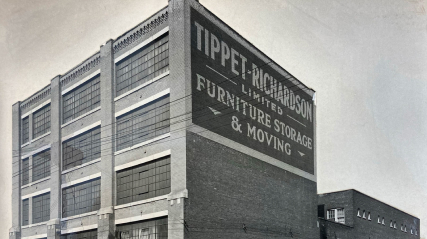
Our team at Tippet Richardson generally finds that the strongest move plans are not complicated. They are specific: who has access, where the vehicle can stop, which items need extra care, and what must happen first.
You may also like: Cross Border Moving to USA: Everything Toronto Residents Need to Know
Prepare Older Homes, Condos, and Tight Access Points
Bloor West Village includes many properties where access deserves as much attention as the distance between addresses. A short local move can still be demanding when furniture must pass through narrow entrances, down basement stairs, around tight corners, or along a long path from the vehicle.
When moving to Bloor West Village, confirm parking and entry conditions before bookings are finalized.
Older Toronto Homes Need Careful Measuring
Measure the largest furniture before moving day, especially sofas, mattresses, wardrobes, dining tables, refrigerators, and exercise equipment. Measure both the item and the route. Doorway width alone is not enough; you also need to consider trim, stairwell height, landing space, handrails, and the angle required to turn.
For households moving to Bloor West Village, document parking and entry conditions as part of the written plan.
A piece that entered the home years ago may have arrived before renovations, fencing, or neighbouring development changed the access route. If an item is close to the limit, send photographs or request an assessment rather than guessing.
Removing a door or changing the planned route may require the owner’s approval and should never be assumed.
Condominium Moves Depend on Coordination
For a condominium move, the elevator booking is only one part of the plan. The building may require a specific entrance, protective coverings, proof of insurance, a security sign-in, or a designated waiting area.
Moving to Bloor West Village is easier to manage when you review parking and entry conditions before the next commitment.
The property manager may also need the exact arrival window and names of the people responsible for the move.
Share building instructions with everyone involved. A resident may reserve an elevator but forget to tell the movers about a separate loading entrance. Conversely, a mover may arrive at the correct building but not have the access information needed to reach the unit efficiently.
People moving to Bloor West Village should keep parking and entry conditions visible as dates change.
Clear communication prevents avoidable waiting and confusion.
Parking and Curb Access Matter
Bloor Street West and nearby streets can be active, and curb space is not guaranteed. Never assume that a vehicle can stop directly outside the entrance. Check the address, observe the street, and confirm local requirements with the relevant authority or building representative.
Rules may depend on the street, date, time, signage, and type of vehicle. Before moving to Bloor West Village, discuss parking and entry conditions with the moving coordinator.
If the vehicle must stop farther away, tell the moving company in advance. The distance affects carrying time, the order in which items are loaded, and how the crew protects belongings during the transfer. It may also change which furniture can be moved safely through a side or rear route.
Protect Floors, Walls, and Shared Areas
A good access plan protects the property as well as the furniture. Clear snow, ice, garden equipment, bicycles, and loose mats from the route. Identify freshly painted walls, delicate flooring, low ceilings, glass doors, and shared corridors.
In a condominium, follow the building’s instructions for common areas; in a house, protect the entry and the most heavily used paths. A household moving to Bloor West Village should check parking and entry conditions against its actual needs.
Packing also matters. Proper cartons, wrapping, padding, and labels make it easier to control the load. Professional packing and moving services can be especially useful when you have fragile collections, artwork, antiques, heavy mirrors, or a large household to prepare in a short window.
At Tippet Richardson, careful handling starts with understanding the property and the belongings before the first item is lifted. That approach is more useful than treating every local move as a standard room-count calculation.
A plan for moving to Bloor West Village works better when you clarify parking and entry conditions before moving day.
Choose Residential Movers in West Toronto Carefully
Selecting a mover is not only a price comparison. You are choosing who will handle your belongings, communicate with your building, respond to access problems, and manage the final stages when you are tired and working against a possession deadline.
When moving to Bloor West Village, confirm service choices before bookings are finalized.
Compare the Planning Process, Not Just the Quote
A useful quote should be based on the actual move rather than a vague description of the home. The mover should understand the origin and destination, the type of property, stairs or elevators, large or fragile items, packing needs, storage requirements, and any timing constraints you already know.
Ask how changes are handled if the inventory grows, the elevator booking moves, or the access route is different from what was expected. You should also understand what is included in the proposed service and what you are expected to prepare.
If the estimate is unusually low but excludes important work, the apparent saving may disappear later. For households moving to Bloor West Village, document service choices as part of the written plan.
Decide Whether You Need Packing Help
Some households prefer to pack themselves. That can work when you have time, a manageable number of belongings, and confidence that fragile items will be protected correctly. Others choose partial or full packing because work, children, health, distance, or a tight closing schedule makes preparation difficult.
Moving to Bloor West Village is easier to manage when you review furniture measurements before the next commitment.
Packing and moving services may be worthwhile for:
- Fragile glassware, artwork, instruments, electronics, or collections
- Homes with many rooms, basement contents, or years of accumulated belongings
- Moves where the property must be cleared quickly or storage will be used temporarily
If you pack yourself, use sturdy cartons, avoid overfilling, keep heavier items low, and label each box with its destination room. Do not rely on a single “fragile” label to replace suitable wrapping and internal cushioning.
People moving to Bloor West Village should keep space constraints visible as dates change.
Ask About Storage Timing
A gap between possession dates, renovations, delayed occupancy, or downsizing may mean that some belongings need to be stored. Storage should be discussed before moving day so that the loading order, inventory, access schedule, and final delivery plan are clear.
Before moving to Bloor West Village, discuss space constraints with the moving coordinator.
Consider what you may need during the storage period. Seasonal items and rarely used furniture can be placed deeper in the load, while documents, clothing, or essential household goods may need easier access.
If you use record management or require special handling for valuable belongings, ask the mover how those needs are assessed and documented.
Look for Communication and Care
Good residential movers in west Toronto should be willing to discuss practical details without making the process feel mysterious. Pay attention to whether the coordinator asks useful questions, explains assumptions, and records the information accurately. That first conversation often tells you more than a polished advertisement.
A household moving to Bloor West Village should check stairs and elevator details against its actual needs.
Tippet Richardson has supported Toronto households for nearly a century, including local residential moves where property access and careful handling matter as much as distance. For a move to Bloor West Village, the relevant experience is not simply knowing the neighbourhood name.
It is knowing how to turn its real conditions into a workable plan.
A plan for moving to Bloor West Village works better when you clarify responsibilities before moving day.
Make Moving Day and the First Week Manageable
The final stage is where preparation becomes practical. Even a well-planned move can feel disorganised if essential items are buried, room decisions are unclear, or responsibilities have not been assigned. A simple arrival plan helps you regain control quickly.
Prepare an Arrival Kit
Keep a separate bag or box with items needed immediately: identification and documents, medication, chargers, basic cleaning supplies, toilet paper, towels, simple food, drinks, tools, and pet or child essentials. Mark it clearly and keep it with you rather than placing it deep inside the moving vehicle.
When moving to Bloor West Village, confirm the destination access route before bookings are finalized.
If the home is being cleaned or renovated, confirm who can access it and when. You may need to coordinate with a landlord, seller, superintendent, contractor, or property manager. Do not assume that keys, fobs, parking access, and elevator access will all be available at the same time.
Direct the Unloading Efficiently
Put a simple room plan on the wall or door of each room. Tell the crew where beds, large cabinets, and major appliances should go before unloading begins. If you are uncertain about a piece, place it in the safest practical position without blocking entrances, hallways, or utility access.
For households moving to Bloor West Village, document the destination access route as part of the written plan.
Check furniture and boxes as they arrive. Note concerns promptly and retain relevant documents from the move. If a property manager requires a final inspection of shared areas, complete it before the elevator booking ends or the moving crew leaves.
Settle into the Neighbourhood Gradually
You do not need to complete every task during the first weekend. Start with the essentials: beds, bathroom supplies, kitchen basics, internet or work equipment, and safe pathways through the home.
Moving to Bloor West Village is easier to manage when you review the destination access route before the next commitment.
Then establish your local routine by testing the commute, finding nearby services, and learning how waste collection, parking, and building access work at your address.
If you have moved from another part of Toronto, the change may be less about distance and more about daily patterns. A home near Bloor Street may make errands easier but require more attention to street activity and curb access.
People moving to Bloor West Village should keep the destination access route visible as dates change.
A quieter home near the park may offer a different balance but still have older-house access considerations.
You may also like: Moving to Glasgow from Toronto: Complete Relocation Guide
Review the Move Before the Details Fade
Within a few days, make a note of anything that should be clarified with the mover, landlord, building manager, or service provider. Record missing information, damaged packaging, access issues, or items that need follow-up. Prompt communication makes resolution easier than waiting several weeks.
The best moving day is not necessarily the fastest one. It is the day when your belongings arrive safely, the property is respected, and you understand what happens next. That is the standard worth using when comparing Bloor West Village movers.
Wrapping Up
Moving to Bloor West Village can offer a strong combination of local convenience, transit access, parks, and established residential character. The main preparation challenge is not the neighbourhood’s distance from another Toronto address.
It is the practical detail: narrow routes, older homes, condominium rules, street access, weather, and the timing of your possession or lease.
Start by assessing the property and access route, then confirm building and parking requirements, reduce what you are moving, and decide whether you need professional packing.
When comparing a moving company in Bloor West Toronto, look for a clear plan, careful handling, realistic communication, and experience with the type of home you are entering. Before moving to Bloor West Village, discuss storage access arrangements with the moving coordinator.
Tippet Richardson provides local residential moving, packing, and storage support where those services suit the customer’s needs. With nearly a century of experience serving Toronto households, our team understands that a successful move is built through preparation and attention to the details that are easy to overlook.
Once your dates and addresses are known, request a conversation based on the actual properties and your belongings. That gives you a more useful plan and helps you approach moving day with confidence.