
- Moving to Saskatchewan from Ontario requires early planning around distance, timing, access, and delivery details.
- Ontario to Saskatchewan moving costs depend on volume, services, season, access, and the final destination.
- A room-by-room inventory helps movers prepare the right crew, vehicle space, packing materials, and handling plan.
- Condo rules, parking, winter weather, and storage timing can affect the move as much as the road distance.
- An experienced long-distance moving company can reduce avoidable surprises through clear planning and communication.
Moving to Saskatchewan from Ontario is most successful when the move is planned as a coordinated residential transition rather than simply a long drive between two provinces. The right preparation helps you control costs, protect important belongings and arrive with a realistic plan for delivery.
The distance creates practical challenges, from arranging access at a Toronto condominium to managing winter conditions on the Prairies. This guide explains how to plan your move, estimate the factors behind Ontario to Saskatchewan moving costs, prepare your home and belongings, compare moving options and decide when professional support is worthwhile.
Moving to Saskatchewan From Ontario Starts With a Clear Plan
A long-distance move works best when key decisions are made before packing begins. You need to understand where you are moving, what is travelling with you, when access is available and whether your belongings should go directly to the new home or through storage first.
Confirm the Destination Before Booking
Saskatchewan is not one uniform destination. A move to Regina, Saskatoon, Prince Albert, Moose Jaw or a smaller community may involve different access conditions, final-mile distances and delivery considerations. Rural properties can have longer approaches, limited turning space or seasonal road conditions that need to be discussed in advance.
Before requesting a moving quote, confirm the full address if possible. If the new home is not ready, identify the likely delivery address, expected possession date and any temporary storage requirement. A change from a city address to a rural property can affect the planning even when the household volume remains unchanged.
Build a Practical Moving Timeline
Begin by working backwards from the date you need to be settled. Allow time for sorting, repairs, packing, address changes, travel arrangements and access bookings. If your possession date is uncertain, do not assume that the moving date and delivery date will automatically match.
For a typical residential move, early planning is particularly valuable when you are moving during summer, around school schedules or close to a lease ending. Long-distance capacity can be more limited during busy periods, so flexibility may give you more options. Your moving coordinator can explain which dates are available and what arrangements may apply to your shipment.
A useful early sequence is:
• Decide what will move, what will be sold or donated and what will travel separately.
• Confirm origin and destination access, including elevators, stairs, parking and loading areas.
• Request a detailed assessment rather than relying on a rough estimate based only on the number of rooms.
• Reserve packing, moving and storage services early if several are needed.
Separate Travel Plans From Belongings
Your household may arrive before the shipment, after it or on a different schedule. Keep essential documents, medication, valuables, chargers, a few changes of clothing and items needed for the first days with you. Do not place irreplaceable papers or personal essentials in the moving shipment simply because they are small.
If you are travelling with pets, children or a vehicle, consider how those arrangements affect your access to the new home. A well-planned household move accounts for the people as well as the furniture and cartons.
What Determines Ontario to Saskatchewan Moving Costs?
Ontario to Saskatchewan moving costs cannot be calculated accurately from distance alone. The amount and type of belongings, the work required at each property, the season and the services selected all influence the final price. Understanding these factors helps you compare estimates fairly and identify where decisions may change the cost.
Volume, Weight and Handling Requirements
The size of your shipment is usually one of the most important considerations. A furnished three-bedroom house, a partially furnished condo and a small household moving out of storage require very different amounts of vehicle space and labour.
Large, heavy or delicate items may also need additional planning. Pianos, antiques, artwork, glass furniture, oversized cabinets and exercise equipment can affect handling time and protective materials. Tell the moving company about these items during the assessment rather than adding them at the last minute.
The most reliable assessment considers the actual contents of your home. A room-by-room video survey or in-person review can reveal details that a simple room count misses, such as a packed basement, workshop, storage locker or extensive book collection.
Origin and Destination Access
Access can change the amount of work required without changing the shipment itself. At the Ontario origin, the crew may need to use a reserved condominium elevator, carry items down stairs, work from a narrow street or handle a long distance between the entrance and the vehicle.
At the Saskatchewan destination, the driveway, lane, building entrance and available parking may create different challenges. If the new home is in a multi-storey building, confirm lift reservations and move-in rules. If it is a detached property, check whether the moving vehicle can safely reach the closest practical loading point.
Provide photographs or detailed descriptions of unusual access conditions. A quote based on incomplete information may need to be revised when the crew discovers restrictions that were not disclosed.
Packing, Storage and Additional Services
Full packing generally costs more than moving prepared cartons, but it can be a sensible choice when time is limited, the household contains fragile items or the move involves a demanding closing schedule. Partial packing is another option: you may pack clothing and books while specialists handle kitchenware, artwork or breakable furniture.
Storage can also affect the total. You may need storage because your Ontario home closes before the Saskatchewan property is ready, because renovations are unfinished or because you are reducing the size of the new home. Ask how storage fits into the plan, including collection, release and final delivery arrangements.
When comparing Ontario to Saskatchewan movers, ask each company to explain what is included, what is assessed separately and which circumstances could affect the estimate. A lower initial figure is not necessarily better if it excludes work you will later need.
Season and Timing
Summer demand, winter weather and holiday periods may influence availability and planning. Winter moves can involve snow, ice, shorter daylight and temperature-sensitive handling conditions. This does not make a winter move impossible, but it makes preparation and communication more important.
The best comparison is between proposals based on similar shipment details, service levels and access information. Confirm the estimate process, payment expectations and any terms in writing before making your decision.
Preparing Your Ontario Home and Belongings for the Journey
Packing for a move across several provinces is different from packing for a short local move. Items may be handled multiple times, spend longer in transit and face different temperatures and road conditions. Preparation should focus on protection, identification and reducing unnecessary volume.
Declutter Before the Inventory Is Finalised
Moving unwanted belongings across the country adds cost and effort. Start with items that are rarely used, difficult to replace or unlikely to suit the new home. Measure large furniture against the new floor plan, especially if you are moving from a Toronto condo to a larger house or from a house to a smaller urban property.
Do not leave sorting until the packing day. Last-minute decisions slow the crew and make it harder to distinguish items that should move from those that should be donated, sold or discarded. Keep a separate area for items that are not part of the shipment.
Identify Fragile and High-Value Items
Tell your moving company about fragile, valuable or unusually shaped belongings before the move. Professional packing may be appropriate for artwork, mirrors, electronics, fine furniture, collections and other items that require more than a standard carton.
Take photographs of valuable furniture and note existing marks before it is wrapped. This is useful for your own records and encourages a careful conversation about handling. Keep jewellery, cash, personal records and other irreplaceable items with you unless a specific arrangement has been confirmed.
Appliances and outdoor equipment may need preparation before they can be moved. Follow the manufacturer’s instructions where relevant, and ask your moving coordinator what needs to be disconnected, emptied, cleaned or secured before the crew arrives.
Label for Arrival, Not Just Departure
A label saying “kitchen” is helpful, but a better system identifies the room, contents and priority. Mark cartons that should be opened first, such as bedding, towels, basic cookware and children’s essentials. Keep a simple inventory of cartons and special items so you can check the shipment as it is delivered.
Avoid packing important documents, medication or daily necessities in cartons that may be inaccessible on arrival. Prepare a personal travel bag for the first few days, particularly if your delivery date and arrival date are not the same.
Prepare for Toronto Access Conditions
Many Ontario moves begin in apartments, condominiums or older homes with narrow stairs and limited parking. Ask the building manager about elevator reservations, loading dock hours, insurance forms, move-in rules and protective requirements. Make these arrangements early and share the confirmed details with your moving company.
For a house, check the distance from the entrance to the parking location, driveway clearance and any low branches or gates. A truck may not be able to park exactly where a smaller vehicle would. Identifying the closest safe loading point helps avoid delays on moving day.
How Do You Manage Delivery, Storage and Arrival in Saskatchewan?
The delivery stage deserves as much attention as collection. A successful departure can still become stressful if the new home is not ready, the access plan is unclear or essential items are buried among a full shipment. Decide how delivery will work before the vehicle leaves Ontario.
Choose Direct Delivery or a Staged Move
Direct delivery may suit you when the Saskatchewan property is ready and your arrival date is firm. A staged move may be more practical when possession is delayed, renovation work is underway or you are moving temporarily before choosing a permanent home.
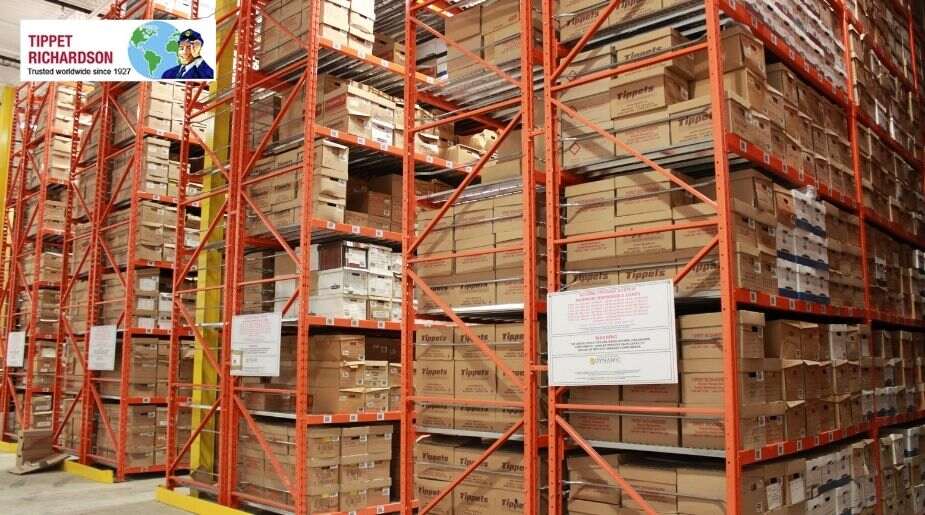
Storage Services can provide flexibility, but it should be treated as part of the original plan rather than an emergency solution. Discuss which belongings will be stored, how they will be protected and when you expect them to be released. If only part of the shipment is needed immediately, separate priority items clearly.
At Tippet Richardson, we encourage customers to discuss uncertainty openly. A known change in timing can usually be planned more effectively than a surprise at the destination.
Check the New Property’s Access
Before delivery, confirm whether the road, driveway, underground parking area, lift or building entrance can accommodate the moving vehicle and crew. In smaller communities or rural areas, access may differ from what is available at the Ontario origin.
Winter conditions deserve particular attention. Snow accumulation, ice, muddy shoulders and limited parking can affect safe carrying. Keep walkways cleared where possible, arrange building access and make sure the crew can identify the correct entrance. Do not ask movers to take unsafe shortcuts across snowbanks or unstable ground.
Plan the First Forty-Eight Hours
You may not unpack everything immediately. Set aside a clearly identified group of essentials for sleeping, eating, washing and charging devices. If children, pets or older family members are moving with you, account for their immediate needs separately.
Keep a copy of your inventory, moving documents and contact information accessible during travel. At delivery, inspect items as they are brought inside and identify any concerns promptly according to the terms of your moving agreement.
Consider the Adjustment Beyond the Move
Relocating from Ontario to Saskatchewan can involve a change in commute, climate, community size and daily routines. If you are moving for work, family or a lifestyle change, give yourself time to learn the new area before making irreversible furniture or storage decisions.
A practical approach is to place frequently used belongings where they support your first weeks, rather than unpacking according to carton order alone. The goal is not merely to complete delivery. It is to make the new home usable quickly and safely.
Choosing Ontario to Saskatchewan Movers With Confidence
The moving company you choose affects more than transport. It influences how accurately the shipment is assessed, how fragile belongings are prepared, how access issues are handled and how clearly you are informed when plans change. Compare experience and process, not just a headline price.
Ask About the Assessment
A useful quote should be based on enough information to understand the shipment. Ask whether the assessment is completed in person or remotely, how special items are recorded and how changes to the inventory are managed. If the company has not seen a basement, attic, storage locker or garage, confirm how those areas are accounted for.
You should also understand whether packing is included, whether unpacking is available and how storage would be added if your closing dates change. Clear questions at the beginning reduce disagreement later.
Check Communication and Coordination
Long-distance moves involve more hand-offs and more dates than local moves. You should know who your main contact is, how updates are provided and what information the crew needs before collection and delivery. A good coordinator will ask about access, building restrictions, fragile items and your preferred timing rather than treating the move as a simple room count.
Pay attention to how questions are answered before you book. If details are vague during the quoting stage, communication may be difficult when an important date changes.
Review Protection and Responsibility
Ask how furniture is wrapped, how fragile items are packed and how cartons are identified. Discuss any belongings that need special attention and confirm the applicable terms for responsibility, claims and exclusions in the moving agreement. Requirements can vary according to the service and circumstances, so read the documents rather than relying on assumptions.
Do not pack prohibited, unsafe or unsuitable items without confirming whether they can be transported. If you are unsure about a particular item, raise it during the assessment.
Match the Service to Your Situation
There is no single correct level of moving support. A confident packer with a small, straightforward household may need collection and delivery only. A busy family, a customer with fragile furnishings or someone managing a delayed possession date may benefit from packing, storage and more active move coordination.
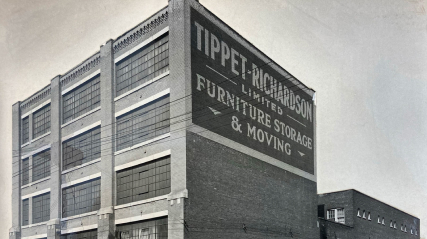
Tippet Richardson has supported Canadian households for nearly a century, and that history is most valuable when it is reflected in careful planning rather than broad promises. For a move from Ontario to Saskatchewan, look for a provider that takes time to understand your particular home, belongings and destination.
Prepare Questions Before You Decide
Before selecting a long-distance moving company, compare written answers to the same questions:
• How was the shipment volume assessed, and are all rooms and storage areas included?
• What services are included for packing, special items, access and storage?
• How will changes to the collection or delivery plan be communicated and documented?
A considered decision should leave you clear about the scope of work, the information used for the estimate and the next planning milestone. If you cannot explain the moving plan to another family member, it probably needs more detail.
Wrapping Up
Moving from Ontario to Saskatchewan requires more than reserving a truck. You need a realistic inventory, a suitable schedule, accurate access information, a clear approach to packing and a delivery plan that accounts for possession dates, storage and local conditions.
Ontario to Saskatchewan moving costs are shaped by the work involved, not just the kilometres travelled. Comparing detailed assessments helps you understand the difference between options and avoid making a decision based only on an incomplete estimate.
If you are moving to Saskatchewan from Ontario and want help assessing the practical requirements, Tippet Richardson can discuss your household, access conditions, packing needs and timing. With nearly a century of moving experience, our team understands the value of careful preparation and dependable communication throughout a long-distance residential move.