
Moving to a new home in Toronto is an exciting yet often overwhelming journey. To prepare for a residential move effectively, you’ll need more than just enthusiasm—you need a clear plan combined with practical steps. Whether you’re relocating to a cozy neighbourhood nearby or making a bigger leap across the city, the process involves coordinating multiple tasks, from sorting belongings to scheduling moving day.
Understanding how to prepare for movers and manage the many moving details ahead of time is crucial to ensure your relocation is smooth and stress-free. A well-organized moving house timeline, paired with a tailored moving checklist Toronto residents trust, will keep you on track while managing to-do lists without getting lost in the shuffle. Failing to plan adequately can lead to last-minute chaos, increased costs, and unnecessary stress.
Packing tips for moving house play a vital role when preparing your possessions, especially since your items need protection during transit and easy access after unpacking. Beyond packing, a solid pre-move preparation guide includes notifying service providers, updating your address, and preparing your home for the arrival of movers.
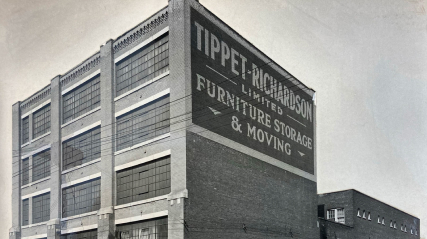
For nearly a century, Tippet Richardson has supported Toronto families in their residential moves, offering expert advice and professional moving services that take much of the burden off your shoulders. With their extensive local knowledge and commitment to personalized care, you can feel confident your move will be managed smoothly.
In this guide, we’ll dive deep into how to prepare for a residential move, providing you with actionable steps, expert insights, and a clear roadmap. Getting ahead with preparation means your move will not only be carefully coordinated but also a positive starting point in your new Toronto home.
How to Prepare for a Residential Move: Essential First Steps
Preparing for a residential move involves several foundational decisions that set the tone for the entire process. Getting these first steps right will help you stay organised and reduce last-minute surprises. Whether you’re using a detailed moving checklist Toronto residents appreciate or following a personal plan, understanding your moving needs and creating a solid moving house timeline are crucial to success.
Assess Your Moving Needs
Start by evaluating the scope of your move. Consider the size of your household, the volume of belongings, and any specific requirements such as large furniture, delicate items, or special storage needs. Are you moving with pets, children, or valuable collections? This assessment informs every subsequent choice, from how many boxes and packing supplies you’ll need to the kind of vehicle and manpower to book.
Understanding your timeline is equally important. Are you relocating within a tight window, or do you have flexibility? Does your new home require coordination for move-in dates or renovations? Identifying these variables early will shape your moving schedule and budget.
Create a Moving House Timeline
A moving house timeline acts as your roadmap. Breaking down the entire moving process into manageable chunks, it guides you on when to start packing, when to notify service providers, and when to confirm your booking with the movers. Toronto’s busy streets and seasonal factors can affect availability and timing, so begin planning at least six to eight weeks before your move.
Include critical checkpoints such as decluttering deadlines, utility shutoff and setup dates, and the day to prepare an essentials box. Sharing this timeline with everyone involved, including family members or helpers, ensures everyone is aligned and knows what to expect.
Set a Moving Budget
A realistic moving budget helps you avoid unexpected expenses and financial stress. Calculate costs for packing materials, professional moving services, insurance, and potential storage. Don’t forget to estimate incidental expenses like parking permits, cleaning services, or buying new furniture once settled.
When estimating your budget, factor in contingencies for last-minute changes or additional services. Comparing quotes from several moving companies and understanding what they include will help you make informed decisions. Remember, investing in professional movers like Tippet Richardson can save time, reduce damages, and provide peace of mind, often translating into long-term savings.
Research and Book a Reliable Toronto Mover
Choosing the right mover is a cornerstone of preparation. Established Toronto movers like Tippet Richardson bring expert knowledge of local routes, optimal packing techniques, and efficient loading methods, ensuring your household goods arrive safely and on time.
Start researching movers early, reading reviews, checking credentials, and requesting detailed quotes. Confirm their licensing and insurance coverage for your protection. Booking well in advance—especially during Toronto’s peak moving seasons—gives you preferred dates and adequate time to discuss your specific needs.
Communicate clearly with your chosen movers about the size of your move, fragile items, and any access considerations at both locations. Professional movers can also advise on how to prepare your belongings to streamline the loading and unloading process, complementing your packing efforts.
By thoughtfully assessing your moving needs, crafting a detailed timeline, setting a practical budget, and partnering with trusted movers such as Tippet Richardson, you lay a strong foundation to prepare for a residential move that is both efficient and hassle-free. This proactive approach transforms the potentially overwhelming task of relocating into a well-orchestrated experience.
The Ultimate Moving Checklist Toronto Residents Should Follow
A comprehensive moving checklist Toronto residents rely on helps break down the overwhelming number of tasks you face when preparing for a residential move. This checklist ensures no detail gets overlooked—whether it’s paring down your belongings, keeping track of everything you own, or making sure essential services are in place for your new address. Let’s explore how to execute these vital steps effectively as part of your pre-move preparation guide.
Declutter Your Home Before the Move
One of the most important steps to prepare for a residential move is decluttering. Moving unnecessary items only adds to your workload and cost. Begin by systematically sorting through each room. Create three categories: keep, donate, and discard. Focusing on keeping only what you truly use or love will save packing time and reduce unpacking stress.
Toronto residents often find local charities and community centres willing to accept gently used items. Donating not only lightens your load but can also give your belongings a second life. For items in poor condition, responsibly discarding them through Toronto’s waste management services helps keep your move eco-friendly.
Decluttering early in your moving house timeline allows you to plan more accurately and prevents last-minute decisions that might disrupt your packing schedule.
Inventory Your Possessions
Creating a detailed inventory of your possessions is a smart part of your moving checklist Toronto residents trust to stay organised. An itemised list serves multiple purposes: it helps you keep track during the move, simplifies unpacking, and is crucial for insurance and claims in case of damage or loss.
When making your inventory, note down valuable or fragile items separately. Photographing especially important belongings protects you from disputes and provides documentation for movers like Tippet Richardson, ensuring they handle your possessions with care. Keeping digital or paper copies accessible during the move adds an extra layer of security and peace of mind.
Notify Important Contacts and Change Your Address
Updating your contact information early on is a key task in your pre-move preparation guide. Begin with the essentials: post office address change service, utility providers such as hydro and water, telephone and internet companies, and municipal authorities for property tax and voting registrations.
Don’t forget to inform your bank, insurance providers, workplace, and healthcare providers. Alert friends and family as well via email, mail, or social media. Setting these notifications well in advance helps avoid missed bills, service interruptions, or important mail lost in transit.
Arrange for Utilities and Services at Your New Home
To avoid any inconvenience when you arrive, arrange for utilities and services to be connected at your new Toronto home before moving day. This includes electricity, water, gas, internet, and cable services. Contact providers to schedule start dates that align with your move-in day.
Confirm all service agreements and keep receipts or confirmation emails as proof of setup. If you require any specialized services like alarm systems or cleaning, coordinate those appointments early. Preparing your new home’s utilities in advance ensures a comfortable settling-in experience without unexpected delays.
By diligently following this ultimate moving checklist Toronto residents depend on, you set a solid foundation for a well-organized move. This structured approach ensures that when you move your belongings with Tippet Richardson, your transition into your new home will be as smooth and enjoyable as possible.
Read also: Common Local Moving Mistakes and How to Avoid Them
Packing Tips for Moving House: How to Prepare for Movers
Packing is often the most time-consuming and challenging part of preparing for a residential move. A thoughtful approach combined with the right materials will protect your belongings and make unpacking much easier. Knowing how to prepare for movers by coordinating your packing efforts properly can save you time and reduce stress on moving day. Here’s a detailed guide to help you pack efficiently and work smoothly with your moving team.
Gather Quality Packing Supplies
Investing in quality packing supplies is a cornerstone of effective packing. You’ll need sturdy boxes in various sizes, strong packing tape, bubble wrap or packing paper for cushioning, and permanent markers for clear labelling. Toronto residents can find these supplies at local hardware stores, moving supply centres, or affordable online retailers. Some companies may even offer eco-friendly or reusable boxes, which are worth considering for a greener move.
Gathering and collecting packing materials early in your moving house timeline gives you time to avoid last-minute purchases, which can be more costly. If using boxes previously, inspect them for any damage to ensure they can securely hold your belongings.
Best Practices for Efficient Packing
Approach packing with an organised, room-by-room strategy to avoid confusion and misplaced items. Pack one area at a time, labelling each box not just with its contents but also its destination room in your new home. This practice streamlines the unloading process and helps you prioritise unpacking.
Protect fragile items meticulously—wrap delicate objects individually with bubble wrap or soft packing paper and clearly mark these boxes as fragile. Fill empty spaces in boxes with crumpled paper or packing peanuts to prevent shifting during transit. For heavier items like books or tools, use smaller boxes to keep their weight manageable, reducing the chance of box breakage.
Take advantage of colour-coded labels or stickers to instantly identify which items go together, which is especially helpful if multiple family members are involved.
Handling Valuables and Important Documents
Prepare a separate, secure box or bag for your most important valuables and documents. This includes passports, birth certificates, financial papers, jewellery, and any irreplaceable items. Keep this container close by during the move instead of packing it with other boxes or loading it onto the moving truck.
For extra security, consider carrying these items yourself and never entrust them to general movers. Having quick access to your valuables also means you’re ready if you need to handle any last-minute paperwork or emergencies during the relocation.
Coordinating with Your Movers on Packing Responsibilities
Clear communication with your movers, such as the team at Tippet Richardson, is key to a smooth packing experience. Some homeowners prefer to handle all the packing themselves, while others opt for partial or full packing services offered by professionals.
Discuss in advance which packing tasks you expect to manage and which you want your movers to take care of. This clarity helps to avoid confusion and ensures everyone’s expectations align. Professional movers can often provide special packing materials and techniques for fragile or bulky items, enhancing protection.
By understanding how much packing you should do yourself versus what your moving company will handle, you create an effective division of labour that simplifies moving day and protects your belongings.
Mastering these packing tips for moving house positions you well to prepare for a residential move in Toronto. When combined with the expertise of trusted movers like Tippet Richardson, your entire moving process will be well-organized, efficient, and less stressful, allowing you to focus on settling into your new home.
Read also: Local Moving Checklist for a Stress-Free Move in Toronto
Pre-Move Preparation Guide for a Smooth Moving Day in Toronto
As moving day approaches, careful preparation makes all the difference in how smoothly your residential move unfolds. A well-thought-out pre-move preparation guide not only minimises stress but also ensures you and your movers, like the professionals at Tippet Richardson, can work efficiently. Here’s how to get everything ready to welcome a hassle-free moving day in Toronto.
Confirm Your Moving Date and Details with Tippet Richardson
A few days before your move, it’s essential to confirm all details with your moving company. Reach out to Tippet Richardson to verify your moving date, arrival time, and any special instructions related to your home or belongings. Minor miscommunications can cause major delays, so clarifying these points will help your movers plan their day and manage expectations.
Also, communicate any last-minute changes, such as new access instructions, parking conditions, or items needing special care. Timely coordination ensures the moving team arrives fully prepared, making the entire process flow seamlessly and efficiently.
Prepare Your Home for the Movers
Preparing your home before movers arrive creates a safe and accessible environment that speeds up loading and unloading. Clear hallways and doorways of furniture, toys, and other obstacles so movers can navigate quickly without risk of damage or injury.
Protect your floors with covers or old rugs, especially if you have hardwood or delicate surfaces prone to scratches. If you live in an apartment or condominium, arrange reserved parking spaces as close as possible to your entrance, and check if any building permits are required for the moving trucks.
If you have pets, secure them in a safe and quiet room away from the moving activity to prevent stress or accidents.
Pack an Essentials Bag for Moving Day
Even with careful planning, some things you’ll want immediate access to on moving day. Packing an essentials bag with basics is key for staying comfortable and organised during the transition. Include items such as a change of clothes, important documents, medications, phone chargers, snacks, toiletries, and keys.
Having these essentials within reach means you won’t need to rummage through boxes or unpack immediately to find everyday necessities. It’s also handy to prepare a small toolkit for assembling furniture or quick fixes once you arrive.
Final Walkthrough and Clean-Up
Before leaving your old home, perform a final walkthrough to ensure nothing is forgotten and the property is left in good condition. Check all rooms, closets, cabinets, and storage areas for overlooked items.
Remove garbage and take out recycling to avoid leaving mess behind. If you are renting, this step is especially important for ensuring you get your full deposit back.
Taking time to clean lightly—vacuum floors, wipe counters, and clean bathrooms—reflects respect for the next occupants and can give you peace of mind that your move ends on a positive note.
By following this pre-move preparation guide, you set the stage for a seamless moving day experience. Partnering with seasoned Toronto movers like Tippet Richardson means you can trust experts to handle your belongings while you focus on settling into your new home comfortably and confidently.
Wrapping Up
Preparing for a residential move requires careful planning, organisation, and attention to detail. By taking the time to create a moving house timeline, adhering to a comprehensive moving checklist Toronto residents trust, and applying proven packing tips for moving house, you can transform what often feels like a daunting experience into a smooth and manageable process. Each step you take to prepare for a residential move not only saves you time but also reduces stress, allowing you to focus on the excitement of settling into your new home.
Partnering with experienced movers like Tippet Richardson brings an added layer of confidence and professionalism to your move. With almost a century of expertise serving Toronto families, Tippet Richardson understands the unique challenges of moving in this city and employs best practices to protect your belongings and streamline every stage of the relocation. Their trusted team ensures your move is handled with care and precision, from initial planning through to moving day and beyond.
Ultimately, a well-executed pre-move preparation guide combined with the support of seasoned professionals can make all the difference in your moving journey. Whether you’re moving across town or to a nearby neighbourhood, Tippet Richardson remains your reliable partner in achieving a seamless, efficient, and stress-free residential move in Toronto.