

Key Takeaways
- To ship belongings from Toronto to New Zealand, plan for packing, export handling, freight, customs, biosecurity, and final delivery as one connected process.
- Sea freight usually suits larger household moves, while air freight is more appropriate for selected essentials and urgent items.
- Decluttering and a detailed inventory can reduce volume, prevent surprises, and make customs and biosecurity preparation clearer.
- New Zealand’s biosecurity requirements make clean, accurate declarations especially important for outdoor goods, food, wood, and used household items.
- An experienced international moving team can coordinate the move from the Toronto residence through destination delivery in New Zealand.
Ship belongings from Toronto to New Zealand successfully by planning the move as a sequence of connected decisions rather than as a simple parcel shipment. Your plan needs to cover what you are taking, how it will be packed, which freight method suits the volume, and how the shipment will be prepared for Canadian export and New Zealand entry.
For a Toronto household, practical issues such as condominium elevator bookings, narrow streets, winter weather, parking, older homes, and access to the residence can affect the first stage of the move. This guide explains the Toronto to New Zealand moving process, including inventory, professional packing, FCL and shared container options, sea and air freight, export preparation, New Zealand Customs and biosecurity, and final delivery.
Toronto to New Zealand Moving Process
Shipping household goods internationally is easiest to manage when each stage has a clear purpose and handoff. The exact sequence and timing can vary according to your volume, origin and destination addresses, chosen freight method, documentation, inspection requirements, and the readiness of both homes.
A Practical Timeline From Toronto to New Zealand
A typical move begins several weeks or months before collection. Start by deciding what you will take, what you will sell or donate, and whether you need storage before the shipment is ready. This early decision is important because volume affects packing time, freight selection, and the space your belongings occupy at destination.
After an assessment, the moving plan normally develops around an inventory and a written quotation. Once you approve the scope, the moving team can arrange packing, collection, export preparation, and freight. The shipment then travels by the selected method, passes through destination procedures, and is scheduled for delivery when it is ready and the new residence can receive it.
A useful working timeline is:
- Planning and assessment: Decide what to move, confirm addresses, review access, and request a detailed quotation.
- Preparation and collection: Declutter, complete the inventory, arrange professional packing, and prepare the Toronto residence for pickup.
- Freight and destination handling: The shipment is prepared for export, transported, processed on arrival, and coordinated for delivery in New Zealand.
The time between these stages is not fixed. A planned sea shipment may involve more waiting than air freight, but air freight is not automatically suitable for a complete household. Destination inspections, documentation questions, port conditions, seasonal demand, and delivery access may also affect the schedule.
What Can Change the Schedule
The most common timing mistake is treating the transit estimate as the entire move. Transit is only one part of the process. Packing, collection, export processing, arrival handling, customs and biosecurity review, and local delivery all need to be considered.
For example, a Toronto family moving from a condominium may need to reserve an elevator and loading area before the packing date. A family moving from an older house may need to discuss stairs, narrow doorways, or street access. At the New Zealand end, a rural property, shared driveway, steep approach, or unfinished home can affect delivery planning.
Seasonal conditions matter too. Toronto winter collections may require additional care around snow, ice, wet floors, and vehicle access. In New Zealand, the condition and cleanliness of outdoor equipment may receive particular attention during biosecurity processing. Building a little flexibility into the plan is sensible, especially when your arrival date depends on the shipment.
When to Request a Moving Quote
Request a quote before you have packed everything into boxes. An experienced assessment is more useful when the moving team can see furniture, appliances, fragile belongings, storage areas, and items that may need special preparation. It also gives you an opportunity to discuss what should travel by sea, what might travel by air, and what may be better purchased or replaced after arrival.
At Tippet Richardson, our international residential moving process is designed around the details of your household and addresses. A clear conversation at the beginning can prevent a late change from becoming a collection-day problem.
Prepare Your Household Before International Shipping
The best way to reduce complications when you ship household goods to New Zealand is to make deliberate decisions before packing begins. International shipping involves more handling and more formal review than a local move, so unnecessary items create extra volume without adding value.
Decluttering Before the Inventory
Begin with a room-by-room review. Separate belongings into four practical groups: items to ship, items to sell or donate, items to dispose of, and items to keep temporarily in Canada. The last group may include documents, seasonal goods, or furniture needed while your new home is being prepared.
Be particularly thoughtful about low-value, bulky items. Flat-pack furniture, inexpensive shelving, worn outdoor equipment, and duplicate kitchen goods may take considerable space. The right decision depends on replacement cost, sentimental value, condition, and the availability of suitable alternatives in New Zealand.
Do not assume that every item can be placed in the shipment simply because it is legal to own. Food, plants, soil, untreated wood, animal products, sporting equipment, garden tools, and some cleaning or chemical products may require special attention or may not be suitable for entry. Set these items aside for review rather than packing them casually.
A useful rule is to ask whether each item is worth packing, transporting, declaring, and potentially cleaning or inspecting. That question often identifies belongings that should not travel.
Building an Accurate Household Inventory
The inventory is more than a list for your own reference. It helps the moving team estimate volume, plan packing materials, identify fragile or high-value belongings, and prepare documentation. It can also help you confirm what arrived after delivery.
Record the item description, quantity, approximate condition, and any identifying details that matter. For valuable electronics, artwork, antiques, instruments, or specialised equipment, photographs and model or serial information can be useful. Keep the descriptions specific: “two cartons of books” is more useful than “miscellaneous boxes,” and “solid wood dining table with six chairs” is clearer than “dining furniture.”
Keep personal documents, medication, jewellery, passports, irreplaceable photographs, and essential arrival items under your direct control unless a qualified adviser confirms another arrangement. Never place items in a shipment without understanding whether they require a declaration or have entry restrictions.
Items Requiring Extra Attention
Some belongings need an early conversation with the moving team. These may include large furniture, antiques, artwork, pianos, delicate glass, wine, batteries, aerosols, firearms, plants, food, animal products, camping equipment, bicycles, sports gear, and items containing soil or organic material.
Rules can depend on the item, its condition, its construction, how it was used, and the authority reviewing it. New Zealand biosecurity decisions are made by the relevant authorities, not by the mover. The safest approach is to disclose items early, follow current official guidance, and avoid assumptions based on what was accepted in another country.
If you are uncertain about whether to ship furniture from Toronto to New Zealand, include it on the inventory and discuss its condition, material, dimensions, and value. A decision made before packing is easier to manage than a question raised after the shipment has been collected.
Choose Packing and Freight Options for Your Belongings
Packing and freight decisions should reflect the size, value, urgency, and practical use of your belongings. The cheapest-looking option is not always the most suitable once handling, protection, space, and arrival timing are considered.
Why International Packing Is Different
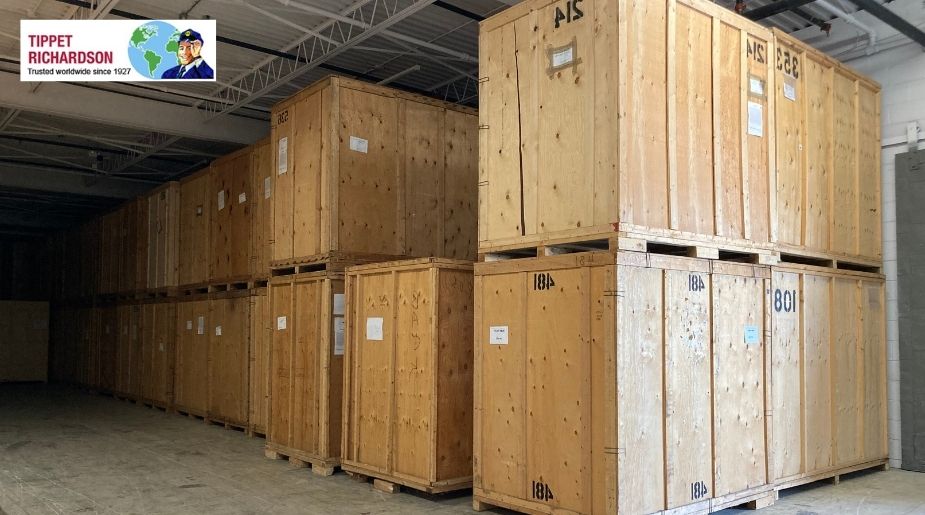
International packing must protect items through more movements and a longer period than a local move. Cartons may be loaded with other household goods, moved between transport methods, and handled at different facilities. Furniture may need protective wrapping, padding, dismantling, and stronger preparation than it would for a short Toronto delivery.
Professional packers also work from the inventory and the shipment plan. They can identify fragile pieces, separate items that should not be packed together, label cartons for delivery, and record exceptions such as existing scratches or delicate finishes. This does not remove every risk, but it creates a more controlled process.
Self-packing can be appropriate for some non-fragile personal items, but it should be discussed before you begin. Improperly packed goods may be harder to assess, protect, document, or handle during the move. If you do pack selected cartons yourself, keep an item list and clearly identify any carton containing restricted, fragile, or high-value goods.
FCL, Shared Container Space, Sea Freight, and Air Freight
A full container load, or FCL, means your household goods are allocated a complete shipping container. It can suit a larger move where volume justifies the space and where keeping the shipment together is important. A container may also make sense when you want greater control over how the goods are arranged, subject to the service plan and loading conditions.
Shared container space is often considered for smaller moves. Your belongings share available container capacity with other shipments. This may make better use of space, but the shipment can involve additional coordination and handling. The best option depends on measured volume, the goods themselves, origin and destination arrangements, and current freight availability.
Sea freight is generally considered for furniture and a substantial household because it accommodates more volume than air freight. Air freight can be useful for a limited quantity of essentials, work items, clothing, or belongings needed soon after arrival. It is normally assessed carefully because weight and volume can make it unsuitable for a complete household.
When comparing options, look beyond the transport method. Ask what is included in packing, collection, export preparation, destination handling, clearance support, delivery, unpacking, and disposal of packing materials. Confirm which charges may be assessed by third parties and which parts of the process remain subject to official review.
Furniture, Fragile Items, and High-Value Belongings
Furniture should be assessed for dimensions, materials, construction, finish, age, and condition. A solid wood item may need different preparation from a veneered piece. Glass shelves, mirrors, artwork, and instruments should be identified before the packing date rather than left for the crew to discover at collection.
Take clear photographs before packing, especially for valuable or previously marked items. Remove personal contents from drawers and cabinets unless the packing plan specifically allows otherwise. Disassemble only when you know the parts can be safely reassembled; otherwise, professional preparation may be preferable.
For high-value belongings, ask how the item will be recorded, packed, handled, and delivered. Review the protection or valuation arrangements offered for your move and understand any conditions, exclusions, or declaration requirements before signing the moving documentation.
Manage Toronto Export and New Zealand Entry Requirements
A successful international move depends on accurate information at both ends. Export preparation in Canada and entry procedures in New Zealand are separate parts of the journey, and the requirements can vary according to the goods, shipment method, personal circumstances, and current authority guidance.
Pickup and Export Preparation in Toronto
Before collection, confirm the pickup address, access arrangements, parking, elevator reservations, contact details, and preferred collection window. In a Toronto condominium, the building may require proof of insurance, a loading bay booking, a service elevator reservation, or a specific move-in and move-out procedure. These details should be checked with the property manager rather than assumed.
At a house, review driveway access, overhead clearance, stairs, gates, and the distance between the entrance and the moving vehicle. Remove obstacles and make sure the crew can reach the items listed for collection. If weather is poor, protect floors and identify a safe route through the home.
The moving team will use the inventory and shipping instructions to prepare the shipment for export. Documents must match the goods as closely as possible. A vague or inaccurate description can create questions later, particularly when the shipment contains used household goods, unusual materials, or items that need special review.
New Zealand Customs and Biosecurity
New Zealand Customs and the country’s biosecurity authorities have their own processes for imported personal belongings. Biosecurity controls are intended to prevent the introduction of pests, diseases, and unwanted organisms. Used outdoor items, footwear, sporting gear, garden tools, camping equipment, bicycles, food, plant material, animal products, and soil-contaminated goods may receive particular attention.
Clean items thoroughly before packing, especially anything used outdoors. Remove soil, seeds, grass, insects, and organic residue from footwear, tools, bicycles, camping equipment, sports gear, and garden items. Cleaning is not a guarantee of entry, but it is a sensible preparation step and supports a more accurate declaration.
Declare goods honestly and completely. If you are unsure whether an item is relevant, disclose it and seek current guidance. An item may be inspected, treated, held, re-exported, or refused according to the decision of the relevant authority. Any resulting requirements, fees, or delays may depend on the item and the official assessment.
Do not rely on an old checklist or advice from a previous move. Requirements can change, and the conditions that apply to a new purchase may differ from those applying to a used household item.
Documents and Declarations to Review
Your moving coordinator can explain the documents required for the service being arranged, but you remain responsible for providing accurate personal and shipment information. Keep copies of your inventory, identification documents, purchase or ownership records where relevant, and any permits or supporting information requested for specific goods.
Check that names, addresses, destination contact details, and item descriptions are consistent. Tell the moving team promptly if your destination address changes, if an item is added or removed, or if your immigration or arrival plans change. A last-minute change may affect delivery coordination and documentation.
The most useful approach is to treat questions as normal and raise them early. International residential moving is a chain of formal and practical steps; early clarification is usually easier than correction after the goods have departed.
Read Also: Auckland vs Wellington vs Christchurch: Which New Zealand City Is Best for You?
Plan Destination Handling and Final Delivery
Once the shipment reaches New Zealand, it still needs to move through arrival handling, any required inspection or clearance steps, and local delivery planning. Preparing for this stage before departure helps prevent a shipment from being ready while the new home is not.
What Happens After Arrival in New Zealand
The shipment may be received at a port or facility, processed according to the selected service, and presented for the applicable entry procedures. The timing can vary if authorities request more information, inspect items, require cleaning or treatment, or identify goods that cannot enter under the applicable rules.
After the shipment is released for delivery, the destination team needs accurate contact information and a suitable address. If your final home is not ready, ask about available alternatives before the shipment is collected in Toronto. Storage options and additional handling should be discussed in advance because availability and charges can vary.
Keep your arrival essentials separate. Clothing, toiletries, important documents, work equipment, basic kitchen items, and medication may be needed before the main shipment is delivered. Depending on your circumstances, selected essentials may be more practical in accompanied baggage or a small air shipment than in the main sea shipment.
Preparing the New Home for Delivery
Check access at the New Zealand property before confirming delivery. Consider street width, parking restrictions, gates, stairs, lifts, narrow hallways, low ceilings, and whether furniture will fit through doors. Measure key openings before sending large furniture, particularly if the home has older construction or unusual access.
If delivery is to an apartment, contact building management about loading areas, lift protection, booking windows, and move-in rules. If the property is outside a main urban area, confirm the road and driveway conditions for the delivery vehicle. A clear plan reduces waiting and protects both the building and your belongings.
Decide in advance where major furniture should go. This helps the delivery crew work efficiently and avoids repeated movement of heavy items. Keep the inventory available so cartons can be checked as they enter the home.
The Canada moving services market was valued at USD 6,330.2 billion in 2025 and is expected to reach USD 10,152.89 billion by 2034, growing at a 5.43% CAGR during the 2026–2034 forecast period.
How Experienced Coordination Reduces Avoidable Problems
The value of an international moving service is not limited to placing items on a vessel or aircraft. The process also involves interpreting the household’s needs, coordinating dates, checking access, preparing items appropriately, and maintaining communication when conditions change.
For example, a family may initially plan to ship every item by sea but later discover that work equipment and children’s essentials are needed immediately. A coordinated plan can separate those priorities rather than forcing the whole shipment into one method. Another household may find that a cherished wooden table needs additional preparation or that outdoor equipment should be cleaned and declared well before packing.
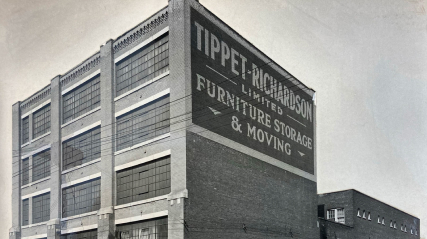
Tippet Richardson has supported moving customers since 1927, and our role is to help you make these decisions before they become urgent. For a Toronto to New Zealand residential move, discuss the full journey rather than requesting transport alone. Ask what is included, which steps are handled by the moving team, what depends on third parties, and what information you need to provide.
A written scope, an accurate inventory, realistic timing, and early discussion of unusual items are the foundations of a smoother move.
Read Also: How Much Does It Cost to Move from Toronto to New Zealand?
Wrapping Up
To ship belongings from Toronto to New Zealand with fewer surprises, start with a careful inventory, remove items that are not worth transporting, and choose the freight method according to volume and urgency. Professional packing is particularly valuable for furniture, fragile items, and goods that will be handled through several stages. Sea freight, shared container space, FCL, and air freight each have a place, but the right choice depends on your household rather than a general rule.
Give equal attention to the destination. Clean outdoor and used goods, declare items accurately, and check current New Zealand Customs and biosecurity requirements before packing. Allow time for arrival handling, possible inspection, building access, and final delivery planning.
Tippet Richardson can help coordinate international residential moving from Toronto to New Zealand, including the practical decisions that connect packing, collection, freight, documentation, and delivery. With nearly a century of moving experience, our team can help you turn a complicated household shipment into a clear, organised plan based on your belongings and destination needs.