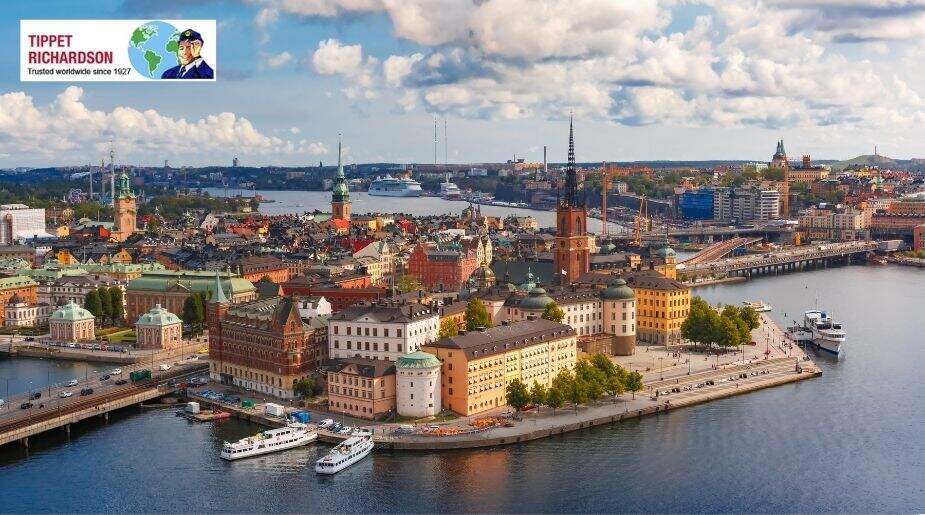

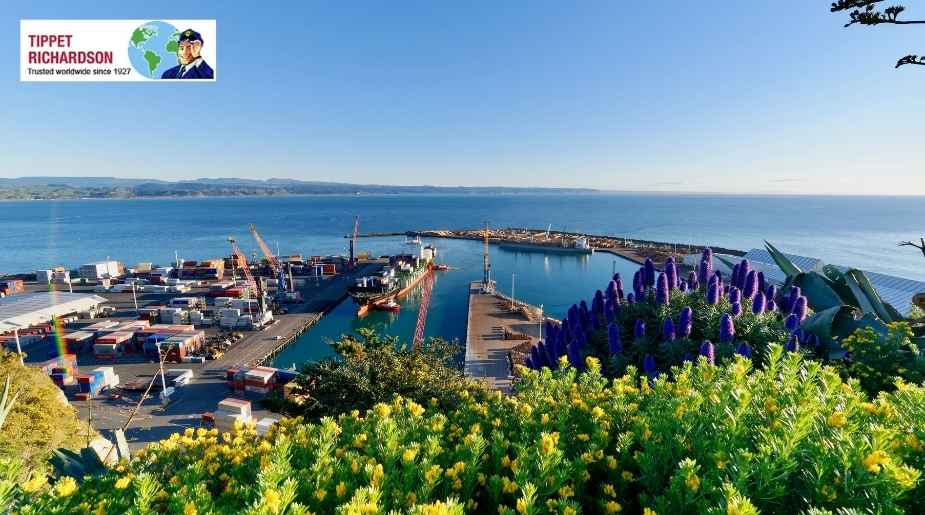
- Auckland offers the widest employment base, but housing costs are usually higher.
- Wellington suits professionals seeking culture, public services and a compact urban lifestyle.
- Christchurch, Hamilton and Dunedin can offer more space and different housing value.
- Tauranga is attractive for coastal living, although employment and housing require careful review.
- The best city depends on your work, budget, family needs, transport preferences and visa plans.
Best cities to live in New Zealand depend less on a universal ranking and more on how each location fits your work, budget, family and preferred pace of life. For Canadians moving overseas, the decision also involves climate, housing availability, employment, transport, schooling, healthcare access, distance from airports and the practical process of shipping household belongings.
New Zealand cities can look close together on a map, but daily life varies considerably between Auckland, Wellington, Christchurch, Hamilton, Tauranga, Dunedin and other centres. This guide compares the factors that matter during an international relocation so you can narrow your options before choosing a neighbourhood and arranging your move from Canada.
Best Cities to Live in New Zealand: How to Compare Them
Choosing among the best cities to live in New Zealand requires more than comparing population size or scenery. A city that works well for a single professional may not suit a family with children, while a lower housing cost may be offset by fewer jobs, longer journeys or limited access to international flights.
The most useful comparison begins with your likely weekly routine. Consider where you will work, whether you need public transport, how much space you require, how often you expect to travel internationally and whether you prefer a large urban centre or a smaller community.
Start With Your Non-Negotiables
Before looking at individual cities, separate essential requirements from preferences. Your list may include a job offer, a specific school area, access to specialist healthcare, a reasonable commute, outdoor space or proximity to an airport. Canadian families often also assess whether a city provides enough storage, parking and room for furniture arriving from overseas.
Housing should be considered in practical terms rather than by rent or purchase price alone. Ask whether the property has insulation, heating, secure storage, off-street parking and easy access for furniture delivery. Older homes may have different layouts and thermal performance from what you are used to in Canada, so a lower advertised price does not automatically mean lower household costs.
The Main Comparison Factors
For most people relocating to New Zealand, the decision comes down to six connected questions:
- Can I find suitable work, or reach my workplace reliably?
- Can I afford the type of housing and neighbourhood I need?
- Will the climate and pace of life suit my household?
- Can I manage without a car, or will I need one?
- How easily can I travel within New Zealand and back to Canada?
- Will the city support our longer-term plans, not only our first year?
These questions are more useful than asking which city is simply the “best”. They also help explain why Auckland may be the strongest choice for one newcomer while Christchurch, Hamilton, Tauranga or Dunedin is better for another.
A Practical Shortlist for Canadian Movers
A sensible approach in an international moving guide is to create a shortlist of two or three cities. Compare each one against the same criteria, then investigate specific suburbs rather than judging an entire city from its central area. If possible, allow for temporary accommodation while you inspect homes in person. If that is not possible, request detailed video viewings and confirm measurements before committing to a long-term lease.
At Tippet Richardson, we recommend making the destination decision before finalising the contents of an international shipment. Your housing type, storage availability and local access can influence what is practical to bring, store temporarily or sell before departure.
Comparing Auckland, Wellington and Christchurch
Auckland, Wellington and Christchurch are often the first cities considered by people moving to New Zealand from Canada. They offer established services, varied employment and strong connections to other parts of the country, but their day-to-day experience is very different.
Auckland: The Broadest Employment and Service Base
Auckland is New Zealand’s largest urban area and usually provides the broadest range of employment, education, shopping, specialist services and international connections. It may suit professionals whose work is concentrated in finance, technology, construction, education, healthcare, creative industries or larger organisations.
The trade-off is scale. Auckland’s spread-out urban form can produce lengthy commutes, and many households find a car useful depending on their suburb and workplace. Housing costs vary significantly by area, but central and well-connected neighbourhoods can command a premium. Families often balance access to schools and transport against the amount of space they can afford.
Auckland’s climate is generally milder than much of Canada, but it is humid and can be wet. Homes may feel different from Canadian housing because insulation, heating systems and moisture control vary by property. During a viewing, inspect ventilation, windows, heating and signs of dampness rather than relying only on photographs.
Auckland is a strong option if you need the largest employment market or expect frequent international travel. It may be less suitable if your priority is a compact commute, a quieter setting or more generous living space within a fixed budget.
Wellington: Compact, Cultural and Professional
Wellington is the capital and has a concentrated professional economy connected with government, public services, technology, education, research, media and the arts. Its compact central area can make walking and public transport practical for many residents, particularly those who choose to live near work or a reliable bus route.
The city is known for hills, wind and changing weather. A neighbourhood that looks close to the centre may involve steep streets, limited parking or a more demanding walk than expected. This matters when moving furniture, carrying children’s equipment or planning daily travel in wet or windy conditions.
Housing supply, property size and price vary considerably across Wellington and the surrounding region. Some homes have character features, compact rooms or challenging access. Before arranging delivery of large furniture, confirm stairways, driveways, lift dimensions and any building access rules.
Wellington can suit people who value a smaller, active city with cultural amenities and a professional employment base. It may be a less natural fit for households seeking a large suburban home, flat terrain or consistently calm weather.
Christchurch: Space, Access and a Different Urban Rhythm
Christchurch is the largest city in the South Island and is often considered by families and professionals looking for more space than they might obtain in Auckland or Wellington. It has employment across construction, agriculture-related industries, education, healthcare, technology and professional services, although the available roles depend on your field.
The city is relatively flat, which can make cycling, driving and moving household goods easier than in hillier locations. It also provides access to outdoor areas, the Southern Alps and the wider South Island. For people who want a city base without living in the country’s largest urban area, Christchurch can provide a useful middle ground.
The climate is generally drier than Wellington’s, with colder winters and warm, dry periods in summer. Homes still need careful inspection for heating and insulation. Proximity to outdoor areas is a lifestyle benefit, but it does not remove the need to check commute times, school zones and local services.
Christchurch may be one of the best New Zealand cities for families who want more room and straightforward road access, provided the local employment market meets their needs. It can also be a good choice for people who expect to explore the South Island by car.
Hamilton, Tauranga and Other Strong Choices
The best places to live in New Zealand are not limited to the three largest gateways. Hamilton, Tauranga, Dunedin and several other centres can be excellent choices when their employment, housing and lifestyle characteristics align with your plans.
Hamilton: A Practical Inland Option
Hamilton is one of the best places to live in New Zealand for Canadians seeking an inland centre in the Waikato. It may suit people working in agriculture-related sectors, education, healthcare, manufacturing, research, retail or professional services. Its location also provides access to Auckland and other North Island destinations, although the practical value of that access depends on how often you need to travel and where you work.
Housing can offer more space than some parts of Auckland, but local prices and availability change over time. Do not assume that a shorter distance to Auckland makes Hamilton a convenient daily commute; regular travel can become tiring and expensive. Evaluate the city on its own merits rather than treating it only as a lower-cost alternative.
Hamilton can work well for families, students and professionals who prefer a less dense city with access to parks and regional services. A car may be useful for many households, particularly outside central areas.
Tauranga: Coastal Living With Important Trade-Offs
Tauranga attracts people who value a warmer coastal setting, outdoor recreation and a relaxed pace. It has grown substantially and offers employment in areas such as healthcare, education, construction, retail, horticulture and port-related activity, although opportunities vary by profession.
Housing demand can be strong, especially in popular coastal and established neighbourhoods. A home that appears affordable may be farther from work, schools or everyday services than expected. Traffic and commuting should be assessed at the times you will actually travel, not only during a quiet viewing.
Tauranga may be suitable for families, semi-retired households and professionals with flexible or locally available work. It may be less suitable for someone who needs the depth of employment found in Auckland or Wellington. International travel may also involve a connecting journey rather than the direct options available from the largest gateway.
Dunedin: Education, Character and Cooler Conditions
Dunedin is a South Island city with a strong education and healthcare presence, distinctive architecture and access to coastal and rural landscapes. It may suit students, academics, healthcare professionals and people who prefer a smaller city with a defined community feel.
The climate is cooler, and homes can vary widely in age, condition and heating quality. This makes property inspection particularly important for newcomers used to Canadian winters. Ask how the home is heated, whether rooms receive adequate sunlight and whether dampness or condensation has been addressed.
Dunedin’s smaller scale can simplify some journeys, but employment options are narrower than in Auckland and may be more specialised. It is worth considering if your work is already arranged or if you value education, community and a slower pace over a large employment market.
Other Cities and Regional Centres
New Zealand cities for international migrants also include places such as Palmerston North, Napier, Nelson, New Plymouth and Queenstown. Each has a distinct employment base, housing market and level of international access. Queenstown, for example, may appeal to people working in tourism or hospitality, but housing availability and seasonal employment deserve close attention.
Regional centres can offer strong community connections and access to outdoor activities. Their potential limitations include fewer specialist services, fewer direct flights, smaller rental inventories and a greater need for a car. Research the ordinary week, not only the destination’s most attractive features.
Cost of Living, Housing, Work and Daily Transport
A meaningful New Zealand city comparison must look beyond headline housing figures. Your total monthly budget includes rent or mortgage payments, utilities, insurance, transport, childcare, food, healthcare costs that are not publicly covered and the expense of setting up a household after arrival.
Housing and Household Costs
Rental and purchase prices vary by suburb, property type and market conditions. A city with lower average housing costs may require more driving, while a centrally located home with good public transport may cost more but reduce vehicle expenses. Compare the complete monthly picture.
For an international move, also account for temporary accommodation, furniture replacement, storage and the possibility that your shipment arrives at a different time from your lease. Do not ship every possession before confirming the size, access and storage capacity of your new home. A large Canadian home’s furniture may not suit a smaller New Zealand property, particularly where doorways, stairs or room dimensions differ.
Employment and Professional Recognition
Auckland and Wellington generally provide the widest range of office-based roles, while Christchurch, Hamilton, Tauranga and Dunedin have strong opportunities in selected industries. The right choice depends on your occupation, employer, work rights and whether Canadian qualifications require recognition in New Zealand.
Confirm the location of your workplace before choosing a suburb. A city may appear affordable until a long commute, parking costs and vehicle ownership are added. If your role is remote or hybrid, confirm the employer’s expectations, internet availability and the reliability of your intended transport options.
Transport and Proximity
Public transport is most useful in dense urban areas and along established routes. Auckland and Wellington generally offer more extensive urban networks, while many households in Christchurch, Hamilton, Tauranga and regional centres rely more heavily on cars. Cycling and walking may be practical in selected neighbourhoods, but terrain, weather and road design matter.
Travel distance also affects family life. Check how far you will be from airports, schools, medical services, supermarkets and the people who will support you after arrival. New Zealand’s overall size can look modest compared with Canada, yet mountains, water and road conditions can make journeys longer than the map suggests.
Climate deserves equal attention. New Zealand winters are usually milder than Canadian winters, but many homes do not provide the same level of built-in heating and insulation that Canadians may expect. Summer sun can also be strong. Ask practical questions about heating, ventilation, curtains, shade and moisture control before signing a lease.
Lifestyle and Community Fit
A successful relocation depends on whether your normal routines are sustainable. Consider access to parks, sports, community groups, religious communities, cultural activities and schools. New Zealand cities for families may offer a calmer pace, but the best neighbourhood still depends on your children’s ages, work locations and social support.
People moving from Canada sometimes focus on the mild climate and outdoor access, then discover that distance from relatives, limited direct flights and the cost of establishing a new household are more significant than expected. Discuss these factors as a family before choosing a city.
Planning Your Move to New Zealand From Canada
Once you have narrowed the choice to a city and a few neighbourhoods, the next task is to create a realistic arrival plan. International residential moving involves more than collecting cartons. It requires decisions about what to bring, when to ship it, where it will go and how it will be handled if your permanent home is not ready.
Decide What Travels and What Does Not
Start with an inventory divided into essential items, replaceable items, fragile belongings, high-value possessions and items that need special care. Measure large furniture and confirm that it will suit the destination property. Canadian appliances and electrical items should be checked for compatibility before you decide to ship them.
Documents, medication, valuables and immediate clothing should travel with you according to applicable airline and border requirements rather than being packed into household goods. Requirements can vary, so confirm current rules with the relevant authorities and your moving company.
Build the Timeline Around Housing
Do not select a shipment schedule only because it is convenient before departure. Coordinate it with your visa position, travel date, temporary accommodation, lease start and the time needed to receive household effects. Arrival timing can be affected by factors outside the mover’s control, so retain essential items separately.
If your New Zealand home is smaller than your Canadian property, consider short-term storage while you decide what belongs in the new household. This can be especially useful for sentimental furniture, seasonal items or possessions that you cannot assess properly until you have lived in the new space.
At Tippet Richardson, our international residential moving team can help you review packing, inventory and shipment choices for a move from Canada. The appropriate arrangements depend on the destination, the items involved and the current requirements applying to the move, so a detailed assessment is more useful than a generic estimate.
Prepare for the First Four Weeks
The first month is easier when you plan for practical gaps. Set aside bedding, towels, basic kitchen items, weather-appropriate clothing, chargers, work equipment and documents. Keep a record of every packed carton and photograph valuable items before packing. Label boxes by room and priority rather than using vague descriptions such as “miscellaneous”.
Before arrival, confirm how you will reach your temporary or permanent accommodation, whether the property has furniture, where essential supplies can be purchased and how you will receive keys. If you are moving into a flat, apartment or townhouse, ask about access restrictions, parking and delivery windows.
Moving from Canada to New Zealand is also a major personal adjustment. Give yourself time to learn local systems, compare neighbourhoods and establish routines. A city that feels unfamiliar during the first week may become an excellent long-term home once work, school and community connections are in place.
The Canadian moving services market was valued at USD 9.06 billion in 2024 and is projected to reach USD 14.08 billion by 2033, expanding at a compound annual growth rate (CAGR) of 5.05% during the forecast period.
Wrapping Up
The best cities to live in New Zealand include Auckland for breadth of employment and services, Wellington for a compact professional and cultural environment, Christchurch for space and South Island access, Hamilton for a practical inland setting, Tauranga for coastal living and Dunedin for education, community and a smaller-city pace. Other centres may also be appropriate when their employment and housing conditions match your plans.
There is no reliable city ranking that can make the decision for you. Compare housing, work, transport, climate, healthcare, schools, airport access and the cost of establishing your home. Then assess specific neighbourhoods against your actual daily routine.
For people relocating to New Zealand from Canada, the destination decision and the moving plan should be developed together. The size and access of your new home will affect what you bring, while storage and shipment timing can affect how smoothly you settle. With nearly a century of experience, Tippet Richardson provides international residential moving support focused on careful planning, packing, handling and communication throughout the process. A detailed conversation about your origin, destination and household is the sensible next step before you commit to a city or shipment.