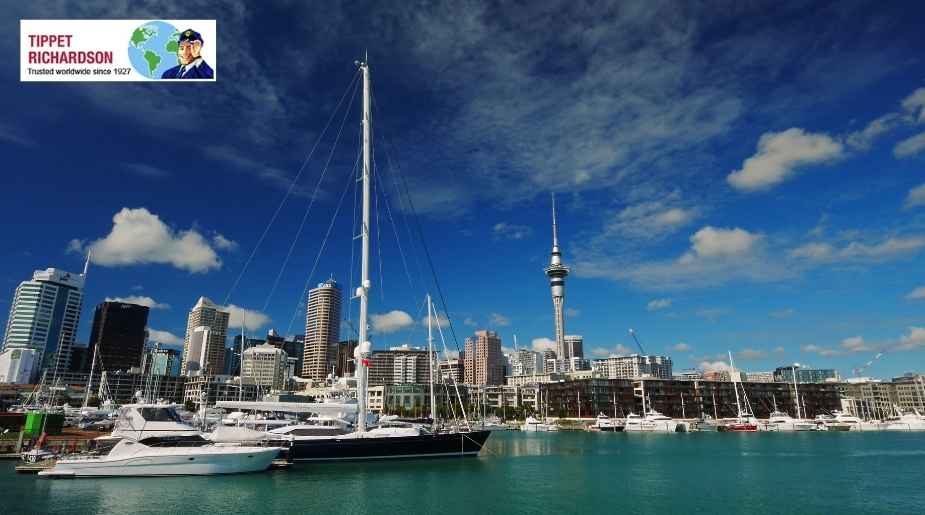
- Auckland offers New Zealand’s broadest range of jobs across finance, technology, healthcare, construction and professional services.
- Wellington suits public service, technology, policy, media and creative professionals seeking a concentrated career market.
- Christchurch, Hamilton, Tauranga and Dunedin can offer strong sector-specific opportunities with different housing and lifestyle trade-offs.
- The best city for skilled workers and immigrants depends on occupation, employer demand, visa requirements and household priorities.
- Choose the destination first, then plan your international residential move around your employment start date and housing arrangements.
The best places to live in New Zealand for jobs are Auckland, Wellington, Christchurch, Hamilton, Tauranga and Dunedin, depending on your industry, career stage and preferred lifestyle. Auckland has the widest employment market, while other cities can provide strong opportunities in specialised sectors with different housing and commuting pressures.
Moving to New Zealand for work involves more than finding a vacancy. You also need to compare employers, industry concentration, housing, transport, family needs and the practical task of moving household belongings internationally. This guide compares the major cities, explains which careers suit each location and sets out what to consider before shipping your possessions.
Best Places to Live in New Zealand for Jobs
New Zealand’s employment opportunities are concentrated differently from city to city. The largest market is not automatically the best choice: a specialist may find a better match in Christchurch or Hamilton, while a professional seeking maximum career variety may prefer Auckland. Your decision should reflect both the role you want now and the opportunities you may need after your first position.
Auckland: The Broadest Employment Market
Auckland is generally the strongest starting point for people who want the widest selection of employers and career paths. It has major activity in finance, technology, professional services, healthcare, education, construction, retail, tourism and infrastructure-related work. For international Moving arrivals, that breadth can make it easier to search across several industries rather than depend on one local employer.
The trade-off is competition and cost. Auckland is a large, spread-out urban area, so the distance between home and work can affect both your budget and your daily routine. A job in the central business district may look attractive until you account for rent, parking, public transport and the time required to reach the office from a more affordable suburb.
Auckland is often the practical choice for professionals who value employer variety, career mobility and access to international businesses. It can also suit households where two adults need work in different sectors.
Wellington: Government, Technology and Creative Careers
Wellington has a concentrated employment market with particular strength in central government, public policy, administration, technology, digital services, film, media, design and professional services. Its compact city centre can be appealing if you prefer shorter urban journeys and access to work, culture and public facilities in a relatively close area.
The market is more specialised than Auckland’s. People working in policy, public administration or technology may find Wellington a natural fit, while those seeking a broad range of industrial or large-scale commercial roles may need to research vacancies carefully before relocating.
Wellington’s location and terrain also matter. Housing choices, wind exposure, hills and access to surrounding areas can affect where you want to live. Review the likely work location before signing a lease, particularly if your role is office-based rather than fully remote.
Christchurch: Engineering, Construction and Growing Technology
Christchurch is one of the best cities in New Zealand for jobs in engineering, construction, manufacturing, agriculture-related services, healthcare, education and technology. Its wider Canterbury region supports work connected with farming, food production, research, infrastructure and specialist technical services.
The city can appeal to people who want a substantial urban employment market without the same level of concentration found in Auckland. It also provides access to a broader range of outdoor environments, which may be important for families or professionals choosing lifestyle alongside career development.
Before moving, check whether the role is genuinely city-based or connected to sites across Canterbury. Construction, engineering and primary-industry positions can involve travel outside the central area. That detail may change your preferred suburb, vehicle needs and household budget.
Hamilton: Agriculture, Research and Education
Hamilton is an important centre for agriculture, agritech, research, education, healthcare, manufacturing and business services. It can suit professionals whose work connects with the Waikato’s farming, food, science or education economy.
The city is worth considering if you want access to a regional employment centre and a position linked to specialist industries rather than the largest possible number of vacancies. It may also appeal to households looking for a different balance between work, housing and daily travel than Auckland provides.
A common mistake is to treat Hamilton as simply a lower-cost alternative to Auckland. The better question is whether your profession has a strong local employer base. If it does, Hamilton may offer a practical career move. If not, a smaller market may make changing jobs more difficult later.
Tauranga and Dunedin: Focused Opportunities with Different Lifestyles
Tauranga has employment connected with horticulture, construction, health, education, tourism, marine activity and regional trade. It can be attractive to people who value coastal living, but housing demand and the availability of suitable roles should be assessed carefully before making a decision.
Dunedin has notable strengths in healthcare, education, research, technology, manufacturing and professional services. Its university and health-related employers contribute to a distinctive employment base, making it particularly relevant to students, academics, medical professionals and certain technical specialists.
Both cities demonstrate why the best places to work in New Zealand are personal choices. A focused market can be highly suitable when your qualifications match local demand, but it may offer fewer alternatives if your preferred role changes.
How New Zealand Cities Compare by Industry and Career Stage
The New Zealand job market by city is easier to understand when you begin with your occupation rather than a city name. Start by identifying where employers in your field are concentrated, then compare the likely salary, competition, housing and career progression. This avoids choosing a location based only on reputation or scenery.
Technology, Finance and Professional Services
Auckland is usually the strongest option for finance, banking, consulting, corporate services and a wide range of technology roles. Wellington is highly relevant for government technology, digital services, policy technology and creative digital work. Christchurch also has a growing technology and engineering base, including businesses connected with advanced manufacturing and research.
For technology professionals, remote and hybrid work can broaden your choices, but do not assume that every role can be performed from any city. Ask about office attendance, team location, travel expectations and whether employment is tied to a particular site.
Career stage matters too. An experienced specialist may value a smaller city with a strong employer match, while someone early in their career may benefit from a larger market with more training, mentoring and internal movement.
Healthcare, Education and Public Service
Healthcare and education create important employment opportunities across New Zealand, although the types and volume of vacancies vary by region. Auckland and Wellington offer large institutions and diverse professional roles. Christchurch, Hamilton and Dunedin also have strong relevance for health, education and research careers.
Public service and policy work are especially associated with Wellington, but related roles can exist elsewhere. Applicants should assess the specific employer, professional registration requirements and eligibility to work rather than relying on a general city comparison.
For international professionals, qualification recognition and registration may affect the practical timing of a move. Confirm these requirements through the relevant New Zealand authority and employer before arranging a permanent household move.
You may also like: Moving from Toronto to Whangarei: International Moving Guide
Engineering, Construction and Primary Industries
Christchurch, Hamilton, Tauranga and Auckland can all be relevant for engineering and construction, but the work may differ considerably. Christchurch has strong connections with infrastructure, technical services and manufacturing. Hamilton is closely connected with agriculture, food production and research. Tauranga has regional demand associated with construction, horticulture and marine activity. Auckland offers greater variety but also a larger and more competitive market.
Primary industries often involve work outside the city centre. A role advertised in a regional city may require regular travel to farms, plants, ports or project sites. Confirm the work location, expected travel and vehicle arrangements before comparing housing options.
Where Skilled Workers and Immigrants Should Look First
For skilled workers and immigrants, the best cities in New Zealand for jobs are the ones where three conditions overlap: employers need your skills, you can meet any professional or immigration requirements, and the household can manage the cost of living.
A sensible search sequence is to identify suitable occupations, review current vacancies, check employer and work eligibility details, and then compare cities. Immigration settings and employer requirements can change, so use current information from Immigration New Zealand and the relevant professional body before making decisions.
Moving before confirming the employment situation can create unnecessary pressure. A short-term arrival plan may be appropriate for some households, while others will prefer to secure an offer, accommodation and a clear start date before shipping valuable belongings.
Which New Zealand City Fits Your Work and Life Priorities?
The right destination is a decision about work and daily life together. Two cities may offer similar roles, yet produce very different outcomes once rent, commuting, childcare, partner employment, climate preferences and access to family are considered.
Choose Market Depth or Lower Competition
Auckland gives you the greatest breadth of employers in many fields. That can reduce the risk of being tied to one organisation and make it easier to pursue a second role later. However, more vacancies can also mean more applicants and higher living costs.
A smaller city may offer a closer match between your skills and local demand. In specialist sectors, that can be a significant advantage. The limitation is that a local market may have fewer alternative employers if your position ends or your career direction changes.
Compare at least three factors for each city: the number of suitable vacancies, the number of credible employers and the likely next step after your first role. This is more useful than comparing vacancy totals alone.
Consider Housing, Commuting and Family Needs
Housing should be assessed alongside the job offer, not afterwards. Ask where you will work, how often you must attend in person, whether you need a car and whether your household needs schools, childcare, healthcare or access to community networks.
A higher salary in Auckland may not provide more usable income if accommodation and commuting absorb the difference. Conversely, a lower salary in a regional city may work well if housing and daily travel are more manageable. Make a household budget using realistic rent, transport, utilities and relocation costs rather than relying on a headline salary.
If you are bringing furniture, musical instruments, artwork or other large belongings, check the size and access conditions of the new home before deciding what to ship. A smaller rental or apartment may require a different approach from a detached home.
Check Employment and Immigration Details Before Committing
Before accepting a position, confirm the employer, work location, contract terms, start date, required qualifications and any registration or work-authorisation conditions. If your partner also needs employment, research that market separately rather than assuming the same city will suit both careers.
Allow time for decisions that sit outside the moving process. Visa applications, professional checks, housing arrangements and employer onboarding can follow different schedules. A move plan should include contingency space instead of assuming every date will remain unchanged.
At this stage, a conversation with an international residential moving specialist can help you understand the information needed for an accurate estimate. Tippet Richardson can discuss the household side of the move once your destination, approximate timing and belongings are clearer.
How to Move Household Belongings to New Zealand After Choosing a City
Once you have selected a city and have a realistic employment start date, plan the household move as a separate workstream. International residential moving involves more than collecting boxes: you need a clear inventory, suitable packing, accurate documents and a delivery plan for the destination home.
Build a Move Plan Around Your Employment Start Date
When moving to New Zealand from Toronto, start by working backwards from the date you need essential belongings in New Zealand. Your plan should account for notice at your current home, packing, travel, temporary accommodation, access to the destination property, and the possibility that employment or housing dates may change.
Do not ship everything immediately if your New Zealand accommodation is not confirmed. Some households use temporary arrangements for essential items while waiting for a long-term home. The most suitable approach depends on your schedule, budget, destination access and the belongings involved.
Give your moving company a clear description of the origin property, destination city, approximate volume, access conditions and preferred timing. Details such as stairs, lifts, narrow roads, apartment rules and parking can affect how the move is planned.
Decide What Is Worth Shipping
The cost and effort of moving an item internationally should be weighed against its replacement cost, sentimental value, condition and usefulness in the new home. Large, inexpensive furniture may not be worth transporting if the destination property is furnished or has different room dimensions.
Items that often deserve closer consideration include specialist equipment, quality furniture, artwork, collections, family documents and belongings that would be difficult to replace. Items that are damaged, rarely used or unsuitable for the new climate may be better sold, donated or recycled before departure.
Prepare a room-by-room inventory and separate essential arrival items from belongings that can follow later. Keep passports, employment papers, valuables, medication and other immediate necessities with you rather than placing them in the household shipment.
You may also like: Moving from Toronto to New Plymouth: International Moving Guide
Prepare for Packing, Documents and Destination Delivery
Professional packing can reduce handling risks, particularly for fragile, valuable or awkward belongings. Tell the moving team about items that require special attention, including antiques, artwork, pianos, electronics and delicate personal collections. Accurate information helps determine the appropriate preparation and protection.
Destination requirements can vary according to the item, origin, packaging and current New Zealand rules. Household goods may be subject to inspection or other official requirements. Confirm current conditions with the appropriate New Zealand authorities and provide complete, truthful information for the move documentation.
Before delivery, confirm the address, access, building rules and who will be available to receive the shipment. In a city apartment, reserve any required lift or loading access as early as possible. In a regional or rural location, describe road access and the final distance to the property clearly.
Tippet Richardson’s role is to help you plan the residential side of the move with care and clear communication. The most useful early discussion includes your origin, chosen New Zealand city, approximate household volume, preferred timing and any high-value or fragile belongings.
Wrapping Up
The best places to live in New Zealand for jobs depend on the relationship between your occupation, employer demand, household budget and preferred way of life. Auckland offers the broadest market; Wellington is particularly strong for public service, technology and creative work; Christchurch suits many engineering, construction and technical careers; Hamilton connects strongly with agriculture, research and education; and Tauranga and Dunedin offer focused opportunities with distinct lifestyle advantages.
For someone moving to New Zealand for work, the soundest approach is to confirm the employment and immigration position first, compare the city against your household needs, and only then decide what to ship. Planning the move around your employment start date can reduce avoidable pressure and help you arrive with the belongings that genuinely matter.
When the destination and timing are ready, Tippet Richardson can support the international residential moving process with the planning expected from a company serving households for nearly a century. A detailed conversation is the appropriate next step when you are ready to turn a city decision into a practical moving plan.