- Moving from Toronto to New Plymouth requires early planning for packing, sea freight, customs and biosecurity clearance.
- Sea freight usually suits a full household, while air freight is better for essential items needed sooner.
- New Zealand biosecurity rules make clean, accurately declared household goods especially important.
- Your Toronto to New Plymouth moving cost depends on volume, transport method, access, services and destination charges.
- A specialist international mover can coordinate the move from your Toronto residence through delivery or storage in Taranaki.
Moving from Toronto to New Plymouth is best planned as one connected international relocation rather than a series of separate shipments. The journey involves preparing your home in Toronto, packing for a long ocean crossing, arranging freight, clearing New Zealand customs and biosecurity, and organising delivery to your new address in Taranaki.
That matters because New Plymouth has different access, weather, distance and service considerations from Auckland or Wellington. This guide explains how household goods are moved, when sea or air freight makes sense, what New Zealand authorities look for, how storage fits into the plan, which factors influence cost and how to build a realistic schedule.
Moving From Toronto to New Plymouth: How the Journey Works
Moving household goods from Toronto to New Plymouth normally involves several handovers and transport stages. Understanding the sequence helps you compare quotes properly and prevents a common mistake: assuming that an international moving price covers every service from the front door in Toronto to the final room in New Plymouth.
From Your Toronto Home to the Port
The move begins with a survey of what you intend to take. A moving specialist considers the size and nature of the shipment, the number of rooms, access at the Toronto property, parking, lift reservations and whether packing is required. Condo moves may need booked elevators and building insurance requirements, while older Toronto homes may involve narrow staircases, restricted parking or longer carrying distances.
Your belongings are then packed, labelled and prepared for export. Depending on the selected service, they may be loaded into a shared container, a dedicated container or another approved shipping arrangement. The practical choice depends on volume, timing, budget and how much control you need over the shipment.
The International Shipping Stage
For most household moves, sea freight is the main method. It is generally more economical for furniture, appliances, books and a complete home, but it takes longer and the overall schedule can change because of port congestion, vessel availability, inspections or onward transport arrangements.
Air freight is faster but has limited capacity and a higher cost relative to volume. It is often considered for documents, clothing, children’s essentials, medication that can legally travel with you, work items and a small number of personal effects. Any medication or restricted item should be checked against the applicable rules before packing.
A blended plan can work well. For example, a family may send most furniture by sea while carrying essential clothing and a small air shipment for the first weeks. This can reduce pressure to buy everything again in New Plymouth without paying to fly an entire household.
Arrival and Delivery in Taranaki
International household shipments commonly enter New Zealand through a major port or airport before continuing to the destination region. The shipment may require customs processing, biosecurity assessment, unpacking or inspection, and local delivery planning before it reaches New Plymouth.
The final delivery is not simply a shorter version of the Toronto pickup. Your New Plymouth address may have a steep driveway, limited parking, rural access, a narrow entrance or a home that is not ready when the shipment arrives. Confirm these details early. They can affect the vehicle used, the delivery appointment and whether temporary storage is sensible.
What Should You Ship From Toronto to New Plymouth?
The right shipment is not necessarily the largest shipment. A long-distance move is a useful opportunity to decide what is genuinely worth transporting, what should be sold or donated in Toronto and what may be easier to replace in New Zealand. Volume affects freight charges, packing time, handling and the space you need at your destination.
Household Goods That Usually Travel Well
Furniture, kitchenware, books, clothing, children’s belongings, artwork and personal effects can all form part of an international household shipment, subject to applicable customs and biosecurity requirements. Durable items that are in good condition and difficult or expensive to replace may be stronger candidates than bulky, low-value goods.
Before deciding, consider the dimensions of the New Plymouth home. A sectional sofa that suited a large Toronto living room may not fit through the new entrance. Appliances also deserve careful review because electrical specifications, plugs and local compatibility may differ. Do not assume that an item bought in Canada will operate appropriately in New Zealand without checking it.
Items Requiring Particular Care
New Zealand places strong emphasis on protecting its agricultural and natural environment. Items that have been outdoors, in contact with soil, or made from natural materials may receive closer attention. Examples can include garden tools, camping equipment, bicycles, sports equipment, outdoor furniture, wooden objects and some children’s items used outside.
These goods should be clean and dry before packing. Cleaning them shortly before the packing day is not enough if dirt remains in seams, wheels, soles or joints. A specialist can help identify items that require declaration, but you remain responsible for providing accurate information about what you are shipping.
Valuable artwork, antiques, instruments and delicate furnishings need a separate assessment. Their packing method, insurance arrangements, handling instructions and placement in the shipment should be discussed before the move date rather than on packing morning.
What Should Stay Behind?
A useful test is to compare replacement cost, sentimental value, available space and shipping volume. Heavy, inexpensive goods often add more to the shipment than they are worth, while a well-made table, heirloom or specialist instrument may justify the space and careful handling.
Create three groups: ship, sell or donate, and decide later. The last group should have a firm review date. Leaving decisions until the packing crew arrives can lead to rushed choices, extra cartons and a final volume that differs from the estimate.
For a household with uncertain arrival timing, pack a separate arrival kit. Keep documents, essential clothing, chargers, basic toiletries, important medications and a small set of household necessities with you or in a shipment designed for earlier access. Do not place irreplaceable documents or essential valuables in the main household consignment without understanding the risks and access arrangements.
Packing for an Ocean Crossing
International packing must protect against handling, vibration, changes in temperature and a longer period in transit than a local move. Professional packing normally involves stronger cartons, purpose-selected wrapping and careful preparation of furniture and fragile items. Each package should be identified clearly enough for delivery and inventory checks without relying on memory.
Photograph valuable items before packing and keep a copy of the inventory. Note existing marks honestly. A clear record helps with identification, condition discussions and unpacking, particularly when months may pass between the Toronto packing day and delivery in New Plymouth.
You may also like: Best Places to Live in New Zealand for Jobs and Career Opportunities
Sea Freight, Air Freight and Storage: Which Option Fits?
The best transport plan depends on when you need your belongings, how much you are shipping and where you will live on arrival. A quote that appears inexpensive may not suit your schedule if it excludes temporary storage, later delivery or access constraints in New Plymouth.
Sea Freight for a Complete Home
Sea freight is usually the practical starting point for a full household. It provides more capacity for furniture and cartons and generally costs less per unit of volume than air freight. The trade-off is patience: the shipment needs time for collection, export preparation, ocean transport, New Zealand processing and delivery planning.
There are two broad approaches. A dedicated container gives you the use of the container space, while a shared shipment combines your goods with other customers’ consignments. The appropriate option depends on the amount you are moving and the service available for your route. Ask how the volume is measured, what is included in the estimate and whether the plan assumes direct delivery or a later local delivery stage.
Air Freight for Essential Belongings
Air freight can be useful when you need a limited number of items ahead of the sea shipment. Because charges are influenced by both weight and volume, it is rarely the economical choice for sofas, large wardrobes or a complete kitchen.
A sensible air shipment may contain work clothing, school essentials, a few personal items and items needed while waiting for the main consignment. Keep it deliberately small. Without a written list, an air shipment can grow quickly as more “essential” items are added.
Temporary Storage in Toronto or New Plymouth
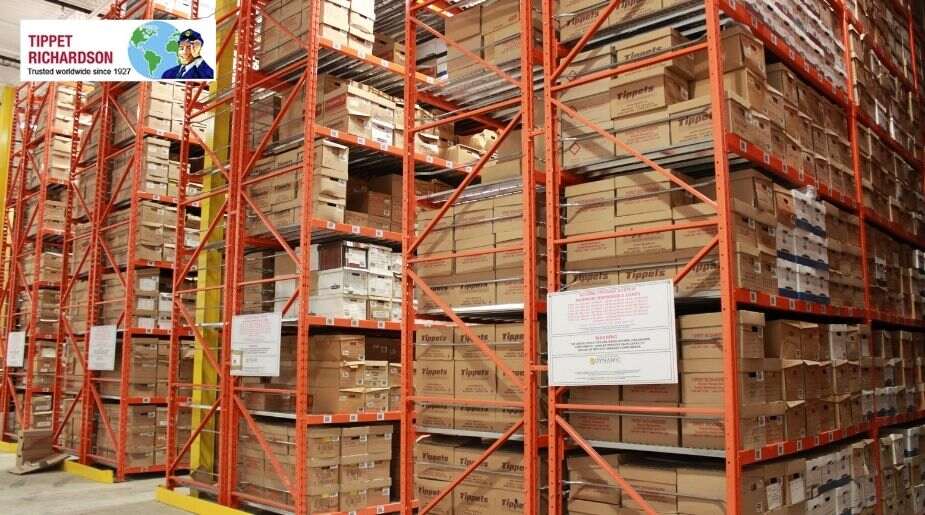
Storage may be needed when your Toronto home closes before the New Plymouth property is ready, when your arrival date is uncertain or when you are moving into temporary accommodation. It can be arranged before export, during the transition or after arrival, depending on the shipment plan and available facilities.
Storage Solution changes the sequence and may add handling, so it should be discussed when the quote is prepared. Tell the moving company whether you need a short pause, a longer holding period or flexibility around the final delivery date. If you are storing furniture after arrival, check whether the facility and delivery plan suit the size and condition of the items.
How to Compare International Moving Quotes
Ask each Toronto to New Plymouth moving company to explain the complete scope in plain language. A useful comparison should identify packing, origin collection, export preparation, shipping method, destination handling, customs-related assistance, biosecurity-related steps, delivery, unpacking, storage and any services that are not included.
Pay attention to assumptions. A quote based on an estimated volume may change if the final inventory is larger. A price may also depend on access, stairs, long carries, elevator bookings, rural delivery, inspection requirements or waiting time. These are not necessarily unexpected charges, but they should be discussed before you commit.
What Customs and Biosecurity Steps Apply in New Zealand?
Customs and biosecurity are central to moving from Toronto to New Plymouth. New Zealand authorities assess imported goods and may inspect items that could carry soil, plant material, pests or other risks. The exact process depends on the goods, documentation, packaging and decisions made by the relevant authorities at the time of arrival.
Prepare an Accurate Inventory
An inventory should describe the contents clearly rather than using vague labels such as “miscellaneous” or “personal items”. Group similar goods sensibly, but provide enough detail for the shipment to be understood. Include used outdoor equipment, wooden articles, food-related items and other goods that may raise questions.
When moving to New Zealand from Toronto, honest declaration is important. Do not hide an item because you are unsure whether it is permitted. Declare it and ask for guidance. A decision may involve inspection, cleaning, treatment, restriction, or disposal. The outcome is determined by the applicable New Zealand requirements and the inspecting authority, not by the moving company.
Clean Outdoor and Natural-Material Items
Before packing, inspect bicycle tyres, tent seams, hiking boots, golf equipment, garden tools and similar goods. Remove visible soil, plant material and organic residue. Wooden furniture and decorative items should also be checked carefully, especially around joints, undersides and stored areas.
Keep items dry. Damp goods can develop odours or damage during a long journey and may create additional concerns during inspection. If an item cannot be cleaned properly, discuss it before packing rather than assuming it will pass without question.
Understand the Difference Between Assistance and Approval
An international moving company can help organise documents, identify information needed for the shipment and coordinate with relevant parties. It cannot guarantee that every item will be released, avoid inspection or receive a particular biosecurity decision. Rules may change, and the authorities retain control over assessment and clearance.
You may also need to provide information about ownership, residence Moving, shipment contents and other details. Requirements can vary according to your circumstances and the goods you import. Confirm current official requirements before the shipment is packed and again if your plans change.
Protect the Delivery Schedule
A shipment cannot be delivered until the required arrival steps are complete. Missing information, unclear descriptions, unclean goods or delayed responses can extend the process. Keep digital copies of inventories, passports or other requested documents where appropriate, and respond promptly to questions from the moving company or clearance representatives.
If you are moving to a rural or semi-rural address near New Plymouth, tell the coordinator early. The destination may require a different delivery vehicle or a more detailed access assessment. If the property is still under construction or the settlement date is uncertain, temporary storage may be safer than sending the shipment to an address that cannot receive it.
For preparation, use Tippet Richardson’s guidance on New Zealand international moving, shipping household goods and biosecurity requirements, and confirm the current official requirements before your packing date.
How Much Does Moving From Toronto to New Plymouth Cost?
There is no reliable single price for moving from Toronto to New Plymouth without knowing the shipment volume, service scope, timing and access at both homes. The most useful estimate is based on an inventory or detailed survey, not only the number of bedrooms.
Main Cost Factors
Your Toronto to New Plymouth moving cost may be influenced by:
- The volume and nature of the household goods, including fragile, oversized or high-value items.
- Packing requirements, materials, special crating and the time needed at the Toronto residence.
- Sea or air freight, shared or dedicated space, port handling and destination transport.
- Access conditions, stairs, long carries, elevator bookings, parking restrictions and rural delivery.
- Customs or biosecurity-related processing, inspection, cleaning, treatment or other authority-determined charges.
- Storage, additional handling, unpacking and delivery timing if your New Plymouth home is not ready.
These factors interact. Reducing volume may lower freight charges, but professional packing for a fragile item may still be worthwhile. Choosing air freight for a small urgent shipment can be sensible, while using it for a large household may create a cost that does not match the item’s value.
What a Good Quote Should Explain
Ask for a written explanation of what happens at each stage. It should be clear whether the estimate covers the Toronto pickup, packing, export preparation, international shipping, arrival handling, customs-related assistance, biosecurity-related steps, New Zealand delivery and storage.
Also ask whether the price is fixed, estimated or subject to measurement and third-party charges. The answer may vary by service and circumstance, so do not rely on a verbal assumption. Ask what could cause the amount to change and how you will be informed if the plan changes.
A useful quote is not always the lowest initial figure. It is the one that lets you compare equivalent services and understand your responsibilities. An apparently cheaper option may leave you arranging packing, port delivery, storage or final transport yourself.
Build A Practical Budget
Start with the household goods you genuinely intend to ship. Then allow for decisions that are easy to overlook: travel with essentials, temporary accommodation, replacement purchases, storage, insurance or valuation arrangements, cleaning outdoor items and possible delivery changes.
Do not pack prohibited or uncertain goods simply because they are sentimental. Ask early whether they can travel and what preparation is required. Removing an unsuitable item before packing is usually easier than dealing with it after arrival.
For a more detailed estimate, review the Tippet Richardson international moving cost guide and request an assessment based on your inventory, origin address, destination address and preferred shipment method. The final scope should be confirmed for your own move rather than copied from another household’s experience.
When Should You Start?
Begin approximately three to six months before the preferred move date when possible. Earlier planning gives you time to reduce the shipment, obtain building permissions, arrange documents, compare sea and air options, clean outdoor goods and allow for changes in your housing schedule.
A shorter timeframe may still be possible, but it reduces flexibility. Confirm availability before signing a property agreement that depends on a particular delivery date. International shipping involves several parties, so a careful plan should include room for changes rather than promising a date that cannot be controlled.
A practical sequence is:
- Three to six months out: survey the household, choose a mover, review documents and begin reducing possessions.
- One to three months out: confirm the inventory, book packing, clean relevant goods and settle the sea or air freight plan.
- Final weeks: separate travel essentials, complete declarations, confirm access and keep contact details current.
- Arrival period: respond to clearance questions, confirm the New Plymouth address and arrange delivery or storage.
Planning Around New Plymouth Conditions
New Plymouth is a regional destination on the North Island’s west coast, so the final part of the move may require more advance planning than delivery to a major central-city address. The property could be in the city, a nearby town or a rural area in Taranaki. Give precise address and access information, including driveway width, turning space, slopes, bridges, gates and any restrictions on large vehicles.
Weather can also affect loading and unloading conditions. Your coordinator should know if there are exposed access routes, unsealed surfaces or a property that cannot safely receive a large vehicle after heavy rain. These details do not make the move impossible; they simply need to be considered before the delivery appointment.
You may also like: Moving from Toronto to Whangarei: International Moving Guide
Wrapping Up
Moving from Toronto to New Plymouth is manageable when you plan the shipment around the complete journey: what you are taking, how it will be packed, whether sea or air freight suits your priorities, how it will clear New Zealand requirements and where it will go if your home is not ready.
Start with a realistic inventory and a detailed assessment. Clean and declare outdoor or natural-material goods, separate items you need immediately, and compare quotes by their full scope rather than by the first number you see. Ask about storage and final delivery conditions in Taranaki before the shipment leaves Toronto.
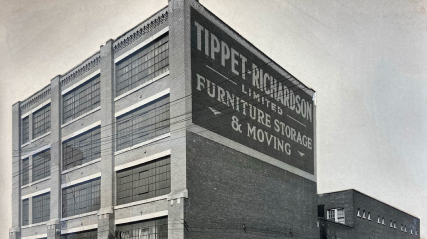
Tippet Richardson has been helping families plan moves for nearly a century. For a move from Toronto to New Plymouth, our international moving specialists can help you assess household goods, discuss packing and freight options, and organise the stages that connect your Toronto home with delivery in New Plymouth. The next practical step is to request a quote based on your actual belongings, timing and destination access.