
- Antique movers protect valuable furniture, heirlooms, artwork, mirrors, and fragile pieces with careful item-specific planning.
- Premium antique moving services focus on preparation, packing, access routes, controlled handling, and property protection.
- Fine art moving experience can help protect delicate finishes, loose joints, carved details, and difficult-to-replace items.
- Antique movers in Toronto should plan for condos, older homes, elevators, staircases, parking, and weather conditions.
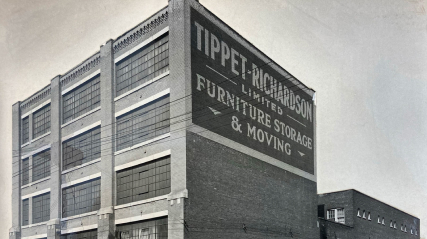
- Tippet Richardson supports careful antique moves with experienced crews, thoughtful planning, and Canadian moving heritage.
Antique movers are the specialists you need when valuable furniture, artwork, and heirlooms must be handled with far more care than a standard household item.
This topic matters because antique pieces are often fragile, irreplaceable, and tied to family history or financial value. In Toronto and across Ontario, the right moving team also has to manage tight hallways, elevator bookings, older homes, variable parking, and careful loading without cutting corners.
In this article, you will learn what premium antique moving services actually include, how to judge whether a moving company is truly qualified, what questions to ask before booking, and how to reduce the risk of damage from start to finish.
What Premium Antique Movers Actually Do
Choosing antique movers is not just about finding a truck and a few strong hands. It is about selecting a team that understands how delicate materials behave during a move, how to plan for risk, and how to protect items that cannot be replaced.
For many households, antiques are not only valuable because of their age. They may also have unusual dimensions, delicate finishes, loose joints, veneered surfaces, mirror panels, carved details, or original hardware that can be damaged by vibration, poor lifting technique, or rushed handling. Premium moving support should reflect that reality.
Experienced antique movers make those details easier to plan before the crew arrives.
How Antique Moving Differs from a Standard Move
Antiques need more than basic packing and transport. A standard move may focus on speed and volume, but antique moving services should focus on preparation, protection, and controlled handling.
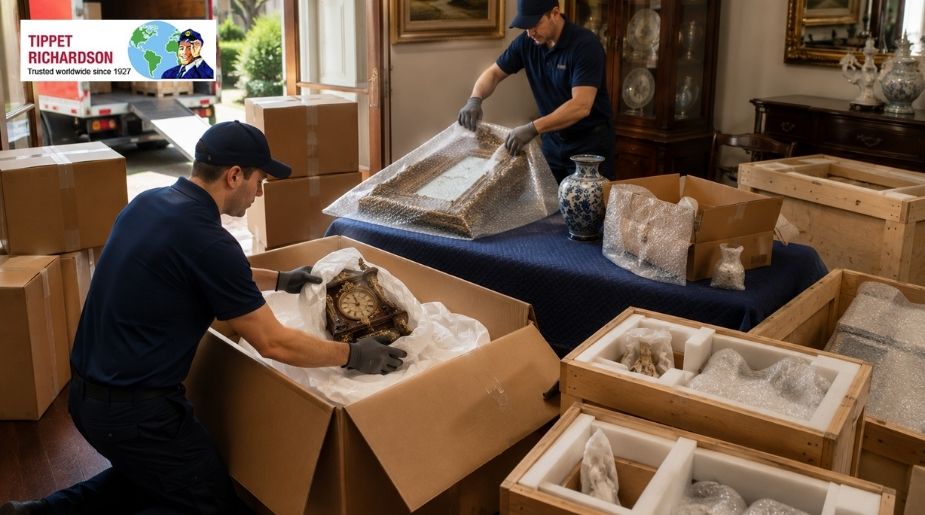
That usually means a careful review of each item before moving day, the right packing materials for the piece, clear sequencing during loading, and special attention when navigating stairs, elevators, and tight entry points.
A good team knows that one careless turn on a landing can cause damage that no amount of repair work can fully undo.
Why Experience Matters More Than Marketing
A polished website does not guarantee good results. The real test is whether the moving company can describe how it protects fragile finishes, secures loose components, and adapts when access conditions change.
At Tippet Richardson, that practical experience matters because antique moving is often about judgement as much as muscle. The team needs to recognise when a piece should be disassembled, when it should be padded differently, and when an item needs a slower route through the property rather than the shortest one.
How to Choose Antique Movers You Can Trust
The best antique movers in Toronto are the ones who can explain their process clearly and calmly. That confidence usually comes from experience, not from vague promises.
When you speak with a moving company, listen for detail. You should be able to tell whether they understand the work from the way they discuss packing, access, handling, and accountability. The right expert will make the process feel controlled and predictable.
Look for Relevant Fine Art Moving Experience
Fine art moving and antique moving are not identical, but they overlap in important ways. Both require a careful hand, awareness of finish quality, and an understanding that some items are too sensitive for ordinary moving routines. The right antique movers also help protect the item, the route, and the home around it.
If a company offers fine art moving services, ask how that experience carries over to antique furniture, mirrors, clocks, cabinets, ceramics, and other heirloom pieces. The goal is not to find a company that simply says it can do everything.
The goal is to find one that can explain how it handles delicate objects in real conditions.
Ask About Assessment Before Moving Day
A reliable moving company should want to understand the items before the move starts. That assessment may happen through photos, an in-home visit, or a detailed consultation depending on the move.
This step matters because antiques can hide risk. A table may look sturdy but have weakened joints. A cabinet may have a warped base. A mirror may need additional protection because of age, size, or frame construction. The more clearly the team understands the item, the better it can plan for safe transport.
Check Whether the Team Plans for Access Challenges
In Toronto, access is often where good moves succeed or fail. Condo elevators, booking windows, narrow hallways, older staircases, street parking limits, and weather conditions can all affect the move.
Experienced antique movers in Toronto should ask about these details early. If a company is not discussing access, protection routes, or timing considerations, that is a warning sign. Careful planning is part of the service, not an optional extra.
You May also like: What to Expect from High End Moving Services in Toronto
What to Ask Before You Book Antique Moving Services
The right questions will tell you far more than a price estimate alone. They will show whether the company understands the work or is simply willing to take the job. For delicate pieces, antique movers should bring patience, planning, and careful handling together.
A premium moving company should be comfortable explaining how it protects individual items, what it needs from you before move day, and how it handles surprises. If the answers feel rushed or generic, keep looking.
- How do you pack and protect antiques with fragile finishes or loose parts?
- Do you offer fine art moving services for especially sensitive pieces?
- How do you plan for stairs, elevators, long carries, and limited parking?
- What information do you need from me before the move day?
- How do you handle items that may need disassembly or extra protection?
- What should I do before you arrive to reduce risk?
- Have you managed antique moving services in older homes, condos, or similar settings before?
Questions That Reveal Real Expertise
The best answers are usually practical. For example, a knowledgeable team may explain why a certain piece should be wrapped a particular way, why a specific route through the home is safer, or why an item should be loaded in a certain position.
That is why choosing antique movers early can make the entire move feel more controlled.
Those details matter because antiques are rarely interchangeable. Two cabinets may look similar but behave very differently when lifted, padded, or secured in transit.
Red Flags to Watch For
Be cautious if the company offers a quote without asking any questions, dismisses the age or fragility of the item, or seems more interested in volume than condition.
Another red flag is overconfidence without specifics. A good moving company should be able to explain its process in plain language. If they cannot describe how they would protect an item, that is a sign they may not be prepared to do it well.
How to Prepare Antiques for Moving Day
Your own preparation can make a major difference. Even the best antique movers work more effectively when the items, access points, and instructions are ready before the crew arrives.
Preparation is not about doing the mover’s job. It is about removing avoidable risk so the team can focus on safe handling and transport.
Document Condition Before the Move
Take clear photographs of each antique from multiple angles before moving day. Focus on existing marks, worn edges, loose hardware, small cracks, chips, and finishes that already show age. Professional antique movers can also help you decide which items need special preparation.
This is valuable for your own records and helps everyone stay aligned on condition. If an item already has a fragile joint or a pre-existing blemish, the team can be more careful around that area.
Clear the Path and Measure Problem Areas
Measure doors, hallways, stair turns, and elevator openings if you can do so safely. Move small items out of the way, protect floors where needed, and make sure the crew can reach each piece without unnecessary clutter.
In many Toronto homes and condos, the challenge is not the item itself but the route out of the property. A few minutes spent on access preparation can prevent a great deal of stress later.
Decide What Stays with You
Small removable items such as keys, shelves, glass inserts, or personal components may be better kept with you unless the moving team has instructed otherwise. The same applies to anything sentimental or highly vulnerable that you would prefer to carry personally.
If you are unsure, ask the moving company before move day. Clear instructions reduce confusion, and confusion is one of the fastest ways to create damage during a busy move.
You May also like: Relocating to Quebec from Ontario: Tips for a Smooth Move
Why Toronto Moves Need Extra Planning for Antique Pieces
Toronto moves often require more than standard packing skill. Urban access, building rules, and older housing stock can all affect how safely an antique item is moved. When access is tight, antique movers should slow the process down enough to protect the piece.
That is why antique movers in Toronto need to think beyond the truck. They need to understand the building, the timing, and the route through the property as well as the item itself.
Condo and Apartment Considerations
Many downtown moves require elevator reservations, loading dock coordination, and attention to building restrictions. If an antique is too large for a standard elevator or common corridor, the plan may need to change.
This is where careful communication matters. A good moving company will ask the right questions early so it can avoid last-minute surprises on moving day.
Older Homes and Narrow Access Points
Older Toronto homes can present tight staircases, uneven thresholds, and limited turning space. Antique furniture is especially vulnerable in these settings because the crew may need to pivot slowly and protect both the item and the property.
In these cases, experience matters more than speed. The safest route is not always the fastest route, and premium antique moving services should reflect that judgement.
When Storage May Be Part of the Plan
Sometimes the move is only one part of the project. Renovations, downsizing, possession dates, or staging plans can create a gap between pickup and delivery.
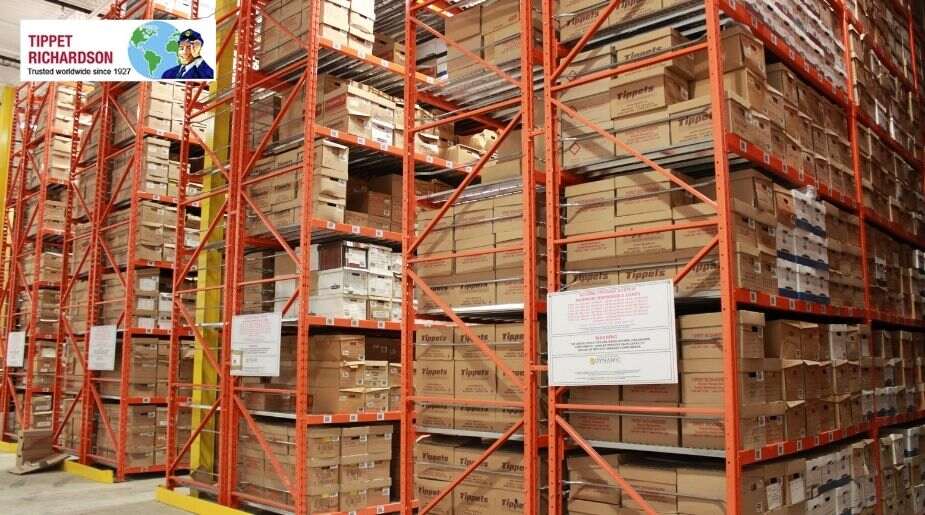
If that happens, secure storage may be worth discussing. For valuable pieces, the goal is to keep the move controlled from end to end rather than forcing the item through an awkward timeline. Reliable antique movers give families more confidence when heirlooms need careful handling.
What a High-Quality Antique Moving Service Should Give You
A premium moving service should make the process feel organised, calm, and transparent. You should know what is happening, when it is happening, and what the team needs from you.
That level of clarity is important because valuable items can create anxiety even when the move is straightforward. Good service reduces that pressure by replacing guesswork with planning.
Clear Communication and Accountability
From the first conversation, you should be able to tell whether the company is attentive. Are they asking about access, item size, special concerns, and timing? Are they following up with useful details rather than generic statements?
Clear communication matters because it prevents avoidable mistakes. It also tells you whether the team is used to handling complex items with care.
Respect for Both the Item and the Home
Antique moving is not only about the object. It is also about protecting walls, floors, trim, door frames, and other parts of the property that could be damaged during removal.
The right moving company treats the home as carefully as the piece itself. That is especially important in homes with original finishes, narrow passages, or freshly renovated spaces. With Tippet Richardson, antique movers can be planned around the item rather than a generic routine.
A Process That Fits Real Life
A dependable moving plan should account for your schedule, building requirements, and the practical realities of the item. When handled well, the process feels less like a scramble and more like a coordinated sequence.
At Tippet Richardson, that is the standard we aim for on delicate residential moves. When the work is planned well, the result is not just safe transport. It is peace of mind.
Wrapping Up
The best antique movers are the ones who combine careful handling, thoughtful planning, and real experience with fragile, valuable pieces.
If you are comparing antique movers, focus on how they assess items, how they plan for access, and how clearly they explain their approach. A premium moving company should make you feel confident before moving day begins, not after it ends.
For Toronto homeowners and families, that level of care is often what separates an ordinary move from a successful one. With Tippet Richardson long history and hands-on experience since 1927, you have a trusted option when your antiques deserve more than a standard move.