

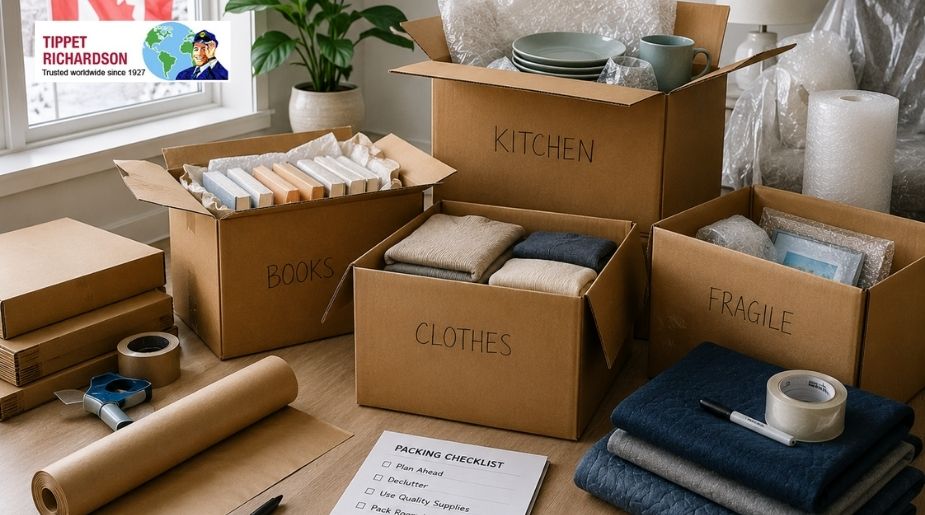
Making an international move from Canada to New Zealand is more than just packing boxes. It involves careful planning to meet strict import rules and protect your belongings during a long journey. How to pack for move from Canada isn’t about fitting everything into containers—it’s about choosing what’s essential, understanding shipping methods, and protecting fragile items.
For many Toronto families, this process can feel daunting. That’s where experienced movers like Tippet Richardson come in. We guide you through packing household goods for sea freight New Zealand, ensure compliance with customs, and provide professional packing services international move Canada clients trust. In this article, you’ll find practical packing tips moving to New Zealand from Canada, a clear packing list moving overseas Canada to NZ, and advice on what not to bring when moving to New Zealand. Let’s help you make your transition as smooth as possible.
Essential Considerations for How to Pack for Move from Canada to New Zealand
Making a move from Canada to New Zealand is a detailed process that starts well before packing day. One key factor is understanding New Zealand’s strict import regulations. These laws protect the country’s unique environment, and ignoring them can cause costly delays or even rejection of your belongings at the border.
Take prohibited items, for example—plants, seeds, and certain foods are closely monitored or banned. This means you must check official customs lists and prepare all necessary documentation well in advance. You don’t want your shipment held up because of overlooked biosecurity risks.
Recognizing New Zealand’s Biosecurity and Customs Regulations
New Zealand’s biosecurity measures rank among the world’s strictest. They restrict items carrying soil, plant material, and organic matter that could introduce pests or diseases.
Before you even pack, review these key points:
- Items like fresh fruit, vegetables, soil, and untreated wood products are generally prohibited.
- Animal products and some medications may need special permits or inspection.
- You’ll need to declare all goods accurately and provide detailed inventories to customs authorities.
By checking the official New Zealand Ministry for Primary Industries (MPI) website early on, you can avoid surprises and ensure all paperwork is in order. This is crucial for a smooth customs clearance.
Planning Your Packing Timeline and Inventory
Starting early is essential. Packing a home for international shipment isn’t the same as a local move—it’s more complex and demands extra care.
Why begin early?
- It gives you time to verify what you can legally ship to New Zealand.
- Allows sorting belongings to keep or donate, reducing unnecessary freight weight.
- Provides a buffer to coordinate with your moving company and handle unexpected delays.
Creating a detailed inventory is also a smart move. Catalog everything, noting item condition and value. This inventory is useful for customs declarations and insurance claims, should any damage occur during transit.
At Tippet Richardson, our experienced moving coordinators in Toronto work with you to build this inventory, ensuring nothing important is missed.
Understanding Transportation Modes and Their Impact on Packing
How you pack will depend greatly on your chosen shipping mode. Generally, moves to New Zealand involve either sea freight or air freight, each with specific packing requirements.
Sea freight is cost-effective for large shipments but involves longer transit times and exposure to humidity. This means:
- Packing must prioritize moisture protection using waterproof liners and sealants.
- Fragile items require robust crates or double boxing with bubble wrap for extra safety.
Air freight is faster but more expensive and offers less space, requiring more strategic downsizing.
Your packing strategy should match the transportation mode to safeguard your possessions throughout the journey.
How Tippet Richardson Supports Your International Packing Needs From Toronto
When preparing an international move, expert help goes a long way. At Tippet Richardson, we understand Toronto’s moving landscape and the complexities of international shipments.
Our professional packing services international move Canada clients rely on include:
- On-site packing by trained specialists who know how to protect fragile items and comply with customs standards.
- Use of industry-grade materials tailored for sea freight to New Zealand: wardrobe boxes, bubble wrap, and custom crates for art or antiques.
- Detailed documentation support to streamline customs clearance and reduce delays.
In short, our experience helps Toronto families and businesses navigate every packing challenge with confidence. That’s the value of partnering with a mover who’s handled hundreds of international relocations.
Planning how to pack for move from Canada to New Zealand isn’t simple—but with the right knowledge and support, it becomes manageable. Next, we’ll explore what to pack and what to leave behind to optimise your shipment.
Read also: Moving to New Zealand with Kids from Canada: Schools, Healthcare & Family Life
What to Pack When Moving to NZ from Canada: Essentials and Smart Choices
Choosing what to pack when moving to NZ from Canada directly affects your comfort and compliance. It means packing smartly and selecting items that make your new house feel like home—without risking customs issues or unnecessary freight costs.
Critical Household Items to Prioritize
Start with durable furniture that suits your new spaces and climate. Essential appliances are next—but don’t forget to check voltage compatibility since New Zealand’s system differs from Canada’s. For example, some kitchen devices may need transformers or replacement.
Clothing should reflect New Zealand’s temperate climate, favoring layered options you can mix and match.
Keep personal items and keepsakes close—they’re often irreplaceable and hold sentimental value, yet generally travel safely with proper packing.
Packing List Moving Overseas Canada to NZ: Categories to Include
When planning your packing list moving overseas Canada to NZ, think beyond basics.
- Kitchenware: Select durable, essential dishes and utensils. Avoid prohibited organic materials.
- Bedding: Familiar pillows, blankets, and linens provide comfort while you adjust.
- Electronics: Pack with power adapters and surge protectors; label cords clearly to save headaches later.
- Personal care items: Bring travel-sized or non-perishable items. Check regulations for restricted products like aerosol sprays.
- Important documents and medications: Always keep these with you during travel, not in shipped goods.
Special Care for Fragile Items Packing International Move NZ
Fragile belongings require extra care. Glassware, artwork, and antiques can’t just be tossed in boxes. They need:
- High-quality bubble wrap and packing paper for cushioning.
- Sturdy, double-walled boxes designed for international shipping.
- Custom wooden crates for valuable art pieces or antiques—these provide structure and security beyond standard boxes.
Tippet Richardson’s professional packing service international move Canada customers trust specializes in these techniques. Our teams apply industry best practices to reduce breakage risks during sea freight.
Wardrobe Boxes and Efficient Clothing Transport
Wardrobe boxes are a mover’s best friend for clothing. Hanging clothes in these keeps them wrinkle-free and easily accessible upon arrival.
When it comes to what clothing to pack, prioritize:
- Layered garments suitable for New Zealand’s variable weather.
- Durable shoes and outerwear for outdoor activities.
- Avoid excessive heavy winter clothing unless you’re relocating to the South Island or specific colder areas.
In addition to saving space, these packing methods help your wardrobe stay organized and ready to wear, cutting down unpacking time.
Deciding what to bring is fundamental when learning how to pack for move from Canada to New Zealand. Combining practical item selection with expert packing advice from Toronto-based movers like Tippet Richardson will give your shipment the best chance of arriving safely and ready to make your new house a home. Next, we’ll cover what not to bring to avoid customs headaches and unnecessary stress.
What Not to Bring When Moving to New Zealand: Avoiding Common Pitfalls
Knowing what not to bring is just as important as knowing what to pack when moving internationally. For Canadian households relocating to New Zealand, avoiding prohibited and non-essential items can save significant time, money, and frustration during customs clearance and transport.
Prohibited Items and Biosecurity Risks
New Zealand protects its unique ecosystem through strict biosecurity laws. Some items simply cannot enter the country:
- Plants, seeds, soil, and fresh produce are banned due to pest and disease risks.
- Certain animal products and untreated wooden items are restricted and require permits or inspection.
- Even seemingly harmless organic matter can cause shipment delays or fines.
Understanding these limitations is crucial. Failing to comply often leads to costly inspections, confiscations, or shipment rejections. This is why reviewing official government lists before packing is essential.
Household Goods That May Not Be Worth Shipping
Beyond prohibited items, consider whether heavily used or inexpensive furniture and household goods are worth shipping. In many cases, it’s more economical to replace these items locally in New Zealand. These include:
- Outdated electronics or appliances incompatible with New Zealand’s power standards.
- Bulky or hazardous materials such as paints, chemicals, flammable products, or aerosols, which may be refused or cause shipping complications.
Tippet Richardson often advises clients on evaluating items realistically, helping clarify what to bring and what to let go.
How to Handle Items That Are Not Allowed or May Cause Delays
If you identify belongings that cannot be shipped or risk costly delays, there are practical options:
- Dispose of hazardous or restricted goods safely before packing day.
- Donate usable items to charity or sell them to lighten your load.
- Work closely with your moving coordinator at Tippet Richardson to document and plan around these restrictions effectively.
This proactive approach ensures fewer surprises on moving day and smoother customs clearance in New Zealand.
Cross-link Reference to Customs and Import Regulations
Remember, your best resource is always official New Zealand customs guidelines. Pair these with expert advice to avoid pitfalls. For deeper details on prohibited and restricted goods, as well as customs procedures, refer to our dedicated resources on [New Zealand customs regulations and biosecurity](#) and [international moving shipping guidelines](#).
Understanding what not to bring sets you up for success when learning how to pack for move from Canada abroad. Next, we’ll explore practical packing tips specifically for sea freight to New Zealand, addressing the unique challenges of ocean transit.
How to Pack Household Goods for Sea Freight New Zealand: Practical Tips and Best Practices
Sea freight remains the go-to method for moving household goods from Canada to New Zealand. It’s budget-friendly but demands careful packing to survive long transit and humid conditions.
Choosing the Right Packing Materials for Sea Freight
Proper materials are your first line of defence. Sea freight shipments face moisture and movement over weeks. That means:
- Sturdy, waterproof packing materials are essential to prevent water damage and weakening of boxes.
- Bubble wrap cushions fragile items while packing paper fills gaps and reduces shifting.
- Custom wooden crates offer robust protection for large or valuable goods like artwork and antiques.
Tippet Richardson’s professional packing services international move Canada clients rely on utilize these materials to maximise safety.
Efficient Use of Wardrobe and Standard Moving Boxes
Maximizing your container’s space helps control costs. Wardrobe boxes keep clothes hanging and wrinkle-free, and are ideal for layered or tailored garments.
Standard moving boxes should be packed tightly but without overload to protect their contents during handling and shipping.
Labelling boxes clearly with contents and intended room speeds unpacking. Stack boxes so heavier ones support lighter ones to avoid crushing.
Crating Valuable and Fragile Items for Safe Transport
Fragile, high-value items need custom crating. Rather than standard boxes, artwork, antiques, and sensitive electronics benefit from solid, wooden crates designed for international transit.
Professional packers at Tippet Richardson have honed expertise in crating—ensuring shock absorption and moisture barriers extend protection well beyond generic packing.
Preparing Your Shipment for Long Transit and Offloading
Sealing boxes with water-resistant tape and adding moisture-absorbing packets combats humidity-related damage.
Expect your shipment’s arrival with a clear unpacking plan. Coordinating with your moving provider helps schedule delivery and access, especially in New Zealand’s urban areas where timing and permits matter.
Packing household goods for sea freight New Zealand requires expertise. With years of experience handling international moves out of Toronto, Tippet Richardson provides trusted advice and packing services to meet these unique challenges head-on. Next, we’ll give you a step-by-step guide detailing how to pack efficiently from start to finish.
Step-by-Step Guide: How to Pack for Move from Canada to New Zealand
Packing for a move from Canada to New Zealand requires clear organization and careful execution. Follow these steps to keep your relocation on track and protect your belongings from Toronto to across the globe.
Step 1: Inventory and Categorization
Begin by creating a detailed master list of all your possessions. Sort items by priority, value, and fragility. This helps identify what stays, what’s donated or sold, and what needs extra protection. A solid inventory also simplifies customs declarations and insurance claims.
Step 2: Gathering Quality Packing Supplies
Use packing materials designed specifically for international moves. Invest in sturdy, moisture-resistant boxes, bubble wrap, packing paper, and specialized containers like wardrobe boxes. These supplies are vital to protect against long transit and handling.
Step 3: Room-by-Room Packing Strategy
Pack one room at a time to maintain order and ease unpacking. Wrap fragile items carefully and pack heavier items at the bottom of boxes. Pack less-used items first, leaving essentials for last. This strategy helps manage time efficiently and reduces stress.
Step 4: Labeling and Documentation
Consistent labeling is key. Mark each box clearly with its contents and destination room. Include handling instructions for fragile goods. Alongside labels, prepare all necessary shipping paperwork, inventories, and customs forms to avoid delays at ports.
Step 5: Coordinating with Professional Packers and Movers
Engage with experienced movers like Tippet Richardson early. Our Toronto-based team offers professional packing services international move Canada clients trust. We ensure correct packing techniques and documentation compliance, making customs clearance and transport smoother.
Step 6: Final Checks Before Shipment
Before loading, inspect all packed boxes to confirm seals are secure and labels are clear. Double-check customs forms and inventories for accuracy. Verify that prohibited items are excluded to prevent shipment holds or penalties.
Step 7: Ship and Track
Once your shipment is dispatched, stay informed using tracking tools provided by your moving company. Prepare your New Zealand destination for arrival, coordinating delivery with access restrictions or timing requirements. This planning shortens unpacking time and helps settle in faster.
Following this systematic packing approach, combined with expert support from Tippet Richardson, will help your international move from Toronto to New Zealand proceed confidently and efficiently. Next, we’ll discuss the advantages of professional packing services and why they are often worth the investment.
Read Also: Best Cities to Move to in New Zealand from Canada: Auckland vs Wellington vs Christchurch
Why Investing in Professional Packing Services for Your International Move from Canada Pays Off
Many Toronto movers underestimate the complexities of cross-continental relocation. When it comes to how to pack for move from Canada, the expertise of professional packers makes a notable difference in protecting your belongings and simplifying the entire process.
Advantages of Professional Packing Expertise
Professional packers understand the nuances of international shipping. They know how to protect delicate and valuable belongings using proven materials and techniques. Beyond packing, they ensure your shipment complies with customs regulations and that all paperwork is accurate. This reduces the risk of delays or costly fines once your goods reach New Zealand.
Time and Stress Savings for You and Your Family
Packing for an international move is physically and mentally demanding. Engaging experts from the start lessens your workload and prevents last-minute hassles. This way, you can focus on other parts of your relocation while our experienced team organizes your packing efficiently and securely.
Specialized Packing for Sea Freight and Air Freight
Different transport methods require specific packing approaches. Sea freight demands waterproofing, sturdy crates, and moisture control. Air freight, by contrast, needs lighter, more space-efficient packing. Tippet Richardson tailors packing techniques depending on your shipment’s mode, ensuring your goods arrive in optimal condition.
How Our Team Supports You Every Step of the Way
At Tippet Richardson in Toronto, we offer custom packing solutions using secure materials designed for international transit. Our trained packers work on-site during your move-out day, carefully wrapping fragile items and packing bulk goods. From initial consultation to final loading, our team provides attentive guidance to ensure your move to New Zealand is seamless.
Partnering with a professional packing service adds value by minimizing risk and streamlining your move. In the next section, we’ll wrap up key insights to help you confidently tackle your international relocation.
Moving from Canada to New Zealand marks a thrilling new chapter, but packing it right is essential. Choosing wisely what to bring and what to leave behind, and using proper packing methods—especially for sea freight—helps protect your belongings and smooth your transition.
Based in Toronto, Tippet Richardson offers decades of international moving expertise. Whether you opt to pack yourself or use our professional packing services, our team supports you every step of the way. We’re dedicated to making your move to New Zealand as seamless and stress-free as possible.