

- A Moving to Alberta Checklist should cover planning, paperwork, packing, travel, and settling in.
- Moving to Alberta from Ontario requires early coordination for distance, access, storage, and delivery timing.
- Confirm Alberta health, driving, vehicle, tax, housing, and school requirements with the appropriate authorities.
- Reduce moving-day risks by preparing inventories, building access details, fragile items, and essential first-night supplies.
- A professional long-distance moving team can help manage timing, communication, and belongings throughout the move.
Moving to Alberta Checklist helps you organise the practical work before and after a long-distance move, so important paperwork, household decisions, and delivery details do not get lost in the rush. Whether you are moving to Alberta from Ontario or relocating from another province, this guide gives you a workable sequence to follow.
A move across the country involves more than loading a truck. You may need to coordinate a lease or home closing, arrange elevator access in a Toronto condominium, prepare belongings for a longer journey, and confirm Alberta requirements after arrival. This Alberta moving checklist explains what to do before moving day, how to prepare your household, what to expect during the move, and which tasks to complete once you arrive.
Moving to Alberta From Ontario: Start With a Practical Plan
Moving to Alberta from Ontario is easier when you treat the process as a series of decisions rather than one large task. The distance affects your moving date, packing approach, vehicle arrangements, storage needs, travel plans, and the amount of time you may spend without access to everyday belongings.
The most useful first step is to create one moving file, either digital or physical. Keep your estimate, inventory, building information, closing or lease documents, travel bookings, receipts, and contact details together. A simple calendar with deadlines is just as important as the file because long-distance moves often involve several parties working to different schedules.
Choose Your Dates Before Booking Other Services
Start by identifying the dates that cannot move. These may include a home closing, lease end, employment start date, school registration period, or temporary accommodation booking. Then allow room around those fixed dates for loading, travel, and delivery coordination.
Avoid choosing a moving date based only on the day you receive your keys. In Toronto, elevator reservations, loading zones, parking restrictions, and condominium move rules may require advance coordination. In Alberta, access may look different at a detached home, townhouse, apartment building, or rural property. Ask both buildings or property managers about access conditions before confirming the schedule.
If your possession date and delivery date cannot align, storage may be worth considering. It can provide flexibility, but it also means you should plan what will remain accessible during the gap. Keep documents, medication, work equipment, seasonal essentials, and irreplaceable personal items with you unless you have made a specific arrangement for them.
Build a Household Inventory Early
An inventory does more than help estimate the size of a move. It gives you a decision-making tool. Record major furniture, appliances, electronics, artwork, delicate items, and anything that requires special preparation. Photograph valuable or fragile belongings before packing, and note existing marks where useful.
Use the inventory to divide belongings into four groups: moving with you, selling or donating, disposing of responsibly, and carrying personally. The earlier you make these decisions, the less likely you are to pay to move items you no longer want or to discover unsuitable belongings on moving day.
Be especially careful with items that have unusual dimensions or handling requirements. A large sectional may fit through the front door but not around a stair landing. A treadmill may need disassembly. A glass cabinet may require specialised protection. Mention these items during the estimate rather than assuming they can be addressed at the last moment.
Decide What You Will Carry Yourself
Long-distance moves require a separate personal travel plan. Keep passports, identification, financial records, prescriptions, jewellery, laptops, employment documents, and other essential items with you. Do not place everything important in the moving shipment simply because it is small.
Prepare an arrival bag for at least the first several days. Include clothing, chargers, toiletries, towels, basic kitchen items, cleaning supplies, children’s necessities, pet supplies, and documents needed for immediate administration. If your shipment is delivered later, this small amount of preparation can make the transition much calmer.
At Tippet Richardson, our long-distance moving discussions focus on the full household situation, not only the number of rooms. Access, storage, special handling, timing, and the items you need immediately can all affect the moving plan and should be discussed before the move is booked.
Your Alberta Moving Checklist for the Weeks Before Departure
The weeks before departure are when most avoidable problems can be prevented. This stage combines administration, home preparation, packing, and communication. Working in a defined order helps you avoid leaving paperwork until the same week that movers arrive.
Confirm Housing, Employment, and Essential Services
Before the move, confirm where you will stay, when you can take possession, and how you will receive keys. If you are renting, keep your lease and inspection information accessible. If you are buying, retain your closing documents and the contact information for your lawyer or closing representative.
Arrange the practical services connected with both addresses. Depending on your circumstances, this may include electricity, natural gas, water, internet, waste collection, security, and tenant or homeowner insurance. Service availability and activation processes vary by municipality and property, so confirm details directly with each provider.
Notify organisations that need your new address. Consider your employer, financial institutions, insurers, subscriptions, professional associations, government agencies, schools, medical providers, and anyone who sends important documents. Update mail forwarding through the appropriate postal service if needed, but do not rely on forwarding alone for time-sensitive records.
Review Alberta Requirements Before You Arrive
Requirements for health coverage, driver licensing, vehicle registration, identification, voting, taxation, and other provincial services can depend on your circumstances and may change. Check the current Alberta government and registry information before you travel, and keep proof of identity, residency, vehicle ownership, insurance, and any other requested documents available.
If you are moving to Alberta from another province, do not assume that an Ontario document, licence, registration, or service arrangement will transfer automatically. Some processes may have deadlines or require an appointment. Confirm what applies to your household, particularly if you are bringing vehicles, changing your name, moving with children, or starting work soon after arrival.
Health care deserves early attention. Learn how to apply for or update provincial coverage, what documents may be required, and how to maintain access to prescriptions or ongoing treatment during the transition. Ask your current healthcare providers for copies of relevant records and enough medication to cover the period before you can establish new arrangements, subject to your prescriber and pharmacy requirements.
Prepare Children, Pets, and Special Belongings
Children often manage a move better when they know what will happen and what will remain familiar. Explain the sequence in simple terms, involve them in age-appropriate packing decisions, and keep favourite items available for travel rather than loading them into the shipment.
For pets, confirm travel arrangements, identification, veterinary records, medication, food, and accommodation requirements. Never assume that a pet can travel in the same way as household goods. Check carrier, airline, accommodation, and destination requirements well before departure.
Make a separate plan for artwork, antiques, heirlooms, instruments, wine, plants, and other items that may require special treatment. Some belongings may not be suitable for a standard household shipment, and certain items may be affected by temperature, moisture, restrictions, or distance. Raise questions early so there is time to choose an appropriate solution.
Use a Packing Sequence That Matches Your Arrival
Begin with items you rarely use, then move towards everyday belongings. Label each box with the destination room and a short description of its contents. Avoid writing only “miscellaneous”; a useful label saves time when you need something quickly.
Pack an essentials group separately and identify it clearly. It should contain the items needed for the first night and first morning, rather than items that are simply convenient. Keep important documents and irreplaceable belongings outside the shipment.
Do not overfill cartons with books, cookware, or dense items. Excess weight can make boxes difficult to handle and may increase the chance of damage. Use suitable cartons and protection for the item, and ask for professional packing support when the contents are fragile, valuable, unusually shaped, or too time-consuming to prepare safely.
Organise the Final Week
In the final week, confirm the move date, addresses, contact people, access arrangements, parking instructions, elevator bookings, and any building forms. Tell the moving team about stairs, narrow entries, long carries, gates, steep driveways, loading restrictions, and items that need disassembly.
Finish cleaning and disconnecting items according to manufacturer or service-provider instructions. Defrost freezers where applicable, back up important digital information, and keep tools available for last-minute tasks. Prepare a clearly marked “do not move” area for suitcases, documents, keys, medications, and personal travel items.
A professional long-distance move is easier to manage when the crew receives accurate information before arrival. Details that seem minor on a form can become significant when a truck is waiting outside a building with limited access or when a large item must be carried through an unexpected route.
What Happens on Moving Day and During the Cross-Country Move?
Moving day is where preparation becomes practical action. A calm handover depends on clear access, a realistic inventory, and decisions made before the crew arrives. Your role is not to supervise every lift, but to make sure the team can work safely and that the household’s priorities are understood.
Prepare the Property for Loading
Keep walkways clear, protect surfaces where appropriate, and make sure the crew can reach the rooms and items included in the move. Secure children and pets away from loading activity. If you live in a condominium or apartment, confirm that the elevator and loading area are available for the reserved period.
Walk through the home with the crew representative and identify fragile, valuable, heavy, or unusual items. Point out anything that must not be moved. Before leaving, check cupboards, closets, storage rooms, balconies, garages, and appliances. A final room-by-room review is more reliable than relying on memory.
Understand Communication and Delivery Coordination
Long-distance moving involves more distance and more handoffs than a local moves toronto, so communication matters. Keep the moving company’s contact information accessible and ask how updates, delivery arrangements, changes, and questions will be handled. Make sure the team has current phone and email details.
If someone else will receive the shipment, provide that person’s information in advance. The destination should be ready for the delivery vehicle and crew. Confirm parking, building access, elevator arrangements, stairs, gates, and any local restrictions before delivery rather than waiting until the truck arrives.
Delivery timing may depend on the route, season, shipment volume, origin and destination access, and other operational factors. A responsible plan should discuss the expected schedule without presenting a date as certain when circumstances may change. If you have a firm work or housing deadline, tell the moving company before booking so the timing can be assessed realistically.
Protect High-Value and Fragile Belongings
Keep a record of high-value belongings and photograph their condition before packing. Discuss antiques, fine art, mirrors, pianos, sensitive electronics, and other special items during the planning stage. The appropriate preparation may involve custom protection, disassembly, crating, or a different handling approach.
Do not place cash, critical legal documents, medication, irreplaceable photographs, or small valuables in the moving shipment unless you have specifically confirmed that arrangement. These items are usually better kept under your personal control during travel.
Review the moving documentation before signing it. Make sure the origin and destination addresses, inventory information, contact details, and any agreed special instructions are accurate. Ask questions about anything you do not understand. Clear records help everyone work from the same information.
Decide Whether Storage Is Part of the Plan
Storage may be useful if your Alberta home is not ready, your purchase and sale dates do not align, or you are moving in stages. It can also help when you are downsizing temporarily or waiting to decide what belongs in the new home.
The trade-off is access. Items in storage are not immediately available, so separate what you will need during the interim. Keep a short inventory of stored items and group essentials for easier retrieval if access is required later.
Our team at Tippet Richardson can discuss residential moving and storage together when the move requires flexibility. The important question is not simply whether storage is available, but how it fits your dates, belongings, access needs, and final delivery plan.
Need Help Coordinating Your Ontario-To-Alberta Move? [Speak With An Expert]
Settling In After Relocating to Alberta
Once the shipment arrives, settling in involves more than unpacking boxes. The first few days are about making the home safe and functional; the first few weeks are about completing administrative tasks, establishing routines, and identifying anything that needs follow-up.
Complete Time-Sensitive Administrative Tasks
Create a post-arrival list based on current guidance from Alberta authorities and your municipality. This may include health coverage, driver licensing, vehicle registration, provincial identification, address updates, and other services relevant to your household. Requirements and timing can vary, so use official sources rather than relying on general advice from someone who moved under different circumstances.
If you brought a vehicle, confirm the applicable registration, insurance, inspection, and licence requirements. If you are moving from Ontario or another province, the documents needed may differ according to the vehicle, ownership situation, and your residency circumstances.
Update your address with employers, financial institutions, insurers, schools, healthcare providers, subscriptions, and government organisations. Keep receipts and confirmation numbers for important changes. A written record is useful if a document is delayed or an account continues to use your former address.
Make the Home Functional Before Fully Unpacking
Start with beds, bathroom supplies, basic kitchen equipment, chargers, work materials, and children’s or pets’ essentials. You do not need every box opened to make a home workable. Establishing one comfortable room can provide a useful base while the rest of the house is organised.
Inspect furniture and cartons as you unpack. If something appears damaged or an item is missing, make a note promptly and retain relevant documents, photographs, and packaging. Follow the moving company’s stated process for reporting concerns, as requirements may vary by service and agreement.
Do not rush to dispose of boxes or wrapping materials until you are satisfied that the shipment is complete and items have been checked. This is particularly sensible for fragile or high-value belongings.
Learn the Local Practicalities
Alberta is not one uniform moving destination. Daily life can differ between Calgary, Edmonton, Red Deer, smaller communities, and rural areas. Consider commuting distances, winter conditions, parking, public transport, school arrangements, shopping, healthcare access, and the availability of trades or household services in your specific community.
If you are moving to Alberta from Toronto tips or another large Ontario city, allow time to adjust to different property layouts, travel distances, weather patterns, and neighbourhood routines. Rural or suburban Alberta homes may have different access conditions than a downtown Toronto condominium, including longer driveways, detached garages, stairs, or limited nearby services.
Prepare for seasonal conditions without assuming a single approach suits every location. Check local guidance for winter driving, heating, snow removal, emergency supplies, and property maintenance. The goal is not to buy everything immediately; it is to identify what your new home and community require.
Re-establish Important Routines
Arrange medical and dental appointments when appropriate, transfer prescriptions, register children for school or activities, and confirm employment and payroll records reflect your new address. If you work remotely, test internet service and create a functioning workspace before unpacking decorative items.
Keep your moving file for several months. It may contain invoices, inventories, insurance records, utility confirmations, lease or closing papers, and vehicle documents that you may need again. Once the move is complete, scan key records and store them securely.
A good relocation does not end when the last carton enters the house. It ends when your household can operate confidently in its new setting.
Use a Simple First-Month Review
At the end of the first month, review what remains outstanding. Check that address changes are complete, accounts are working, important documents have arrived, and any moving concerns have been recorded. Revisit stored belongings and undecided items only after you have lived in the home long enough to understand how you use it.
This pause can prevent rushed purchases and help you make better decisions about furniture placement, storage, and future household needs.
How to Choose Long-Distance Moving Services for Alberta
Choosing a moving company for relocating to Alberta should involve more than comparing a headline price. A long-distance residential move is a major handover of personal belongings, so you need to understand what is included, how the plan accounts for your home, and how communication will work from preparation through delivery.
Compare the Moving Plan, Not Just the Estimate
Ask whether the estimate reflects the belongings you actually intend to move, including items in garages, basements, storage lockers, balconies, and sheds. Confirm whether packing, unpacking, disassembly, reassembly, storage, special handling, and materials are included or treated separately.
Discuss access at both ends. The number of rooms does not tell the whole story when one home has a narrow staircase, a long carry, a reserved condominium elevator, or a rural driveway. Accurate details help the company plan the crew, equipment, protection, and time required.
Ask how changes are handled. Your inventory may change before moving day, your closing date may shift, or your destination access may be different from what you first expected. A clear process for updating the plan is more useful than an estimate that appears precise but does not explain its assumptions.
Look for Experience With Your Type of Move
Moving to Alberta from another province may involve a different level of preparation from a local move. Look for a provider that can explain how it handles long-distance residential moves, fragile and high-value belongings, storage requirements, condominium access, and communication during a move with separated origin and destination teams.
Experience should appear in the questions the company asks. A careful discussion may cover the building rules, parking, delivery access, household inventory, dates, special items, storage gaps, and who will be available at each address. These are practical indicators that the plan is being built around your situation rather than a generic room count.
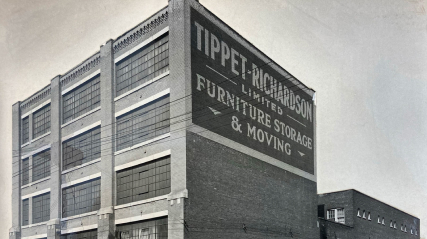
Tippet Richardson has supported moving and storage needs since 1927. For a residential move to Alberta, our role is to help you assess the preparation, handling, timing, and coordination required so you can make a decision based on the complete move rather than price alone.
Know What to Clarify Before You Commit
Before booking, make sure you understand the written terms, valuation or protection options, payment expectations, cancellation or change provisions, inventory assumptions, and the process for reporting concerns. These details can vary by service and customer circumstances, so ask for clarification in writing when necessary.
Be cautious of estimates based on incomplete information or promises that do not account for access and distance. A quote that excludes important work may not be the most economical choice once the move is underway.
Your final decision should reflect the value of a controlled process: accurate preparation, careful protection, realistic scheduling, responsive communication, and a clear understanding of responsibilities. That is especially important when your household will be travelling far from the origin address and cannot easily correct a missed detail in person.
Know When Professional Support Is Worthwhile
Professional help is particularly valuable when you have a large household, limited time, fragile or high-value possessions, a condominium move, a storage gap, difficult access, or a firm employment or housing commitment. You may still handle sorting and personal travel yourself while delegating the physical preparation and transport work.
If you are unsure whether full packing, partial packing, storage, or a standard moving service best fits your move, ask for a conversation based on your actual inventory and dates. The right service level should reduce avoidable risk without adding work you do not need.
Wrapping Up
A Moving to Alberta Checklist should begin well before the truck arrives and continue after the last box is delivered. Set fixed dates, review your inventory, confirm access at both homes, organise documents, separate essential items, prepare children and pets, and check Alberta requirements with the appropriate authorities. Then give yourself time to make the new home functional before trying to complete every task at once.
For moving to Alberta from Ontario or another province, the quality of the plan matters because distance leaves less room for last-minute corrections. Tippet Richardson can help with long-distance residential moving, packing, special handling, and storage discussions where they fit your circumstances. With experience dating back to 1927, our approach is grounded in careful preparation, clear communication, and respect for the belongings entrusted to us.
Use this Alberta moving checklist as a working document, update it for your household, and request a detailed moving plan before you commit. The next step is to gather your dates, addresses, inventory, access details, and special-item information so the move can be assessed accurately.