

- Moving to Nova Scotia from Ontario requires early planning for distance, access, timing, and delivery coordination.
- Ontario to Nova Scotia moving costs depend on shipment size, services, dates, distance, access, and storage needs.
- A detailed inventory and accurate property information are essential for a dependable moving estimate.
- Weather, rural access, condo rules, and arrival-day arrangements can affect how smoothly the move is completed.
- Experienced long-distance movers can reduce handling risks and simplify the transition from planning through delivery.
Moving to Nova Scotia from Ontario is much easier when you plan the move around your belongings, properties, timing, and access conditions rather than treating it as a simple change of address. A successful move depends on more than the kilometres between the two provinces.
The route can involve condo elevators in the Greater Toronto Area, older Ontario homes, long transport distances, changing weather, rural driveways, and different access conditions at the destination. This guide explains how to prepare, estimate Ontario to Nova Scotia moving costs, compare moving options, and choose an approach that fits your circumstances.
Moving to Nova Scotia From Ontario Guide: Start With the Right Plan
The first stage of relocating from Ontario to Nova Scotia is building a realistic picture of the move. Before comparing estimates, determine what is being moved, where it is being collected, where it is being delivered, and what support you will need at each property.
Confirm What Is Changing Besides Your Address
A long-distance move often includes several decisions at once. You may be selling an Ontario home, closing on a Nova Scotia property, moving into temporary accommodation, or waiting for renovations to finish. Each situation affects the date, delivery plan, and possible need for storage.
Start by confirming:
- Your possession or closing dates in both provinces
- Whether you will need temporary storage before delivery
- The number of rooms and major items being moved
- Whether any belongings will be sold, donated, discarded, or shipped separately
- Who will be available at each address on moving and delivery days
A move with a short gap between homes may need precise scheduling. A move with an uncertain closing date may need more flexibility. Neither is automatically better; the important point is to discuss the circumstances before the estimate is prepared.
Build an Accurate Inventory
The inventory is one of the most important documents in the moving process. It helps determine the amount of space required, the crew and equipment needed, and whether special packing or handling is appropriate.
Include furniture, appliances, artwork, electronics, outdoor items, tools, fitness equipment, fragile pieces, and belongings stored in basements, attics, garages, sheds, or lockers. Underestimating these areas is a common cause of last-minute changes.
Photographs or a video walkthrough can be useful, particularly when the move is being planned remotely. Point out items that are unusually heavy, delicate, valuable, awkwardly shaped, or difficult to disassemble. Clear information allows a moving company to plan the work more responsibly.
Identify Items That Need Special Attention
Some possessions should be discussed before moving day rather than added to the truck at the last moment. Examples include antiques, large mirrors, pianos, fragile collections, artwork, marble or glass furniture, and sensitive electronics.
At Tippet Richardson, our specialists can discuss packing and handling requirements for belongings that need more care than standard household contents. The right approach may involve custom protection, specialised packing, careful preparation, or a separate handling plan. The suitable method depends on the item and its condition, not simply its purchase price.
Moving from Ontario to Nova Scotia also gives you a useful opportunity to reduce what you carry. However, downsizing should happen before the inventory is finalised. Removing unwanted belongings after the estimate may change the shipment size, while adding items later can affect the vehicle space and price.
What Affects Ontario to Nova Scotia Moving Guide Costs?
Ontario to Nova Scotia moving costs cannot be determined accurately from distance alone. A professional estimate should reflect the shipment, the properties, the requested services, the dates, and any storage or special handling involved.
The Main Cost Factors
The most significant factors usually include the volume or weight of the shipment, the distance between addresses, the services selected, and the conditions at both properties. A smaller household is not always inexpensive if it includes difficult access, extensive packing, or unusually heavy items.
The estimate may also be affected by:
- Packing, unpacking, crating, disassembly, and reassembly requirements
- Stairs, long carries, narrow passages, elevators, parking restrictions, or limited loading areas
- Seasonal demand and the flexibility of your moving dates
- Temporary storage before delivery or after collection
- Special care required for fragile, high-value, oversized, or unusually heavy belongings
Ask what is included, what information the estimate is based on, and which circumstances could cause the scope to change. A low initial figure that does not account for the actual property conditions may be less useful than a detailed estimate that reflects the work involved.
Why Access Information Matters
Access can create more work at either end of an Ontario to Nova Scotia move. In Toronto and other urban areas, the building may require an elevator reservation, loading dock booking, parking arrangements, or a specific move-in window. Older homes may have narrow staircases, tight turns, low doorways, or limited room for a large vehicle.
At the Nova Scotia destination, access may involve a steep driveway, an unpaved approach, a rural road, an older property, exterior stairs, or a home that is not yet fully ready. These details should be shared in advance. They help the moving team plan equipment, staffing, protection, and the order in which items should be placed.
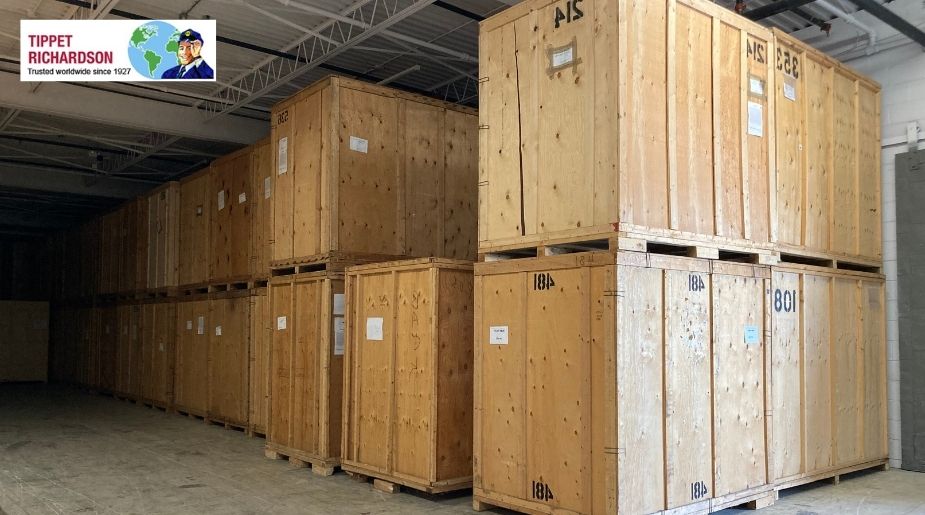
If the delivery address is still being renovated or is difficult to access, ask about practical alternatives. Storage Services, a revised delivery arrangement, or a staged move may be more suitable than forcing a full delivery into an unprepared property.
How to Compare Estimates Properly
When comparing Ontario to Nova Scotia movers, look beyond the total price. Check whether each estimate is based on the same inventory, the same services, similar dates, and the same access information.
A useful comparison should make clear:
- What packing and protection work is included
- Whether storage is included or priced separately
- How pickup and delivery arrangements are described
- Which items or circumstances require further review
- How changes to the inventory or addresses will be handled
You should also understand the paperwork, valuation or protection options, payment expectations, and cancellation or rescheduling terms before committing. These details can vary by provider and move type, so review the actual documents supplied for your move.
If you are ready to understand the likely scope of your move, request an assessment based on a complete inventory rather than relying on a broad online calculator.
Planning Your Moving Timeline Across Provinces
The further the move, the more important it is to plan around decisions that cannot be made at the last minute. A clear timeline gives you room to resolve building requirements, prepare belongings, confirm addresses, and deal with changes in your housing plans.
Several Weeks Before Collection
Begin with the inventory, decluttering, and property information. Confirm your preferred moving window and identify any dates that cannot change. If you are selling or purchasing a property, keep the moving company informed when possession dates are not final.
This is also the time to arrange elevator access, parking permissions, building notices, and any required access to storage lockers. For a house, inspect the route from each room to the vehicle. Remove obstructions where possible and identify items that need to be taken apart.
If you are packing yourself, start with items used least often. Label boxes by room and write a short description of their contents. Avoid making boxes too heavy, particularly for books, dishes, tools, and records. Strong boxes that are properly closed are safer to lift and easier to stack.
In the Final Week
Keep documents, medication, chargers, valuables, basic clothing, toiletries, children’s necessities, and important household items with you rather than placing them in the main shipment. Prepare a small arrival kit for the first night in Nova Scotia.
Confirm the collection address, destination address, contact people, access instructions, and any changes to the property. Check that walkways and entrances are usable. If severe weather or a property delay is possible, raise the issue early instead of waiting until the crew is en route.
For condominium moves, reconfirm the booked elevator and move window. For rural deliveries, verify the safest practical approach to the property and tell the mover about gates, bridges, steep grades, overhead obstacles, or seasonal access concerns.
Collection and Delivery Require Different Preparation
Collection is focused on protecting the home, removing items safely, and loading the shipment in a planned sequence. Delivery requires clear rooms, a safe path inside the property, and decisions about where large or heavy belongings should be placed.
If the Nova Scotia home is not ready, storage may prevent belongings from being placed in a crowded or unsafe area. It can also provide breathing room when a closing date, renovation schedule, or lease end does not align perfectly. The extra handling and storage period should be discussed in advance because it can affect both the estimate and the schedule.
Relocating from Ontario to Nova Scotia often involves family members arriving at different times. Decide who will meet the crew, who can approve placement decisions, and how changes will be communicated. A named contact helps avoid delays when several people are involved.
Choosing Ontario to Nova Scotia Movers Guide With Confidence
Selecting long distance movers for an Ontario to Nova Scotia move is a decision about planning quality, communication, care, and accountability as much as transport. The right questions help you distinguish a thorough moving plan from a general price indication.
Questions Worth Asking Before You Book
Ask how the provider assesses the shipment, how changes are recorded, and how the move is coordinated from collection through delivery. You should know who to contact with questions and what information the moving company needs from you.
It is reasonable to ask about:
- Experience with long-distance residential moves between Ontario and Nova Scotia
- Packing, protection, and handling for fragile or high-value belongings
- Storage options if your dates or property readiness change
- Access planning for condos, older homes, rural properties, and difficult driveways
- The documents, protection options, and service terms that apply to your move
A dependable provider should be willing to discuss difficult items and awkward access before moving day. Be cautious of any estimate prepared without enough information about the shipment or properties.
When Professional Packing Is Worth Considering
Self-packing can suit an organised household with plenty of time and straightforward belongings. Professional packing may be worthwhile when you have a large home, limited time, fragile collections, valuable furniture, or a complicated schedule.
Packing is not only about placing items in boxes. It includes selecting suitable materials, protecting surfaces, distributing weight, labelling consistently, and preparing belongings for a longer journey with handling at more than one stage. Poorly packed boxes can create damage that is difficult to identify until delivery.
You can also combine approaches. Some households pack clothing and everyday items themselves while asking specialists to handle fragile pieces, artwork, electronics, or a full kitchen. Discuss the division of responsibility clearly so there is no confusion about what is ready for collection.
Preparing for Weather and Property Conditions
Ontario and Nova Scotia can both experience changing weather, but conditions may be different from what you are used to on the chosen date. Rain, snow, ice, wind, mud, and wet floors can affect access and require extra protection inside the property.
Keep entrances clear, protect vulnerable flooring where appropriate, and avoid scheduling other trades or deliveries so tightly that one delay affects the entire day. At the destination, ensure heating, lighting, water, and basic access are available before delivery when possible.
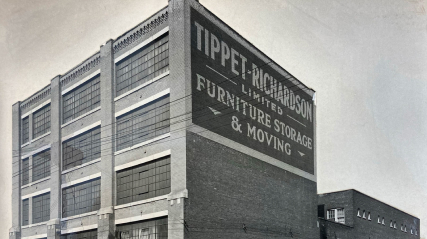
Tippet Richardson has supported residential moving needs for nearly a century. That history does not remove the need for a detailed plan, but it reflects the value of steady communication and careful preparation on moves where the collection and delivery are far apart.
Wrapping Up
Moving to Nova Scotia from Ontario is most manageable when you treat it as a coordinated residential project: establish an accurate inventory, share property and access details, plan around your housing dates, compare estimates on an equal basis, and decide early whether packing or storage will help.
The best moving choice is not necessarily the lowest starting price. It is the option that gives you a clear understanding of the work, the documents, the schedule, the protection available, and the practical arrangements required at both ends.
If you are comparing Ontario to Nova Scotia movers, Tippet Richardson can help you discuss the shipment, access conditions, packing needs, storage considerations, and next steps for a long-distance residential move. With nearly a century of moving experience, our team approaches each relocation with the careful planning such a distance requires.