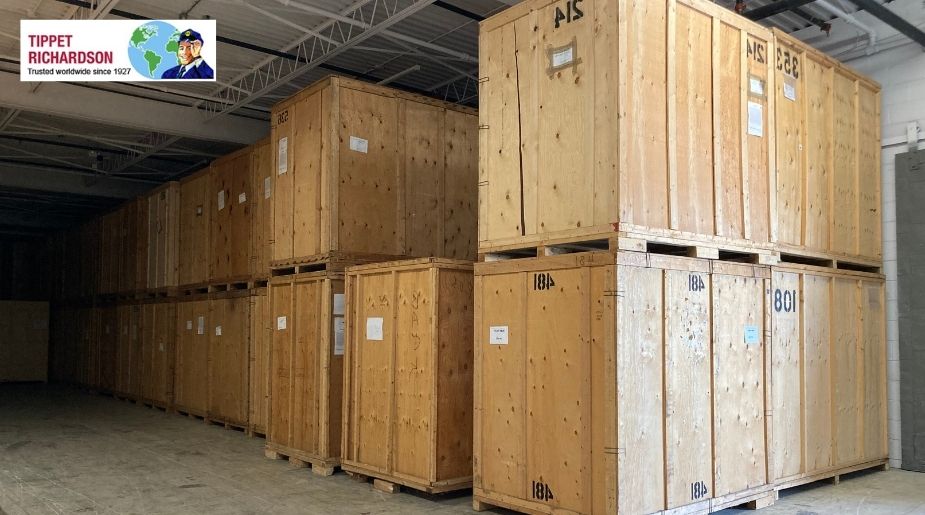

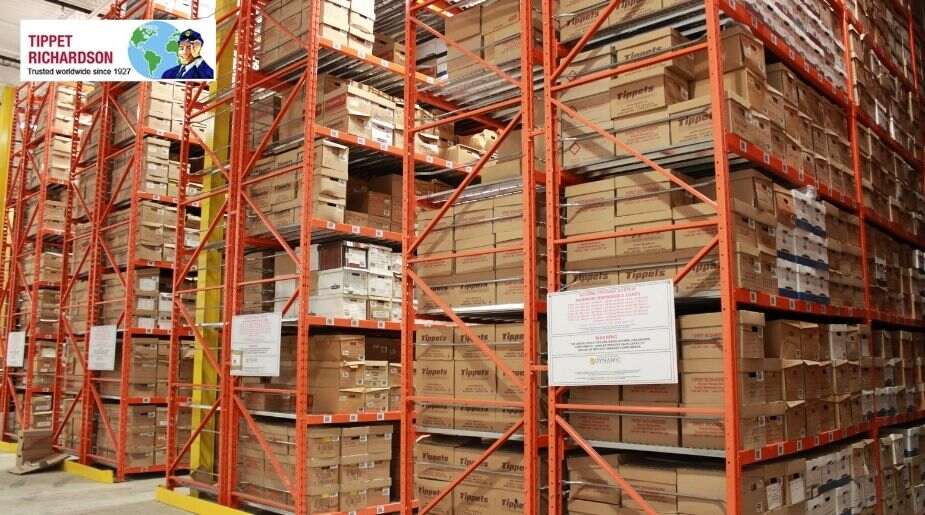
- Offsite Record Storage Solutions help businesses keep important files secure, organised, retrievable, and easier to manage.
- Records management services add indexing, retention control, retrieval procedures, access discipline, and secure disposal planning.
- Offsite records storage in Toronto can reduce office clutter while improving accountability for inactive business records.
- Strong records management supports compliance, audits, reviews, continuity, and faster access to critical documents.
- Tippet Richardson provides practical records storage support for Ontario businesses needing control, care, and reliability.
Offsite Record Storage Solutions protect business data by keeping important files secure, organised, and available when you need them.
For many organisations in Toronto and across Ontario, records still carry legal, financial, and operational value long after day-to-day use ends. That is why choosing the right storage approach matters: it affects access, risk, compliance, and how confidently your team can manage information over time.
In this article, we will look at what offsite record storage does, which risks it reduces, what to assess before moving records out of the office, and how professional records management services support better control.
What Offsite Record Storage Solutions Really Do
Offsite storage is more than putting boxes in a secure building. Done properly, it gives your business a structured way to retain paper records without letting them take over valuable office space or sit in an untracked cabinet system. Offsite Record Storage Solutions give those records a more controlled structure as the business grows.
When records are stored offsite, the goal is not just security. The real value comes from control: knowing what you have, where it is, how long it must be kept, and how quickly you can retrieve it when a client, auditor, lawyer, or internal team needs it.
The Practical Difference Between Storage and Records Management
Simple storage keeps items out of the office. Records management adds order, retention discipline, retrieval procedures, and disposal planning. That difference matters because unorganised boxes can create the same problem offsite that they created in your office: no one knows what is there or whether it should still be kept.
A professional records management services helps reduce that risk by building a system around identification, indexing, retention, access, and destruction when records are no longer required. Offsite Record Storage Solutions also help teams keep inactive records accessible without crowding daily workspace.
Why Businesses Move Records Offsite
Most companies do not move records because they want to collect more boxes. They do it because office space is too valuable to use as a filing room, on-site storage is too exposed to everyday disruption, or the business has grown beyond what a local cabinet system can handle cleanly.
This is especially common for firms that handle client files, financial records, HR documents, contracts, or project documentation that must be retained for a set period. In those cases, offsite records storage in Toronto can support day-to-day operations without crowding work areas.
With the right process, Offsite Record Storage Solutions can support better retrieval and retention habits.
What It Helps You Avoid
Well-run offsite storage can reduce several common problems:
- Misfiled or lost paper records
- Overcrowded offices and shared storage rooms
- Inconsistent retention practices
- Unauthorised access to sensitive files
- Delays when someone needs an old file quickly
Those risks are not theoretical. In practice, we often see businesses discover that their biggest issue is not how many files they have, but how little confidence they have in the system holding them. Offsite Record Storage Solutions work best when indexing, access, and disposal expectations are clear.
How Offsite Record Storage Solutions Protect Business Data
The strongest reason to use offsite storage is protection. Not every business risk is digital, and not every file belongs on a desk or in a cupboard. Paper records can be damaged, exposed, misplaced, or retained far beyond their useful life if they are not managed properly.
Physical Protection Against Loss and Damage
Offsite storage protects records from many of the hazards common in offices and back rooms, including accidental spills, day-to-day handling, clutter, and poor storage conditions. A proper records facility also helps reduce the risk of records being left in unsecured or highly accessible areas.
For Ontario businesses, Offsite Record Storage Solutions can reduce uncertainty around paper records that still matter.
For businesses that keep sensitive client or employee information, that added layer of physical control can be just as important as digital security measures.
Better Access Control for Sensitive Information
Sensitive records should not be available to everyone simply because they are stored on-site. Offsite systems can limit access to authorised people and create clearer handling procedures, which is especially useful for HR files, legal material, accounting records, and confidential client documents.
That level of control matters in busy workplaces where shared storage rooms often become catch-all spaces. Once that happens, it is easy for files to be handled without a clear trail or to be stored in ways that make later retrieval difficult.
Offsite Record Storage Solutions help turn old file rooms into a cleaner, more accountable records process.
Reduced Exposure to Retention Mistakes
One of the most overlooked risks is keeping records too long or discarding them too early. Both can create problems. Over-retention clutters the system and increases exposure. Early disposal can create compliance issues or leave the business without evidence when it needs it most.
Offsite records management in Ontario is most effective when retention periods are applied consistently, so records are stored for the right length of time and removed when they no longer serve a business purpose.
Why This Matters for Day-To-Day Operations
Protecting business data is not only about preventing a crisis. It is also about making routine work easier. When records are indexed and retrievable, staff spend less time searching and more time serving clients, managing claims, handling audits, or responding to internal requests with confidence.
Tippet Richardson supports Offsite Record Storage Solutions with careful handling and a practical records management approach.
What to Look for in a Records Management Partner
Choosing a secure records management company in Toronto is not just about asking where the boxes will go. You are choosing a process, a level of accountability, and a partner that may be responsible for files your business depends on later.
Secure Handling from Collection to Retrieval
A good provider should be able to explain how records are collected, labelled, tracked, stored, and retrieved. If any part of that chain is unclear, the risk of confusion grows quickly once your files are no longer on site.
That is especially important for businesses that expect document storage and retrieval in Toronto to support regular operations, not just long-term archive storage. When records carry business value, Offsite Record Storage Solutions give teams a steadier way to protect them.
Reliable Indexing and Searchability
If you cannot find a file when you need it, the storage system has failed its practical purpose. Indexing should make it possible to identify records by box, client, department, date range, or another consistent method that suits your organisation.
The best systems are designed around how your team actually asks for information, not around a generic filing habit that only works in theory.
Retention Support and Disposal Discipline
Retention schedules can be tricky, especially for organisations that manage different document types across departments. A capable records management services provider should help maintain order so records are reviewed, kept, or destroyed according to your instructions and applicable requirements.
That does not remove your responsibility, but it does make compliance more manageable and less dependent on memory or informal habits. Offsite Record Storage Solutions give those records a more controlled structure as the business grows.
Communication and Service Responsiveness
When a file is needed urgently, responsiveness matters. Ask how retrieval requests are handled, what service expectations apply, and how the provider communicates status updates. A well-run system should reduce uncertainty rather than add another layer of it.
Experience with Ontario Business Needs
Corporate records management in Ontario often involves practical issues that are easy to underestimate: busy office schedules, privacy expectations, retention complexity, and the need to support both short-term access and long-term control. A provider with real experience in these environments is better equipped to design a system your staff can actually use.
Offsite Record Storage Solutions also help teams keep inactive records accessible without crowding daily workspace.
How Toronto Businesses Use Offsite Records Storage Well
Businesses usually get the best results when offsite storage is built into a wider process, not treated as a last-minute clean-up exercise. The strongest systems are simple, consistent, and tied to how the organisation works.
Start with a Records Review
Before anything is boxed and moved, it helps to review what you actually have. Some files should be kept, some can be destroyed if retention has expired, and some may need special handling because of sensitivity or business value.
That review often saves space and cost later because it prevents useless material from entering the storage system in the first place. With the right process, Offsite Record Storage Solutions can support better retrieval and retention habits.
Group Records by Purpose, Not by Convenience
Files tend to stay manageable when they are grouped by a clear logic such as department, client, year, matter, or project. The exact method depends on the business, but the key is consistency.
If one team labels files by year and another labels them by project code, retrieval becomes slower and errors become more likely. The system should make sense to the people who will need it months or years later.
Plan for Retrieval Before the Move
Many businesses only think about storage during the move itself. In practice, retrieval planning is just as important. Staff should know how to request records, who can approve access, and what information is needed to locate a file quickly. Offsite Record Storage Solutions work best when indexing, access, and disposal expectations are clear.
This is where document storage and retrieval in Toronto should feel like an operational advantage rather than an administrative burden.
Use Storage as Part of a Cleaner Office Strategy
Once records move offsite, offices often become easier to manage. Teams can free up cabinets, reduce clutter, and create more usable space for active work. That can be especially valuable in Toronto offices where floor space is tight and every square foot matters.
Why Record Storage Supports Compliance and Continuity
Offsite storage is often associated with security, but its deeper value is continuity. A business that can produce records when required is better prepared for audits, disputes, claims, reviews, and internal decision-making. For Ontario businesses, Offsite Record Storage Solutions can reduce uncertainty around paper records that still matter.
Supporting Records Management Compliance in Toronto
Compliance needs vary by industry and document type, so there is no single rule that fits every business. What matters is that the organisation can show a consistent, defensible approach to retention, access, and disposal.
That is why records management compliance in Toronto should be treated as a process issue, not just a storage issue. When records are tracked properly, the business can demonstrate more control and less guesswork.
Helping During Audits, Reviews, and Disputes
When records are well organised, response time improves. That matters during external reviews, insurance matters, legal requests, or internal investigations, when delays can create stress and weaken confidence. Offsite Record Storage Solutions help turn old file rooms into a cleaner, more accountable records process.
A disciplined storage system helps teams locate what they need faster, which can reduce disruption and support stronger decisions.
Protecting Against Staff Turnover and Informal Filing Habits
One of the most common causes of records problems is change inside the business. Staff leave, teams reorganise, and filing habits drift. If critical files only live in one person’s memory or one department’s cabinet, the system becomes fragile.
Offsite storage creates a more durable structure. It reduces dependence on a single employee’s naming conventions or a forgotten back room archive.
The Value of Continuity for Growing Organisations
As businesses expand, they usually create more records, not fewer. A storage plan that works for a small office may not hold up once the company has multiple departments, service lines, or sites. Offsite management creates a scalable way to keep control without expanding office clutter in step with growth.
Tippet Richardson supports Offsite Record Storage Solutions with careful handling and a practical records management approach.
Is Offsite Record Storage Right for Your Business?
The right storage approach depends on the kind of records you hold, how often they are accessed, and how much risk your current system creates. Some businesses need simple archive space. Others need a full records management process with defined access and retrieval steps.
When records carry business value, Offsite Record Storage Solutions give teams a steadier way to protect them.
Questions That Help You Decide
Before committing, ask yourself whether your current setup can answer these questions confidently:
- Can we find any file we need within a reasonable time?
- Do we know which records must be kept and for how long?
- Are sensitive records protected from unnecessary access?
- Would the business still function well if one key employee left tomorrow?
- Are we using office space efficiently, or storing inactive files in a way that creates clutter and risk?
If several answers are uncertain, offsite records storage is usually worth serious consideration. Offsite Record Storage Solutions give those records a more controlled structure as the business grows.
When Offsite Storage Is Especially Useful
It tends to be most valuable when a business has large volumes of inactive paper files, strict retention needs, frequent requests for older records, or limited secure storage on site. It is also helpful when the office environment is shared, busy, or not designed for long-term file holding.
Offsite Record Storage Solutions also help teams keep inactive records accessible without crowding daily workspace.
How Tippet Richardson Fits into the Picture
At Tippet Richardson, records management services are designed for businesses that need order, care, and dependable handling rather than a simple drop-off solution. For organisations looking for offsite records storage in Toronto, the practical benefit is a clearer system for keeping records secure, accessible, and better managed over time.
That matters when your team wants a trusted process for records that still have business value but no longer need to take up working space. With the right process, Offsite Record Storage Solutions can support better retrieval and retention habits.
Wrapping Up
Offsite Record Storage Solutions help protect business data by combining secure storage with control, access discipline, and better retention practices. For Toronto and Ontario businesses, that can mean fewer filing problems, less office clutter, stronger continuity, and more confidence when records are needed later.
The best results come from treating storage as part of records management, not a separate afterthought. If your business is ready to improve how it handles inactive files, Tippet Richardson can support that process with experience built over many decades and a practical approach to keeping records organised, protected, and retrievable.
Offsite Record Storage Solutions work best when indexing, access, and disposal expectations are clear.