
- The safest neighbourhoods in Toronto include established areas such as Rosedale, Forest Hill, Lawrence Park, Leaside and The Beaches.
- Neighbourhood safety depends on current conditions, housing type, traffic, lighting, access and your household’s daily routine.
- A safe Toronto move also requires planning for elevators, parking, narrow streets, older homes and building rules.
- Visit potential areas at different times before choosing a home, and review current information from official Toronto sources.
- A local moving company can reduce risk by planning access, protecting belongings and coordinating the move around your building and street.
Safest Neighborhoods in Toronto are generally established residential communities with strong amenities, active streets and housing that suits the way you live. This guide looks at 10 well-regarded areas, while explaining how to assess current Toronto neighbourhood safety and plan a smoother local move.
Safety matters, but it is only one part of choosing a home. A family may prioritise quiet streets and schools, while a young professional may care more about transit, lighting and the walk home after work. In Toronto, condo access, elevator reservations, street parking, older houses and changing traffic patterns can also affect the moving experience. You will learn what makes each area appealing, what to inspect before committing and how to prepare for a local move.
10 Safest Neighborhoods in Toronto to Consider
The following communities are frequently considered by people searching for family-friendly neighbourhoods in Toronto and established residential areas. They differ in price, housing, atmosphere, transit and access, so the best choice depends on your circumstances. Treat the descriptions as practical starting points and verify current conditions before making a decision.
Rosedale
Rosedale is known for its mature trees, ravines, traditional houses and quiet residential roads close to central Toronto. Its location can suit people who want a calm setting without moving far from downtown. The area includes winding streets, hills and properties with stairs, long driveways or limited access for larger vehicles.
Before buying or renting, inspect the route from the street to the front door and consider where a moving vehicle can safely stop. Winter weather can make slopes, steps and narrow approaches more demanding. A professional assessment is particularly useful for large furniture, artwork and items when moving to Rosedale, especially for homes with stairs, slopes and limited vehicle access.
Forest Hill
Forest Hill combines established homes, leafy streets and access to local shops, schools and transit. It appeals to households looking for a residential setting with a strong community identity. Housing conditions vary, from older properties with several levels to renovated homes where the main challenge is protecting finished surfaces.
Measure stairwells, doorways and tight turns before moving day, particularly when Moving to Forest Hill and dealing with older or renovated properties. A home that comfortably fits furniture may still have a difficult path from the curb. Confirm parking arrangements and any restrictions on the street, especially if the property is near a busier route or has limited driveway space.
Lawrence Park
Lawrence Park is a popular choice for families seeking greenery, established homes, parks and a quieter pace. The neighbourhood’s larger houses and mature landscaping can provide space, but they may also involve long walkways, landscaping that restricts access and multiple entrances.
Ask whether the best entrance for moving is the one normally used by residents. In some homes, a side or rear entrance offers a safer and more direct path for furniture. Protecting floors and walls is important when a move involves polished wood, delicate finishes or narrow staircases.
Leaside
Leaside offers a suburban feel within Toronto, with parks, schools, shops and a mix of houses, apartments and newer developments. Its relatively connected street pattern can be convenient for families, commuters and people who want more space than a downtown condo typically provides.
The main consideration is often not the neighbourhood itself but the precise location of the home. Check proximity to major roads, construction, commercial areas and school traffic. For a move, identify where a vehicle can stand without blocking neighbours, intersections or emergency access, and make arrangements with the property owner or building where needed.
The Beaches
The Beaches, also called The Beach by many residents, is valued for its waterfront setting, parks, shops and walkable residential streets. It can be appealing to families, couples and people who want outdoor space close to home. Older houses, narrow driveways and busy seasonal activity can make access more complicated than the quiet streets suggest.
Check whether the property is on a road affected by weekend traffic, events or winter parking conditions. If the home has a porch, basement stairs or a narrow side entrance, measure those areas in advance. Furniture protection is especially important when the route includes exterior steps or weather-exposed surfaces.
High Park and Bloor West Village
High Park and nearby Bloor West Village offer green space, shops, transit and a strong residential atmosphere. They are often considered by households seeking family-friendly neighbourhoods in Toronto with access to recreation and everyday services.
The area includes a range of housing types, from older detached and semi-detached homes to apartments and condominiums. Properties near busy streets may have more traffic and noise, while homes near the park may face event-related activity or restricted stopping options. Visit both the front and rear access points before moving and confirm how large items will reach the residence.
Davisville Village
Davisville Village provides a central residential option with local shops, restaurants, parks, schools and transit connections. Its mix of houses, apartments and condominium buildings allows residents to choose between different types of housing while staying close to established amenities.
For condo residents, the move may depend on a reserved elevator, a designated loading area and a building time window. Ask the property manager for the current instructions rather than relying on a previous resident’s experience. In a house, pay attention to street width, parking and the condition of the stairs leading to the entrance.
Yonge and Eglinton
Yonge and Eglinton is a highly connected area with significant residential and commercial development. It suits people who want transit, shops, restaurants and services nearby, although the experience can vary considerably between a quiet side street and a construction-affected main corridor.
If convenience is a priority, inspect the walking route to transit at the times you will use it. For moving, ask about construction, loading zones, underground parking clearance and elevator availability. A building may be secure and well managed while still requiring careful timing because of traffic or limited curb space.
The Annex
The Annex has a distinctive mix of university buildings, older homes, apartments, shops and busy pedestrian routes. It can suit students, professionals and households that value walkability and proximity to central amenities. Its urban character means that noise, traffic, cycling activity and parking should be assessed at different times.
Older buildings may have compact staircases, small lifts or entrances that do not accommodate larger furniture easily. Take accurate measurements and determine whether a sofa, wardrobe or appliance will need a different route. Planning these details early is safer and usually less disruptive for neighbours.
The Junction
The Junction has become a sought-after west Toronto community with independent shops, restaurants, parks and a mix of older and newer housing. It offers a neighbourhood feel while remaining connected to the wider city. Conditions vary by street, particularly near commercial corridors and major intersections.
When comparing homes, look at evening lighting, sidewalk condition, traffic and the distance to the services you use most. If you are moving into a renovated older house, identify finished flooring, railings, glass and other surfaces that need protection. A clear access plan helps avoid last-minute handling decisions.
These 10 areas are not a definitive ranking, and they are not a substitute for current local information or your own inspection. They are useful places to begin when comparing safest neighbourhoods in Toronto, particularly if you want a balance of residential character, amenities and established services.
How to Compare the Safest Neighborhoods in Toronto
There is no single list that can determine the right place for every household. Toronto is made up of distinct communities, and conditions can change from one main street to the next. A sensible comparison combines current information with an in-person look at the streets, buildings and routines that matter to you.
Look Beyond a Neighbourhood’s Reputation
Established areas often develop a reputation for being among the safest areas in Toronto because residents know one another, public spaces are well used and services are close by. That reputation is useful as a starting point, not a guarantee. A quiet residential pocket beside a busy arterial road may feel very different from a street a few blocks away.
Review current information from official Toronto and police sources where available, then visit the area yourself. Look at pedestrian activity, lighting, sightlines, traffic speed, the condition of sidewalks and how comfortable you feel at the times you would normally travel. If you are choosing a condo, inspect the entrance, garage, parcel area and visitor access rather than judging only the surrounding streets.
Match the Area to Your Routine
The safest places to live in Toronto are not necessarily the same for everyone. Consider the route to work, school, childcare, transit, shops, parks and medical appointments. A neighbourhood that feels ideal on a Saturday afternoon may be less convenient when you are carrying groceries home on a dark winter evening.
Families may value parks, recreation facilities, quieter roads and a manageable school journey. Older adults may prefer accessible buildings, nearby services and fewer steep steps. Someone who works late may place greater importance on a well-used route, reliable transit and a building with controlled access.
Assess the Actual Property
A neighbourhood can be appealing while a particular property creates daily problems. During a viewing, ask about exterior lighting, door and window condition, intercoms, visitor procedures, parking and maintenance. In a house, check basement access, side gates and visibility around the property. In a condo, ask how move-ins are booked, whether the elevator is padded, and whether the loading area has height or time restrictions.
No building feature replaces ordinary care, but these details affect both comfort and the protection of your belongings during a move. They also help you compare homes more fairly instead of relying on a broad neighbourhood label.
Use a Practical Comparison
A simple written comparison can prevent one attractive feature from dominating your decision. Score each area for daily convenience, street character, transport, housing fit, outdoor space, property condition and moving access. Keep safety as an important category, but record how you reached that judgement.
For a local moving services, request a detailed quote once you know the property type and access conditions. At Tippet Richardson, our team considers the building, street and belongings involved so the move plan reflects the actual home rather than only the postal code.
Read also: Best Toronto Neighborhoods for Young Professionals: 10 Areas to Consider
Planning a Local Move to a Toronto Neighbourhood
Choosing an area is only the first decision. The quality of your move will depend on how early you identify access conditions, what needs special handling and how clearly responsibilities are communicated. Toronto homes can be close together, but they are rarely identical from a moving crew point of view.
Start With the New Property’s Access
Record the address, property type, floor level and the route from the stopping point to the entrance. Note stairs, elevators, low ceilings, narrow halls, gates, long walks and any temporary obstructions. For condos and apartments, condo movers in Toronto can help coordinate elevator bookings, loading access, move-in hours and building requirements.
For a house, check parking, driveway width, overhead branches, steps and the distance from the vehicle to the entrance. Older Toronto homes can have beautiful features and difficult turns. Measuring large furniture is worthwhile, especially if the new home has a narrow staircase or a basement room.
Protect the Belongings That Matter Most
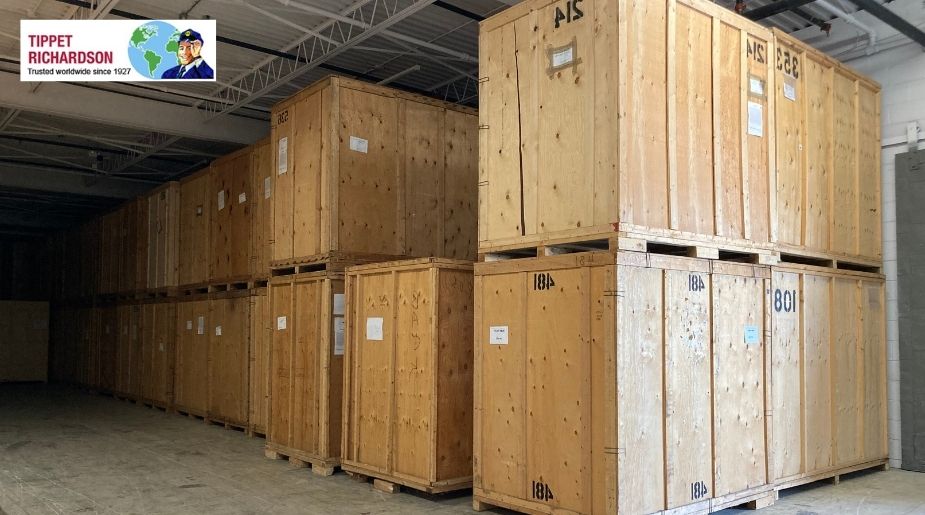
Not every item needs the same preparation. Grandfather clocks, pianos, antiques, framed artwork, glass, electronics and valuable furniture may require additional wrapping, specialised equipment or a different loading sequence. Tell the moving company about these items before the quote so the plan reflects their size, weight and condition.
Photograph valuable or fragile pieces before packing, retain appraisals or purchase records where relevant, and keep essential documents with you. Discuss valuation and protection options with the mover, since coverage, exclusions and responsibilities vary by provider and circumstances.
Coordinate the Move Around Toronto Conditions
A move can be delayed by a full elevator calendar, road work, a blocked loading area or a vehicle that cannot reach the entrance. Build a practical schedule that leaves room for access rather than assuming the journey time is the only variable. If you are moving in winter, allow additional attention for wet floors, snow, salt and slippery steps.
Residents in high-rise buildings should tell neighbours or the property manager when appropriate. Residents in older houses should plan where furniture will be staged while doors, floors and stairs are protected. Clear communication reduces rushed decisions and helps the crew work safely.
At Tippet Richardson, local residential moves are planned around the specific home, access route and items involved. That approach is useful whether you are moving across Toronto, changing from a condo to a house or relocating within the same neighbourhood.
Prepare a Moving-Day Information Sheet
Keep one page with the details that can otherwise be scattered across emails and conversations: building contacts, elevator booking, parking instructions, door codes, preferred entrances, fragile items and the location of keys. Share only the information the moving team needs, and keep security-sensitive details private until they are required.
Pack an essentials bag separately with medication, chargers, important papers, basic toiletries, children’s needs and a change of clothing. It should travel with you rather than being buried in the first items loaded onto the vehicle. This small step is particularly helpful when building access runs later than expected.
What Should You Check Before Choosing a Safe Toronto Area?
A careful decision combines neighbourhood research with a realistic test of the property and your daily routine. The goal is not to find a perfect label. It is to choose a place where the surroundings, building and move-in conditions work together for your household.
Visit at More Than One Time
Walk through the area on a weekday morning, after dark and during the weekend if possible. Notice lighting, traffic, noise, pedestrian activity and how easy it is to reach transit or a nearby shop. If you have children, walk the routes they would actually use instead of viewing schools and parks only on a map.
Pay attention to transitions between streets. A location may feel comfortable near a main intersection but less convenient on the route home. Also consider seasonal changes, construction and event activity. Conditions can change, so a single visit should not be treated as a complete assessment.
Ask Useful Property Questions
Ask the landlord, seller or property manager about maintenance, access and building procedures. Specific questions produce more useful answers than asking whether the area is safe. Find out how exterior lighting is maintained, how visitors enter, how deliveries are handled and whether move-ins have restrictions.
For a house, ask about recent work, water exposure, basement access and any features that could affect large furniture. For a condo, confirm lift size, booking rules, loading access, parking clearance and the route from the garage or service entrance. These questions support both your long-term comfort and your moving plan.
Weigh Trade-Offs Rather Than Chasing a Label
A very central neighbourhood may offer a shorter commute but more traffic, noise and building activity. A quieter area may provide more space but require a longer journey to work or fewer nearby services. A newer condo may offer controlled access and a lift, while an older house may offer privacy and outdoor space but present more stairs and maintenance responsibilities.
The right choice depends on which trade-offs you can manage. Write down your non-negotiables, such as a short school journey, step-free access, outdoor space or proximity to transit. Then identify which preferences can be adjusted if the property is otherwise a strong fit.
Compare Moving Difficulty Before Signing
Moving difficulty is easy to overlook during a viewing. Ask where a vehicle can stop, whether the building permits moves on your preferred date and how far belongings must travel to the entrance. In dense Toronto areas, the difference between a reserved loading space and a long carry can affect the time, handling effort and risk of damage.
If the access route is uncertain, provide photographs or arrange a pre-move assessment. Our coordinators at Tippet Richardson use these details to identify practical concerns early, which is especially valuable for homes with stairs, delicate finishes or high-value belongings.
When the move is complex, speaking with an experienced moving expert before committing to a date can clarify what the property will require.
Consider the First Week, Not Just Moving Day
The first week reveals practical issues that may not be obvious during a viewing. Test the route to the nearest grocery shop, pharmacy, transit stop and park. Learn where waste and recycling are handled, how packages are received and where guests can park. These details affect whether a neighbourhood remains convenient after the excitement of moving has passed.
If you are moving with children or pets, walk the area at their usual times and observe crossings, noise and available open space. If you work from home, check sound levels and internet arrangements independently rather than assuming every building or street will suit the same needs.
The safest areas in Toronto are best understood through this combination of current information, direct observation and a close look at the property itself.
Choosing A Moving Company for Your Toronto Relocation
Once you have selected a neighbourhood, compare moving companies on planning quality rather than a low headline price alone. A reliable local move should account for the actual access conditions, the belongings being moved and the people who need clear information before the day begins.
What to Discuss Before Requesting a Quote
Prepare a complete inventory, including large furniture, appliances, fragile pieces, artwork and anything requiring special handling. Explain both addresses, the property types, floor levels, stairs, elevators and parking. Mention renovations, narrow entrances, long carries or items that cannot be disassembled.
A quote is more useful when it is based on accurate information. If the details change, such as a new closing date, different elevator window or additional furniture, advise the moving company promptly. Ask what is included, what preparation you are expected to complete and how changes are handled.
Questions That Reveal the Quality of Planning
Ask who will coordinate the move, how access is confirmed and how fragile or high-value items are prepared. Confirm what information the crew receives before arrival and how concerns are communicated on moving day. You should also understand the provider’s terms for valuation, claims and customer responsibilities rather than making assumptions.
Be cautious of any estimate or promise that does not account for the property. A company that asks thoughtful questions about your building and belongings is more likely to identify practical issues before they become expensive or stressful.
Why Local Experience Helps
Toronto’s neighbourhoods contain a wide range of access challenges within a short distance. A downtown apartment, a semi-detached home in the west end and a large house in a leafy central area each require a different approach. Local experience helps a moving team anticipate elevator bookings, parking concerns, narrow streets, stairs, older construction and dense pedestrian areas.
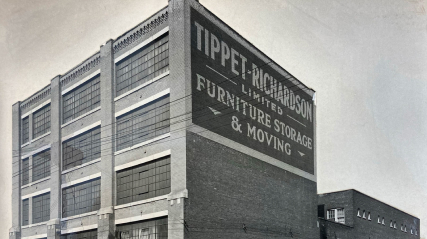
Tippet Richardson has served Toronto moving customers since 1927 and provides residential moving, packing and storage solutions where those services fit the move. Our nearly century-long presence is most meaningful when it appears in the care taken with planning, communication and handling, not simply in a claim about age.
Make the Decision on Total Value
The lowest estimate may not represent the lowest overall cost if it excludes packing, preparation, difficult access or the handling your belongings require. Compare the clarity of the estimate, the quality of communication, the proposed protection measures and the company’s willingness to discuss your specific home.
A well-prepared move is not about removing every possible uncertainty. It is about identifying the important variables early, agreeing on a realistic plan and knowing who to contact when circumstances change.
Wrapping Up
The safest neighbourhoods in Toronto are not defined by one permanent ranking. Rosedale, Forest Hill, Lawrence Park, Leaside, The Beaches, High Park and Bloor West Village, Davisville Village, Yonge and Eglinton, The Annex and The Junction each offer different combinations of residential character, amenities, housing and access. Your decision should be based on current information, direct visits and the daily routine you want to build.
Before choosing a home, inspect the property as carefully as the neighbourhood. Consider lighting, traffic, transit, building access, stairs, parking, elevator rules and the route your belongings will take from the vehicle to the door. Then share those details with a moving company early enough for them to plan properly.
For a local Toronto move, Tippet Richardson can help you evaluate the practical requirements of your move, arrange packing or storage where appropriate and protect the belongings that matter to you. After nearly a century of serving moving customers, our experience continues to come down to careful preparation, clear communication and dependable handling from one home to the next.