- Ship furniture to New Zealand from Canada when its value, condition, fit, or meaning justifies the space and handling costs.
- Compare the complete shipping estimate with replacement costs in New Zealand, not just the transport charge.
- Measure furniture carefully because volume, weight, container space, access, and destination requirements affect the decision.
- Use a Ship, Sell, Donate, or Replace framework to decide item by item rather than moving everything automatically.
- A detailed household-goods assessment can help you choose the right shipping method and avoid expensive surprises.
To decide whether to ship furniture to New Zealand from Canada, compare each item’s practical and personal value with its replacement cost, space requirements, condition, and the full cost of moving it overseas.
This decision matters because international furniture shipping involves more than transport between Toronto and New Zealand. You also need to consider packing, volume, weight, collection and delivery access, storage, destination requirements, and whether an item suits your new home. This guide explains how to assess those factors, when shipping makes sense, when replacing is more practical, and how Tippet Richardson can support a carefully planned household-goods move.
Should You Ship Furniture to New Zealand or Buy New?
The short answer is that there is no single rule for an entire household. Most successful international moves involve a mix of decisions: some furniture is shipped, some is sold or donated, and some pieces are replaced after arrival.
The mistake we see most often is treating every item as either worth moving or not worth moving. A better approach is to assess furniture by category and by role. A solid dining table may be difficult and expensive to replace, while a basic flat-pack bookcase may be easier to sell and buy again. A well-made bed frame may be worth shipping, but only if it fits the new room and does not create problems with mattress sizing or access.
Start With Value, Not Sentiment Alone
Begin by recording the original cost, current condition, likely replacement cost in New Zealand, and personal importance of each major piece. Sentimental value matters, but it should be considered alongside practical constraints.
Ask yourself:
- Would replacing this item involve finding a similar quality, size, or design?
- Is the item in good enough condition to justify professional packing and overseas transport?
- Would I still choose this piece if I were furnishing the new home today?
- Does it fit the dimensions and style of the destination property?
A family heirloom, custom-made cabinet, or high-quality solid-wood table may justify shipping even when its resale value is modest. By contrast, a worn sofa that has already reached the end of its useful life is rarely improved by being moved across the world.
Compare Complete Costs, Not a Single Quote
The cost to ship furniture to New Zealand includes more than the line item for ocean transport. Depending on the move, the total assessment may need to account for professional packing, collection, protection, transport, handling, storage, delivery, unpacking, and any destination-related requirements that apply to the shipment.
Replacement also has hidden costs. You may need to spend time searching for suitable furniture, arrange local delivery, assemble items, and accept a lower quality or different design. If you are moving into temporary accommodation, buying immediately can also mean paying for storage or moving items twice.
A useful comparison is:
Full cost of shipping versus purchase price, delivery, setup, time, and temporary alternatives in New Zealand.
The figures will vary according to the shipment and service scope, so a written assessment based on an accurate inventory is more useful than a broad online estimate.
Consider the Whole Room
Furniture should not be judged in isolation. A single large sectional may consume considerable space, while a coordinated bedroom set may make better use of the same shipment. Look at how each item works with the rest of the room and whether it can be positioned through entrances, stairways, lifts, and hallways at the destination.
For people moving from Toronto, this is particularly important when furniture is coming from a condominium, older home, or narrow urban property. A piece that leaves one home through a service lift may face a different challenge in a New Zealand townhouse, apartment, or older property.
At around this stage, preparing an itemised inventory is worthwhile. Include photographs, dimensions, approximate weight where known, condition, and a simple decision beside each item: ship, sell, donate, or replace.
Which Furniture Is Usually Worth Shipping Overseas?
Shipping furniture from Canada to New Zealand tends to make more sense when an item is durable, difficult to replace, well suited to the new home, or important to the household. The decision is stronger when the item uses space efficiently and is in good condition.
High-Value and Well-Made Furniture
Quality construction can be a strong reason to move an item. Solid-wood furniture, properly made cabinetry, high-quality dining sets, and specialist pieces may be expensive or time-consuming to replace. This does not mean every expensive item should be shipped. Size, condition, destination fit, and the cost of protecting it still matter.
Before deciding, inspect joints, finishes, drawers, hinges, upholstery, and moving parts. An item that already has loose joints, moisture damage, pests, or fragile deterioration may not withstand handling and travel well. If a piece needs substantial repair, compare the repair cost and risk with buying a suitable replacement.
Sentimental, Custom, and Difficult-to-Replace Pieces
Some furniture has value that cannot be measured by a resale listing. A grandparent’s cabinet, a table made for your family, or a chair associated with an important stage of life may be worth shipping because replacing it is impossible.
For these pieces, communicate their importance during the planning stage. They may require additional protection, careful wrapping, custom crating, or separate handling. Photograph existing marks and condition before packing so there is a clear record of the item’s starting state.
Sentimental value should not be ignored, but it should be planned for responsibly. If a piece is extremely fragile, unstable, or unsuitable for the destination home, discuss its risks before committing to shipment.
Read also: How to Prepare Household Goods for New Zealand Biosecurity Inspection
Furniture That Fits the New Property
Measure the destination rooms if possible, including doorways, stairs, lifts, corridors, ceiling heights, and turning points. Do not rely only on the room dimensions shown on a floor plan. Access often determines whether a large item can be delivered without dismantling or special handling.
Also check whether the furniture works with New Zealand standards and household arrangements. Beds, mattresses, appliances, lighting, and electrical items may require particular attention because sizes, fittings, and electrical requirements can differ between countries. This article focuses on furniture, but items with electrical components should be assessed separately before inclusion.
Furniture That Packs Efficiently
The amount of space an item occupies is a major part of international furniture shipping. A dismantlable bed frame may take less room than a large assembled unit. Nesting chairs, removable table legs, modular shelving, and properly protected flat components can be easier to plan than bulky one-piece furniture.
However, dismantling should not be treated as a way to force every item into a smaller space. Some furniture is damaged when it is repeatedly taken apart, and some older fasteners or joints may not reassemble reliably. The practical question is not simply whether an item can be dismantled, but whether it can be dismantled, protected, transported, and rebuilt safely.
Requesting a free moving quote based on a detailed inventory can help you understand how the selected items affect space and cost before you make final decisions.
When Is Buying or Replacing Furniture the Better Choice?
Buying new furniture in New Zealand can be the more sensible option when existing pieces are inexpensive, worn, bulky, difficult to protect, or unlikely to suit the destination. Replacement may also be practical when your move gives you an opportunity to furnish a different type of home.
Low-Cost or Easily Replaced Items
Basic side tables, inexpensive shelving, flat-pack furniture, and heavily used pieces often need a strong financial reason to be shipped. If a comparable item is readily available in New Zealand, the combined cost of packing, transport, handling, and delivery may exceed its practical value.
Do not compare only the original Canadian purchase price with the cost of a new item. Compare present condition and current replacement cost. Furniture that was inexpensive years ago may have become more costly to replace, while some items may now be outdated or near the end of their useful life.
Oversized and Inefficient Pieces
Large sofas, oversized wardrobes, heavy entertainment units, and furniture with awkward shapes can use a disproportionate amount of shipment space. If an item cannot be dismantled safely, its volume may be more important than its weight.
This is where a professional inventory review is useful. Two households with the same number of furniture pieces can have very different shipment sizes. A small number of bulky items may take more room than many compact pieces.
Consider also the destination’s access. A large item may fit inside a room but fail at the entrance, stairwell, lift, or a tight turn. Replacing it after arrival could be less stressful than arranging special access or handling for a piece that is not essential.
Worn, Fragile, or Poorly Documented Furniture
Furniture with water damage, pest concerns, unstable frames, loose veneers, or weak upholstery deserves careful scrutiny. Damage can worsen during handling, and certain materials or outdoor items may require additional attention at the destination. Requirements can vary, so confirm current New Zealand requirements with the appropriate official authorities and your moving specialist before shipping household goods.
Photographs are helpful, but they do not remove the need for honest condition reporting. Hiding a defect can create disagreement later and may affect how the item is packed or handled.
Furniture Bought for the Previous Home
A move from a Toronto condominium to a detached home, townhouse, or smaller New Zealand property can change how you use space. A large sectional may have suited an open-plan Canadian home but overwhelm a compact living room. A tall wardrobe may work in one bedroom but not under a different ceiling or beside a window.
If you have not secured your destination accommodation, avoid making final decisions based on assumptions. You may choose temporary storage for selected pieces, but confirm storage duration, access arrangements, protection, and additional charges in advance. Storage can give you time to measure the new home, but it should not become a way to postpone an obvious decision indefinitely.
How Should You Compare Shipping Methods and Container Space?
The shipping method affects how your furniture is packed, protected, priced, and handled. The right option depends on the volume of your household goods, the type of furniture, the required service, and the available timing. A moving specialist should explain the options that suit your inventory rather than treating every shipment the same way.
Volume Often Matters as Much as Weight
People commonly estimate a move by counting rooms or furniture pieces. That is only a starting point. A solid table, padded sofa, tall cabinet, and dismantled bed frame occupy different amounts of space and may need different protection.
A shipment assessment should consider dimensions and packing space, not just the bare size of the furniture. Protective materials add volume, and delicate items may need additional separation. Items that can be nested or dismantled may improve space use, but only where this is safe and appropriate.
Full-Container and Shared-Space Considerations
Depending on the shipment, furniture may be planned within a dedicated container or alongside other household goods under a shared-space arrangement. The suitable approach can depend on the volume, destination, timing, contents, and service availability.
A dedicated container may provide greater control over the space used by your household goods, while a smaller shipment may make shared space worth considering. The best choice is not automatically the one with the lowest initial transport figure. Protection, timing, handling, and the consequences of a poor fit should also be evaluated.
Ask what is included in the proposed service, where responsibility changes during the move, and whether storage or additional handling may be needed. Written clarification is especially important when moving valuable or fragile furniture.
Packing and Protection Decisions
Furniture should be assessed according to its materials and weak points. Glass, mirrors, polished surfaces, drawers, legs, corners, upholstery, and moving mechanisms may each need different protection. Loose contents should not be left inside furniture unless the moving team specifically confirms that this is suitable.
Professional packing can reduce handling risks, but it cannot make unsuitable furniture suitable for international transport. A fragile item that is already unstable may need repair, special packing, or replacement before it is included.
For high-value or sentimental pieces, ask about condition documentation and the proposed protection method. Keep photographs, descriptions, and any appraisals with your personal records rather than placing irreplaceable documentation inside the shipment.
Destination Access and New Zealand Requirements
Before confirming the shipment, check the destination address, access restrictions, parking arrangements, stairs, lifts, narrow entrances, and any building booking requirements. Toronto moves often require advance coordination for loading areas and lifts; the destination property may require similar planning.
New Zealand import and biosecurity requirements can apply to household goods, particularly where items contain soil, plant material, animal products, or outdoor residue. Requirements and decisions can change, so verify current rules with official New Zealand authorities and disclose the contents accurately to your moving provider.
Our specialists at Tippet Richardson can help organise the household-goods assessment and identify information that should be confirmed before packing. The final decision should be based on the actual inventory and the requirements applicable to your move.
How Does the Ship, Sell, Donate, or Replace Framework Work?
A simple four-way framework helps turn an emotional, expensive decision into a manageable household plan. Review each item using the same questions, then group furniture by the action that best fits its value, condition, space, and destination suitability.
Ship
Choose Ship when the item is valuable to keep, difficult or expensive to replace, in sound condition, suitable for the destination, and worth the space and handling involved.
Examples include a well-made dining table that fits the new home, a family cabinet with strong sentimental value, or a coordinated bedroom set that would be costly to replace. Confirm measurements and condition before adding it to the final inventory.
Sell
Choose Sell when the item is useful and in reasonable condition but is not worth the space or cost of international transport for your household. Selling before the move can help fund replacement furniture in New Zealand and reduce the amount that must be packed.
Allow enough time for realistic pricing, collection, and the possibility that larger items may be difficult to sell quickly. If the moving date is close, a lower sale price may be preferable to rushed decisions or abandoned furniture.
Donate
Choose Donate when an item remains usable but has little resale value, or when helping another household is more appropriate than arranging a sale. Confirm that the receiving organisation accepts the item, especially if it is large, upholstered, damaged, or difficult to collect.
Do not leave donation arrangements until the final day. Missed collections can create a last-minute disposal problem and interfere with packing or property handover.
Replace
Choose Replace when the furniture is worn, unsuitable for the destination, inexpensive to source again, or likely to consume too much space. This can be the clearest choice for bulky items that do not fit the new home or pieces that were already due for renewal.
Replacement does not always mean buying immediately. You may use temporary furniture, measure the new rooms, or wait until you understand the local property and lifestyle better.
A Practical Scoring Test
For each item, score five considerations from low to high: personal importance, replacement difficulty, condition, destination suitability, and shipping efficiency. An item that scores highly on the first two and reasonably on the remaining three is a strong shipping candidate. An item that scores poorly on condition, fit, and space efficiency is usually better sold, donated, or replaced.
When two options appear close, ask which decision you would regret more in six months: paying to move the item or discovering that you should have kept it. That question is particularly useful for sentimental furniture, where the cheapest option is not always the most satisfying one.
Planning Your Furniture Move From Toronto to New Zealand
Once you have decided what to ship, good preparation protects both your budget and your furniture. International household moves usually involve more lead time and more decisions than a local move, so begin with an inventory rather than waiting until packing week.
Build an Accurate Inventory
Record each item by room and include its dimensions, photographs, condition, material, approximate age, and decision category. Note whether it is dismantlable, fragile, sentimental, high value, or dependent on a particular room layout.
Your inventory should distinguish furniture from other household goods. Clothing, books, kitchenware, artwork, outdoor equipment, and electrical items may require separate planning. A clear inventory allows the moving team to assess volume and identify questions before the shipment is packed.
Confirm the Destination Before Finalising the List
If you know the New Zealand address, measure the rooms and access points. If you do not, use the information available from the property listing cautiously and avoid shipping very large pieces without confirming their likely fit.
Ask the landlord, building manager, or property representative about lift reservations, delivery windows, stairs, parking, and access restrictions. At the Canadian end, check condominium or building requirements for loading, lift bookings, certificates, and permitted moving times where applicable.
Decide What Happens During the Gap
Your Canadian home may be ready before the destination property is available. You may need short-term storage, delayed delivery, or a staged move. These choices affect cost and timing, so discuss them before packing begins.
Storage is most useful when it supports a defined decision, such as waiting for a possession date or measuring the new home. It is less useful when it simply holds furniture that you already know you will not use. Confirm the storage location, protection, access conditions, duration, and charges in writing.
Review Documents and Destination Requirements
Keep an itemised inventory, photographs, purchase records for valuable pieces, and any relevant appraisals. Declare contents accurately and ask what information is needed for the shipment. Official requirements can vary according to the goods, route, packaging, and current rules, so verify them before the move rather than relying on an old checklist.
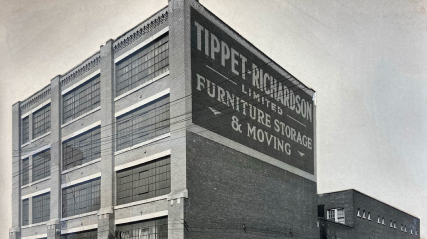
Tippet Richardson has supported household moves for nearly a century, including carefully planned international residential moves. Our role is to help you evaluate the shipment, organise the selected household goods, and coordinate the move around the information available for your specific circumstances. A clear conversation at the beginning is usually more useful than trying to solve volume, access, and furniture decisions after packing has started.
Wrapping Up
The best answer to “should I ship furniture to New Zealand?” is usually selective rather than absolute. Ship furniture that is valuable, durable, meaningful, difficult to replace, and suitable for the destination. Sell or donate usable pieces that are not worth the space, and replace furniture that is worn, oversized, unsuitable, or readily available in New Zealand.
When moving furniture from Toronto to New Zealand, compare the full cost of shipping with the full cost of replacing it. Include packing, volume, handling, storage, access, condition, and the time involved in finding new pieces. Measure carefully, confirm destination requirements, and use an item-by-item decision framework rather than relying on a room count or a rough guess.
Tippet Richardson can help you assess household furniture, prepare a more accurate inventory, and plan an international residential move around your selected items. With nearly a century of moving experience, our focus is on careful preparation, clear communication, and a plan that makes sense for your household and destination.