

- A top local moving checklist helps keep packing, access, timing, and essential moving tasks under control.
- Start several weeks ahead by confirming your move details, organising belongings, and preparing for moving day.
- Toronto homes and condos require early planning for elevators, parking, stairs, building access, and property rules.
- A well-prepared moving day depends on clearly labelled boxes and a separate essentials bag for important items.
- Professional local movers can reduce handling risks and make your Toronto move easier to organise and manage.
A Top Local Moving Checklist helps you organise each stage of a nearby move, from the first sorting session to the final box placed in your new home. The most effective checklist covers more than packing: it also accounts for access, parking, fragile belongings, paperwork, cleaning, and the practical details that can slow a move down.
A residential moving services may involve less travel than a long-distance move, but it can still be demanding. Toronto condos, older homes, narrow staircases, busy streets, elevator reservations, and limited parking all require advance attention. This guide explains what to do before moving week, how to prepare your home and belongings, what to expect on moving day, and how to decide whether professional help is worthwhile.
How to Start Your Top Local Moving Checklist
The best local move checklist begins with a clear picture of the move itself. Before buying boxes or booking a moving date, confirm where you are going, what is being moved, and what conditions could affect the work. Small details are easier to solve early than on moving morning.
Confirm the Main Move Details
Write down your current address, new address, preferred date, expected access times, and the names of everyone involved. If you are moving from or into a condo, contact the property manager or superintendent to ask about the move-in process. Buildings may require an elevator booking, a certificate of insurance, a security deposit, a loading area reservation, or specific moving hours. Requirements vary, so confirm them directly rather than relying on advice from another building.
For a house move, inspect the route from the front door to the street. Note steps, tight corners, low railings, uneven paths, and any gates that may need to remain open. In Toronto neighbourhoods, a legal parking space may not be available directly outside the home, particularly on a busy street. The distance between the truck and the entrance can affect the time and effort involved.
Decide What Is Actually Moving
Walk through every room, cupboard, closet, basement, garage, and storage services. Separate items into four groups: move, donate, recycle, and dispose of. Moving unwanted possessions costs time because each item still needs to be wrapped, carried, loaded, unloaded, and placed somewhere.
Pay particular attention to items that need special preparation. Pianos, artwork, antiques, large mirrors, glass furniture, safes, and delicate electronics may need a different handling plan from ordinary household goods. Tell your moving company about these items before moving day so the team can assess the required protection and equipment.
Build a Practical Move File
Keep estimates, booking information, building instructions, inventories, receipts, and contact details in one digital folder or physical file. Add a simple room-by-room inventory if you have many belongings. It does not need to be complicated; a list such as “kitchen: 12 boxes, dining room: table and six chairs” is often enough to identify what has arrived.
At Tippet Richardson, our coordinators use the information available before the move to help identify access questions and handling concerns early. That conversation is especially useful when your home has fragile or high-value belongings, limited access, or a narrow timing window.
Preparing for a Local Move Several Weeks Ahead
Preparing for a local move becomes much easier when tasks are spread across several weeks. The aim is not to pack everything immediately. It is to reduce the number of decisions still waiting for you when moving day approaches.
Four to Six Weeks Before Moving
Confirm your moving date and begin with belongings you use least often. Seasonal clothing, decorative items, books, spare linens, serving pieces, and stored possessions can usually be packed first. Keep daily-use items accessible and avoid filling boxes so heavily that they become unsafe to lift.
Measure large furniture and check the new home before assuming everything will fit. A sofa may fit comfortably in a room but fail at a stairwell, hallway turn, doorway, or lift entrance. If possible, measure doorways and note unusual access points. This is one of the most useful local moving company because a short driving distance does not solve a difficult entrance.
Arrange to transfer or close household services according to the providers’ requirements. Update your address with organisations that need it, and plan for children, pets, plants, and anyone who may need to be away from the work area. Requirements and timing differ between providers, so confirm details directly.
Two to Three Weeks Before Moving
Continue packing room by room and label every box on the top and at least one side. Include the destination room and a brief description, such as “primary bedroom—linens” or “kitchen—glassware”. Labels that only say “miscellaneous” create work later because no one knows whether the box should be opened immediately or stored.
Use sturdy cartons for heavier items and smaller cartons for books, tools, and dense belongings. Place lighter items on top when a box contains a mixture. Do not pack liquids loosely, and keep cleaning products, medicines, important papers, jewellery, and personal valuables separate from ordinary household goods.
If you are packing yourself, protect fragile pieces individually and fill empty space so contents cannot shift. Professional packing may be useful when you have a large household, limited time, valuable objects, or concerns about damage. The right choice depends on your belongings, schedule, and comfort with the work rather than on the distance between addresses.
One Week Before Moving
Finish most packing and leave out only what you need for the final days. Confirm access instructions with both properties, including elevator times, parking arrangements, entry codes, loading areas, and any restrictions on where a vehicle can wait. Share these details with the moving team.
Prepare a basic essentials bag for each person. Include medication, documents, chargers, toiletries, a change of clothes, snacks, water, basic tools, and anything needed for children or pets. Keep the bags with you instead of placing them on the moving vehicle.
If you are moving from a condo, confirm that the elevator reservation remains active and that the moving route is clear. If you are moving from an older Toronto home, check whether furniture must pass through a narrow entrance or steep staircase. A final access check often prevents avoidable delays.
What Belongs on Your Moving Day Checklist?
Your moving day checklist should focus on safety, access, communication, and a controlled handover. The day usually goes more smoothly when one person is available to answer questions while the crew works, rather than everyone trying to carry, direct, pack, and solve problems at once.
Before the Movers Arrive
Walk through the home and check that packed boxes are sealed, labelled, and grouped where practical. Remove items that are travelling with you, including passports, keys, medication, valuables, essential documents, and electronic devices. Keep children and pets away from active carrying routes.
Protect floors or vulnerable surfaces where appropriate, and clear snow, ice, wet leaves, or other hazards from the entrance when conditions require it. Leave hallways, stairs, and doorways as open as possible. Do not place boxes in front of electrical panels, heating equipment, or exits.
Take photographs of valuable or delicate belongings before handling begins. Photographs are useful for your own records and can help clarify the condition of an item before the move. If an item already has a mark or loose component, point it out before it is wrapped or carried.
During Loading
Keep communication straightforward. Tell the crew about fragile items, furniture that needs disassembly, items that must not be loaded, and boxes that should remain accessible. If something has changed since the original discussion, raise it promptly; late changes can affect the time, protection, or equipment required.
A professional crew will normally work through the home in a controlled sequence, protecting items as needed and loading heavier pieces in a stable arrangement. You do not need to supervise every lift, but you should remain available for decisions. Avoid changing the destination of boxes repeatedly because this can make the inventory and unloading process less clear.
At the New Home
Before unloading begins, confirm which rooms correspond to each label. If rooms are not ready, designate a temporary area that does not block entrances or essential furniture. Check that the lift, stairs, and route into the property remain available.
As boxes and furniture arrive, look for obvious damage and note concerns promptly according to the moving company’s process. Do not rush to unpack every carton. First make sure beds, essential seating, basic kitchen items, toiletries, and work equipment are accessible.
Our team at Tippet Richardson knows that a local move can still be physically complicated when a Toronto building has a tight lift booking or a home has challenging stairs. Clear instructions and careful handling matter more than simply completing a short drive.
How Do You Choose Top Local Residential Moving Help?
Choosing moving help is a decision about risk, time, access, and the type of belongings involved. The lowest initial price may not represent the easiest or safest option if you still need to pack everything, arrange equipment, find help for heavy items, or manage a difficult building entrance.
When Professional Movers Are Worth Considering
Professional assistance can be particularly helpful when you have heavy furniture, fragile pieces, limited mobility, a busy work schedule, children at home, or a move involving stairs and long carrying distances. It may also be sensible when the move must fit within a condo’s reserved elevator window.
Ask prospective movers how they assess access, what information they need before quoting, how fragile or high-value items are handled, and what you are expected to prepare. A useful quote should be based on the actual move rather than only the number of rooms. The amount of furniture, packing level, distance between the truck and entrance, stairs, elevators, and special items can all affect the work.
Comparing A Self-Move With A Moving Company
A self-move can suit a small household with willing helpers, flexible timing, few heavy belongings, and easy access at both addresses. It requires more than hiring a vehicle: you must plan lifting, protection, loading, driving, unloading, and the possibility that the work takes longer than expected.
A moving company may offer a more controlled process and reduce the physical burden, but you should still remain involved in decisions about what is being moved and how the homes will be accessed. Read the agreement carefully and ask questions about services, responsibilities, valuation or protection options, and any terms that are unclear. Details can vary by provider and move.
You May also like: Local Moving Checklist: Your Step-by-Step Guide for a Stress-Free Move
Preparing Information for A Quote
To receive a more useful estimate, provide accurate information about both addresses. Include floor levels, elevators, stairs, parking limitations, long carries, large or fragile objects, packing requirements, storage needs, and anything that cannot be dismantled or moved through a standard doorway.
If your plans are not final, explain what is uncertain. An experienced moving specialist can help identify which details need confirmation before the date. Tippet Richardson provides local moving services for residential customers and can discuss the scope of your move so you can compare options with clearer information.
A good quote is not only a number. It should help you understand what work is included, what you need to prepare, and which questions still need an answer.
Wrapping Up
A Top local moving checklist turns a stressful collection of tasks into a sequence you can manage. Begin by confirming access and deciding what is moving. Pack gradually, label boxes clearly, protect fragile belongings, prepare an essentials bag, and keep building or parking instructions easy to find. On moving day, focus on safe routes, clear communication, and a sensible first-night setup rather than trying to unpack everything at once.
Local moving is often described as simple because the new address is nearby. In practice, the hardest parts are usually access, timing, lifting, protection, and decisions made under pressure. Careful preparation gives you more control over each of them.
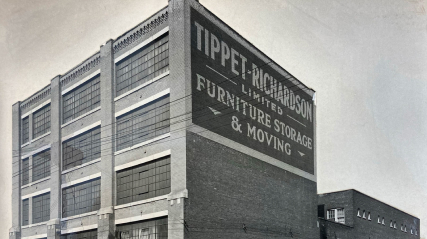
If you would prefer experienced support for a Toronto-area residential move, Tippet Richardson can help you consider the appropriate level of moving, packing, and storage assistance for your circumstances. Founded in 1927, our company brings nearly a century of moving experience to the planning and careful handling that a successful local move requires. Use this Top Local Moving Checklist as your working plan, then request an informed quote when you are ready to take the next step.