- Moving from Toronto to Auckland requires coordinated pickup, freight, clearance, and delivery planning.
- Sea freight usually suits larger household shipments, while air freight helps with urgent essentials.
- Your Toronto to Auckland moving cost depends on volume, service scope, freight method, access, and destination requirements.
- New Zealand customs and biosecurity rules make clean, accurate inventories and declarations essential.
- A detailed plan should account for storage, temporary accommodation, and the time between departure and delivery.
Moving from Toronto to Auckland is easiest when you plan it as a complete residential relocation, covering Toronto pickup, household-goods preparation, international freight, New Zealand clearance, and delivery to your new home.
The distance is only one part of the move. Toronto condos may require booked elevators and restricted loading times, while Auckland homes can involve narrow driveways, steep access, shared driveways, or delivery limitations. This guide explains how to choose sea or air freight, estimate costs and timing, prepare goods for New Zealand requirements, and decide whether storage or a hybrid shipment is sensible.
Moving From Toronto to Auckland: Start With a Practical Relocation Plan
A successful move from Toronto to Auckland begins before anything is packed. The most useful early decision is to separate what you need immediately from what can travel more slowly. That distinction affects the inventory, freight method, packing plan, budget, and the amount of disruption your household experiences.
For a permanent relocation, the plan may include most of your furniture and personal effects. For a work assignment or temporary stay, sending only essential items and arranging storage in Toronto may be more practical. There is no single best shipment size; the right choice depends on your accommodation, expected length of stay, and access to replacement items in Auckland.
Build a Complete Household Inventory
Begin with a room-by-room inventory rather than a rough estimate such as “a three-bedroom home”. Record major furniture, appliances, boxes, artwork, electronics, tools, sports equipment, and items with unusual dimensions. A professional survey may also consider the volume created by protective packing materials, not just the space occupied in your home.
Separate the inventory into four groups: send by sea, send by air, store, and do not send. This exercise often reveals that the family needs only a small group of essentials during the first weeks in Auckland. Passports, documents, medication, daily clothing, chargers, and basic household necessities should normally travel with you in accordance with applicable airline and border requirements rather than being placed in the main shipment.
Do not pack items simply because they are already in the house. Used outdoor equipment, garden tools, food, untreated timber, and dirty footwear may create additional review or cleaning requirements on arrival. Identify these goods early so you can clean them properly, seek advice, or decide not to ship them.
Check Toronto Pickup and Auckland Delivery Conditions
Toronto pickup planning can affect both the working time and the quotation. A downtown condominium may require an elevator reservation, proof of insurance, loading-bay access, and a specific move window. Older Toronto homes may have stairs, limited parking, or tight entrances. Provide accurate details about the building, floor, parking distance, and any restrictions known to you.
Auckland delivery requires the same level of attention. Confirm whether the destination has a driveway suitable for the delivery vehicle, a low bridge or weight restriction nearby, a shared access lane, stairs, or limited street parking. If your permanent address is not ready, a shipment may need to remain in storage until access is available.
At Tippet Richardson, our coordinators use these practical details to shape the move plan rather than treating the collection and delivery addresses as simple postal locations. When you are comparing Toronto to New Zealand international moving services, ask how the company will assess both ends of the move and who will explain the handoffs between them.
Choose a Planning Timeline That Leaves Room for Review
Start planning several months before your intended departure whenever possible. That gives you time to reduce the shipment, obtain an accurate survey, reserve building access, organise documents, clean goods, and consider storage. Freight schedules can change, and customs or biosecurity questions may require additional information.
A practical sequence is to confirm your destination and likely volume first, select a freight approach next, and then set packing and pickup dates. Avoid arranging pickup before knowing where your goods will go in Auckland. A shipment arriving before your accommodation is ready can lead to unnecessary storage and extra handling.
How Much Does It Cost to Move From Toronto to Auckland?
There is no responsible standard price for moving from Toronto to Auckland because the final amount depends on the shipment and the work required around it. A small air shipment and a full household moved by sea are fundamentally different projects. The same volume can also cost more or less depending on building access, packing requirements, storage, and delivery conditions.
A useful quotation should be based on a survey or a sufficiently detailed inventory. It should make clear what is included, what is provisional, and which destination charges or third-party requirements may vary. This gives you a better basis for comparison than a low headline figure based only on a few boxes.
What Influences a Toronto to Auckland Moving Cost?
The largest factor is usually the volume and nature of the goods. Furniture, wardrobes, fragile items, artwork, gym equipment, and unusually heavy objects take different amounts of space and may need different protection. Professional packing can increase the initial service cost but may reduce the risk created by self-packing delicate or irregular items.
Freight method is another major factor. Sea freight is generally used for larger quantities because it moves goods in a container or shared container arrangement. Air freight is faster but is normally selected for a smaller, more valuable, or more urgent group of items. A hybrid plan can be sensible when you need essentials before a sea shipment arrives.
Other cost influences can include:
- Pickup and delivery access, including stairs, long carries, elevators, parking, and restricted loading times.
- Origin or destination storage, especially when your Toronto departure and Auckland arrival dates do not align.
- Packing, unpacking, crating, and specialised handling for fragile, high-value, or unusual belongings.
- Documentation, clearance, inspection, cleaning, or treatment requirements that may apply to particular goods.
- Exchange rates, carrier charges, and third-party fees, which should be explained as subject to confirmation where applicable.
Taxes, duties, import decisions, and government requirements can depend on the goods and your circumstances. A mover can help organise shipment information, but official authorities determine how their requirements apply. Ask for clarification before assuming that a particular item will enter without review.
How to Compare Moving Quotes Properly
Compare like with like. One quotation may include full packing, export preparation, shared-container handling, destination delivery, and unpacking, while another may cover only transport between ports. Check whether the quote is based on a measured volume or an estimate, whether storage is included, and whether delivery is to the room of choice or only to the property entrance.
Also ask what happens if the inventory changes. Adding a piano, workshop equipment, or several cupboards after the survey can alter the volume and the handling plan. Conversely, removing furniture before packing may reduce the shipment. Keep a final inventory so you understand what the quote covers.
A reliable Toronto to Auckland moving company should explain the stages in plain language. At Tippet Richardson, we encourage customers to discuss the whole move rather than choosing solely on an initial number. A clear scope helps you understand the likely Toronto to Auckland moving cost and identify where flexibility may exist.
Sea Freight or Air Freight: Which Is Better for Auckland?
Sea freight and air freight solve different problems. Sea freight is normally the practical choice for household volume, while air freight is useful when speed matters more than the cost per unit of space. Many households benefit from combining the two rather than forcing every item into one method.
The decision should be based on your arrival circumstances, not only on the shipping price. Consider when you will receive keys, whether furnished accommodation is available, how long you can manage without particular items, and whether you can buy or borrow essentials in Auckland.
When Sea Freight Makes Sense
Sea freight is generally suited to furniture, kitchenware, books, clothing, personal effects, and other household goods that do not need to arrive immediately. Depending on the volume and service arrangement, goods may travel in a dedicated full container load, commonly called FCL, or in a shared container arrangement, commonly called LCL.
FCL can provide a dedicated container for your shipment. It may suit a larger household or customers who value having their goods loaded together in one container. LCL shares container space with other shipments and can be useful for smaller volumes, although the process involves consolidation and deconsolidation steps.
Sea freight usually requires patience. The overall period includes packing, collection, export handling, ocean transport, arrival procedures, clearance, and delivery. Sailing schedules and port conditions can change, so treat any estimate as a planning range rather than a guaranteed arrival date.
Read also: How to Prepare Household Goods for New Zealand Biosecurity Inspection
When Air Freight or a Hybrid Shipment Helps
Air freight can be useful for essentials needed soon after arrival: a limited wardrobe, work equipment, children’s necessities, important household items, or goods needed before the sea shipment is available. Because aircraft space is more limited and charged differently from sea freight, it is rarely the natural choice for an entire furnished home.
A hybrid shipment might include air freight for immediate needs, sea freight for the main household, and storage for goods that are not yet needed. This approach costs more to coordinate than one shipment, but it can reduce the practical difficulty of arriving in an unfurnished home.
For example, a family leaving a Toronto condominium may send clothing, laptops, school materials, and basic kitchen items by air, while furniture and less urgent belongings travel by sea. The right balance depends on the family’s accommodation and budget.
How to Prepare Household Goods for International Transport
International packing is more than putting items into larger boxes. Goods need to withstand handling, transfers, vibration, and changes in the shipping environment. Fragile objects should be identified before packing so the team can select appropriate materials and record their condition.
Keep an inventory of cartons and larger items. Photograph valuable or delicate belongings before packing, retain purchase or appraisal records where relevant, and tell the moving team about items that need special handling. Do not place passports, irreplaceable records, jewellery, cash, or essential medication into the shipment without specific advice; many personal essentials should remain under your direct control.
Self-packing can be suitable for some non-fragile goods, but it can complicate claims assessment and create problems when cartons contain undeclared or prohibited items. If you pack anything yourself, label contents accurately and ask how the shipment must be presented for export and destination requirements.
What Can I Bring to Auckland?
New Zealand applies strict customs and biosecurity controls because introduced pests, diseases, soil, and organic material can harm the country’s environment and agriculture. The safest approach is not to guess. Declare goods accurately, keep an itemised inventory, and check current requirements for anything that could attract scrutiny.
Customs and biosecurity decisions are made by the relevant New Zealand authorities. Requirements can change according to the item, its condition, its country of origin, and the information provided. A moving company can help identify questions for review, but it cannot guarantee an import outcome.
Clean, Declare, and Document Carefully
Before packing, clean outdoor and household items thoroughly. Pay particular attention to soil on shoes, bicycles, camping equipment, garden tools, sports equipment, vacuum cleaners, and anything used outdoors. Empty and clean lawn equipment, remove plant matter, and do not assume that an item is acceptable merely because it is used or previously imported into Canada.
Keep original labels and supporting documents where they help identify an item. Prepare a clear inventory that uses ordinary descriptions instead of vague entries such as “miscellaneous goods”. “Wooden dining chair” or “used garden tools” gives a reviewer more useful information than “household items”.
Food, plant material, animal products, untreated wood, shells, and other organic materials deserve particular caution. Some may be prohibited, some may require treatment or inspection, and some may be permitted only under specific conditions. When uncertain, disclose the item and ask for current guidance rather than concealing it in a carton.
Read also: Moving from Toronto to Wellington: International Moving Guide
Items That Need Extra Review Before Packing
Vehicles, motorcycles, boats, trailers, firearms, controlled items, medicines, alcohol, batteries, chemicals, and pressurised goods may involve separate rules or transport restrictions. Their presence can affect both the moving plan and the paperwork. Some items may not be suitable for standard household shipment at all.
Artwork, antiques, musical instruments, and high-value belongings should be identified early. Their packing, insurance considerations, valuation documents, and delivery arrangements may differ from ordinary household goods. Tippet Richardson’s experience with careful residential moves is particularly relevant when a household includes fragile or high-value items that need a documented handling plan.
Do not rely on an online list saved months ago. Check current New Zealand Customs and biosecurity information before final packing, and ask your moving coordinator to flag goods that require further review. The small amount of time spent identifying an item early is preferable to a surprise inspection, cleaning request, delay, or disposal decision after arrival.
A useful rule is simple: if an item has been outdoors, comes from a plant or animal, contains food or untreated natural material, or has unusual chemical or mechanical characteristics, raise it before packing.
What Happens After Your Shipment Reaches Auckland?
Arrival in Auckland is not the end of the move. The shipment must be processed, cleared as applicable, released for delivery, and brought to a property that is ready to receive it. Planning this stage early is especially important if you are staying in temporary accommodation or arriving before your lease begins.
Destination timing can be affected by vessel schedules, port processes, documentation, inspections, the nature of the goods, and delivery access. No responsible mover should promise an exact date before the shipment has progressed through the relevant stages.
Auckland Delivery and Access Planning
Give the destination team the most accurate Auckland address available, including the property type, floor level, driveway information, parking restrictions, stairs, lift access, and any body-corporate or building requirements. If you are moving into an apartment, ask the building manager about delivery bookings and permitted hours.
Auckland’s residential areas vary considerably. A central apartment may require a booked lift and a smaller vehicle, while a suburban home may have a narrow or sloping driveway. A property outside the central area may need additional route or access review. These details should be discussed before delivery is scheduled, not on the morning the shipment arrives.
If unpacking is included in your selected service, decide where furniture should go before the team arrives. Mark rooms clearly and keep a simple priority list for beds, children’s items, kitchen essentials, and work equipment. This helps the delivery proceed in a controlled order.
You may like: Moving from Toronto to Christchurch: International Moving Guide
Storage, Delayed Arrival, and Temporary Accommodation
Storage is often useful when the Toronto departure date does not match the Auckland move-in date. You may also need storage if your new home is smaller, a renovation is unfinished, or you want time to find permanent accommodation. Confirm whether storage is arranged before departure, during transit, or after arrival, because each stage can involve different handling and access arrangements.
If you expect to live in temporary accommodation, create an arrival plan for the period without your main household goods. Decide what should travel by air, what you will buy locally, and what must remain accessible in Toronto. Do not send documents, essential medication, or irreplaceable personal items in the main sea shipment.
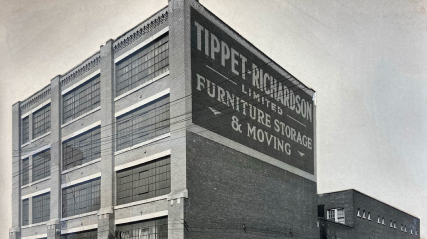
Our team at Tippet Richardson can help you think through the relationship between pickup, freight, storage, and final delivery as one residential move. The company’s long history, dating back to 1927, is most useful when careful planning and communication matter more than a simple point-to-point collection.
When assessing international moving services for an Auckland relocation, ask who will coordinate the stages, how changes will be communicated, and what information is needed before the shipment is released for delivery. Those questions often reveal more about the quality of the service than a broad statement about worldwide coverage.
Speak With An Expert About Your Auckland Arrival Plan [Speak With An Expert]
Wrapping Up
Moving from Toronto to Auckland involves more than shipping household goods across the Pacific. You need a realistic inventory, a suitable sea or air freight plan, careful packing, accurate customs and biosecurity information, and a destination plan that accounts for Auckland access and possible storage.
For many households, the most practical approach is a main sea shipment supported by a smaller air shipment for urgent essentials. Others may choose shared-container service, storage, or a reduced inventory after comparing volume and timing. The correct decision depends on your household, accommodation, budget, and tolerance for waiting.
Start early, disclose unusual items, clean outdoor goods thoroughly, and ask for a quotation that explains the complete service scope. Tippet Richardson can help you assess the move from Toronto through to the Auckland delivery stage, with the careful planning expected from a company serving Canadian households since 1927. A well-defined plan will not remove every variable, but it will give you a clearer budget, better timing expectations, and greater confidence in the next step.