- Moving from Toronto to Wellington requires early planning for packing, freight, customs, biosecurity, and delivery access.
- Sea freight is usually the practical choice for a full household, while air freight suits urgent or smaller shipments.
- FCL and LCL shipping offer different trade-offs in privacy, cost, space, and handling.
- New Zealand’s customs and biosecurity controls make accurate inventories and clean belongings essential.
- A detailed moving plan and experienced international mover can reduce surprises from Toronto collection through Wellington delivery.
Moving from Toronto to Wellington is best managed as a connected international move rather than a simple shipment of boxes. You need to prepare your household goods in Toronto, choose suitable freight, meet New Zealand import and biosecurity requirements, and plan for delivery into Wellington’s varied residential areas.
This guide explains how to organise the journey, what affects the Toronto to Wellington moving cost, how sea and air freight compare, and what to expect when your belongings arrive in New Zealand. It also covers Wellington-specific access issues, storage, furniture decisions, and the questions worth asking before choosing an international moving company.
Planning Your Move From Toronto to Wellington
A successful move begins well before the packing crew arrives. The earlier you establish your likely volume, destination address, preferred arrival window, and household priorities, the more accurately you can compare transport options and prepare for decisions that may otherwise arise under pressure.
Start With a Household-Goods Assessment
Begin by separating your belongings into four groups: essential items for the first weeks, items to ship by sea, items that may justify air freight, and items that are better sold, donated, recycled, or replaced in New Zealand. This is particularly useful when moving from a larger Toronto home into a smaller Wellington property.
Furniture that is costly, well made, difficult to replace, or important to your household may be worth shipping. Low-cost bulky furniture often deserves a closer comparison because freight charges are affected by volume, not only by purchase price. A sofa that occupies a large amount of container space can have a meaningful effect on the final price even when its resale value is modest.
Measure large furniture and check its condition before committing it to the shipment. Note whether it can be dismantled, whether it has glass or delicate finishes, and whether it will fit through the likely entrances at your Wellington home.
Build a Useful Inventory
An inventory should identify what is being shipped, how many pieces there are, and whether an item is fragile, valuable, powered, wooden, upholstered, or potentially subject to inspection. Avoid vague descriptions such as “miscellaneous kitchen items”. A clearer description helps with packing records, valuation discussions, customs paperwork, and destination delivery.
Photograph valuable or distinctive items before packing. Keep copies of the inventory and photographs in a secure digital folder, separate from the shipment. You should also retain receipts or other ownership records for items where value, age, or provenance may matter.
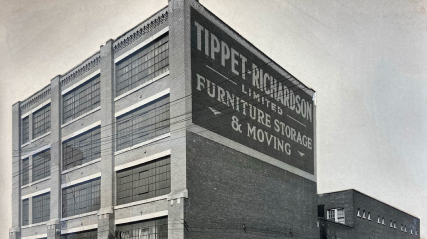
At Tippet Richardson, our planning conversations are designed to identify the practical details that affect an international household move, including volume, access, packing requirements, storage, and the level of coordination you want from your moving team.
Establish Your Timing Priorities
Your ideal collection date and your required delivery date are not always the same thing. International freight involves several stages, and the final timing can be influenced by sailing schedules, trans-shipment, port activity, customs processing, biosecurity inspection, document completeness, and delivery access.
If you are starting a new job or tenancy in Wellington, arrange a short-term plan for essential clothing, medication, documents, work equipment, and other immediate needs. Do not rely on your sea shipment for items you cannot comfortably be without during the full journey.
Toronto to Wellington movers should be able to explain which dates are firm, which are estimates, and which events depend on third parties. That distinction is more useful than a single optimistic delivery date.
Choosing Sea or Air Freight for Household Goods
The right freight method depends on urgency, shipment size, budget, and how much flexibility you have after leaving Canada. Most households use sea freight for the main shipment and reserve air freight for a smaller group of essentials, but a different balance may suit your circumstances.
When Sea Freight Is the Practical Choice
Sea freight is generally suited to furniture, appliances, books, clothing, kitchenware, and other household goods that can travel over a longer planning window. It normally offers more space at a lower cost per unit of volume than air freight, although the total cost still depends on packing, collection, documentation, handling, destination charges, and delivery requirements.
Sea freight is not simply a matter of placing household goods on a vessel. Your belongings must be packed, measured, documented, loaded, transported, unloaded, and prepared for delivery. A move may also involve additional handling if the shipment is consolidated or requires inspection.
For a family relocating permanently, sea freight can make sense when replacing furniture and household goods in Wellington would cost more than shipping existing belongings. For a temporary assignment, a smaller shipment may be more appropriate if you do not yet know the size or furnishing of your long-term home.
Read also: Moving from Toronto to Auckland: International Moving Guide
When Air Freight May Be Worthwhile
Air freight is best considered for items that are genuinely time-sensitive, lightweight, or difficult to manage without. Examples may include essential clothing, children’s items, work materials, important personal effects, or a limited quantity of household goods needed soon after arrival.
Because air freight is charged differently from sea freight and has stricter practical limits, it is rarely the most economical way to move a complete home. Sending too much by air can increase the total cost quickly. A better approach is often to identify a carefully controlled air shipment and send the remainder by sea.
Understanding FCL and LCL
FCL means a full container load. It may be suitable when your household goods fill a container or when you prefer your shipment to remain within one container for the main ocean journey. The available container size and suitability depend on the shipment assessment and the route.
LCL means less than a container load. Your goods share container space with other shipments. This can suit smaller household moves, but it may involve additional handling at consolidation and destination facilities. The lower space requirement does not automatically mean every LCL shipment will be cheaper, because minimum charges and handling costs can apply.
The decision should be based on measured volume and the complete service scope, not on the transport label alone. Ask whether the estimate covers packing, origin collection, export preparation, ocean transport, destination handling, customs-related assistance, biosecurity-related costs where applicable, and final delivery.
A written comparison between FCL, LCL, and a combined sea-and-air plan is often the clearest way to choose. At Tippet Richardson, we can discuss the advantages and limitations of each approach in relation to your household and intended Wellington address.
Packing, Documentation, Customs, and Biosecurity
New Zealand has strict controls designed to protect its environment and agriculture. Careful packing and honest documentation are therefore central to moving household goods to Wellington. Items that appear harmless in Canada can require attention if they contain soil, plant material, untreated wood, food residue, or animal-related material.
Prepare Belongings Before Packing
Clean outdoor and recreational equipment thoroughly before it enters the shipment. This includes bicycles, camping equipment, sports gear, garden tools, golf equipment, boots, and items that have been used in soil, mud, freshwater, or outdoor environments. Dirt in treads, seams, hollow sections, and tool surfaces can create an inspection concern.
Wooden items need particular care. Crates, ornaments, furniture, tools, and packing materials may need to meet New Zealand’s requirements depending on their construction and condition. Do not assume that a decorative wooden item is acceptable simply because it is part of a household shipment.
Food, seeds, plant products, animal products, medications, chemicals, and cleaning products should be reviewed before packing. Requirements can change by item and circumstance, so confirm current rules through official New Zealand sources and disclose anything uncertain to your mover before collection.
Pack for a Long Journey
International packing requires more than putting items into larger cartons. Professional packers consider movement, compression, moisture exposure, stacking, vibration, and repeated handling. Fragile pieces should be wrapped and protected according to their material and shape, while furniture may need coverings, padding, dismantling, or custom protection.
Keep passports, identity documents, financial records, medication, keys, jewellery, irreplaceable photographs, and other immediate essentials out of the main shipment unless you have specifically confirmed the arrangement. Items that are prohibited, restricted, exceptionally fragile, or needed during the journey should be discussed before packing day.
Customs and Biosecurity Records
Your inventory should be complete and truthful. Customs and biosecurity authorities may inspect shipments, and inaccurate descriptions can cause delays, additional charges, or the need for treatment, removal, or disposal of affected items. No international mover can guarantee that an authority will clear every item without inspection.
The exact documents required can vary with your personal circumstances, shipment type, and import status. Your moving company should tell you what information it needs and where you remain responsible for declarations, approvals, or decisions made by New Zealand authorities.
If you are unsure about a particular item, raise it early. Discovering a restricted or contaminated item after the shipment has left Toronto gives you fewer practical options.
What Happens When Your Belongings Reach Wellington?
Arrival in Wellington is not the final step. Your shipment may need to pass through destination handling, customs and biosecurity processes, unpacking or delivery arrangements, and local access planning before it reaches your home. Allowing for these stages helps you plan your first days more realistically.
Wellington Access Can Affect Delivery
Wellington includes central apartments, hillside streets, older houses, narrow driveways, shared access lanes, and suburban properties with steps or limited parking. Some homes are exposed to steep approaches or tight turning areas. In the central city, building rules, loading zones, lift bookings, street restrictions, and concierge procedures may affect the delivery plan.
Tell your moving coordinator about the building, floor, lift dimensions, parking arrangements, stairs, driveway slope, and any access restriction as soon as you know them. If you are moving into a rented property, ask the landlord or property manager what delivery rules apply. A delivery vehicle may not be able to wait indefinitely on a busy street, and an unreserved lift can disrupt an otherwise well-planned move.
Wellington’s weather is another practical consideration. Wind and rain can affect outdoor handling, fragile items, and the safe movement of large furniture. A building entrance that looks straightforward during a viewing may be more difficult when access is exposed or shared.
Delivery, Unpacking, and Storage
Decide in advance whether you need placement of furniture, unpacking, removal of packing materials, or storage. Your requirements may change if your Wellington home is not ready, your settlement date moves, or your shipment arrives before your long-term accommodation is available.
Storage can be useful at either end of the move. In Toronto, it may allow you to vacate a property before the international shipment is ready. In New Zealand, destination storage may provide breathing room while you secure housing or resolve an arrival date. Confirm the storage location, access arrangements, charges, protection, and release process in the quotation rather than assuming storage is automatically included.
Read also: Moving from Toronto to Christchurch: International Moving Guide
Managing Furniture in a Wellington Home
Measure doorways, stairwells, lifts, and rooms before shipping large pieces. A valuable dining table is still a poor shipment choice if it cannot enter the property without specialist handling or structural changes. Where measurements are unavailable, discuss the uncertainty with your mover and consider whether the item should be dismantled, shipped later, stored, or replaced.
Our team at Tippet Richardson can help you think through the connection between origin packing, freight selection, destination delivery, and storage. The goal is not simply to send everything; it is to deliver the right belongings safely and in a form that works for your new home.
Toronto to Wellington Moving Cost and Planning Timeline
There is no reliable single price for moving from Toronto to Wellington without assessing the shipment and service requirements. A useful estimate explains the factors behind the price and identifies assumptions that could change it.
What Affects the Cost?
The largest cost drivers usually include shipment volume or weight, packing requirements, freight method, collection and delivery access, origin and destination handling, storage, insurance or valuation choices, customs-related services, and any inspection, treatment, or special handling that becomes necessary.
The following comparison shows why two households moving from the same city to the same destination can receive different estimates:
| Cost Factor | Why It Matters |
|---|---|
| Shipment Size | More cubic volume can require more packing materials, labour, and freight space. |
| Sea or Air Freight | Air transport is generally selected for urgency or small shipments, while sea freight suits larger, non-urgent consignments. |
| FCL or LCL | Full-container and shared-consolidation shipments can have different handling and space charges. |
| Access Conditions | Stairs, long carries, lifts, parking, and restricted streets can add labour or planning requirements. |
| Storage | Storage duration, location, handling, and release arrangements can affect the total cost. |
| Inspection or Treatment | Authorities may require additional action for certain goods or contamination concerns. |
Ask whether the quotation is based on an in-home survey, a video assessment, photographs, or an estimated inventory. A more detailed assessment usually produces a more useful planning figure, although final charges can still depend on information or events outside the mover’s control.
You may like: Moving from Toronto to Hamilton, New Zealand: International Moving Guide
An Indicative Planning Timeline
Start planning roughly three to six months before your preferred collection date when circumstances allow. Earlier preparation is sensible for a large household, a fixed tenancy end date, complex furniture, storage, pets or vehicles handled through separate processes, or items requiring clarification.
Around eight to twelve weeks before collection, reduce the shipment, confirm your likely residence and access details, review restricted items, and arrange the information needed for an accurate quotation. Several weeks before packing, finalise what is travelling, separate essentials, and complete cleaning of outdoor equipment.
During the final weeks, confirm the packing schedule, documents, contact details, storage plan, and arrangements at both addresses. After collection, maintain realistic expectations: freight movement, port activity, customs, biosecurity, and final delivery can each affect the overall sequence.
The timeline is indicative rather than guaranteed. Your international mover should explain the points at which timing depends on a carrier, authority, port, building, or third-party provider.
Wrapping Up
Moving from Toronto to Wellington becomes more manageable when you treat it as a series of connected decisions: what to take, how to protect it, which freight method fits, what must be declared, where it will be stored if necessary, and how it will enter your Wellington home. Early preparation is especially valuable for furniture, outdoor equipment, restricted goods, apartment access, and household items that are difficult to replace.
If you are comparing a Toronto to Wellington moving company, look beyond a headline price. Ask for a clear explanation of packing, freight, destination handling, storage, documentation support, access assumptions, and possible third-party charges. Tippet Richardson has been helping customers plan and manage moves for nearly a century, with services designed around the practical details of residential relocation.
For a broader overview of planning a household move to New Zealand, visit Tippet Richardson’s [New Zealand international moving services](https://tr1927.com/). A detailed conversation about your inventory, timing, and Wellington delivery address is the best next step towards a realistic moving plan.