- Moving from Toronto to Nelson usually involves household-goods packing, international freight, New Zealand clearance, biosecurity checks, and final delivery.
- Sea freight generally suits a full household, while air freight is better for urgent or smaller shipments.
- Clean, dry, well-documented belongings are easier to assess during New Zealand biosecurity inspection.
- Your Toronto to Nelson moving cost depends on volume, freight method, access, services, season, and destination requirements.
- A detailed inventory and early planning help you decide what to ship, store, sell, replace, or leave behind.
Moving from Toronto to Nelson is manageable when your household goods are planned as an international shipment rather than treated like a standard local move. The process normally includes careful packing in Toronto, sea or air freight, customs and biosecurity requirements, destination delivery, and possibly storage before your home is ready.
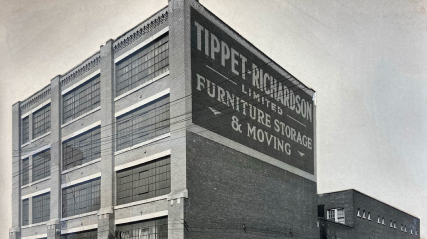
Nelson offers a different pace and setting from Toronto, but the move still involves practical decisions about furniture, appliances, personal belongings, shipping dates, access, and the condition of items before inspection. This guide explains how to prepare, compare freight options, control avoidable costs, and work with international moving services such as Tippet Richardson when you need support from origin through destination.
Moving From Toronto to Nelson: How the Process Works
A move from Toronto to Nelson generally follows a sequence of connected steps: assessment, planning, packing, export preparation, international transport, New Zealand clearance, and delivery. Understanding that sequence early helps prevent rushed decisions, especially when your arrival date and housing availability are not perfectly aligned.
Start With a Proper Household Assessment
The first useful step is to create a realistic inventory of what you may take. A professional assessment should consider the number of rooms, approximate volume, large or fragile items, outdoor equipment, vehicles if relevant, access at both addresses, and whether anything will require special handling.
Do not wait until packing day to make major decisions. A piano, large sectional sofa, workshop equipment, bicycles, sporting goods, garden tools, and children’s outdoor items can affect both the shipment volume and the inspection preparation required. Photographs can also help record condition before the move.
At Tippet Richardson, our coordinators use the inventory and your plans to help distinguish between what needs to travel immediately and what may be better stored, sold, donated, or replaced after arrival. That distinction is particularly important when moving household goods to Nelson, where the cost of transporting bulky, lower-value items may outweigh their replacement value.
Build the Move Around Your Housing and Travel Dates
Your personal travel date and your household-goods delivery date may not be the same. Sea freight takes longer than air freight, and clearance or delivery arrangements can vary according to the shipment, documents, inspections, port activity, and the receiving address.
If you will rent temporarily in Nelson, ask whether the property can accept a shipment of your expected size. If your permanent home is not ready, arrange a storage plan before the goods leave Toronto. It is easier to make this decision while your shipment is being prepared than after it has arrived and needs a place immediately.
Nelson addresses can involve driveways, narrow approaches, stairs, apartment access, or limited room for a delivery vehicle. Provide accurate information about the destination, including building access and any restrictions known to you. A delivery plan based on an incorrect address or incomplete access details can create avoidable delays and extra handling.
What Tippet Richardson Can Coordinate
International moving services may include planning, professional packing, shipment preparation, freight arrangements, documentation support, destination coordination, and storage where appropriate. The exact scope should be confirmed for your individual move and destination.
For a household moving from Toronto to Nelson, the most useful arrangement is one that makes responsibility clear at each stage. Ask who is packing, who is preparing the inventory, who will coordinate the international transport, who will guide you through the required documents, and how destination delivery will be arranged.
What Should You Ship From Toronto to Nelson?
The best shipment is not necessarily the largest one. Before committing every household item to international transport, compare each item’s usefulness, replacement cost, sentimental value, condition, size, and inspection risk. This is where experienced advice can make a noticeable difference to both cost and disruption.
Use a Ship, Store, Sell, or Replace Decision
For each larger item, ask four questions: Will it suit the new home? Is it economical to transport? Is it clean and in acceptable condition for inspection? Would replacing it in Nelson be simpler?
Furniture that fits a familiar room layout and has strong sentimental value may be worth shipping even when it is not the cheapest option. In contrast, inexpensive flat-pack furniture, worn outdoor items, heavily soiled equipment, and bulky appliances that may not suit local electrical requirements deserve closer review.
When moving to New Zealand from Toronto, you should also check whether appliances are compatible with New Zealand’s electrical system before deciding to ship them. A professional mover can identify items for further review, but electrical compatibility, warranties, and local product requirements should be confirmed before transport.
Items That Need Extra Preparation
New Zealand’s biosecurity controls are an important consideration. Soil, plant material, seeds, food, animal products, untreated wood, outdoor equipment, camping gear, bicycles, sports equipment, and items used in gardens or on farms may require declaration, cleaning, inspection, treatment, or may be restricted.
Requirements can change according to the type and condition of an item. Do not assume that an item is acceptable simply because it has been packed before. A muddy bicycle, tent, golf club, hiking boot, garden tool, or child’s outdoor toy may attract attention if soil, seeds, or organic material remains attached.
Prepare these belongings before packing by removing visible dirt, checking seams and wheels, cleaning tools and equipment thoroughly, and allowing damp items to dry completely. Keep questionable items visible in the inventory and ask for current guidance rather than concealing them in a carton.
Documents, Valuables, and Essentials
Keep passports, identity documents, medication, financial records, jewellery, irreplaceable photographs, and essential electronics with you where possible, subject to travel rules and insurance arrangements. Do not place items you need during the first weeks in a shipment that may take longer to arrive.
Prepare a separate arrival kit with clothing, toiletries, basic cooking items, chargers, important papers, and a small amount of familiar household equipment. This reduces pressure to open cartons immediately and gives you flexibility if your shipment is still undergoing clearance or delivery planning.
Your inventory should describe the contents accurately enough for identification and assessment. Avoid vague descriptions such as “miscellaneous” for valuable or unusual items. Keep copies of the inventory, photographs, estimates, and correspondence in a secure digital folder.
Decide Whether Storage Is Part of the Plan
Storage can be useful when a property completion date is uncertain, family circumstances may change, or you want time to decide what belongs in the new home. However, storage adds handling and ongoing charges, so it should be a deliberate choice rather than an automatic fallback.
Ask whether storage services is needed in Toronto before export, at an intermediate stage, or in New Zealand after arrival. Confirm the expected period, access arrangements, protection offered, and how the goods will be released for delivery. The available options and terms should be confirmed for your shipment.
What you ship determines much of your eventual Toronto to Nelson moving cost. Reducing volume before packing is often more effective than trying to reduce costs after the shipment has been booked.
You may also like: Moving from Toronto to Rotorua: International Moving Guide
Sea Freight, Air Freight, and Toronto to Nelson Shipping Costs
The right freight method depends on how much you are moving, how quickly you need particular items, and how much flexibility you have around arrival. There is no single Toronto to Nelson shipping option that suits every household.
When Sea Freight Usually Makes Sense
Sea freight is commonly considered for a substantial household shipment because it can accommodate more volume than air freight. It is generally the practical option for furniture, multiple rooms, and a planned relocation where you can manage a longer waiting period.
The shipment may be arranged as part of a shared container or another freight format, depending on the provider, volume, schedule, and destination plan. The choice can affect the time, handling, and price structure, so ask for an explanation of the proposed method rather than comparing only a headline estimate.
Sea freight requires patience. The overall period includes packing, collection, export preparation, transport, arrival procedures, clearance, and delivery. Exact timing can vary, so avoid booking important appointments or ending your accommodation based solely on an assumed arrival date.
When Air Freight May Be Worth Considering
Air freight is more suitable for urgent essentials, a small shipment, or a limited quantity of high-priority belongings. It can be useful when you need certain items before a larger sea shipment arrives, although the price per unit of volume is usually higher.
A mixed approach may be sensible: take essentials with you, send a small priority shipment by air, and send the main household by sea. The extra coordination is worthwhile only if the items in the priority shipment genuinely matter during the early stage of your move.
What Affects the Cost
A Toronto to Nelson moving cost estimate can be affected by shipment volume, packing requirements, collection and delivery access, freight method, storage, insurance or valuation arrangements, customs-related services, biosecurity preparation, destination handling, and the season in which the move takes place.
The cheapest estimate may not be the best comparison if it excludes packing, destination delivery, stairs, long carries, storage, special handling, or other services you will eventually need. Ask for a written explanation of inclusions, exclusions, assumptions, and possible charges that depend on inspection or access.
A useful quotation should make clear whether the estimate is based on measured volume or an early approximation. It should also identify the information you still need to provide. If your inventory changes substantially after the quote, the price and planning may need to be reviewed.
How to Compare Quotes Properly
Compare like with like. Check the number of rooms or estimated volume, packing level, insurance or protection arrangements, collection details, freight method, destination services, storage period, and any conditions that could change the estimate.
Ask these practical questions before choosing a Toronto to Nelson moving company:
- Who will manage communication before collection and after arrival?
- Which parts of packing, customs preparation, delivery, and storage are included?
- What happens if an item is selected for inspection, cleaning, treatment, or removal?
Tippet Richardson can help you assess the shipment as a complete move rather than focusing only on the initial collection. That approach makes the comparison more useful and helps identify gaps before your household is packed.
How Do Customs and Biosecurity Affect Moving to Nelson?
Customs and biosecurity are central parts of moving household goods to New Zealand. They are not administrative details to leave until the shipment is already in transit. Accurate information, honest declarations, clean belongings, and organised records help authorities and moving specialists assess the shipment correctly.
Prepare Accurate Information Before Packing
Make a room-by-room inventory before packing begins. Identify materials and uses where relevant, especially for outdoor goods, food, wooden items, tools, animal-related belongings, and equipment that may have contacted soil or water.
Do not pack prohibited or questionable items without checking current requirements. New Zealand’s rules can vary by item and can change over time. Official guidance should be checked before packing, and any uncertainty should be raised with your moving coordinator.
Keep original information for valuable goods where available, such as receipts, photographs, serial numbers, or proof of ownership. These records can help distinguish personal household belongings from newly purchased goods and support your own insurance or valuation records.
Clean, Dry, and Accessible Items Properly
Biosecurity preparation is more than wiping the outside of a carton. Outdoor items need attention to soles, wheels, joints, seams, pockets, undersides, and storage compartments. Soil and organic matter can remain in places that are easy to miss.
Clean equipment before the packers arrive and let it dry fully. If an item cannot be cleaned adequately, identify it clearly and discuss it before it enters the shipment. Packing a questionable item in the middle of a sealed load makes the later process more difficult.
Wooden furniture, baskets, ornaments, tools, and packing materials may require particular attention depending on their construction and condition. Do not strip or alter items unnecessarily; instead, ask how they should be presented and recorded.
What May Happen During Inspection
A shipment may be reviewed by the relevant New Zealand authorities. Authorities may release items, require additional assessment, request cleaning or treatment, or determine that an item cannot enter. The outcome depends on the item, its condition, the applicable rules, and the decision of the responsible authority.
A professional international mover can help you prepare information and coordinate communication, but cannot guarantee an inspection outcome. You should budget time and maintain flexibility in case an item requires extra attention before delivery.
Keep The Destination Plan Flexible
Clearance and biosecurity decisions can affect when the shipment is ready for delivery. For this reason, avoid scheduling a tightly packed first week in Nelson around an unconfirmed delivery date. If you need furniture by a specific date, discuss priority items and alternative arrangements early.
Tippet Richardson’s international moving team can guide you through the preparation of household goods, but current official requirements remain the authority for admissibility and inspection decisions. A careful mover will help you identify questions rather than suggesting that every shipment will follow the same path.
Planning Delivery, Storage, and Arrival in Nelson
The move is not complete when the shipment reaches New Zealand. Destination delivery requires the same level of preparation as collection in Toronto, particularly if you are moving into a rental, apartment, hillside property, or home with restricted access.
Confirm The Delivery Address Early
Provide the full address as soon as it is known and update it if your housing changes. Include the suburb, property type, entrance details, stairs, lift information, driveway limitations, parking conditions, and any time restrictions.
Nelson and surrounding areas can include homes with different approaches and access conditions. A delivery vehicle may not be able to stop directly at the entrance, or a long carry may be needed. Accurate information helps the destination team plan the appropriate crew, equipment, and arrival arrangement.
If you are moving into an apartment or managed building, confirm whether a lift booking, loading area reservation, proof of insurance, or restricted delivery window applies. These requirements should be checked with the property manager rather than assumed.
Decide What Happens If The Home Is Not Ready
A delayed possession date, renovation, tenancy change, or temporary accommodation can leave you between addresses. Discuss storage before the shipment arrives. You may need a short-term arrangement in New Zealand, additional delivery coordination, or a revised address.
Storage is also useful when you want to stage a household gradually. For example, you may send most furniture to storage while taking delivery of clothing, kitchen basics, and children’s belongings first, subject to the available service and shipment arrangements.
Ask how stored goods are inventoried, protected, accessed, and released. Confirm whether delivery from storage is included or arranged separately. These details affect both convenience and the final cost.
Plan For The First Days After Delivery
Prepare rooms before the crew arrives. Clear pathways, protect floors where needed, and decide where major furniture should go. If the home is still being painted or renovated, tell the delivery team before unloading begins.
Keep an inventory copy available so cartons can be placed in the correct rooms and missing or damaged items can be identified promptly. Open cartons containing essential documents, medication, work equipment, and basic kitchen supplies first.
A thoughtful delivery plan reduces unnecessary rehandling. It also helps you identify any issue while the shipment and delivery records are readily available.
You may also like: Moving from Toronto to Palmerston North: International Moving Guide
Use The Right Level Of Support
Some customers need packing only, while others want a more complete international moving service that includes preparation, transport coordination, storage, and destination delivery. The right choice depends on your time, the complexity of your belongings, and how comfortable you are managing multiple stages yourself.
Tippet Richardson has supported moving families and households since 1927. For a move to Nelson, that experience is most valuable when it is applied to the details: an accurate inventory, realistic timing, careful preparation, clear communication, and a destination plan that reflects your actual home.
The relevant international moving services to New Zealand should be reviewed alongside your inventory and preferred timing so that the proposed service matches your move rather than relying on a standard package.
Wrapping Up
Moving from Toronto to Nelson is easiest to manage when you make key decisions before packing begins. Decide what is worth shipping, clean and document items that may be inspected, select sea or air freight according to your priorities, and plan for customs, biosecurity, storage, and destination access rather than treating them as afterthoughts.
Your Toronto to Nelson moving cost will depend on the full scope of the shipment, not just the number of boxes. A clear inventory and honest discussion about timing, access, special items, and storage will produce a more useful estimate and reduce surprises later.
If you are comparing Toronto to Nelson movers, look for a team that explains the process clearly, identifies information still required, and remains involved across the stages that matter to your household. Tippet Richardson nearly century-long history in moving provides a solid foundation for careful planning, while your specific shipment still deserves an individual assessment.
Begin by preparing your inventory and preferred dates. Then request a detailed review of your household goods and ask which international moving services are appropriate for your move to Nelson.