- Moving from Toronto to Palmerston North is best planned as a residential international move with early attention to inventory, freight choice, customs and biosecurity.
- Sea freight usually suits a larger household shipment, while air freight is better for urgent essentials and smaller consignments.
- Clean, well-documented household goods reduce the risk of delays during New Zealand’s border and biosecurity checks.
- Your delivery plan should account for Palmerston North access, temporary accommodation, storage, rural roads and the timing of your new home.
- A detailed quote should separate packing, transport, destination services, storage, duties or taxes where applicable, and other possible charges.
Moving from Toronto to Palmerston North is a major residential move, and the most reliable approach is to plan your shipment, paperwork, freight method and New Zealand delivery arrangements together. This guide explains how to prepare household goods, compare sea and air freight, navigate customs and biosecurity requirements, estimate the factors behind cost, and choose questions to ask an international mover.
Planning Your Moving from Toronto to Palmerston North
A successful move begins well before anything is packed. Toronto and Palmerston North are separated by a long international route, so decisions made during the survey and inventory stage can affect freight space, paperwork, delivery timing and the amount you ultimately spend.
Start With Your New Zealand Move Date
Work backwards from the date you expect to have a home available in Palmerston North. That date may not be the same as your arrival date. You may need temporary accommodation, time to complete a tenancy or purchase, or a period of storage while your shipment is cleared and delivered.
International household shipments are commonly planned in stages: survey and quotation, sorting, packing, export preparation, freight movement, arrival processing and delivery. The exact timing depends on the shipping method, sailing or flight schedules, border requirements, documentation, seasonal demand and the details of your consignment. A mover should explain the assumptions behind any estimated schedule rather than present an arrival date as certain.
If your departure date is fixed, such as the end of a lease or a new employment start date, tell the mover at the beginning. That helps the team assess whether your main shipment, an air shipment of essentials or storage may be appropriate.
Build a Practical Household Inventory
The best inventory is not simply a list of boxes. It should help you decide what deserves international move and give the mover enough information to prepare a realistic quotation. Record major furniture, appliances, electronics, sporting equipment, tools, artwork, musical instruments and fragile or high-value items.
For each item, consider its replacement cost, sentimental importance, condition, size, weight and likely usefulness in Palmerston North. A large inexpensive item may cost more to transport than to replace, while a compact family heirloom may be worth shipping despite its special packing requirements.
Separate belongings into four groups: ship, carry with you, store and sell or donate. Keep passports, identity documents, medication, valuables, important records and several days of clothing with you rather than placing them in the main household shipment.
Plan Around Your Housing Situation
A delivery address in central Palmerston North may have different access conditions from a property on the edge of the city or in a surrounding rural area. Before booking delivery, confirm the address, parking, driveway width, overhead restrictions, stairs, road conditions and whether a large vehicle can reach the property safely.
When moving to New Zealand from Toronto, if your home is not ready, ask about storage at origin, storage in New Zealand, or delivery in stages. Storage can protect your belongings from being sent to an unsuitable address, but it adds handling and holding charges, so it should be included in the quotation and schedule from the beginning.
Choosing What to Ship and How to Prepare It
The contents of your shipment influence nearly every part of the move. Good preparation reduces volume, protects your belongings and makes border inspection more straightforward. It also prevents the common mistake of discovering too late that a packed item needs special treatment or should not have been included.
What Usually Makes Sense to Ship
Furniture that fits your new home, well-made household goods, personal effects and items that would be difficult or expensive to replace may be sensible candidates. This is especially true for belongings with strong sentimental value or those that suit the size and layout of your destination property.
Be more selective with bulky, low-value items, older appliances, worn flat-pack furniture and goods that may not suit your new home. Check electrical compatibility before shipping appliances. New Zealand uses a different electrical system and plug configuration from Canada, so an appliance may require suitable conversion, may not be practical to use, or may not be worth transporting.
Food, plants, soil-contaminated equipment, outdoor items, untreated wood and animal-related goods deserve particular caution. Rules can change according to the item and its condition. Ask your mover for current guidance and check official New Zealand requirements before packing anything that could raise biosecurity concerns.
Prepare Items Before Packing
Cleanliness matters. Outdoor furniture, bicycles, camping equipment, garden tools, sports gear, boots and vacuum cleaners should be free of soil, seeds, insects and other organic material. A clean item is easier to inspect than one with mud or plant residue, and it is less likely to require treatment or create a border delay.
Do not pack restricted or uncertain goods without declaring them. Concealing a questionable item can create more difficulty than removing it before packing. Give the moving team a full description, including materials, use and condition, when you are unsure.
Photograph valuable, unusual or delicate belongings before packing. Keep copies of purchase records, appraisals or ownership documents where available. These records help identify items and support discussions about valuation or transit protection, subject to the mover’s terms and the coverage selected.
Use Professional Packing Where Risk Justifies It
Long-distance international transport exposes belongings to repeated handling, movement and changes in the transport environment. Professional packing is particularly useful for glass, artwork, antiques, mirrors, electronics, instruments, stone, fine furniture and items with unusual shapes.
A proper packing plan does more than add paper and cartons. It matches the packing method to the item, records the contents, protects vulnerable surfaces and helps the shipment remain organised during loading and delivery. Owner-packed cartons may be acceptable in some arrangements, but ask how they affect responsibility, valuation or claims before choosing that option.
At Tippet Richardson, the useful conversation is not simply how many cartons you have. It is which belongings are travelling, how they need to be protected, what information must be recorded and where they will be placed when they arrive in Palmerston North.
Sea Freight, Air Freight and the International Moving Process
The choice between sea and air freight is usually a balance between volume, urgency, cost and flexibility. Neither option is automatically right for every household. A good recommendation should reflect what you need on arrival rather than rely on a standard package.
When Sea Freight Is the Practical Choice
Sea freight is generally considered for a larger household shipment because it can accommodate substantially more volume than air freight. It is often suitable when you are sending furniture and most of your household goods and can manage without them for the period required for packing, export handling, ocean transport, arrival processing and delivery.
The quotation should make clear whether your shipment is being planned as a shared container arrangement or another type of service, where applicable. The final method can affect how goods are measured, handled and delivered. Ask which stages are included and which destination charges may be payable separately.
Sea freight is not the same as a guaranteed door-to-door date. Sailing schedules, port activity, inspections, documentation, weather and delivery arrangements can affect timing. Leave room between the expected shipment arrival and important commitments such as starting work or hosting family.
When Air Freight May Help
Air freight can suit a small consignment or a carefully selected group of essentials needed soon after arrival. Examples may include work clothing, school items, basic kitchen goods, documents that should not travel in checked baggage, or a limited set of personal belongings.
Because air freight is priced by weight and volume, it is rarely sensible for a full household unless urgency is more important than cost. Many families use a combined approach: travel with immediate essentials, send a small air shipment if needed, and move the remaining household goods by sea.
Ask the mover to compare the options using your actual inventory. A useful comparison should explain what changes in price, expected timing, handling, delivery arrangements and the number of belongings included.
Understand Each Stage of the Shipment
Your international move will normally involve more than collection and delivery. The process may include an in-home survey, packing, origin collection, export documentation, freight booking, transport, arrival handling, customs and biosecurity review, release, local delivery and unpacking or debris removal if included in the service agreement.
Responsibilities can change at the border. Confirm who prepares documents, who communicates with you if an authority requests more information, and which charges are outside the mover’s quoted service. Customs or biosecurity authorities make their own decisions, so no responsible mover should promise that every item will be released without inspection, treatment or further information.
Compare the main New Zealand service information from Tippet Richardson with your quotation so you understand how residential international moving support applies to your circumstances.
Customs, Biosecurity and Arrival Preparation
New Zealand applies strict border and biosecurity controls to protect its environment, agriculture and economy. For a household moving from Toronto, the safest approach is complete disclosure, accurate paperwork and careful cleaning before the packing team arrives.
Prepare an Accurate Inventory and Declaration
The inventory should describe the contents clearly enough for the shipment to be identified and assessed. Vague descriptions such as “miscellaneous items” are less useful than specific descriptions of household goods, tools, sporting equipment or outdoor items.
Tell the mover about anything made from wood, plant material, animal material or soil-exposed equipment. Include food, medicines, firearms or weapons where relevant, alcohol, chemicals, batteries and other goods that may have separate requirements. The applicable rules depend on the item, quantity, condition and current New Zealand requirements, so verify uncertain goods before they are packed.
Keep copies of your inventory and supporting documents. If an item has a serial number, model number or photograph, record it before it enters the shipment. This is especially helpful when several similar cartons are being handled.
Expect Inspection and Possible Extra Handling
Border agencies may inspect a shipment. An inspection does not necessarily mean something is wrong, but it can add time or charges if goods need cleaning, treatment, removal or additional assessment. Outdoor goods are common sources of questions because soil and organic residue can be difficult to see once items are loaded.
Do not rely on a general internet list of permitted items as a final decision for your shipment. Requirements can change, and a product that is acceptable in one condition may require treatment in another. Ask your mover what information is needed and check official New Zealand guidance for goods that may be restricted or inspected.
Keep Arrival Documents Accessible
Carry your identity and immigration documents, address details, contact information and any paperwork needed for your move. Do not place irreplaceable documents or essentials in the freight shipment. If your delivery address is not final, tell the mover early and agree how updates will be managed.
The clearer your information, the easier it is for the moving team to coordinate the next step when the shipment becomes available. If you expect to be away from Palmerston North during the arrival period, nominate a suitable contact and confirm whether they can receive the shipment on your behalf.
You may also like: Moving from Toronto to Nelson: International Moving Guide
Delivery, Storage and Settling In Around Palmerston North
Destination delivery is where an international move becomes part of your everyday life. The best plan considers the property, the surrounding streets, the timing of your arrival and what happens if your home is not ready when the shipment is released.
Prepare the Delivery Address
Before confirming delivery, check whether the road and property can accommodate the planned vehicle. Palmerston North has a mix of established urban neighbourhoods, newer residential areas and properties outside the central city. Access may involve narrow drives, low branches, soft ground, limited parking, stairs or a longer carry from the vehicle to the entrance.
If the home is in an apartment or managed building, confirm booking requirements, loading areas, lift access and any move-in rules. If it is a detached home, identify where the vehicle can stand without blocking neighbours or damaging the driveway. Send updated access information to the mover rather than assuming the details from the original quotation remain unchanged.
A delivery may need to be adjusted if a road restriction, driveway condition or property access issue makes the original plan unsuitable. Raising these points early is safer than waiting until the vehicle arrives.
Decide Whether You Need Storage
Storage may be useful if your New Zealand home is delayed, your lease dates do not align, you are renovating or you want to receive the shipment in stages. It can also give you time to inspect the property before deciding where large furniture belongs.
Ask whether storage is at origin or destination, how the goods are handled when they enter and leave storage, whether access is available during the storage solutions period, and how charges are calculated. Confirm whether storage changes delivery timing or the party responsible for arranging release.
Avoid shipping everything to a temporary address simply because it is available. A second move can add handling, cost and risk. If the permanent address is uncertain, a planned storage arrangement may be the more controlled choice.
Plan the First Week After Delivery
Keep a personal arrival kit separate from your freight. Include clothing suitable for the season, basic toiletries, chargers, documents, medication, towels and any items needed for children or pets. If your shipment is delayed, this small preparation prevents unnecessary pressure.
On delivery day, check cartons and major items against the inventory, note visible damage before items are moved far inside the property, and identify any pieces that need careful placement. If unpacking is included, agree which rooms and items should be prioritised. Clear instructions help the crew work efficiently and reduce later rearranging.
Toronto To Palmerston North Moving Cost, Timing and Mover Questions
There is no responsible single price for moving household goods from Toronto to Palmerston North without seeing the shipment and understanding the service required. Cost depends on the volume and nature of the goods, packing, freight method, origin access, destination access, storage, documentation and any inspection or treatment required.
What A Detailed Quote Should Explain
When comparing Toronto to Palmerston North movers, ask for a written quotation based on a survey or sufficiently detailed inventory. It should identify what is included, the basis of the estimate and the circumstances that could change the final amount.
Look for clear treatment of packing, materials, collection, freight, destination handling, customs-related assistance, biosecurity-related possibilities, delivery, unpacking, storage and valuation or protection options. Taxes, duties, inspections, treatment, port or terminal charges and other third-party costs may depend on the shipment and official decisions, so ask how they are handled rather than assuming they are included.
The lowest initial figure may not be the lowest final cost if it excludes essential stages. A more useful comparison is the total service required to move your actual household safely to the intended address.
Allow Time for Decisions and Uncertainty
Start planning as early as your circumstances allow, particularly if you are moving during a busy season, have a large household, need specialist packing or are coordinating a property sale and purchase. Your mover can provide an estimated sequence, but freight schedules, border processing and delivery availability remain subject to change.
Build flexibility into flights, temporary accommodation and employment arrangements. Keep essential items outside the main shipment and avoid booking non-refundable commitments around an unconfirmed delivery date.
Ask whether the estimate is based on a physical or virtual survey, how volume is measured, when the freight method is confirmed, and what happens if the inventory changes before packing. These questions often reveal whether the quotation is genuinely tailored to your move.
You may also like: Moving from Toronto to Rotorua: International Moving Guide
Questions to Ask an International Mover
Before choosing a Toronto to Palmerston North moving company, ask who will coordinate your shipment, how updates will be provided, what happens if customs or biosecurity authorities request information, and which destination partner or team will manage delivery. Confirm how fragile, high-value and unusual items will be packed and recorded.
Also ask what happens if your address is not ready, whether storage can be arranged, how access problems are handled in Palmerston North, and which charges are estimates rather than fixed amounts. The answers should be specific enough for you to understand your responsibilities and the mover’s responsibilities.
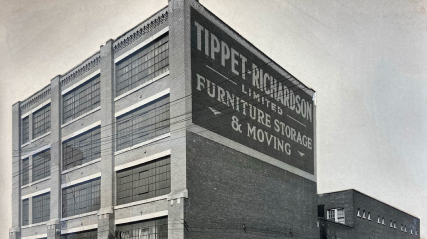
Tippet Richardson has supported moving families for nearly a century, and that history is most useful when it is reflected in careful preparation, transparent communication and sensible handling of the details that can affect an international residential move.
Wrapping Up
Moving from Toronto to Palmerston North is easier to manage when you treat it as a sequence of connected decisions: reduce the shipment thoughtfully, document what remains, choose sea or air freight according to your priorities, prepare for New Zealand customs and biosecurity requirements, and organise delivery or storage around the home you will actually occupy.
A detailed inventory and an honest conversation with an experienced international mover will help you understand the likely cost, timing and responsibilities before packing begins. Tippet Richardson international moving services can help you assess your household goods, prepare the shipment and plan the move to New Zealand with the care expected from a company serving families since 1927.