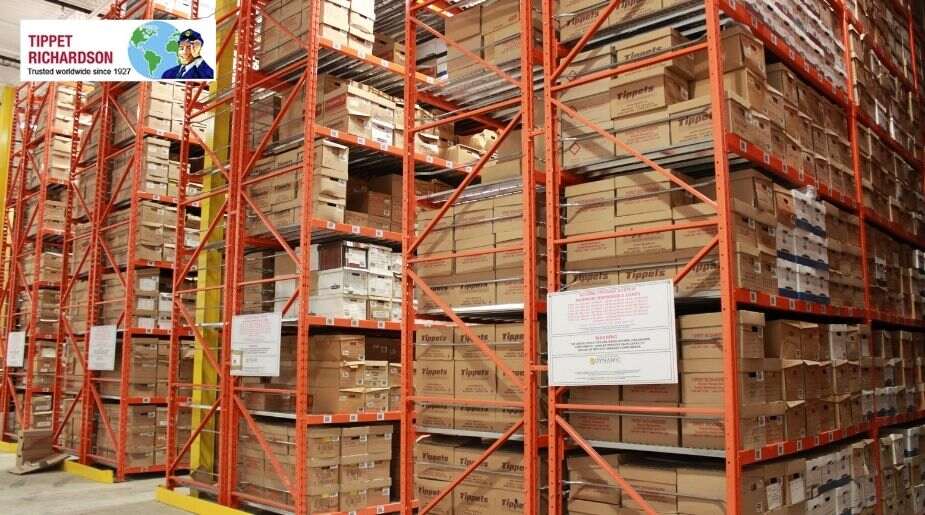
- Moving from Toronto to Rotorua usually involves professional packing, international sea transport, New Zealand clearance, and final delivery by road.
- Outdoor equipment must be cleaned, dried, documented, and assessed carefully before packing for biosecurity review.
- Sea freight is generally the practical choice for household goods, while air freight suits smaller or urgent shipments.
- Your Toronto to Rotorua moving cost depends on volume, shipping method, access, packing, storage, inspections, and destination services.
- Choose movers who can explain the handoffs, paperwork, exclusions, timing, and responsibilities before you commit.
Moving from Toronto to Rotorua requires more than placing household goods in a container; it calls for careful packing, international shipping, New Zealand customs and biosecurity preparation, and a well-coordinated delivery plan. This guide explains how the process works from Toronto through to your Rotorua home.
Rotorua brings particular practical considerations, including a long inland delivery after the shipment reaches New Zealand, different housing access, and close attention to outdoor belongings that may carry soil, seeds, insects, or other biosecurity concerns. You will learn how to prepare your household goods, compare shipping options, estimate timing and cost factors, manage storage, and select a Toronto to Rotorua moving company with the right experience.
Moving From Toronto to Rotorua: What the Process Involves
A move from Toronto to Rotorua normally passes through several distinct stages: planning and surveying, packing, export preparation, international Moving, New Zealand arrival procedures, and destination delivery. Understanding these stages early helps you make better decisions about what to ship, when to send it, and which services you actually need.
Start With a Detailed Household Inventory
The most useful first step is a realistic inventory rather than a rough estimate of “a few rooms”. List furniture, boxes, appliances, artwork, sporting equipment, tools, garden items, and anything that may need special handling. Note approximate dimensions for unusually large pieces and identify belongings that are irreplaceable, fragile, valuable, or difficult to replace in Rotorua.
An inventory serves several purposes. It helps a moving company assess the likely shipment volume, highlights items that may need custom crating or extra protection, and gives you a basis for deciding what should travel with you, ship separately, go into storage, or be sold before departure.
A family moving from a Toronto condominium, for example, may have less furniture than a family leaving an older detached home but more restrictions around elevator bookings, loading times, parking, and building access. Those details can affect the packing and collection plan even before the shipment leaves Ontario.
Decide What Should Travel and What Should Not
International shipping is rarely the right answer for every possession. Compare the practical value of shipping an item with its replacement cost, sentimental importance, condition, size, and suitability for your new home. Large inexpensive furniture may not justify its space, while a well-made dining table, specialist musical instrument, or family artwork may be worth moving.
Do not pack items simply because there is spare space. A shipment that grows by several cubic metres can affect the transport plan and cost. Conversely, removing too much at the last minute can leave you buying essentials after arrival and may create avoidable pressure.
Consider separating your belongings into four groups:
- Items to carry personally, particularly documents, medication, valuables, and immediate necessities.
- Household goods to ship by sea or air, depending on urgency, size, and budget.
- Items to place in short- or long-term storage in Canada or New Zealand.
- Items to sell, donate, recycle, or dispose of before packing.
Build the Schedule Around Your Housing Dates
Your shipping date should relate to your lease end, property closing, travel plans, temporary accommodation, and expected access to your Rotorua home. Avoid treating the collection date as the arrival date. International shipments pass through several stages, and arrival timing can change because of sailing schedules, trans-shipment, port handling, inspections, documentation, and inland delivery arrangements.
If you will not have a confirmed address in Rotorua when the shipment leaves Toronto, discuss the available storage options before collection. Changing the delivery plan after arrival may be possible, but it can involve additional handling, storage, or local delivery charges depending on the circumstances.
At Tippet Richardson, our international moving specialists can help turn the inventory and housing information into a practical moving plan, including packing requirements, shipment choices, storage solution, and the points that require confirmation before departure.
How Should You Pack Household Goods and Outdoor Equipment?
Packing for moving to Rotorua from Toronto requires two types of protection: physical protection against a long international journey and preparation for New Zealand’s biosecurity requirements. A box that is secure enough for a local move may not be suitable for extended handling, changes in climate, or inspection.
Use Professional Packing for Fragile and Complex Items
Professional packers assess how an item needs to be protected rather than simply wrapping everything in the same material. Glass, ceramics, artwork, mirrors, electronics, furniture with delicate finishes, and musical instruments may require different methods. Large or fragile pieces may also need reinforced packaging or a purpose-built crate.
Before packing, photograph valuable or delicate belongings and keep a separate record of identifying details. This is useful for your own records and can make it easier to identify items when unpacking. Keep essential documents and personal valuables with you unless there is a specific reason to arrange another method.
Clearly identify boxes by room and contents, but avoid placing important paperwork inside general household cartons. A separate arrival essentials group might include basic clothing, chargers, children’s necessities, a few kitchen items, and documents needed during the first days in New Zealand.
Prepare Outdoor Equipment for Biosecurity Review
Outdoor equipment deserves special attention because soil, plant matter, seeds, insects, and organic residue can travel unnoticed. New Zealand authorities may inspect items and determine whether cleaning, treatment, further information, or disposal is required. Requirements can change according to the item and current rules, so check the official New Zealand guidance before packing.
Potentially sensitive belongings can include bicycles, camping equipment, hiking boots, golf clubs, sports equipment used outdoors, garden tools, vacuum cleaners, children’s outdoor toys, fishing equipment, and items used around soil or vegetation. Do not assume that an item is acceptable simply because it appears clean at first glance.
A practical preparation process is to remove visible dirt, mud, seeds, plant fragments, and organic material; clean joints, treads, soles, blades, and crevices; allow the item to dry completely; and keep it accessible for inspection. Do not conceal outdoor items inside other boxes or wrap them so tightly that they cannot be examined if requested.
Be Careful With Food, Wood, and Animal Products
Food, plant material, untreated wood, animal products, and certain medicines or natural products may require declaration, restriction, treatment, or disposal. Household goods can also include items that are easy to overlook, such as dried flowers, seed collections, decorative shells, wooden ornaments, hunting or fishing equipment, and pantry contents.
Declare items accurately and ask for guidance when you are uncertain. Never rely on a casual assumption that something will be accepted at the border. A declaration does not necessarily mean an item will be refused, but failing to declare an item can create serious complications.
For outdoor equipment, the best decision may be to clean and ship it, replace it after arrival, or leave it behind. The right choice depends on value, condition, cleaning effort, inspection risk, and how easily the item can be replaced in Rotorua.
Use a Separate High-Value and Special-Handling Plan
Jewellery, passports, financial records, critical medication, irreplaceable photographs, and other personal essentials should generally remain under your direct control. For artwork, antiques, collections, or delicate instruments, discuss condition, packing, valuation, and handling requirements before the moving team begins.
The same principle applies to appliances. Electrical standards, plugs, dimensions, warranty coverage, and suitability for your new home may differ. Confirm whether an appliance is worth shipping before including it in the final inventory.
What Shipping, Customs, and Biosecurity Steps Matter?
International household goods usually move by sea because sea freight can accommodate a larger volume at a lower transport cost than air freight. Air freight can be useful for a small quantity of urgent belongings, but it is generally less suitable for a full household. The best choice depends on volume, timing, budget, and what you need immediately.
Compare Sea Freight and Air Freight
Sea freight is commonly considered for furniture, cartons, and a complete household shipment. Depending on the shipment arrangement, goods may travel in a dedicated container or as part of a shared container service. A dedicated container can provide more control over the space, while shared arrangements may suit smaller shipments. Availability and pricing depend on the shipment details and current transport arrangements.
Air freight is faster in principle but has strict weight and size considerations and can be substantially more expensive for bulky goods. It is more appropriate for essentials, urgent work or personal items, or a small shipment that does not justify sea transport.
Ask any Toronto to Rotorua movers you are considering to explain what their estimate includes. Confirm whether the quoted service covers collection, packing, export handling, international transport, destination handling, clearance-related services, delivery, unpacking, debris removal, storage, and any inspection or treatment charges. Different quotations can look similar while covering very different work.
Understand Documentation and Declarations
Your moving company will normally need accurate information about the shipment, its contents, ownership, value, and destination. You may also need to provide identification, travel or residence information, an inventory, and other documents relevant to your circumstances. The exact requirements can vary, so obtain a current document list before packing day.
Descriptions should be specific enough to be useful. “Household goods” may be less helpful than “used wooden dining chairs” or “used camping tent”. Keep your inventory consistent with the shipment and tell your mover about any additions or removals before loading.
New Zealand Customs and the Ministry for Primary Industries have separate responsibilities. Customs requirements concern the entry of goods and related declarations, while biosecurity controls focus on risks from pests, diseases, soil, plant material, and other regulated items. Your mover can help organise the process, but you remain responsible for providing truthful information and following official requirements that apply to you.
Prepare for Inspection or Treatment
A shipment may be selected for inspection. Certain items may require cleaning, treatment, further assessment, or removal if they present a biosecurity concern. These outcomes depend on the item’s condition and the authorities’ assessment, so no responsible mover should promise that every packed item will pass without review.
This is why early preparation matters. If a dirty bicycle, muddy boot, or soil-covered garden tool is discovered after arrival, the matter may take additional time and may create an extra charge. Clean items before packing and identify anything questionable during the survey rather than waiting until loading day.
Plan the Final Leg to Rotorua
Rotorua is inland, so a shipment arriving at a New Zealand port still needs destination handling and road transport to the city or surrounding area. The final delivery may involve appointment scheduling, access assessment, unpacking, and placement of furniture inside the home.
Tell the mover about narrow roads, rural access, steep driveways, gates, stairs, low branches, parking restrictions, or construction at the property. A delivery vehicle suitable for a port or urban street may not be suitable for every Rotorua address. Early information helps the team plan the appropriate approach.
International moving services are most reliable when the responsibilities at each handoff are clear. Ask who is coordinating the Canadian collection, overseas transport, New Zealand arrival, clearance process, local delivery, and any storage between stages.
You may also like: Moving from Toronto to Palmerston North: International Moving Guide
What Affects Toronto to Rotorua Moving Cost and Timing?
There is no single Toronto to Rotorua moving cost because each shipment is priced around its volume, service scope, route, timing, and handling requirements. A useful estimate should be based on an inventory or survey rather than the number of bedrooms alone.
Main Cost Factors
Shipment volume is usually one of the largest factors. Furniture, packing materials, crating, and the number of cartons all affect the space required. A partial shipment may be more economical for a smaller household, while a larger household may need a dedicated container arrangement.
Other factors can include:
- The amount of professional packing, unpacking, crating, and furniture protection required.
- Collection and delivery access, including stairs, elevators, long carries, parking, rural roads, or special handling.
- The shipping method, origin and destination handling, current transport conditions, and the level of service selected.
- Customs or biosecurity-related inspection, cleaning, treatment, storage, or disposal requirements where applicable.
- Storage before departure, after arrival, or during a gap between temporary accommodation and permanent housing.
- Special handling for vehicles, artwork, antiques, pianos, oversized furniture, or other items that need separate assessment.
A low initial estimate may not be comparable with a higher one if it excludes packing, destination delivery, storage, or certain handling stages. Ask for inclusions and exclusions in writing and query any allowance that seems vague.
Typical Planning Stages and Timing
Exact timing varies according to the shipment route, sailing availability, customs and biosecurity processing, documentation, port handling, and the final delivery address. Rather than relying on one promised date, plan around a range and allow flexibility for the first weeks after arrival.
A typical process may include a pre-move survey and booking period, packing and collection in Toronto, export handling, international sea transport, arrival procedures in New Zealand, and road delivery to Rotorua. Air freight follows a different process and may be appropriate for a smaller urgent shipment, but it still requires documentation and destination handling.
Your personal travel date and your household shipment date do not need to be identical. Many people carry immediate essentials and arrange temporary accommodation while waiting for the main shipment. That approach can reduce pressure if the permanent property is not ready or the shipment requires inspection.
Consider Storage at Both Ends
Storage can solve several common problems: a home sale closes before departure, the Rotorua property is not ready, family members need time to receive the goods, or the shipment arrives before the household does. However, storage changes the handling plan and may add collection, warehouse, delivery, or administration charges.
Ask whether your belongings will remain packed, whether access to individual items is possible, how delivery will be arranged, and whether the storage period is open-ended or reviewed at set intervals. If you are storing only selected items, separate them clearly from the goods intended for immediate delivery.
Make the Estimate Useful for Decision-Making
When comparing Toronto to Rotorua shipping options, request a written breakdown rather than focusing only on the headline figure. A useful quotation should identify the shipment basis, services included, assumptions about access, packing scope, destination address, storage, and items requiring separate review.
At Tippet Richardson, a detailed conversation about your home, belongings, schedule, and destination often reveals cost factors that a basic online form cannot. That information helps you decide whether to ship everything, reduce the volume, use storage, or combine sea and air transport for different categories of belongings.
How Do You Choose Toronto To Rotorua Movers?
Choosing a Toronto to Rotorua moving company is not only a price comparison. You are selecting the team that will protect your belongings, manage information between countries, explain what happens at each stage, and help you make sensible choices before the shipment is sealed.
Questions Worth Asking Before You Book
When moving to New Zealand from Toronto, ask how the company assesses volume, whether the survey is conducted in person or remotely, how fragile and high-value items are packed, and who will manage the Canadian collection. Ask for a clear explanation of the overseas transport method and the New Zealand destination arrangements.
You should also understand how the company handles changes. What happens if your address is not ready? Who should you contact if your travel date changes? How are storage requests, additional cartons, inspection-related issues, or a revised inventory dealt with? The answers reveal whether the process has been thought through.
A capable provider should be willing to discuss limitations and variable charges rather than presenting international shipping as a simple fixed journey. Be cautious of any quotation that offers certainty without asking about your inventory, access, destination, or biosecurity-sensitive items.
Match the Service to Your Household
Some customers need a full packing service because of work commitments, children, fragile possessions, or a tight Toronto departure schedule. Others prefer to pack non-fragile items themselves while using professional help for furniture, artwork, or difficult belongings. Neither approach is automatically best; the right choice depends on your time, confidence, and risk tolerance.
If you are moving after a renovation, downsizing, or sale, a move coordinator can help separate items for shipment and storage. If you have a large collection of outdoor equipment, raise it at the first consultation. The earlier it is reviewed, the more time you have to clean it, replace it, or remove it from the inventory.
For a family settling in Rotorua, destination service matters as much as origin packing. You need a plan for delivery access, unpacking priorities, furniture placement, and the period before the rest of the household goods arrive. Discuss these details before departure, not while a vehicle is waiting outside your new home.
You may also like: Moving from Toronto to Nelson: International Moving Guide
Keep a Personal Arrival Plan
Even with careful planning, international moves involve events outside your direct control. Carry the items you cannot afford to be without, maintain digital copies of important records, keep an arrival essentials bag, and retain the contact details for the moving coordinators handling your shipment.
When the shipment arrives, inspect cartons and furniture methodically rather than opening everything at once. Note any concern promptly and keep relevant documents and photographs together. A calm, organised unpacking process makes it easier to identify what is needed immediately and what can wait.
Tippet Richardson has supported moving customers since 1927. For a residential move from Toronto to Rotorua, that long experience is most useful when applied to the practical details: honest preparation, careful handling, clear communication, and a plan that accounts for the journey from your Toronto home to the final Rotorua address.
Wrapping Up
Moving from Toronto to Rotorua is manageable when you treat it as a connected residential move rather than a single shipment. Begin with a complete inventory, decide what is genuinely worth sending, prepare outdoor equipment thoroughly, and choose sea or air transport according to volume and urgency.
Allow time for export preparation, international transport, New Zealand Customs and biosecurity requirements, and the road delivery from the arrival port to Rotorua. Ask for a quotation that explains its assumptions and inclusions, and plan storage if your home and shipment will not be ready at the same time.
The best Toronto to Rotorua moving company will help you understand the process before packing begins, identify potential problems early, and keep the handoffs clear. Tippet Richardson can support residential international moving decisions with the careful planning and communication expected from a company serving customers for nearly a century.