- Moving from Toronto to Tauranga requires early planning for packing, freight, customs, biosecurity and delivery.
- Sea freight usually suits larger household shipments, while air freight is faster for essential items.
- New Zealand’s customs and biosecurity checks make accurate inventories and clean belongings especially important.
- Your Toronto to Tauranga moving cost depends on volume, service choices, timing, access and destination requirements.
- Preparing documents, access details and outdoor items before pickup can prevent avoidable delays.
Moving from Toronto to Tauranga is a substantial international relocation, but a carefully planned process can make the transition far more manageable. This guide explains how household goods are assessed, packed, shipped and delivered, including the points that commonly affect timing, cost and clearance in New Zealand.
The move matters because Tauranga combines a coastal destination with New Zealand’s strict border and biosecurity requirements. You will need to make practical decisions about sea or air freight, items to take, storage, delivery access and preparation before the moving crew arrives. The following sections take you through those decisions step by step.
Understanding the Toronto to Tauranga Moving Process
A successful international move is best treated as a series of connected stages rather than one collection date. Your belongings must be assessed in Toronto, packed for an overseas journey, documented accurately, transported internationally, cleared for entry into New Zealand and delivered or stored in Tauranga. A problem at one stage can affect the next, so early coordination is valuable.
For many households, the process begins with a survey or detailed inventory. The moving team needs to understand what you are taking, where it is located, whether anything requires special handling and how much space it may occupy. A family moving from a detached Toronto home may have a very different shipment from someone leaving a downtown condominium with only selected furniture.
Deciding What to Take to Tauranga
The cost and practicality of shipping household goods depend heavily on volume. Before requesting a quotation, separate your belongings into four groups: take with you, sell or donate, dispose of, and decide later. This is more useful than estimating by the number of rooms alone because rooms vary considerably in size and contents.
Pay particular attention to items that are expensive to replace, difficult to source, personally important or well suited to your new home. Large, low-value furniture may cost more to ship than to replace, while a well-made dining table or specialist equipment may justify inclusion. Replacement prices in New Zealand, sentimental value and the condition of each item should all inform the decision.
Do not pack items simply because there is space available. Adding boxes at the last minute can change the shipment volume, packing time and freight arrangements. Conversely, removing major items after a quotation may affect the estimated price or the way the shipment is packed.
Choosing Between Full and Shared Shipment Options
Your moving specialist can explain which freight arrangement fits the size and timing of your shipment. A larger household may use a dedicated container or another full-shipment arrangement, while a smaller consignment may be combined with other household goods. The appropriate choice depends on available volume, destination service, schedule and the options available for your move.
A dedicated shipment can offer greater control over loading and may suit households shipping most of their contents. A shared arrangement can be practical when you are sending fewer belongings, although the overall process may involve additional coordination before delivery. The lowest initial price is not always the best measure; compare what is included, how delivery is handled and whether storage or extra services may be needed.
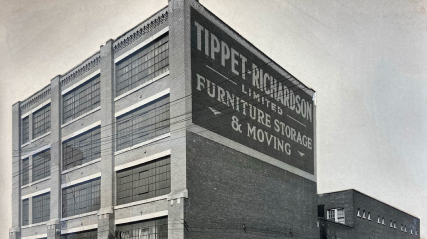
Tippet Richardson’s international moving services for New Zealand can help you assess the shipment as a whole rather than making freight decisions based only on a rough room count.
Why Tauranga Planning Is Different From Toronto Planning
Tauranga delivery planning may involve a house, apartment, townhouse, retirement property or temporary accommodation. Access conditions can differ significantly between neighbourhoods and buildings. A narrow driveway, limited parking, stairs, restricted delivery hours or an apartment lift can affect how the final delivery is carried out.
Give your moving coordinator the most accurate destination details available, including the property type, address, access restrictions and whether you will be ready to receive the shipment. If your permanent home is not available when the shipment arrives, discuss storage before pickup rather than waiting until arrival. That allows the delivery plan to be considered alongside the international shipment.
Planning Your Toronto to Tauranga Move Timeline
International moves require more lead time than local relocations because several parties and border processes are involved. The right timeline depends on the size of the shipment, the selected freight method, sailing or flight availability, documentation, customs and biosecurity requirements, and your delivery circumstances. A moving company should provide a planning estimate based on your actual shipment rather than an unqualified promise.
Start With the Destination Date
Begin by working backwards from the date you need your belongings in Tauranga. Consider when your Toronto home must be empty, when you will leave Canada, whether you will need temporary accommodation and when your New Zealand property will be ready. These dates may not align, and attempting to force them together can create unnecessary pressure.
If you are flying ahead of your shipment, prepare a separate plan for the first weeks in Tauranga. Keep essential clothing, medication, documents, chargers, toiletries and items for children or pets with you, subject to applicable travel rules. Do not assume that your shipped goods will be available immediately after you arrive.
Allow Time for Decisions and Documentation
A practical planning sequence usually includes an early consultation, a detailed inventory, a quotation, confirmation of items being shipped, professional packing, export and freight arrangements, arrival procedures and delivery planning. Each stage can take longer if information is incomplete or decisions are delayed.
You should be ready to provide accurate names, contact details, origin and destination addresses, an inventory and any information about special items. The required documents can vary according to your circumstances and the service arranged. Confirm current requirements with your moving coordinator and the relevant New Zealand authorities rather than relying on an old checklist from another move.
Changes after packing begins are worth discussing immediately. Adding a motorcycle, outdoor equipment, artwork or a large appliance may affect documentation and border treatment. Removing items may also leave materials, boxes or shipment space that need to be reassessed.
Read also: Moving from Toronto to Hamilton, New Zealand: International Moving Guide
Prepare Before the Toronto Pickup
Before the crew arrives, make sure the items being shipped are clearly separated from everything staying behind. Mark items for donation or disposal, complete any required forms and identify fragile or high-value belongings. If you live in a Toronto condominium, confirm the elevator reservation, loading area rules and move-in or move-out time limits well in advance.
For a house, check driveway access, parking and the route from each room to the vehicle. Tell the coordinator about stairs, narrow hallways, low ceilings, restricted streets or renovation work. These details do not necessarily prevent a move, but they help the team plan the work safely and accurately.
At this stage, also set aside the belongings you will carry personally. Keep passports, immigration or residency documents, financial records, jewellery, medication and irreplaceable small items with you unless a qualified adviser tells you otherwise. Do not place important documents in the shipment simply because they are packed in a folder.
Keep Communication Active
Long-distance moves benefit from one clear point of contact. Notify the moving team when your Toronto address, travel plan, New Zealand address or delivery availability changes. If someone else will be receiving the shipment, provide their details and confirm that they understand the planned arrangements.
A useful habit is to keep a move file containing your quotation, inventory, correspondence, photographs of significant items and copies of documents. It gives you a reliable reference when several dates and decisions are being managed at once.
Packing Household Goods for New Zealand
Packing for a move from Toronto to Tauranga is not the same as packing for a short-distance move. Goods may be handled several times, exposed to changing conditions and held while clearance or delivery is arranged. Professional export packing is intended to protect the contents and support an accurate inventory, not simply to fill boxes quickly.
What Professional Packing Should Address
The packing approach should reflect the item. Furniture may need protective wrapping and suitable cushioning. Glassware, ceramics and electronics need stable packing that limits movement. Artwork, mirrors, antiques, musical instruments and other high-value belongings may require an individual assessment rather than standard cartons.
Tell the packing team about existing damage before work begins. Photographs and written notes can help distinguish pre-existing marks from any concern identified later. Keep instruction manuals, keys and small fittings together, and avoid placing loose components in unmarked bags.
A useful inventory describes the contents clearly enough for you, the moving team and the authorities to understand what is included. “Household goods” may be too general for an item that requires special treatment or inspection. Accurate descriptions also make it easier to identify boxes during delivery.
Read also: Cheapest Places to Live in New Zealand for Canadians
Items That Need Extra Attention
New Zealand biosecurity controls are designed to manage risks associated with soil, plant material, animal products, food and other goods. Requirements can change according to the item and its condition. Before packing, inspect and clean outdoor belongings such as garden tools, camping equipment, sports gear, bicycles and footwear. Soil or organic residue can create a clearance issue even when the item itself seems harmless.
Food, wooden objects, natural materials and items made from animal products should be identified early. Do not assume that an item is acceptable because it was permitted into Canada or because another international move included it. Declare goods accurately and obtain current guidance from New Zealand’s Ministry for Primary Industries and New Zealand Customs where relevant.
Never hide a restricted item in a box or use a vague description to avoid attention. The consequences of inaccurate declarations can include inspection, treatment, delay, additional charges or refusal of entry, depending on the circumstances and the authority’s decision.
Items to Keep Out of the Shipment
Some belongings should travel with you only if permitted, while others may not be suitable for international transport. Medication, firearms, ammunition, hazardous materials, flammable products, certain chemicals, cash and important documents require particular care and may be subject to rules outside the moving company’s control.
Ask before including aerosols, paints, fuels, gas cylinders, cleaning products, batteries, plant products or food. Do not place passports, birth certificates, property documents or irreplaceable personal records in a shipment that may be unavailable during transit.
One practical mistake we see is packing a “last-minute essentials” carton without recording its contents. Labeling it as essentials does not remove the need for an accurate inventory. If it contains a restricted item, the vague label can make the situation more difficult rather than easier.
Preparing Special and High-Value Belongings
If you are shipping artwork, antiques, collections, delicate instruments or other valuable belongings, raise the subject during the initial survey. The team may need photographs, dimensions, materials, condition notes and information about how the item is currently installed or stored.
Do not dismantle complex furniture, wall-mounted items or specialist equipment unless you have agreed who is responsible for that work. Keep original cases and manufacturer packaging where they provide meaningful protection, but have them assessed rather than assuming they are suitable for overseas transport.
For a smaller household, careful selection and packing can make a notable difference to both protection and cost. For a larger household, consistent labeling and inventory control become increasingly important at delivery.
Shipping From Toronto to Tauranga: Sea or Air Freight?
The main freight decision is usually whether your household goods should travel by sea or air. Sea freight is generally considered for larger shipments and air freight for smaller, time-sensitive consignments, but the right choice depends on the items, timing, budget and available service. A professional quotation should explain the basis of the recommendation.
When Sea Freight May Suit Your Move
Sea freight is commonly considered for furniture and larger household shipments because it can accommodate more volume than air transport. It may be appropriate when you are moving the contents of a home and can plan around a longer transit and arrival process.
The price is not determined only by the size of the home. Volume, packing materials, origin handling, destination work, access, storage and any required inspections may all contribute. Ask whether the quotation covers packing, loading, transport, destination handling, delivery and storage, or whether any of those are separate services.
Sea freight also requires patience. A shipment can be affected by sailing schedules, transhipment, port processes, documentation, inspections and delivery availability. These are reasons to plan a sensible buffer rather than booking flights or accommodation around an exact arrival date.
When Air Freight May Be Useful
Air freight can be considered for a smaller quantity of belongings or items needed sooner. It is usually not the economical choice for a complete household, particularly when the goods are bulky or heavy. However, sending selected essentials by air while the main shipment travels by sea may help bridge the gap.
Examples may include clothing for a new season, work equipment that is permitted for transport, children’s essentials or a small number of household items. The decision should be based on the actual weight and volume, not simply on urgency. Ask for a separate explanation of what air freight includes and how it fits with the remaining shipment.
Understanding Toronto to Tauranga Shipping Costs
There is no reliable single price for a Toronto to Tauranga move without assessing your belongings and circumstances. The main cost factors can include:
- The volume, weight and nature of the household goods.
- Packing, crating, dismantling, protection and special handling.
- Freight method, origin and destination services, storage and delivery access.
Other charges may arise from inspections, treatment, taxes, duties, restricted items, difficult access or services requested after the quotation. Whether a charge applies depends on the goods, documents, authorities and agreed service. Ask for a written explanation of inclusions, exclusions and conditions before approving the move.
A good comparison is not simply “Company A is cheaper than Company B.” Compare the shipment description, packing standard, inventory process, destination service, storage arrangements and who will coordinate questions after pickup. A lower figure that excludes necessary destination work may not represent the lower final cost.
Customs and Biosecurity in New Zealand
Your shipment must meet New Zealand entry requirements, and the exact process depends on your goods and personal situation. Customs and biosecurity decisions are made by the relevant authorities, not by the moving company. You are responsible for providing truthful information and responding to requests for documents or clarification.
Prepare a detailed inventory before pickup and make sure it reflects what is actually packed. Keep evidence of ownership or purchase for items that may need explanation, and ask about any belongings with plant, animal, food, wood or soil-related features. The safest approach is to disclose an item and confirm its status rather than leave it off the inventory.
Rules and charges can change. Check current guidance from New Zealand Customs and the Ministry for Primary Industries, and ask your moving coordinator which documents they need from you for the service being arranged. Avoid relying on an informal online list that does not match your shipment or arrival circumstances.
What Happens After Arrival
Once the shipment reaches New Zealand, it may need to pass through arrival, documentation and inspection procedures before it can be released for delivery. The timing is not entirely within the mover’s control. If an authority requires an inspection or treatment, the shipment may incur additional work or delay.
After release, the destination team arranges delivery according to the agreed service and your property’s access. Tell the coordinator if your address is temporary, your property is not ready, or delivery requires a lift booking or special access arrangement. If the home is unfinished or you are still waiting for a lease, storage in Tauranga or another suitable location may be considered, subject to availability and the selected service.
At delivery, check the shipment against the inventory and note any visible concern promptly. Keep packaging and records until you are satisfied that the move is complete.
Read also: Moving from Toronto to Lower Hutt: International Moving Guide
Managing Storage, Delivery and Your First Weeks in Tauranga
Storage is often part of an international move, even when it was not part of the original plan. A sale closing may move, a rental may not be available, or the shipment may arrive before you are ready to receive it. Discuss this possibility before pickup so the move can be planned with fewer last-minute decisions.
When Storage May Be Practical
You may need storage in Toronto before export, during a transition between homes or in Tauranga after arrival. The right arrangement depends on how long the goods will be held, whether access is needed during storage and whether the items remain in their original packed condition.
Ask how storage connects to the wider move. Confirm who arranges collection, whether the inventory is updated, how access is requested and how delivery will be coordinated later. Storage should not be treated as an unconnected warehouse booking when it affects freight timing or final delivery.
For households downsizing after arrival, storage can also provide time to decide what belongs in the new home. That can be useful when you have not yet learned the dimensions, layout or practical needs of the Tauranga property.
Preparing the Tauranga Delivery Address
Before delivery, confirm the exact address and access route. Check parking, driveway width, stairs, lift requirements, building rules and any local restrictions that may affect the vehicle or crew. If you are moving into an apartment, speak with the building manager early and reserve the lift if required.
A property that is easy to reach by car may still be difficult to deliver into. Narrow internal turns, steep paths, overhead obstacles or a long distance from the parking area can change the work required. Accurate information helps the team decide whether additional preparation or equipment is needed.
If the property is in a developing area or the address is new, provide a map pin, building instructions and a reliable contact number. Do not wait until the shipment has been released to explain that the named address is inaccessible or unoccupied.
What to Do on Delivery Day
Keep the inventory available and identify rooms before unloading begins. If boxes are labeled by room, the crew can place them more efficiently and you can focus on checking important items. Keep a separate bag of essentials with you so that you are not searching through cartons for medication, documents or basic clothing.
Do not arrange major work or important appointments immediately after the estimated delivery window. International deliveries can be affected by clearance, release and access factors. Allowing flexibility is especially sensible if you are moving into temporary accommodation or coordinating a rental handover.
Once furniture is placed, check for obvious damage and confirm that boxes and major items are accounted for. Raise questions promptly through the agreed contact process and retain your documentation.
Wrapping Up
Moving from Toronto to Tauranga is easiest to manage when you make decisions early, reduce the shipment to belongings worth transporting, and treat packing, documents, customs, biosecurity and delivery as one connected plan. Sea freight may suit a larger household, while air freight can help with selected essentials. Storage can provide flexibility when your arrival and property dates do not match.
Before pickup, separate the shipment clearly, prepare an accurate inventory, clean outdoor items, ask about restricted goods and confirm access at both addresses. Do not rely on a generic Toronto to Tauranga moving cost estimate; the meaningful figure depends on your goods, service choices, timing and destination circumstances.
Tippet Richardson can help you plan international residential moving services from Toronto to New Zealand, including the practical questions that affect packing, shipping, storage and delivery. With nearly a century of moving experience, our role is to help you understand the process and prepare a move that reflects your household, timing and destination in Tauranga.