- Items you cannot ship to New Zealand commonly include soil, undeclared food, untreated wood, certain animal products, and some plants or seeds.
- Restricted household goods may be allowed only after declaration, inspection, treatment, documentation, or approval.
- Clean outdoor equipment thoroughly and remove soil, plant material, insects, and organic residue before packing.
- Declare anything uncertain because New Zealand biosecurity officers make the final decision at the border.
- An experienced international mover can help identify risk items, but only New Zealand authorities can approve entry.
Items you cannot ship to New Zealand often include soil, untreated plant material, undeclared food, some animal products, and contaminated outdoor equipment. Many other household goods are not automatically banned but are restricted and may require declaration, inspection, treatment, permits, or supporting documents.
New Zealand applies strict biosecurity controls because introduced pests, diseases, and invasive species can seriously affect its agriculture, environment, and economy. That makes a Canadian household shipment different from a domestic move: an apparently ordinary garden tool, wooden ornament, dried food, or camping item can delay clearance if it carries organic residue.
This guide explains the difference between allowed, restricted, and prohibited goods; identifies the household items that deserve the closest attention; and shows how to clean, pack, declare, and review your shipment before it leaves Canada. It also explains where Tippet Richardson’s international moving services can help and where the decision remains with New Zealand’s Ministry for Primary Industries.
What the Three New Zealand Entry Categories Mean
Before deciding whether to pack an item, classify it correctly. The most common mistake is treating “restricted” and “prohibited” as if they mean the same thing. They do not. A restricted item may enter under defined conditions, while a prohibited item may not be accepted at all or may be refused unless a specific exception applies.
Allowed Items
Allowed household goods generally present little or no biosecurity risk. Examples may include clean clothing, ordinary furniture, books, glassware, electronics, and many manufactured household products. Even these items should be accurately described on the inventory, particularly when customs or border documentation requires a complete declaration.
“Allowed” does not mean that every version of an item is automatically acceptable. A clean, manufactured plastic storage box is very different from a wooden crate containing soil or plant debris. A sealed commercial product may also be treated differently from an opened, homemade, or unpackaged version.
Restricted Items
Restricted items may be accepted after New Zealand authorities assess them. Depending on the goods, the requirement could involve declaration, inspection, cleaning, treatment, proof of origin, an import permit, or another condition. The outcome can depend on the material, quantity, packaging, country of origin, condition, and current rules.
Common examples include some food, seeds, plant products, animal-derived goods, wooden items, and outdoor equipment. A restricted item should never be hidden in a carton simply because it seems harmless. It should be identified before packing and listed clearly.
Prohibited Items
Prohibited items are goods that New Zealand does not generally allow to enter because the biosecurity, health, environmental, safety, or legal risk is too high. Some goods may be refused, destroyed, re-exported, or otherwise dealt with under the direction of New Zealand authorities. The exact result is not something a moving company can guarantee.
The safest working rule is simple: if an item contains soil, untreated organic material, animal material, or plant material, treat it as a review item until the official guidance confirms otherwise. The same applies to goods whose composition or origin is unclear.
At Tippet Richardson, we help customers identify items that need closer review while preparing an international household shipment. We do not make the clearance decision. New Zealand border and biosecurity officers have the final authority.
The Household Goods That Create the Most Risk
The items you cannot ship to New Zealand are not limited to obvious agricultural products. Household shipments often contain small, overlooked items that create problems because they carry traces of soil, seeds, insects, mould, food residue, or animal material. Reviewing these categories room by room is more reliable than relying on memory.
Food and Pantry Items
Food is one of the most frequently misunderstood categories. Some commercially packaged, shelf-stable foods may be acceptable, while fresh, homemade, opened, unpackaged, or animal-derived foods may face stricter conditions. Ingredients matter: a product that looks like a snack may contain meat, dairy, egg, seeds, or plant material.
Do not assume that a sealed packet will be accepted simply because it was purchased in Canada. Packaging, labelling, ingredients, quantity, and current New Zealand requirements can affect the decision. Food that is not essential to the move is often better consumed, donated, or left behind rather than packed for international transport.
If you choose to include food, retain the original packaging and make sure the item is described accurately. Never place food inside another carton without recording it on the inventory.
Plants, Seeds, and Plant Material
Live plants, cuttings, bulbs, seeds, untreated natural decorations, dried flowers, wreaths, and similar goods may be subject to strict controls. Some may require permits or specific documentation; others may not be accepted. Soil is a particularly important concern because even a small amount can carry organisms or plant disease.
Remove houseplants, potting mix, compost, and garden soil from the shipment unless the current official requirements specifically allow the item. Decorative plant materials should also be reviewed rather than assumed to be harmless. A dried arrangement can contain seeds or untreated natural material even when it appears completely dry.
Wood Products and Wooden Furniture
Wooden furniture is not automatically prohibited, but it may be inspected for bark, insects, holes, frass, soil, or other contamination. Raw, unfinished, bark-covered, hollow, or visibly damaged wood generally deserves more attention than sealed, finished furniture.
Wooden garden ornaments, carved items, baskets, picture frames, pallets, crates, and packing materials should be checked carefully. Clean visible surfaces and accessible joints, then ask whether the item has bark, unfinished areas, insect holes, or organic residue. If it does, obtain current guidance before packing it.
Soil-Contaminated Outdoor Equipment
Outdoor equipment is one of the most common sources of avoidable inspection issues. Lawn mowers, garden tools, bicycles, golf equipment, camping equipment, hiking boots, sports gear, children’s outdoor toys, and fishing equipment can all collect soil, seeds, leaves, mud, or insects.
Cleaning must be more than a quick wipe. Remove dirt from treads, joints, blades, grooves, soles, bags, pockets, and hard-to-see recesses. Allow items to dry fully before packing. For equipment with grease, fuel, or chemical residue, follow the manufacturer’s cleaning and safety instructions and ask the mover how the item should be presented for shipment.
A bicycle that looks clean in a garage may still have soil behind the gears. A tent may contain seeds in its seams. Hiking boots may look dry but retain soil inside the tread. These small details are exactly why outdoor items should be prepared early.
Animal Products and Hunting or Fishing Goods
Animal-derived goods can include leather, fur, feathers, shells, ivory-like materials, coral, bones, taxidermy, untreated hides, animal food, and some hunting or fishing equipment. Requirements can vary substantially according to the species, treatment, origin, and intended use.
Do not assume that an old souvenir or decorative item is acceptable because it has been in your home for years. Products made from protected species may also involve wildlife-trade rules in addition to biosecurity controls. When an item’s material is uncertain, photograph it, record what you know about its origin, and check the official requirements before shipping.
Fishing rods and manufactured tackle may be straightforward when clean, but bait, animal products, feathers, untreated natural fibres, and contaminated equipment can create a separate issue. Empty and clean the equipment, then review any biological material separately.
Read also: Should You Ship Your Furniture to New Zealand or Buy New? A Practical Guide
Other Goods That Need Careful Review
Other potentially regulated goods can include medicines, chemicals, fuels, firearms, ammunition, aerosols, flammable products, plant-based cosmetics, untreated natural fibres, and items containing hazardous materials. These may be controlled for reasons beyond biosecurity, including transport safety, customs, health, or import law.
A moving company may have additional packing or transport requirements for these goods. Do not place dangerous goods in a household carton without checking first. If you are uncertain about a product, keep the original label and safety information available so its contents can be identified.
How to Prepare and Clean Items Before Shipping
Good preparation reduces the chance of avoidable delay, but it cannot guarantee admission. The purpose of cleaning is to remove contamination before the goods are packed and to make inspection easier if New Zealand authorities examine the shipment.
Start With a Risk Review, Not a Packing Date
Begin several weeks before packing day. Walk through the garage, basement, garden shed, sports cupboard, kitchen, and storage areas. These spaces usually contain more review items than the main living areas.
Separate goods into three groups: ordinary household goods, items requiring official checking, and items better left behind. Do not mix uncertain goods into a general carton. Keeping them separate makes the inventory more accurate and allows decisions to be made before the shipment is sealed.
For each review item, record its material, condition, country of origin if known, and intended use. Take photographs of unusual goods. This information can help an international moving coordinator ask more useful questions and can make your own official research more precise.
Use a Practical Cleaning Method
For outdoor equipment, remove all visible soil and organic matter first. Use suitable brushes, water, and cleaning products for the material, paying attention to seams, grooves, wheels, soles, joints, and enclosed areas. Dry the goods completely before packing so that moisture does not create mould or conceal residue.
For wooden articles, inspect bark, cracks, holes, joints, undersides, and unfinished surfaces. For food containers, empty crumbs and residue. For camping equipment, empty pockets and bags, shake out fabric, and inspect pegs, ropes, footwear, and cooking equipment.
Do not use cleaning methods that damage an item or create a safety hazard. If a product contains fuel, oil, chemicals, batteries, or pressurised contents, follow the manufacturer’s instructions and ask whether it is suitable for transport before attempting preparation.
Avoid Packing Contamination Into the Shipment
Use clean packing materials and do not place clean goods in cartons that have been stored in a shed or garage and contain soil, insects, or plant matter. Avoid using used garden bags, dirty tarpaulins, or old boxes with food residue.
If an item cannot be cleaned properly, consider leaving it behind. The replacement cost may be lower than the cost of treatment, disposal, re-export, delay, or an additional inspection. That decision is especially worth considering for inexpensive tools, worn boots, old camping equipment, and low-value outdoor accessories.
A careful pre-move review can also improve the accuracy of your moving estimate. Tippet Richardson can discuss the items you want to include in your household shipment and identify goods that should be reviewed before packing is completed.
Keep Evidence and Product Information
Retain labels, ingredient lists, manufacturer details, permits, receipts, and treatment records where they are relevant. This does not guarantee clearance, but it can help identify an item and explain its composition or preparation.
The official source should always be checked close to the move because requirements can change. Use the New Zealand Ministry for Primary Industries’ [traveller guidance](https://www.mpi.govt.nz/travel-restrictions/arriving-in-new-zealand/) and [items to declare information](https://www.mpi.govt.nz/travel-restrictions/arriving-in-new-zealand/items-to-declare/) to review current instructions. For goods entering as part of a household shipment, consult the MPI pages and any applicable import guidance for the specific item rather than relying on a general online list.
What Happens During Declaration and Inspection?
Declaration is part of responsible arrival preparation, not an admission that you have done something wrong. New Zealand requires travellers to declare certain risk goods, and household shipments are also subject to assessment by the relevant authorities. A complete inventory and honest description help the inspection process begin with accurate information.
Describe Items Clearly
Avoid vague descriptions such as “miscellaneous,” “personal effects,” or “garden things” when a carton contains goods that could raise biosecurity questions. A clearer description might identify a metal garden tool, a pair of used hiking boots, a wooden ornament, or commercially packaged food.
The more precisely an item is described, the easier it is to determine what it is and whether a particular requirement may apply. If you do not know the material or origin, say so rather than guessing. Misdescription can cause more difficulty than declaring uncertainty.
Read also: How to Prepare Household Goods for New Zealand Biosecurity Inspection
Expect Inspection Where Required
New Zealand authorities may inspect goods, request additional information, require treatment, refuse entry, or direct that an item be removed or otherwise dealt with. The action depends on the item and the assessment at the border. Inspection may add time and cost, although the exact outcome cannot be predicted in advance.
A moving company can prepare the inventory, pack goods appropriately, and help coordinate the shipment process. It cannot override an official decision or promise that a restricted item will be released. New Zealand authorities make the final clearance decision for goods entering the country.
Do Not Hide or Remove Uncertain Goods Without Advice
If you discover an uncertain item after packing, tell the moving coordinator before the shipment is closed or collected. Removing it may be sensible, but the correct approach can depend on the item, documentation, and shipment stage. Do not conceal it, rename it, or place it in a different carton to avoid attention.
This is particularly important for food, seeds, plant products, wooden articles, animal materials, and dirty outdoor equipment. A transparent discussion before departure gives you more options than discovering the item during an official examination.
If you are planning a move to New Zealand from Toronto or elsewhere in Canada, Tippet Richardson can help you build a household inventory that separates ordinary goods from items needing official review. That early coordination is often more valuable than trying to resolve questions after the shipment has left Canada.
Planning an International Household Shipment to New Zealand
A successful international move depends on more than loading cartons. You need a realistic inventory, early decisions about uncertain goods, suitable packing, and enough time to respond if an authority requests information or an item needs treatment or removal.
Decide What Is Worth Shipping
For every potentially restricted item, compare its practical value with the uncertainty it creates. A family heirloom may justify researching treatment or documentation. A muddy planter, inexpensive garden tool, or old packet of seeds may not.
Consider whether the item is replaceable in New Zealand, whether it has sentimental value, whether it can be cleaned effectively, and whether its material or origin is clear. A useful decision is not always “find a way to ship everything.” Sometimes the best outcome is to leave a low-value risk item behind.
Build the Inventory Around Real Contents
An accurate inventory supports packing, valuation, insurance discussions, customs paperwork, and biosecurity review. Include the contents of drawers, cupboards, garden storage, sporting bags, and boxes that have been stored for years.
Do not wait until the last day to identify risk goods. By then, the shipment may already be packed, labels may be attached, and decisions may be rushed. During a professional survey or planning conversation, show the moving team the unusual items rather than describing only the main furniture and cartons.
Understand What a Mover Can and Cannot Do
An international mover can provide practical guidance about packing, documentation, item descriptions, shipment preparation, and the handling of goods that require special attention. Tippet Richardson’s team can help you organise the household side of the move and identify questions that should be checked with New Zealand authorities.
However, a mover cannot issue a New Zealand import approval, change a biosecurity rule, or guarantee that a restricted item will clear inspection. Official resources should be reviewed for the current position, particularly where the item is biological, untreated, homemade, used outdoors, or made from an uncertain material.
You may like: Moving from Toronto to Auckland: International Moving Guide
Allow Time for Questions and Changes
Do not schedule packing so close to departure that there is no time to discard, clean, document, or review an item. Early planning is especially important when the shipment includes a large garden, extensive sporting equipment, antiques, musical instruments made with natural materials, or family collections.
A well-prepared shipment is easier to inspect because its contents are clean, accessible, and accurately described. It is also easier for you to manage because you have already made decisions before the pressure of moving day.
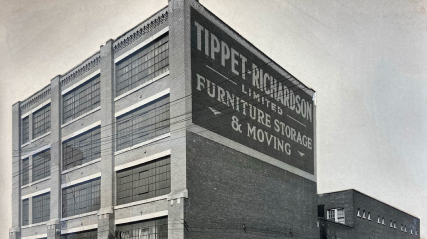
When your shipment includes many review items, speaking with a moving professional early can help you create a practical plan. Tippet Richardson has supported international residential moves for generations, and its nearly century-long history reflects the value of careful preparation and dependable communication.
Wrapping Up
The items you cannot ship to New Zealand are most often goods that create biosecurity, safety, or import concerns: soil, contaminated outdoor equipment, certain food, plants, seeds, untreated wood, animal products, and other natural materials. Some are prohibited, while others are restricted and may be accepted only after declaration, inspection, treatment, documentation, or official approval.
The safest approach is to review the shipment early, clean outdoor and wooden goods thoroughly, remove soil and organic residue, keep product information, and declare anything uncertain. Check the current guidance from New Zealand’s Ministry for Primary Industries because requirements can change and the final decision always rests with New Zealand authorities.
For a Canadian household moving to New Zealand, Tippet Richardson can help you organise the inventory, prepare the shipment, and identify questions that need official confirmation. With nearly a century of moving experience, our role is to make the process clear and well coordinated while respecting the authority of the destination country.
Plan A Cleaner, Better-Prepared New Zealand Shipment [Get A Free Quote]